When a blizzard hits, being prepared can mean the difference between safety and danger. You might think you have everything you need, but do you really know what should be in your survival kit for a blizzard?
Imagine being stuck in freezing cold, with no way to call for help. Your survival kit is your lifeline in that moment. You’ll discover exactly what essentials you must have to stay safe, warm, and alive when the storm rages outside.
Don’t wait until it’s too late—get ready now by learning what truly belongs in your blizzard survival kit.
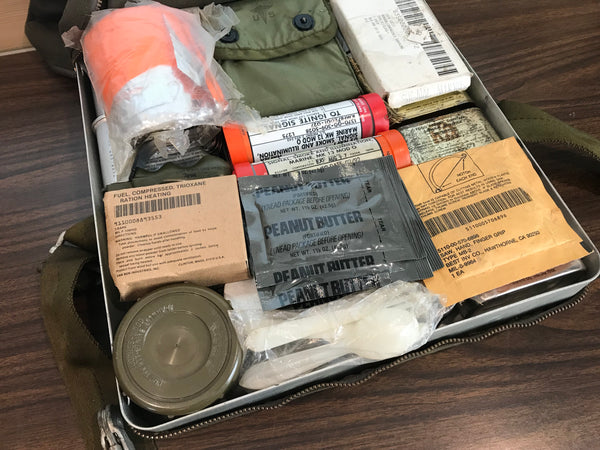
Credit: 5col.com
Key Survival Priorities
In a blizzard, your survival kit must focus on what keeps you alive first. Prioritizing shelter, warmth, hydration, nutrition, and communication can mean the difference between safety and serious danger. Each element plays a critical role in maintaining your body and mind during extreme cold and isolation.
Shelter
Finding or creating shelter shields you from biting winds and snow. A compact tent, emergency bivvy, or even a snow cave can block the harsh elements. Think about what you can easily carry and quickly set up—your survival depends on how fast you can protect yourself from exposure.
Warmth
Keeping your body temperature stable is crucial. Include insulated clothing, thermal blankets, and hand warmers in your kit. Don’t forget a reliable fire starter; a small stove or waterproof matches can help you create heat when hypothermia risks rise.
Hydration
Cold weather often masks dehydration, but your body still needs water. Pack insulated water bottles or thermoses to prevent freezing. Melting snow for water is an option, but you must boil it to avoid illness—do you have the right tools to do that efficiently?
Nutrition
High-energy, non-perishable foods fuel your body against the cold. Think nuts, energy bars, and dried fruits that pack calories and don’t spoil. Planning your meals with quick, easy-to-eat options keeps you nourished without wasting precious energy.
Communication
Staying connected can save your life. A fully charged phone with a portable charger, a whistle, or a personal locator beacon helps you signal for help. Ask yourself if your communication tools will work in remote, snow-covered areas and how you’ll use them under stress.
Essential Shelter Items
Essential shelter items keep you warm and protected during a blizzard. They prevent heat loss and shield you from wind and snow. Choosing the right shelter gear can save your life in freezing conditions.
Emergency Blankets
Emergency blankets are lightweight and compact. They reflect body heat back to you. These blankets resist wind and water, making them ideal for blizzards. Keep one in your kit to stay warm and dry.
Tents And Tarps
Tents provide solid protection from snow and wind. Look for tents designed for winter use. Tarps offer a simple, quick shelter option. Use tarps to block wind or create a roof over your camp. Both help reduce heat loss and keep snow out.
Sleeping Bags
Sleeping bags designed for cold weather retain body heat well. Choose bags rated for temperatures below freezing. Down or synthetic insulation works best. A good sleeping bag keeps you insulated from the cold ground and air. Always pack a sleeping bag in your blizzard survival kit.
Clothing And Warmth Gear
Keeping warm during a blizzard is not just about comfort—it can be a matter of survival. Your clothing and warmth gear need to protect you from freezing temperatures, biting wind, and wet snow. Choosing the right items can help you maintain body heat and avoid dangerous conditions like hypothermia.
Insulated Layers
Start with insulated layers that trap heat close to your body. Wool and fleece are excellent choices because they keep warmth even if they get damp. Avoid cotton as it holds moisture and chills you quickly.
Think about layering like building a barrier: a thin base layer, a thicker middle layer, and an outer shell. This setup lets you adjust your clothing based on activity level and temperature changes. Have you tested how well your layers breathe and dry when you sweat during physical work?
Waterproof Outerwear
Your outerwear must shield you from snow and wind while letting moisture escape. A waterproof jacket and pants with sealed seams prevent snow from soaking through. Look for gear labeled breathable waterproof materials like Gore-Tex.
In a blizzard, staying dry is crucial. Even a small leak can lead to rapid heat loss. You might want to pack an extra pair of waterproof pants or a poncho for unexpected heavy snow or wet conditions.
Gloves And Hats
Heat escapes fastest from your head and hands. Choose insulated gloves that allow finger movement but block cold air and moisture. Mittens often provide more warmth but can reduce dexterity.
Hats that cover your ears and fit snugly make a huge difference. Wool or fleece hats work well under a hood. Have you ever realized how much warmer you feel just by wearing a good hat on a freezing day?
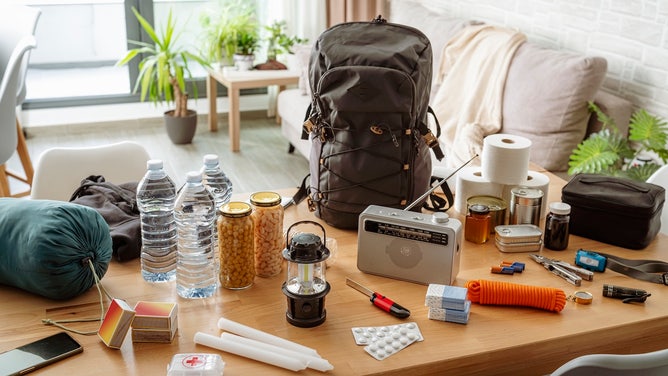
Credit: www.foxweather.com
Water And Food Supplies
Water and food supplies are the backbone of any survival kit, especially during a blizzard when access to resources is limited. Staying hydrated and nourished keeps your energy levels up and your mind sharp. Without proper supplies, even the toughest individuals can face serious health risks in extreme cold.
Water Purification Tools
Clean water is not always easy to find during a blizzard. Snow can be melted, but it’s important to purify it before drinking to avoid illnesses. Carry compact water purification tablets or a portable filter designed for freezing conditions.
A personal tip: I once had to rely on melting snow during a winter hike, and having purification tablets made the difference between feeling sick and staying healthy. You should also pack a sturdy, insulated container to prevent water from freezing solid.
High-energy Foods
Choose foods that provide quick, sustained energy. Think nuts, energy bars, dried fruits, and jerky—these are lightweight and easy to carry. Avoid items that freeze hard or require cooking, unless you have reliable gear.
Have you considered the calorie count of your snacks? In cold weather, your body burns more calories just to stay warm, so pack foods rich in fats and proteins to keep your energy reserves full.
Portable Cooking Gear
Having the means to heat food or melt snow can be a lifesaver. A small, lightweight stove with fuel can allow you to prepare warm meals and drinks, which boost morale and body heat. Look for models that work well in cold, windy conditions.
Think about the space and weight you can spare. I once carried a compact stove that fit in my backpack and it made all the difference during an unexpected overnight stay in a snowstorm. Don’t forget a sturdy lighter or waterproof matches to get your fire going quickly.
Navigation And Signaling Tools
Navigation and signaling tools are vital in a blizzard survival kit. They help you find your way and alert rescuers to your location. Whiteouts and snow can make it easy to get lost or unseen. These tools increase your chances of being found quickly.
Gps Devices
GPS devices provide accurate location data in harsh weather. They work without cell service and can guide you through snowy terrain. Some models come with built-in emergency features for extra safety. Always carry fresh batteries or a power bank to keep it running.
Whistles And Mirrors
Whistles are simple but effective signaling tools. Their sound travels farther than a human voice in the wind. Mirrors reflect sunlight to catch the attention of rescuers from a distance. Both are lightweight and easy to carry in your kit.
Flares And Lights
Flares create bright, visible signals during day and night. They can be seen from far away, helping rescuers locate you quickly. LED lights or headlamps provide steady illumination and signal your position. Pack extra batteries to ensure they work when needed.
First Aid And Health Essentials
Surviving a blizzard means being prepared for sudden health challenges. Your survival kit should have first aid and health essentials ready to handle injuries and cold-related conditions. Keeping these items handy can make a big difference when help is far away and conditions are harsh.
Basic Medical Supplies
Start with a sturdy first aid kit that includes bandages, gauze pads, adhesive tape, and antiseptic wipes. Add scissors, tweezers, and a digital thermometer. Don’t forget gloves to protect yourself and sterile dressings for wounds.
Having a compact emergency blanket can help with warmth while treating injuries. I once had to treat a deep cut during a winter hike, and having these basic supplies saved me from a severe infection. What would you do if you had no way to clean or cover a wound in freezing weather?
Medications
Include pain relievers like ibuprofen or acetaminophen to reduce pain and inflammation. Bring antihistamines for allergic reactions and any prescription medications you need daily. Don’t forget antacids and anti-diarrheal pills, as digestive issues can worsen in cold stress.
Pack these in waterproof containers to keep them dry. When I packed my kit, I realized how easy it is for pills to get crushed or wet, so protecting them is crucial. How well protected are your medications if your kit gets buried in snow?
Frostbite And Hypothermia Care
Recognize early signs of frostbite—numbness, white or grayish skin—and treat immediately. Your kit should include warm packs and hand warmers to slowly rewarm affected areas. Avoid rubbing frostbitten skin, as it can cause more damage.
Hypothermia symptoms include uncontrollable shivering, confusion, and slurred speech. Carry thermal blankets and a source of heat like chemical heat packs to stabilize body temperature. Knowing how to act fast can prevent serious complications—are you prepared to save a life in freezing conditions?
Fire Starting Equipment
Fire starting equipment is essential in a blizzard survival kit. It helps you stay warm and cook food. Fire also signals for help. Carry reliable tools that work even in wet or windy conditions. Prepare to start fire quickly and safely.
Lighters And Matches
Carry waterproof lighters for easy fire ignition. But always have backup matches. Waterproof or stormproof matches resist moisture and wind. Store matches in a sealed container to keep them dry. Test your lighters before the trip to ensure they work well.
Fire Starters
Fire starters make lighting a fire faster. Examples include cotton balls soaked in petroleum jelly, commercial fire sticks, or dryer lint. These materials catch sparks easily and burn longer. Keep fire starters in a waterproof bag. They help ignite damp wood or small twigs.
Fuel Sources
Gather dry fuel like small twigs, pine needles, and bark. These materials catch fire quickly. Collect larger sticks and logs to keep the fire burning longer. Store some fuel in a dry place inside your survival kit. Fuel is critical to maintain heat during a blizzard.
Tools And Multi-use Items
When preparing a survival kit for a blizzard, having the right tools and multi-use items can make a huge difference. These items serve multiple purposes, helping you handle emergencies, build shelter, and stay safe. Packing efficiently means choosing gear that works hard and saves space.
Knives And Multi-tools
A sharp knife is one of the most valuable tools you can carry. It helps you cut rope, prepare food, and even carve wood for fire-starting. Multi-tools add versatility by combining pliers, screwdrivers, and blades into one compact device.
Think about the last time you needed to fix something quickly or open a sealed package outdoors—having a multi-tool made the task easier. Choose a knife with a strong, comfortable handle and a blade that holds its edge well. Your survival kit isn’t complete without one.
Shovels
In a blizzard, snow can trap you or block your path. A sturdy shovel helps you dig out your vehicle, create a snow shelter, or clear an area for a fire. Lightweight, collapsible shovels save space but still provide the strength you need.
Consider how often you’ve struggled with snow piling up around you. Carrying a shovel means you won’t have to rely on your hands alone. It’s a tool that can literally save your life by giving you mobility and safety.
Cordage
Strong cordage is essential for building shelters, securing gear, or making emergency repairs. Paracord is a top choice due to its high strength, lightweight nature, and many uses. You can even unravel it for fishing line or sewing thread in a pinch.
Ask yourself, how would you keep your shelter intact if the wind picks up or the snow weighs it down? Having reliable cordage lets you adapt quickly. Don’t underestimate its importance—it’s one of those items you hope you never need but are glad to have when you do.
Tips For Packing And Maintenance
Packing and maintaining a survival kit for a blizzard requires careful thought. A well-packed kit can save lives in harsh weather. Regular upkeep ensures all items work when needed. Tailoring the kit to your environment boosts your safety chances.
Organizing Your Kit
Arrange items by use and priority. Keep essentials like food, water, and first aid on top. Use clear bags or containers for easy access. Label compartments for quick identification. Balance weight to avoid strain when carrying. Compact packing saves space and improves mobility.
Regular Checks And Updates
Inspect your kit every few months. Replace expired food, batteries, and medications. Check clothing for wear and tear. Test tools to confirm they work properly. Update items based on seasonal changes or new needs. Keep a checklist to track maintenance tasks.
Customizing For Environment
Adapt your kit to local weather conditions. Include extra insulation in colder regions. Add waterproof gear for wet areas. Pack items to help with snow and ice. Consider altitude and terrain when choosing supplies. Personalize your kit for your specific risks and needs.

Credit: www.amazon.com
Frequently Asked Questions
What Essential Items Should Be In A Blizzard Survival Kit?
A blizzard survival kit should include warm clothing, water, high-energy food, a flashlight, batteries, a first aid kit, and a portable phone charger. These items help maintain body heat, hydration, and communication during extreme cold and snow.
How Much Water Is Needed In A Blizzard Survival Kit?
You should pack at least one gallon of water per person per day. Water is crucial to prevent dehydration, even in cold weather, and supports overall health during a blizzard emergency.
Why Is A First Aid Kit Important In A Blizzard Kit?
A first aid kit treats injuries and prevents infections during emergencies. It includes bandages, antiseptics, pain relievers, and other medical supplies to manage minor wounds and health issues.
What Type Of Food Is Best For A Blizzard Survival Kit?
Pack non-perishable, high-energy foods like granola bars, nuts, dried fruits, and canned goods. These provide essential calories and nutrients, helping maintain energy when cooking isn’t possible.
Conclusion
Blizzards can be dangerous. Being prepared is crucial. A well-stocked survival kit saves lives. Include essentials like food and water. Don’t forget warm clothing and blankets. Flashlights and batteries are a must. First-aid kits can handle minor injuries. Keep communication tools handy for emergencies.
A whistle helps signal for help. Remember, preparation makes a difference. Stay safe and ready for any storm. Your safety is worth the effort. Take steps now to ensure you’re prepared. Protect yourself and your loved ones. A little preparation goes a long way.
Stay warm and stay safe during blizzards.