Imagine facing an emergency without the right tools to keep you safe and comfortable. Your survival kit can be a lifesaver, but building one doesn’t have to drain your wallet.
You might think it’s expensive or complicated, but that’s not true. With a bit of know-how, you can create a reliable survival kit that fits your budget and meets your needs. Ready to learn how to protect yourself and your loved ones without overspending?
Keep reading, and you’ll discover simple, smart steps to build your own survival kit today.

Credit: www.youtube.com
Choosing Budget-friendly Containers
Choosing the right container is crucial for a survival kit on a budget. The container protects supplies and keeps everything organized. It must be strong, lightweight, and easy to carry. Selecting budget-friendly containers means balancing cost and durability. Containers should also fit the items you plan to store.
Smart choices here help save money without sacrificing quality. Focus on containers that last through rough conditions. Also, consider containers you already have at home to cut costs further.
Durable Options That Save Money
Look for containers made of hard plastic or metal. These materials resist water, dust, and impacts. Some affordable options include:
- Plastic toolboxes with secure latches
- Metal ammo cans, known for toughness
- Heavy-duty storage bins with tight lids
- Waterproof dry bags for compact kits
Buy containers with multiple compartments to keep items organized. Simple containers with strong seals protect against moisture and dirt. Choose sizes that match your survival supplies to avoid wasted space.
Repurposing Household Items
Using household items can reduce costs significantly. Many common items serve well as survival kit containers.
- Empty coffee cans with lids are sturdy and waterproof
- Plastic food storage containers keep small items safe
- Old backpacks or small suitcases for easy transport
- Plastic bottles with screw caps for storing water or small gear
Check items for cracks or damage before reuse. Clean containers thoroughly to avoid contamination. Repurposing saves money and helps the environment by reducing waste.
Prioritizing Essential Items
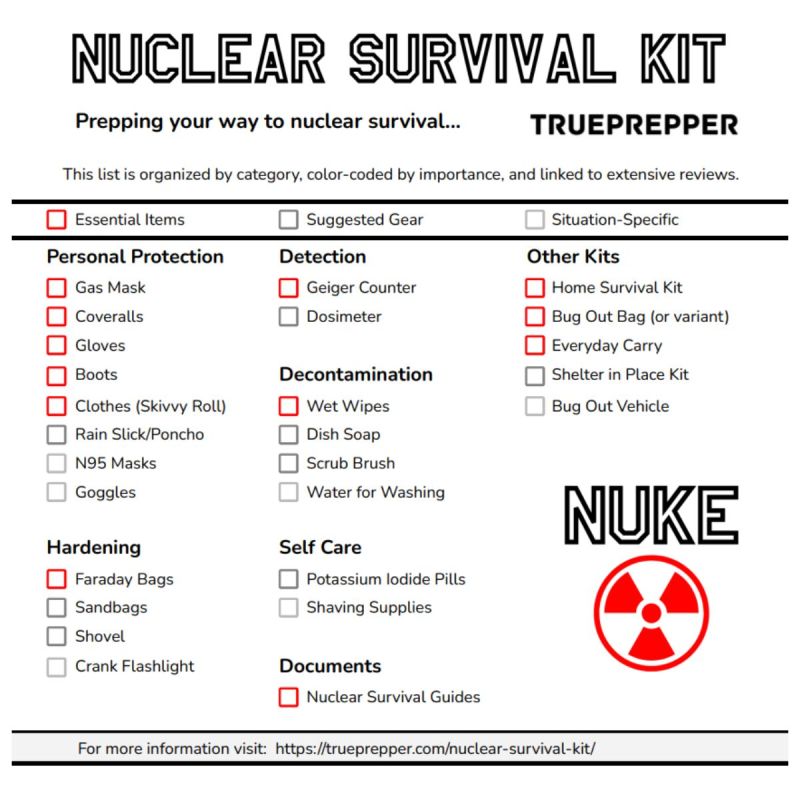
Building a survival kit on a budget means making smart choices about what you really need. Prioritizing essential items helps you avoid spending on things that won’t add much value when the situation gets tough. Focus on gear that covers your basic needs first—shelter, water, fire, and first aid—before adding extras.
Basic Survival Tools
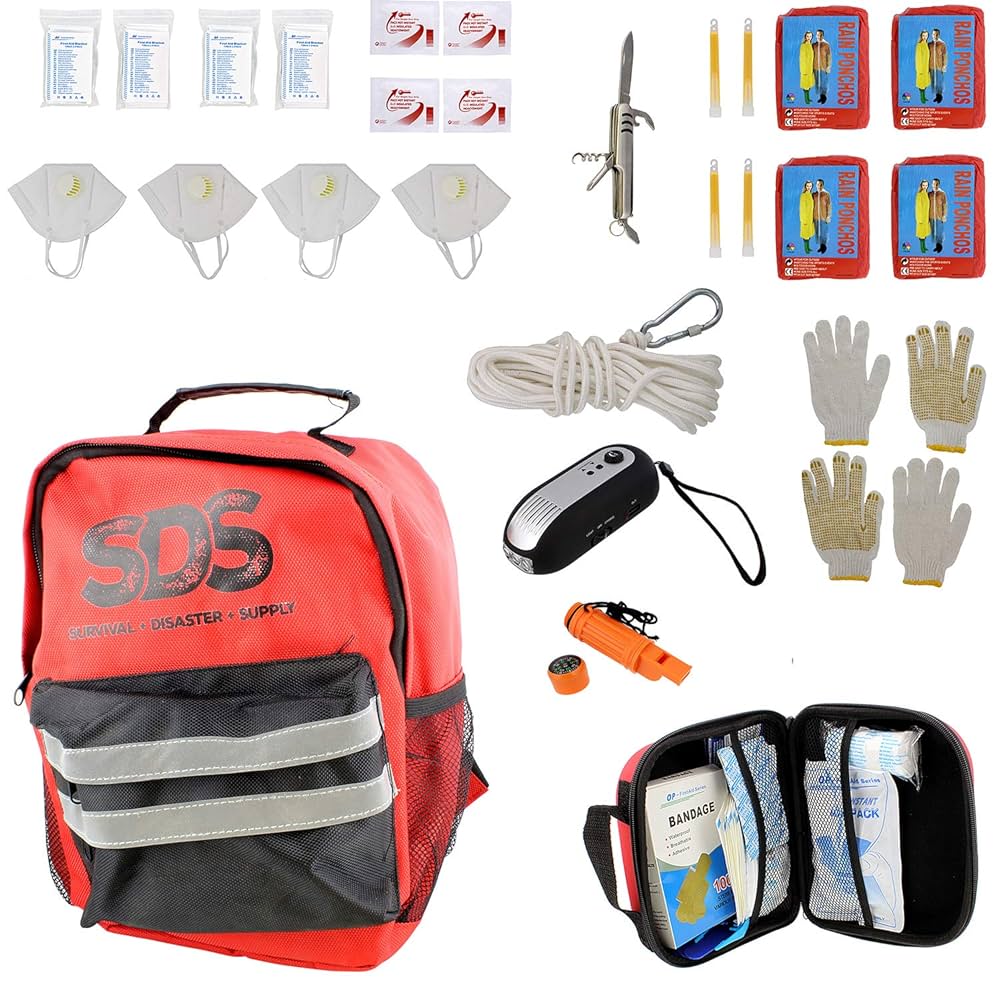
Start with tools that address the core survival needs. A reliable knife is a must-have; it can cut rope, prepare food, and even help with first aid. A compact water filter or purification tablets will keep your water safe without breaking the bank.
Don’t forget a fire starter, like waterproof matches or a flint striker. These tools ensure you can create warmth and cook food in emergencies. A small, sturdy flashlight with extra batteries is another essential for safety and navigation.
Multi-use Gear To Cut Costs
Choosing multi-use items saves space and money. Look for a bandana or buff—they can serve as a sling, a filter, or even a sun shield. A multitool combines pliers, screwdrivers, and blades into one handy device, replacing several single-use tools.
Consider a poncho that doubles as a raincoat and emergency shelter. These dual-purpose items reduce the overall weight of your kit while covering multiple survival needs. What single item in your kit can do double or triple duty to save space and cost?
Affordable Food And Water Solutions
Building a survival kit on a budget means choosing food and water options that last long and cost less. These essentials keep you safe and healthy during emergencies. Smart choices help you store enough supplies without spending too much.
Focus on foods that stay good for months or years. Also, learn simple ways to store and purify water. Both are key parts of a reliable survival kit.
Long-lasting, Low-cost Food
Pick foods that do not spoil fast and are cheap to buy. Here are some good examples:
- Rice and pasta: Fill your kit with dry grains that last long.
- Canned beans and vegetables: Easy to store and ready to eat.
- Peanut butter: High in energy and stays fresh for months.
- Dried fruits and nuts: Light, nutritious, and long-lasting snacks.
- Powdered milk: Good source of calcium and protein.
Store these foods in airtight containers. Keep them in a cool, dry place to prevent spoilage. Rotate your supplies every six months to keep them fresh.
Water Storage And Purification Methods
Water is vital. Store enough clean water in strong containers. Use food-grade plastic jugs or glass bottles with tight lids.
Keep at least one gallon per person per day. Store water in a cool, dark spot to avoid algae growth.
Purify water before drinking. Simple and cheap methods include:
- Boiling water for 1 minute to kill germs.
- Using water purification tablets or drops.
- Filtering water through a clean cloth or commercial filter.
Combine storage and purification to ensure safe water supply. Practice these steps regularly so you are ready in emergencies.

Credit: www.youtube.com
Diy Survival Gear
Creating your own survival gear saves money and builds skills. DIY items often match your needs better than store-bought ones. Simple materials at home can turn into useful tools. Making your own gear encourages creativity and resourcefulness. This section explores easy ways to craft essential survival items.
Making Your Own First Aid Supplies
Basic first aid supplies can be made with common household items. Clean cloth strips serve as bandages or wound dressings. Honey has natural antibacterial properties and can treat minor cuts. Aloe vera gel soothes burns and skin irritations.
Keep a small bottle of rubbing alcohol or hydrogen peroxide for cleaning wounds. Use tape or strips of fabric to secure dressings in place. Create a simple splint from sticks and cloth to immobilize injured limbs. Always store these homemade supplies in a clean, waterproof container.
Crafting Tools From Everyday Materials
Many tools can be made using items around the house. A sturdy knife can be fashioned from a metal piece or broken glass. Wrap a stick with cloth or paracord for a makeshift handle. Use empty cans or plastic bottles to create containers or scoops.
Rope or cordage is crucial and can be made from twisted strips of fabric or old shoelaces. Fashion fishing hooks from safety pins or bent paper clips. To start a fire, use cotton balls soaked in petroleum jelly. These tools may not be perfect but work well in emergencies.
Where To Find Deals And Discounts
Building a survival kit on a budget requires smart shopping. Finding deals and discounts helps save money without losing quality. Various places offer affordable items perfect for your kit. Knowing where to search can make your shopping easier and cheaper.
Thrift Stores And Online Marketplaces
Thrift stores often have useful gear for less. Look for durable items like flashlights, backpacks, and tools. These stores carry secondhand goods in good condition. Shopping here supports recycling and cuts costs.
Online marketplaces also offer deals on survival gear. Check websites like eBay or Facebook Marketplace. Many sellers list new or gently used items at low prices. Use filters to find the best deals fast.
Seasonal Sales And Clearance Finds
Seasonal sales can lower prices significantly. Outdoor stores clear stock before new seasons start. Watch for discounts on camping and survival items. Clearance racks hold last-season gear at reduced prices.
Major holidays bring big sales on essential supplies. Plan purchases around Black Friday or end-of-year sales. Buying in bulk during these times reduces overall costs. Patience pays off with big savings.

Credit: www.youtube.com
Maintaining And Upgrading On A Budget
Maintaining and upgrading your survival kit doesn’t have to drain your wallet. With a little planning and creativity, you can keep your kit ready and even improve it over time without spending much. The key is to focus on regular upkeep and smart, budget-friendly upgrades that truly add value.
Regular Kit Checks Without Extra Costs
Checking your survival kit regularly helps you spot expired items or missing essentials before they become a problem. Set a reminder every few months to go through your kit. Use this time to clean items, reorganize, and test gear like flashlights or radios.
Look around your home for replacements instead of buying new parts. For example, swap out expired canned goods with fresh ones from your pantry. You might find extra batteries or first-aid supplies you forgot about. This way, your kit stays fresh without extra purchases.
Have you ever found an important tool in your kit wasn’t working when you needed it? Regular checks can prevent that frustration. It’s a simple step that saves money and builds confidence in your kit’s reliability.
Smart Upgrades Over Time
Adding new items doesn’t mean buying everything at once. Upgrade your kit slowly by focusing on one or two useful items at a time. Look for sales, discounts, or secondhand gear in good condition.
Think about what you really need based on your environment and possible emergencies. Adding a compact water filter or a multi-tool can make a big difference without costing much. You can also swap bulky items for lightweight versions as you find better deals.
Try to improve your kit with versatile gear. For example, a bandana can serve as a bandage, sun protection, or a water filter. This saves space and money while making your kit more flexible. What simple item could you add today that covers multiple needs?
Frequently Asked Questions
What Are The Essential Items For A Budget Survival Kit?
Essential items include water, non-perishable food, a first aid kit, a flashlight, and a multi-tool. These basics ensure safety and sustenance without overspending. Prioritize lightweight, versatile gear to keep costs low and efficiency high.
How Can I Save Money On Survival Kit Supplies?
Buy items in bulk, choose multipurpose tools, and check discount stores. Reuse and repurpose household items to reduce costs. Planning and comparing prices online also help you stick to a budget while building a reliable kit.
Where Is The Best Place To Store A Survival Kit?
Store your kit in a cool, dry, and easily accessible location. Avoid places prone to moisture or extreme temperatures. Ensure everyone in your household knows where it is for quick access during emergencies.
How Often Should I Update My Survival Kit?
Check your survival kit every six months to replace expired food and batteries. Update gear based on seasonal needs and personal changes. Regular maintenance keeps your kit ready and reliable for any situation.
Conclusion
Building a survival kit on a budget is achievable. Start small. Focus on essentials. Water, food, and first-aid come first. Choose multi-purpose tools. Shop smart. Look for sales and discounts. Repurpose items you already have. Stay organized. Keep your kit accessible and updated.
Regularly check expiration dates. Practice using your items. Knowledge is key. Being prepared ensures safety. You don’t need to spend much. Just plan wisely. Your future self will thank you. Stay ready, stay safe.