Imagine having a tiny survival kit that fits right in your pocket. A kit that’s ready whenever you need it—whether you’re out on a hike, stuck in an unexpected situation, or just want peace of mind.
Building your own Altoids tin survival kit is easier than you think, and it gives you a powerful tool to stay prepared. You’ll discover simple steps and must-have items that transform an ordinary mint tin into a lifesaver. Ready to take control of your safety?
Let’s dive in and build your perfect survival kit together.

Credit: grimworkshop.com
Choosing The Right Tin
Choosing the right tin is the first step to building a useful Altoids tin survival kit. The tin must be durable and fit all your essential items. It should protect your gear from moisture and damage. The size and material of the tin affect how well it works as a survival kit container.
Size And Material Considerations
Pick a tin that is compact but offers enough space for your supplies. Altoids tins come in different sizes, so find one that fits your needs.
- Small tins are easy to carry but hold fewer items.
- Larger tins can store more gear but may be bulkier.
- Metal tins provide strong protection against drops and water.
- Look for tins with tight-fitting lids to keep contents secure.
Choose a rust-resistant tin to keep your supplies dry. A sturdy tin helps keep your kit safe during outdoor adventures.
Where To Source Altoids Tins
Find Altoids tins at local stores or online shops. Grocery stores and convenience stores often stock them near the candy section. Online marketplaces offer new and vintage tins in various sizes and designs.
- Buy new tins for a clean and reliable container.
- Secondhand tins may have scratches but often still work well.
- Consider bulk purchases if building multiple kits.
Make sure the tin you choose has no dents or holes. This ensures your survival kit stays protected and ready to use.

Credit: grimworkshop.com
Essential Survival Items
Building an Altoids tin survival kit means packing only what’s absolutely necessary. Essential survival items are the backbone of your kit. They prepare you for emergencies and unexpected situations without weighing you down.
Fire Starters And Tools
Fire is crucial for warmth, cooking, and signaling. Include waterproof matches or a mini lighter that fits snugly in your tin. Adding a small ferrocerium rod can give you reliable sparks even in wet conditions.
A tiny piece of char cloth or cotton balls dipped in petroleum jelly can ignite quickly. Don’t forget a small, sharp knife or a multi-tool blade to help with fire prep and other tasks.
Water Purification Options
You can’t survive long without clean water. Pack a few water purification tablets that can kill bacteria and viruses quickly. A compact water filter straw is another excellent choice if you have space.
Remember, even a small item like a folded aluminum sheet can be used to boil water over a fire. How confident are you that the water you find is safe to drink?
First Aid Basics
A tiny first aid kit can make a big difference. Include adhesive bandages, antiseptic wipes, and a small roll of medical tape. A few painkillers and allergy tablets are good to have as well.
Adding a couple of safety pins and tweezers can help with removing splinters or securing bandages. Even a small kit like this can keep minor injuries from becoming major problems.
Navigation Aids
Finding your way is vital when you’re off the beaten path. A small compass fits easily inside an Altoids tin and can guide you back to safety. Pair it with a laminated miniature map of the area you’re in.
Also, consider including a whistle to signal for help. How would you alert someone if you were lost and your phone was dead?
Food And Energy Sources
Lightweight, high-energy snacks keep your strength up. Pack a few energy bars or trail mix in small resealable bags. You can also add some hard candies or gum for a quick sugar boost.
Don’t forget a tiny container of salt or electrolyte powder to help maintain your body’s balance. What foods do you rely on when you need a quick pick-me-up outdoors?
Organizing Your Kit
Organizing your Altoids tin survival kit is key to making sure every item is easy to find and ready to use when you need it most. You have limited space, so every millimeter counts. Thoughtful arrangement can turn a simple tin into a powerful tool for emergencies or outdoor adventures.
Maximizing Space
Start by laying out everything you want to include and prioritize the essentials. Think small and lightweight to keep your kit handy. You might be surprised how much you can fit by stacking flat items like bandages under bulkier ones.
Consider using every corner and edge. Items like fishing line or matches can be wound tightly and tucked into gaps. Have you ever tried layering things vertically instead of side-by-side? This approach often frees up more room.
Using Mini Containers And Bags
Mini containers and tiny resealable bags help keep similar items together and protect them from damage. For instance, place pills or small screws in labeled containers to avoid spills and confusion.
Zip-lock bags can also separate dry items from wet or sharp objects, preventing messes. I once packed a small plastic container inside my tin for cotton balls soaked in petroleum jelly — it was a lifesaver for starting fires and stayed perfectly dry.
Securing Items For Durability
Movement inside your tin can cause damage or disorganization. Use small pieces of foam or folded paper to cushion delicate items like a small knife or compass. Elastic bands or rubber bands are great for holding pens or fire starters in place.
Double-check that everything fits snugly before closing the lid. Do you want your kit to rattle or stay silent? Secured items not only last longer but make your survival kit quicker to use when time is critical.
Customizing For Different Scenarios
Customizing your Altoids tin survival kit lets you prepare for specific situations. Each environment has unique challenges. Adjust your kit to meet those needs. This makes your kit more practical and effective. Focus on what matters most for each scenario.
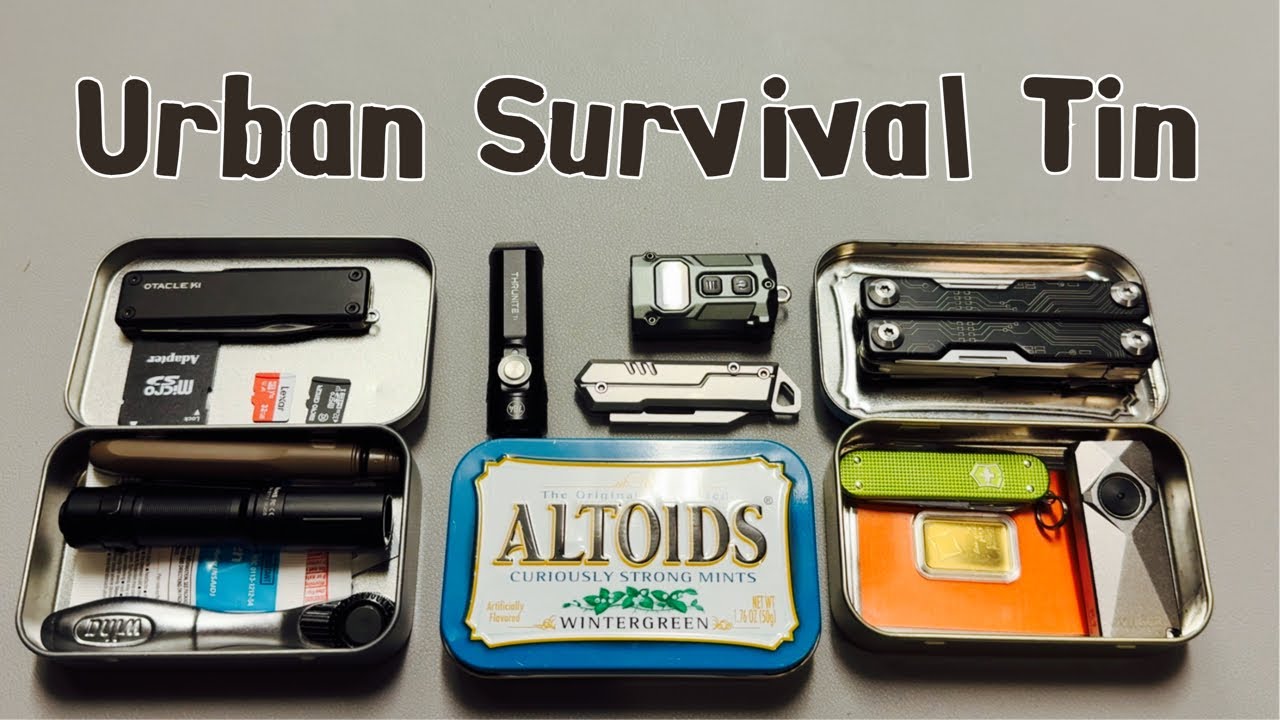
Urban Survival Additions
Urban survival needs differ from wilderness demands. Include items that help with city challenges. Small tools for self-defense, like a whistle or pepper spray, fit well. A compact flashlight is essential for power outages. Add a few bandages and antiseptic wipes for quick first aid. Consider including a small multi-tool with screwdrivers and scissors. Also, pack a list of emergency phone numbers on paper. These items keep you ready for common urban emergencies.
Wilderness Survival Extras
Wilderness survival requires gear for nature’s unpredictability. Include water purification tablets to ensure safe drinking water. A small fire starter kit helps with warmth and cooking. Add a fishing line and hooks for food gathering. Carry a compact compass or signal mirror for navigation. Lightweight emergency blanket protects from cold weather. Include insect repellent wipes or cream to avoid bites. These extras increase your survival chances outdoors.
Seasonal Adjustments
Seasons change survival needs drastically. In winter, add hand warmers and extra insulation like small wool socks. Summer kits benefit from sunscreen and a cooling towel. Rainy seasons require waterproof matches and a small poncho. Adjust food items based on temperature and storage needs. Always consider the season’s impact on hydration and shelter. Seasonal tweaks keep your kit ready year-round.
Maintenance And Updates
Maintaining your Altoids tin survival kit keeps it ready for any situation. Regular updates ensure your supplies are fresh and usable. Small checks prevent bigger problems later. A well-kept kit boosts your confidence in emergencies.
Checking Expiry Dates
Always check the expiry dates on food, medicine, and batteries inside your kit. Expired items can lose effectiveness or become unsafe. Mark your calendar to review these dates every few months. Replace anything past its expiry to keep your kit reliable.
Replacing Used Or Damaged Items
After using any item, put a new one back in the kit quickly. Damaged gear can fail when you need it most. Inspect items for cracks, rust, or wear. Swap out anything that looks weak or broken to maintain your kit’s strength.
Regular Kit Inspections
Open your kit and check every part carefully. Look for moisture, dirt, or pests that may harm your supplies. Test tools like fire starters and flashlights to ensure they work. A clean, organized kit saves time and stress during emergencies.

Credit: grimworkshop.com
Frequently Asked Questions
What Items Are Essential For An Altoids Tin Kit?
An Altoids tin survival kit should include a mini flashlight, matches, a small knife, and a whistle. Add fishing hooks, line, and a compass. Consider including a band-aid, safety pins, and a small mirror. Customize based on your needs and environment.
How Do I Waterproof My Altoids Tin?
To waterproof your Altoids tin, use duct tape or a waterproof sealant around the edges. You can also store the tin in a small, resealable plastic bag. This ensures your contents stay dry even in wet conditions.
Can I Fit A First-aid Kit In An Altoids Tin?
Yes, you can create a basic first-aid kit in an Altoids tin. Include band-aids, antiseptic wipes, and pain relievers. Add tweezers and a small roll of medical tape. Customize with items that suit your needs and space constraints.
What Is The Best Way To Organize An Altoids Tin?
Organize your Altoids tin by dividing it into sections for different categories. Use small plastic bags or wrap items in paper for separation. This helps locate items quickly and keeps everything neat and accessible in emergencies.
Conclusion
Building your own Altoids tin survival kit takes little time and effort. Choose small, useful items that fit inside the tin. Keep the kit light and easy to carry every day. Practice using your kit to feel ready in any situation.
A small kit can help solve big problems. Start simple, and add what you need over time. Being prepared brings peace of mind and confidence. Try making your kit today and stay ready for the unexpected.