Getting ready for a camping trip means one thing: being prepared. Imagine finding yourself in the wild with no help nearby.
Your safety and comfort depend on what you have with you. That’s why making a camping survival kit at home is one of the smartest moves you can make. You might think it’s complicated or expensive, but it’s not. With a few simple items you probably already have, you can build a kit that keeps you safe and confident.
Keep reading, and you’ll discover exactly what to include and how to put it all together quickly and easily. Your next adventure will be safer—and much more enjoyable.
Choosing The Right Container
Choosing the right container is essential for your camping survival kit. It keeps your gear safe and organized. The container must protect your items from damage and weather. It should also be easy to carry and store. Picking the right size and material helps make your kit reliable and ready for any situation.
Durability And Size
Durability is key for a survival kit container. It must withstand drops, pressure, and rough handling. Look for hard plastic or metal containers that resist cracking. The size should fit all your essential items without being bulky. Avoid containers that are too large or too small. A compact size helps you carry it easily and saves space.
Waterproof Options
Waterproof containers protect your supplies from rain and spills. Keeping your gear dry is crucial in emergencies. Choose containers with tight seals or rubber gaskets. Some have locking clips that secure the lid firmly. Waterproof bags can work too, but hard cases offer better protection. Make sure the container can handle wet conditions for long periods.
Portability Features
Portability makes your survival kit convenient to carry. Look for containers with handles or straps for easy transport. Lightweight materials reduce the load on your back. Some boxes have stackable designs for better packing. Consider containers that fit into backpacks or attach to belts. These features help you take your survival kit anywhere.

Credit: trueprepper.com
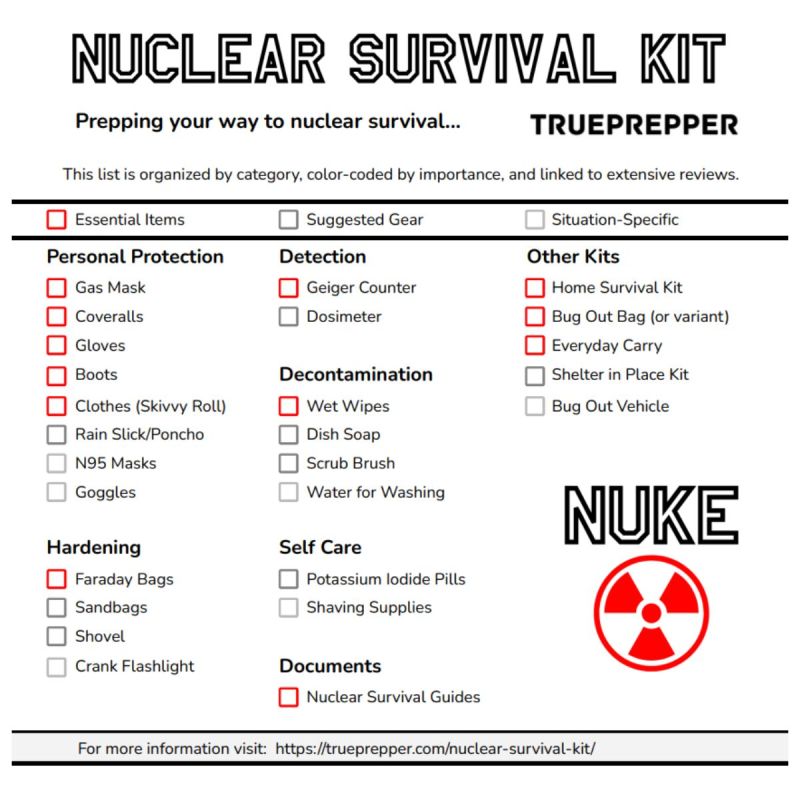
Essential Tools To Include
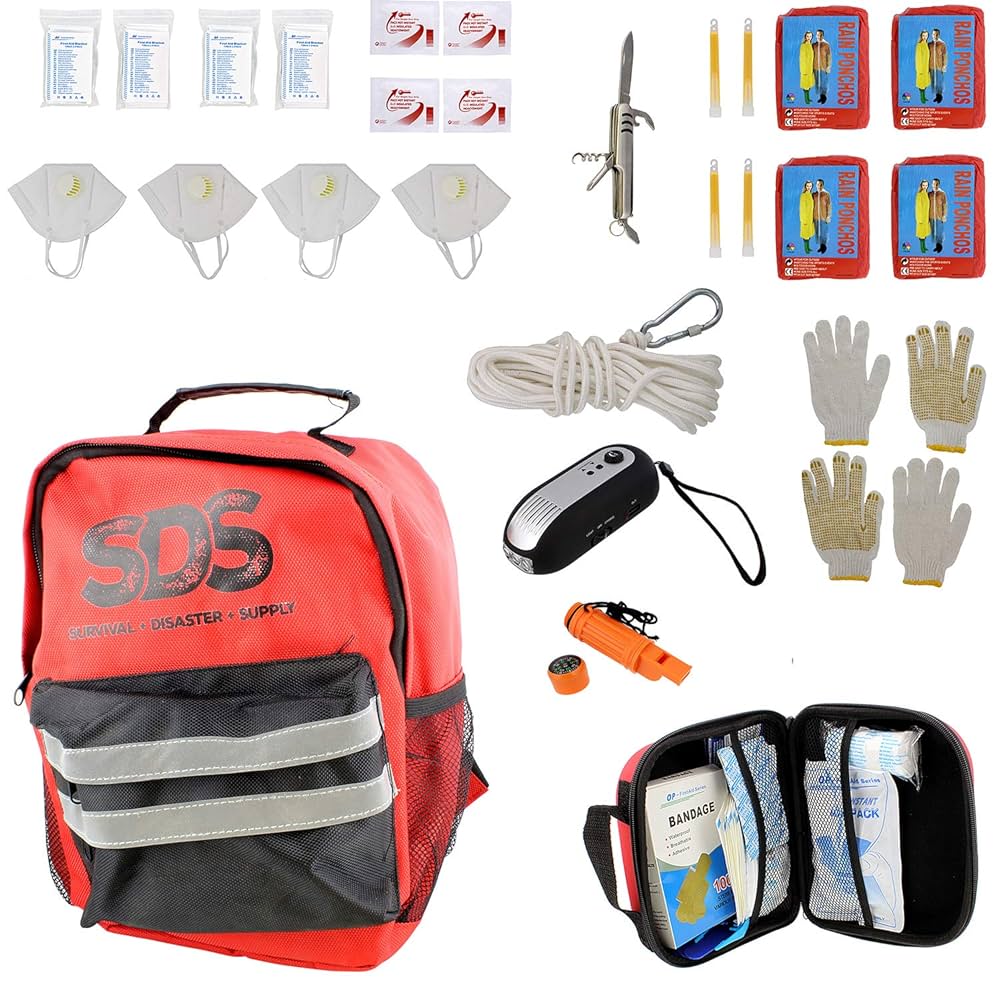
Preparing a camping survival kit requires selecting the right tools. These tools ensure safety, comfort, and efficiency outdoors. Every item serves a specific purpose to help you survive and thrive in the wild.
Focus on tools that cover cutting, fire-making, navigation, and shelter. Each category plays a vital role in your camping experience. Choose durable and easy-to-use items for best results.
Cutting And Fire-making Tools
- A sharp fixed-blade knife for cutting and protection.
- A small folding knife for detailed tasks.
- Waterproof matches or a reliable lighter.
- Firestarter rods such as ferrocerium for sparks.
- Paracord for tying and building fires.
Navigation Aids
- A compass to find your direction in unfamiliar areas.
- A detailed map of the camping region.
- A GPS device for precise location tracking.
- A whistle to signal for help if lost.
Shelter And Sleeping Gear
- A compact, lightweight tent or tarp for shelter.
- A sleeping bag suited for the climate.
- An insulated sleeping pad for comfort and warmth.
- Extra stakes and cords to secure your shelter.
First Aid Supplies
First aid supplies are a must-have in any camping survival kit. They help treat injuries and prevent infections. Having the right items can make a big difference in an emergency. Keep these supplies organized and easy to reach.
Basic Medical Items
- Adhesive bandages in various sizes
- Sterile gauze pads and rolls
- Medical tape for securing dressings
- Antiseptic wipes to clean wounds
- Disposable gloves for hygiene
- Scissors and tweezers
- CPR face shield or mask
Emergency Medications
- Pain relievers like ibuprofen or acetaminophen
- Antihistamines for allergic reactions
- Anti-diarrheal medicine
- Oral rehydration salts for dehydration
- Insect bite and sting relief cream
- Any personal prescription medications
Wound Care Essentials
- Antibiotic ointment to prevent infection
- Hydrocolloid or blister bandages
- Elastic bandages for sprains
- Alcohol prep pads for sterilizing
- Burn cream or gel
- Cold packs to reduce swelling
Food And Water Preparation
Food and water are essential for survival during camping trips. Preparing these items carefully ensures safety and energy throughout your adventure. A good survival kit must include easy-to-carry food and reliable water solutions. Focus on items that last long and require minimal preparation.
Non-perishable Snacks
Choose snacks that stay fresh without refrigeration. These snacks provide quick energy and are light to carry.
- Trail mix with nuts and dried fruits
- Granola bars or energy bars
- Beef jerky or dried meat
- Peanut butter packets
- Crackers or rice cakes
- Freeze-dried fruits
Store these snacks in airtight containers to keep them safe from moisture and pests.
Water Purification Methods
Clean water is vital. Carry multiple ways to purify water from natural sources.
- Water purification tablets – easy and lightweight
- Portable water filters – remove bacteria and sediments
- Boiling water – kills germs and parasites
- UV light purifiers – use ultraviolet rays to disinfect
Always have at least two purification methods for safety.
Portable Cooking Gear
Cooking gear should be compact and simple. It lets you prepare hot meals and boil water.
- Small camping stove or portable burner
- Lightweight pots and pans
- Multi-use utensils – spoon, fork, knife combo
- Fuel canisters suitable for your stove
- Windshield for stove to conserve fuel
Choose gear that fits your pack and needs. Practice using it before your trip.
Clothing And Protection
Proper clothing and protection are essential for any camping survival kit. They keep you safe from harsh weather, insects, and sun damage. Choosing the right items can improve comfort and prevent injuries during your outdoor adventure.
Weather-appropriate Apparel
Select clothing based on the weather conditions you expect. Layering works best to adjust to changing temperatures. Start with a moisture-wicking base layer to keep sweat away from your skin. Add an insulating layer for warmth. Top it off with a waterproof and windproof jacket. Include a hat and gloves for cold weather. Choose lightweight and breathable fabrics for hot climates.
Insect Repellents
Insect bites can cause discomfort and spread diseases. Pack insect repellent sprays or lotions containing DEET or picaridin. Consider insect-repellent clothing treated with permethrin. Mosquito nets provide extra protection during sleep. Keep your skin covered with long sleeves and pants to reduce bites.
Sun Protection
Sun exposure can lead to sunburn and heatstroke. Include sunscreen with at least SPF 30 in your kit. Choose broad-spectrum formulas that protect against UVA and UVB rays. Wear a wide-brimmed hat to shield your face and neck. Sunglasses with UV protection protect your eyes. Lightweight, long-sleeved shirts offer extra sun defense.
Organizing And Packing Tips
Organizing and packing a camping survival kit at home requires smart planning. Proper organization saves time and reduces stress during emergencies. A well-packed kit fits easily in your backpack and keeps essentials handy.
Prioritizing Items
Identify the most important items first. Focus on essentials like water, food, first aid, and fire starters. Separate items by their use and importance. Keep heavy or bulky items at the bottom of the kit. Lighter, frequently used items should stay on top for quick access.
Space-saving Techniques
Use small containers or resealable bags to group similar items. Roll clothes or bandanas tightly to save space. Compressible bags work well for bulky gear like sleeping bags. Remove excess packaging from food and supplies. Use multi-purpose tools to reduce the number of items.
Accessibility Considerations
Arrange items so you can reach them easily in a hurry. Place first aid supplies and fire-starting tools near the top. Store navigation tools and communication devices in outer pockets. Keep important documents in a waterproof bag. Label compartments or bags to find things quickly.
Testing And Maintaining Your Kit
Testing and maintaining your camping survival kit keeps it ready for any situation. A kit left unchecked may fail when you need it most. Regular care extends the life of your tools and supplies. It also helps you stay confident in your gear.
Regular Inventory Checks
Check your kit at least twice a year. Open the kit and look at every item. Make a list of what you have and what is missing. Ensure all items are clean and undamaged. Organize the kit so you can find things quickly.
Replacing Expired Items
Many survival items have expiration dates. Food, medicine, and batteries lose effectiveness over time. Remove expired items immediately. Replace them with fresh supplies. Use a calendar or reminder app to track expiration dates.
Practice Using Tools
Practice with your tools regularly to build skill and confidence. Test fire starters, knives, and water filters. Learn how to use each item safely and efficiently. Practicing helps you know what works and what needs replacing.

Credit: www.youtube.com

Credit: m.youtube.com
Frequently Asked Questions
What Essential Items Should Be In A Camping Survival Kit?
A camping survival kit must include a first aid kit, water purification tools, fire starters, a multi-tool, and emergency food. These items ensure safety, hydration, warmth, and basic nutrition during outdoor emergencies or unexpected situations.
How Do I Choose The Best Container For My Survival Kit?
Choose a waterproof, durable, and compact container to protect your survival kit from weather and damage. It should be lightweight and easy to carry, ensuring quick access to your essential items during camping trips.
How Often Should I Update My Camping Survival Kit?
Update your camping survival kit at least once a year or before every camping trip. Replace expired food, batteries, and medical supplies to maintain effectiveness and preparedness for any emergency situation.
Can I Customize A Survival Kit For Different Camping Locations?
Yes, customize your survival kit based on the camping environment. Include items like insect repellent for forests or extra water purification tablets for areas with uncertain water sources. Tailoring your kit improves safety and convenience.
Conclusion
Creating a camping survival kit at home is simple and essential. Gather the right items for safety and comfort outdoors. Pack essentials like a first-aid kit, flashlight, and matches. Don’t forget food and water supplies. Choose sturdy, waterproof bags for storage.
Personalize your kit with items specific to your needs. Regularly check and update the contents. This ensures preparedness for any camping adventure. With the right kit, you can enjoy nature safely. Start building your kit today and venture into the wild with confidence.
Happy camping!