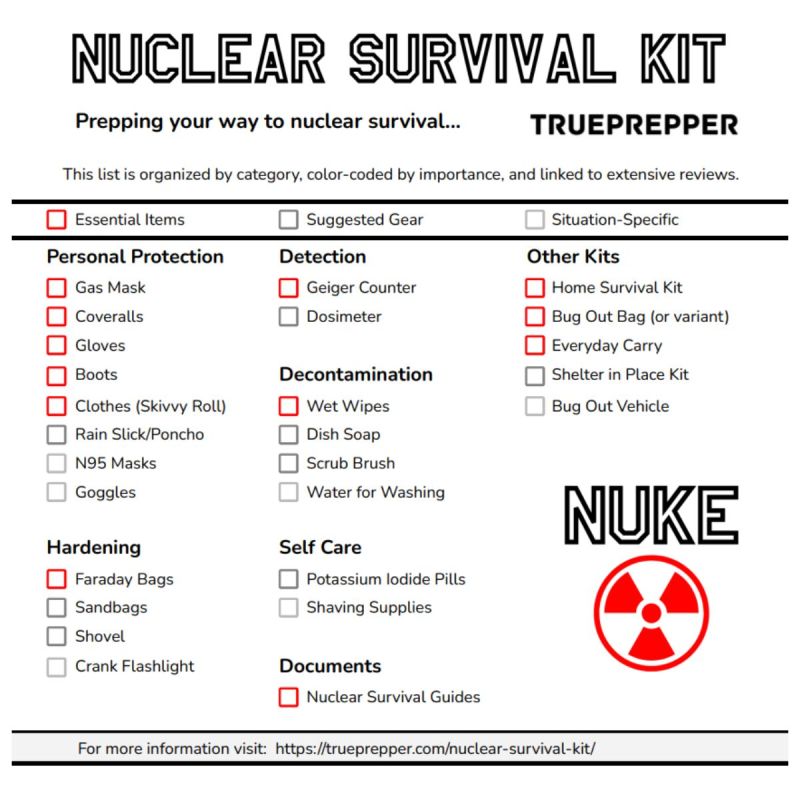
When it comes to your survival kit in aviation, knowing the inspection period is crucial. You might think it’s just another routine check, but it’s actually a key factor in keeping you safe when you need it most.
Imagine relying on your kit during an emergency, only to find it outdated or missing essential items. That’s why understanding how often your survival kit needs inspection can make all the difference. You’ll discover exactly what the inspection period means for your aviation survival kit and how staying on top of it protects you every time you fly.
Keep reading to ensure your safety gear is always ready when you need it.
Inspection Period Basics
The inspection period is a key aspect of maintaining aviation survival kits. It ensures all items inside the kit are safe and ready to use during emergencies. Regular checks prevent expired or damaged supplies from causing problems. Understanding the inspection period basics helps pilots and crew keep their survival kits reliable at all times.
Definition Of Inspection Period
The inspection period refers to the set time frame for checking the survival kit. It involves reviewing each item to confirm it is functional and within its expiration date. This process helps identify missing or broken parts that need replacement. The inspection period varies depending on regulations and kit type.
Importance In Aviation Survival Kits
Survival kits are critical for safety during unexpected situations. Their effectiveness depends on the condition of the supplies inside. Regular inspections make sure the kit contains usable food, water, medical supplies, and tools. This practice reduces risks and increases chances of survival in emergencies. Pilots and crew should never skip these checks.

Credit: www.kitplanes.com
Regulatory Requirements
Regulatory requirements set clear rules for inspecting survival kits in aviation. These rules ensure kits are ready and reliable for emergencies. Regular inspections keep all items functional and safe. Authorities worldwide have guidelines that aviation operators must follow. Understanding these rules helps maintain compliance and safety.
Faa Guidelines
The Federal Aviation Administration (FAA) sets strict rules for survival kit inspections. The FAA requires inspections before every flight for commercial aircraft. Each item in the kit must be checked for damage or expiration. The FAA also mandates a detailed record of inspections. This record helps track the kit’s condition over time. Failure to follow FAA guidelines can lead to fines or grounding.
International Standards
International aviation bodies set global standards for survival kit inspections. Organizations like ICAO provide recommendations used worldwide. These standards focus on kit contents, inspection intervals, and documentation. Airlines operating internationally must meet these standards. Regular audits ensure compliance with international rules. Following these standards supports global safety and coordination.
Components Subject To Inspection
The inspection period for a survival kit in aviation ensures all parts work properly and remain safe. Each component has a specific time frame for checking and replacement. Regular inspections keep the kit ready for emergencies. The focus lies on key items that are essential for survival after an incident. These items must be in good condition and functional.
Food And Water Supplies
Food and water are critical for survival. Inspect expiration dates and packaging integrity. Look for signs of damage or contamination. Replace any expired or compromised items immediately. Proper storage conditions prevent spoilage. Ensure water containers are sealed and free from leaks.
Medical Supplies
Medical supplies need frequent checks to remain effective. Examine bandages, antiseptics, and medications for expiration. Check for any opened or damaged packages. Replace used or expired items to avoid risk. Confirm that all essential first aid items are included.
Communication Devices
Communication devices must be functional at all times. Test radios, signal mirrors, and flares regularly. Check batteries and replace them if low or expired. Inspect for physical damage that could impair use. Reliable communication can save lives in emergencies.
Shelter And Warmth Items
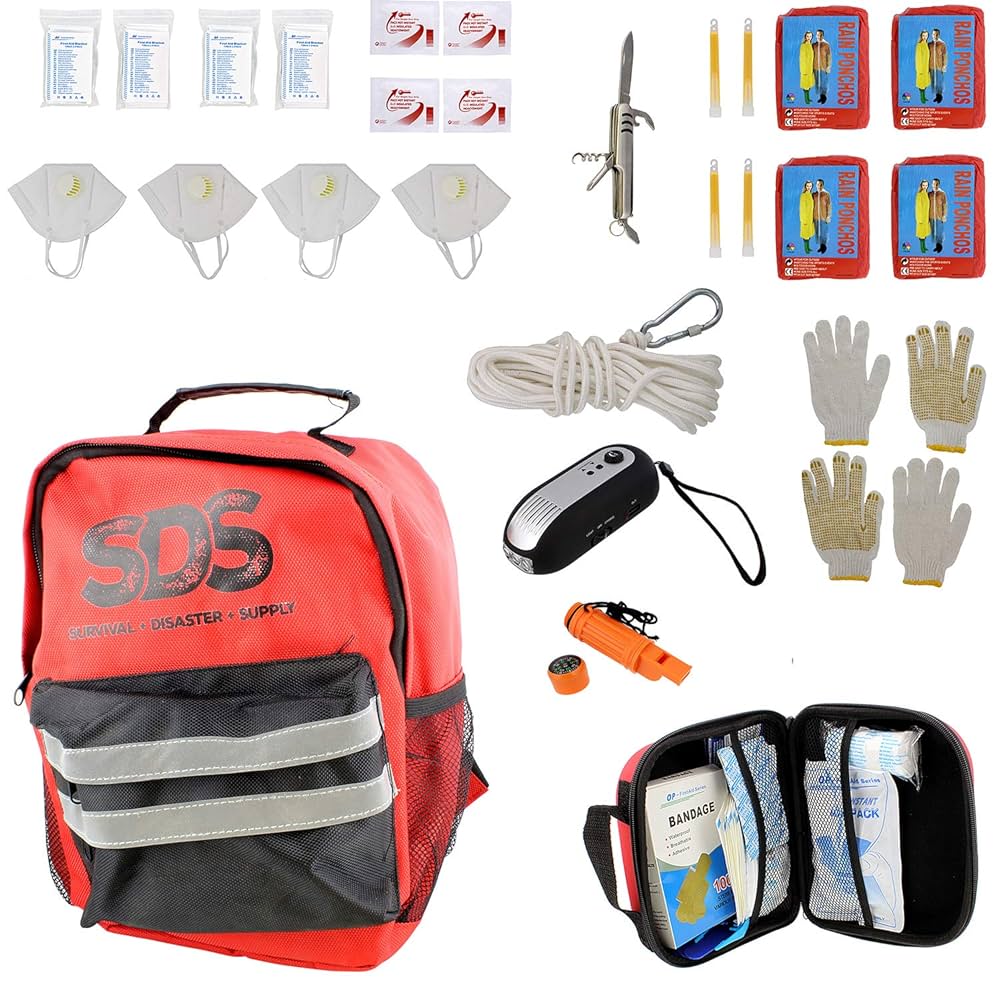
Shelter and warmth items protect from harsh conditions. Inspect tents, blankets, and ponchos for tears or holes. Ensure insulation materials are dry and intact. Replace any worn or damaged items promptly. These components prevent hypothermia and exposure.
Credit: www.ebay.com
Inspection Frequency
Inspection frequency is a crucial factor in keeping your survival kit ready for any aviation emergency. Knowing how often to check your kit ensures that every item functions correctly when you need it most. Skipping or delaying inspections can turn a lifesaving tool into a useless burden.
Routine Checks
Routine checks are your first line of defense against kit degradation. These should happen at regular intervals, such as monthly or quarterly, depending on the manufacturer’s recommendations. During these checks, focus on expiration dates, battery conditions, and the integrity of packaging.
Ask yourself: Are all items dry, intact, and accessible? If you’ve ever found a survival kit with expired water packets or dead batteries, you know how important this step is. Taking just 15 minutes regularly can save you from a critical failure later.
Post-flight Inspections
After each flight, inspect your survival kit carefully. Flights can jostle and shift contents, potentially causing damage or disorganization. Post-flight inspections help you catch any missing or broken items before the next trip.
Make it a habit to check seals, replace used supplies, and reset any tampered components immediately. Think of it as a quick reset that keeps your kit in top shape, ready for any unexpected situation.
Pre-flight Inspections
Pre-flight inspections are your final check before takeoff and should never be overlooked. This is your chance to confirm that everything is in place and functioning perfectly. Double-check critical items like signaling devices, first-aid supplies, and emergency food rations.
Have you ever realized mid-flight that a crucial item was missing or unusable? Pre-flight inspections help prevent that scenario. A thorough scan of your survival kit can give you peace of mind and ensure your safety throughout the journey.
Inspection Procedures
Inspection procedures ensure survival kits in aviation remain reliable and ready. Regular checks help spot damage or missing items. These procedures keep the kit effective during emergencies. Following a clear inspection routine prevents failures and saves lives.
Visual Checks
Start by examining the kit’s exterior and interior. Look for cracks, dents, or water damage. Check if all items are in place and sealed properly. Note any discoloration or corrosion on metal parts. Visual checks catch obvious problems fast.
Functional Testing
Test equipment that requires activation or function. Verify flashlights turn on and radios transmit signals. Open and close containers to ensure easy access. Confirm that tools and devices work as intended. Functional testing confirms readiness beyond just appearance.
Expiration Date Verification
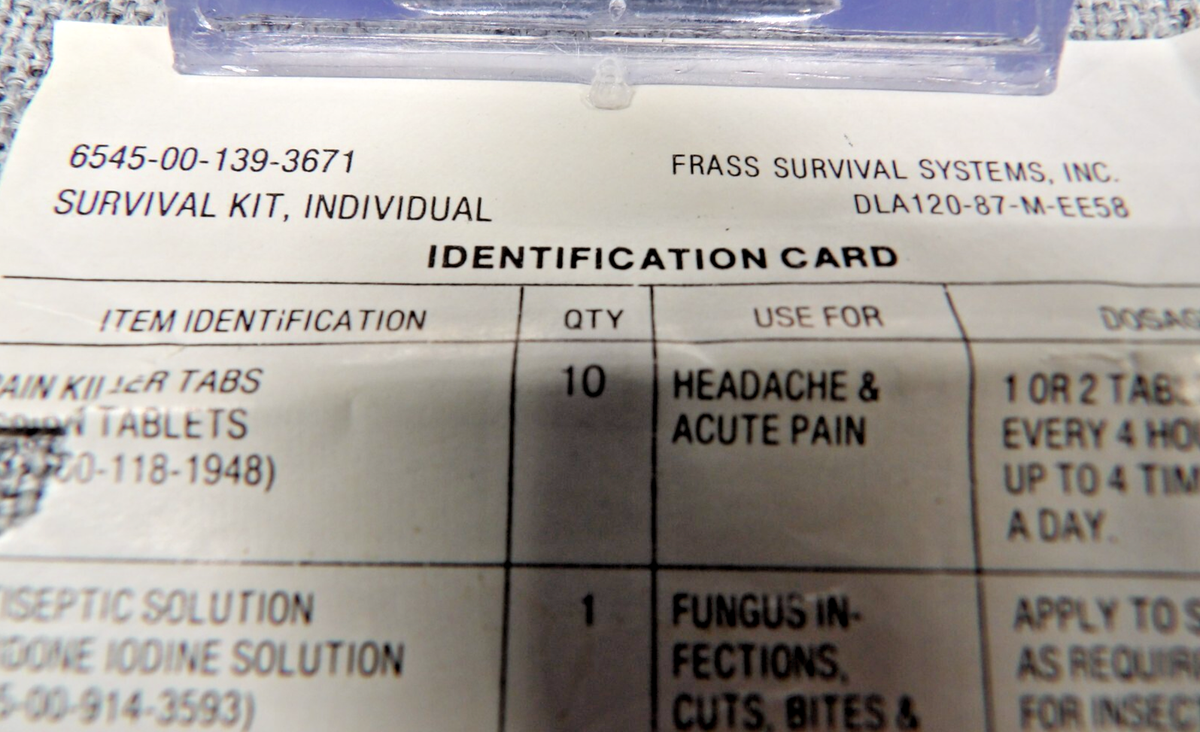
Check each item’s expiration or manufacture date carefully. Remove expired supplies immediately to avoid failure. Replace consumables like batteries, food, and medical supplies on time. Keep a log of expiration dates for easy tracking. Expiration verification maintains the kit’s safety and reliability.
Record Keeping And Documentation
Record keeping and documentation form the backbone of managing the inspection period for a survival kit in aviation. Accurate records ensure every item is checked on time and meets safety standards. Proper documentation helps track the kit’s condition and readiness for emergencies.
Maintaining clear and organized records makes inspections easier to follow. It also supports regulatory compliance and quick audits. Without good documentation, critical updates or replacements might be missed, risking safety and legal issues.
Inspection Logs
Inspection logs provide a detailed history of each survival kit check. They show the date, inspector name, and condition of all items. Logs include notes about damaged or expired contents and actions taken.
These records help identify patterns or recurring issues. They ensure no inspection is skipped or incomplete. Logs must be stored securely and be easy to access for review.
Compliance Tracking
Compliance tracking ensures the survival kit meets aviation regulations. It monitors inspection schedules and confirms all requirements are fulfilled. This tracking prevents fines and operational delays.
Use digital tools or spreadsheets to track compliance dates and deadlines. Alerts and reminders help keep inspections on time. Proper tracking supports safety and regulatory adherence effectively.
Common Challenges
Maintaining a survival kit for aviation is not without its hurdles. The inspection period often reveals several common challenges that can impact the reliability of your kit. Understanding these challenges helps you stay prepared and ensures your survival gear performs when you need it most.
Component Deterioration
Over time, key components in your survival kit can break down. Items like batteries lose charge, food supplies expire, and fabrics weaken. Have you ever opened a kit only to find a crucial item unusable? Regular inspections help catch these issues before they become emergencies.
Environmental Factors
Survival kits face tough conditions during storage and use. Extreme temperatures, humidity, and exposure to sunlight can degrade materials quickly. Think about how a plastic container left in the sun can warp—your kit’s contents face similar risks. Protecting your kit from harsh environments extends its life.
Human Error
Even the best kits fail if not handled correctly. Mistakes like improper packing, skipping inspections, or ignoring expiration dates reduce effectiveness. Have you ever assumed an item was fine without checking? Taking time to verify every component ensures your kit is ready when you need it most.
Best Practices For Maintenance
Maintaining a survival kit for aviation is vital for safety and reliability. Regular checks ensure all items function when needed. Proper maintenance extends the kit’s life and readiness. Following best practices keeps the kit effective and compliant with aviation standards.
Scheduled Replacements
Replace items based on manufacturer guidelines and expiration dates. Consumables like batteries, food, and medical supplies must be swapped out regularly. Keep a log of replacement dates for each component. This practice prevents failures during emergencies.
Proper Storage Conditions
Store the survival kit in a cool, dry place inside the aircraft. Avoid exposure to extreme temperatures and moisture. Use sealed containers to protect items from dust and water damage. Proper storage keeps supplies in good condition and ready to use.
Training For Inspectors
Train inspectors on kit contents and inspection procedures. Ensure they understand expiration dates and damage signs. Regular training improves accuracy and thoroughness during inspections. Well-trained inspectors help maintain kit reliability and compliance.

Credit: www.everand.com
Frequently Asked Questions
What Is The Standard Inspection Period For Aviation Survival Kits?
The standard inspection period for aviation survival kits is typically every 12 months. This ensures all items remain functional and compliant with safety regulations.
Why Is Regular Inspection Important For Survival Kits?
Regular inspection ensures all survival gear is operational and safe. It prevents equipment failure during emergencies and maintains regulatory compliance.
Who Is Responsible For Inspecting Aviation Survival Kits?
Aircraft owners or operators are responsible for inspecting aviation survival kits. They must follow FAA or relevant authority guidelines for inspections and maintenance.
What Items Require Special Attention During Inspections?
Items like water, food, batteries, and first aid supplies need special attention. These can expire or degrade and must be replaced regularly.
Conclusion
Regular inspection keeps your survival kit ready for emergencies. Check items often to ensure they work well. Replace expired supplies to avoid surprises. A good inspection period helps pilots stay safe. Stay aware of guidelines for your specific kit. Simple steps protect lives and improve flight safety.
Don’t delay—inspect your survival kit on time. Safety depends on preparation and routine checks. Keep your kit updated and reliable always.