Imagine facing an emergency without the right medical supplies. How prepared would you feel?
Your safety and well-being depend on having a reliable emergency survival medical kit. Building the ultimate kit isn’t complicated, but it requires knowing exactly what to include. In this guide, you’ll discover the essential items that can make a real difference when every second counts.
Keep reading to learn how to protect yourself and your loved ones when it matters most.

Credit: premierbodyarmor.com
Choosing The Right Container
Choosing the right container for your emergency survival medical kit is more than just picking a box to hold supplies. It sets the foundation for how quickly and efficiently you can access vital items when every second counts. Think about your environment, the size of your kit, and how you plan to carry it—these factors should guide your choice.
Size And Portability
How much space do you realistically need? A container that’s too large can become a burden, while one that’s too small might leave you scrambling for essentials. Aim for a size that fits comfortably in your backpack or vehicle without taking up all the room.
Consider where you’ll carry your kit. If you hike or travel frequently, a compact, lightweight container is crucial. I once carried a bulky box on a day hike, and it slowed me down significantly. Learning from that, I switched to a slim, packable case that fits easily in my daypack.
Waterproof And Durable Materials
Waterproof containers protect your supplies from moisture, which can ruin bandages, medications, and electronics. Look for materials like hard plastic or treated fabrics that withstand rain and accidental spills.
Durability matters too. Your kit might be dropped, crushed, or tossed around during an emergency. Choose a container that can take a beating without breaking open or damaging the contents. Would you trust your kit to survive a fall from a car roof? If not, find something tougher.
Organizational Features
How quickly can you find what you need? Containers with compartments, elastic loops, and clear pockets help keep supplies organized and easy to locate. This can save precious time when you’re under pressure.
Think about your own style—do you prefer everything visible at a glance or neatly packed away? I prefer a system with labeled compartments because it reduces stress during an emergency. Adding small labels or color codes can also help you stay organized and efficient.
Essential Medical Supplies
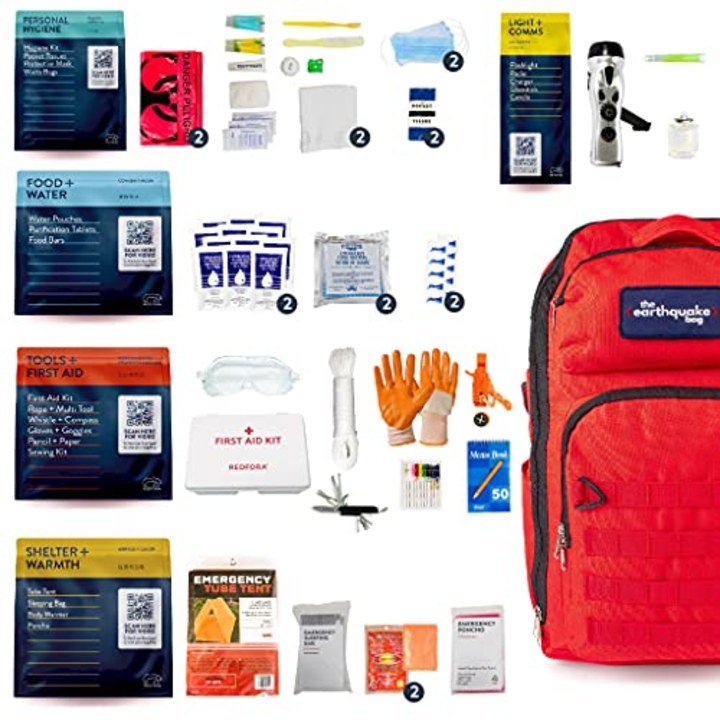
Essential medical supplies form the backbone of any emergency survival medical kit. These items help treat injuries, control pain, and prevent infections during critical moments. A well-stocked kit ensures readiness for various medical situations without needing immediate professional help.
Choosing the right supplies requires focus on basic care and effective tools. Each item serves a purpose in managing wounds, illnesses, or sudden health problems. Prioritize quality and versatility to cover a wide range of emergencies.
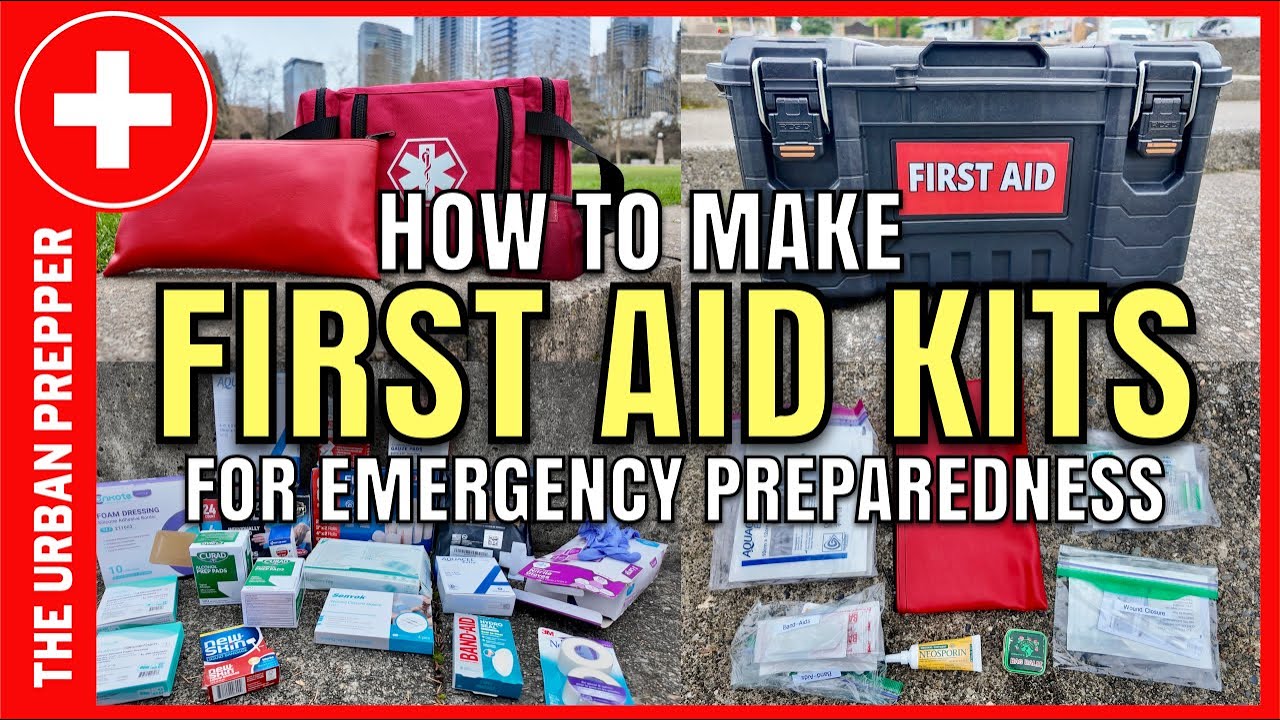
Basic First Aid Items
- Adhesive bandages in multiple sizes
- Sterile gauze pads and rolls
- Antiseptic wipes and solutions
- Medical tape for securing dressings
- Elastic bandages for sprains and strains
- Disposable gloves to maintain hygiene
- Burn cream or gel for skin protection
- Cold packs to reduce swelling
Medications And Pain Relievers
- Painkillers like acetaminophen and ibuprofen
- Antihistamines for allergic reactions
- Antacids to ease stomach discomfort
- Anti-diarrheal medication for digestive issues
- Antibiotic ointments to prevent infections
- Oral rehydration salts to combat dehydration
- Any personal prescription medications
Tools And Instruments
- Sharp scissors for cutting bandages and tape
- Tweezers to remove splinters or debris
- Thermometer to check body temperature
- CPR face shield for safe resuscitation
- Instant cold packs for injuries
- Flashlight with extra batteries for visibility
- Safety pins for securing bandages
Specialized Emergency Gear
Specialized emergency gear can make a significant difference when facing a medical crisis. These items go beyond basic first aid and address specific, serious injuries and conditions. Having the right gear ready helps you respond quickly and effectively, even under pressure.
Trauma Supplies
Trauma supplies are essential for handling severe injuries like deep cuts, fractures, or heavy bleeding. Your kit should include items such as:
- Tourniquets to control life-threatening bleeding
- Chest seals for penetrating chest wounds
- Hemostatic dressings to promote rapid clotting
- Splints to immobilize broken bones
When I once had to stop a friend’s bleeding after a hiking accident, having a tourniquet saved valuable time. Could you stay calm enough to use these tools if someone’s life depended on it?
Burn Care
Burn injuries require special attention to prevent infection and reduce pain. Your survival kit should contain:
- Burn dressings that cool and protect the area
- Non-stick sterile gauze to cover blisters
- Hydrogel pads to soothe the skin
- Antibiotic ointments to reduce infection risk
Burns often worsen without proper treatment. Would you know how to apply these supplies quickly to minimize damage?
Allergy And Anaphylaxis Kits
Severe allergic reactions can escalate rapidly and need immediate action. If you or someone close has allergies, your kit must include:
- Epipen or other auto-injectors for anaphylaxis
- Antihistamines to reduce mild allergic symptoms
- Medical identification information outlining allergies
Having these items ready can be the difference between life and death. Do you have a plan to access and use these kits under stress?
Credit: www.nbcnews.com
Personalizing Your Kit
Personalizing your emergency survival medical kit is essential to ensure it truly meets your unique needs. A one-size-fits-all kit often misses critical items that are vital for your health and well-being during emergencies. Think about what you and your loved ones require on a daily basis and tailor your kit accordingly.
Including Prescription Medications
Prescription medications should be the backbone of your personalized medical kit. Keep at least a week’s supply of any essential drugs, such as blood pressure pills, insulin, or asthma inhalers.
Store these medications in airtight, waterproof containers to protect them from damage. Don’t forget to include copies of prescriptions and a list of your doctors’ contact information for emergencies.
Addressing Family Needs
Every family member has different health requirements, from children to elderly relatives. Include items like baby formula, allergy medications, or hearing aid batteries based on who you’re preparing for.
Ask yourself: what special conditions does each person have? Add supplies accordingly to avoid scrambling during a crisis.
Considerations For Pets
Your pets are part of your family and need care too. Include pet-specific medications, food, and first aid supplies in your kit.
Items like a leash, vaccination records, and a small pet first aid guide can make a big difference if you need to evacuate quickly. Are you ready to treat your pet’s injuries or illnesses on the spot?
Maintenance And Storage Tips
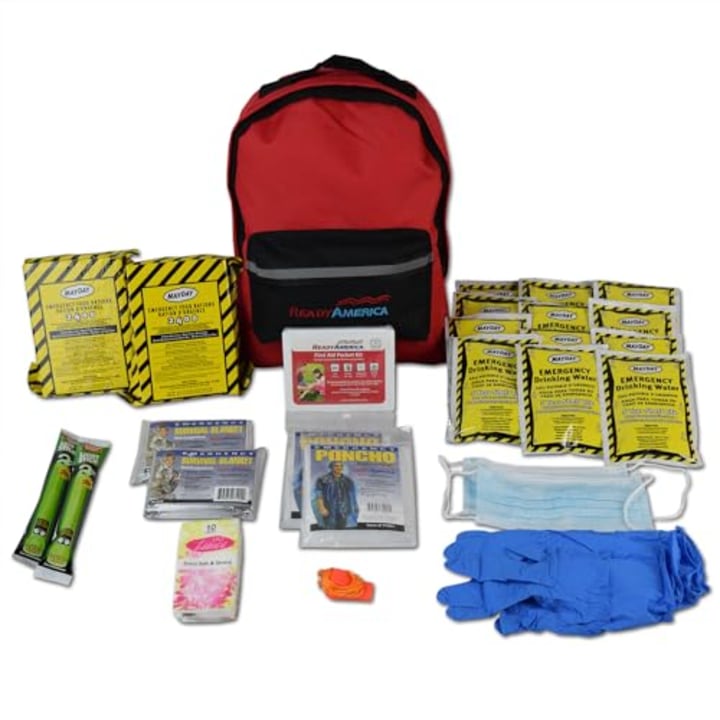
Maintaining and storing your emergency survival medical kit properly keeps it ready for any situation. It helps avoid surprises when you need supplies the most. Regular care extends the life of the kit and ensures everything works well.
Regular Inventory Checks
Check your kit often to confirm all items are present and usable. Look for damaged packaging and missing supplies. Make a list of what needs replacement or refilling. Set a schedule for these checks, such as every three months. This keeps the kit updated and reliable.
Safe And Accessible Storage
Store the kit in a dry, cool place away from sunlight. Avoid areas with high humidity to prevent damage. Keep it where family members can easily reach it. Label the storage spot clearly. Use waterproof containers for added protection against water and dust.
Replacing Expired Items
Check expiration dates on medicines and sterile products regularly. Remove and replace expired items promptly. Keep spare supplies of commonly used items like bandages and pain relievers. Use a checklist to track expiry dates and restock on time. This ensures the kit is always safe and effective.
Credit: www.nbcnews.com
Training And Preparedness
Training and preparedness are the backbone of any effective emergency survival medical kit. Having the right tools is important, but knowing how to use them can save lives. Without proper skills, even the best kit can fall short in a critical moment.
Basic First Aid Skills
Learning basic first aid skills equips you to handle common injuries like cuts, burns, and fractures. You should know how to clean wounds, apply bandages, and recognize signs of infection. These skills are straightforward but can prevent small problems from becoming serious.
Imagine being able to calm someone in pain by simply knowing how to stop bleeding quickly. That confidence comes from practice, not just reading manuals. Have you taken a first aid course recently, or is it time to refresh your knowledge?
Cpr And Emergency Procedures
CPR training is essential for responding to life-threatening emergencies like cardiac arrest. Knowing the right rhythm and technique can keep blood flowing until professional help arrives. Emergency procedures also include learning how to use an AED and when to call for help.
These skills require regular practice to stay sharp. You don’t want to freeze because you forgot a step under pressure. Think about how prepared you would feel if you could act decisively in an emergency—wouldn’t that peace of mind be worth the effort?
Practice Drills
Practice drills simulate real emergencies to test your readiness and improve your reaction time. You can run drills alone or with your family to ensure everyone knows their role. Repetition builds muscle memory, so actions become automatic when it matters most.
- Set up scenarios like choking, severe bleeding, or unconsciousness.
- Time your response and adjust your approach after each drill.
- Include communication steps, such as calling emergency services.
Regular drills help uncover gaps in your knowledge or kit. What mistakes might you make under stress? Would your training hold up if faced with a real emergency right now?
Frequently Asked Questions
What Essential Items Should Be In A Survival Medical Kit?
A survival medical kit must include bandages, antiseptics, pain relievers, tweezers, gloves, and scissors. Include items for wound care and common medical issues. Tailor the kit to specific needs and environments for ultimate readiness.
How Do I Choose The Best Container For My Medical Kit?
Select a durable, waterproof, and compact container for your medical kit. It should be easy to carry and organized with compartments. This ensures protection from damage and quick access during emergencies.
How Often Should I Check And Replace Kit Supplies?
Check your medical kit every six months. Replace expired medications and used items promptly. Regular maintenance ensures your kit remains effective and ready when needed.
Can I Customize My Medical Kit For Specific Emergencies?
Yes, customize your kit based on potential emergencies like natural disasters or hiking trips. Add specialized medications or tools relevant to the situation. Personalizing increases your preparedness and response efficiency.
Conclusion
Building an emergency survival medical kit is essential. It prepares you for unexpected situations. Start by identifying your needs. Gather basic supplies like bandages and antiseptic. Include any personal medications. Regularly check and update your kit. Make sure everything is in good condition.
Store it in an accessible, dry place. Teach family members how to use it. Practice makes perfect. Your preparation ensures safety and peace of mind. With a well-stocked kit, you face emergencies confidently. Protect your loved ones by staying ready.
Act today and build your ultimate survival kit.