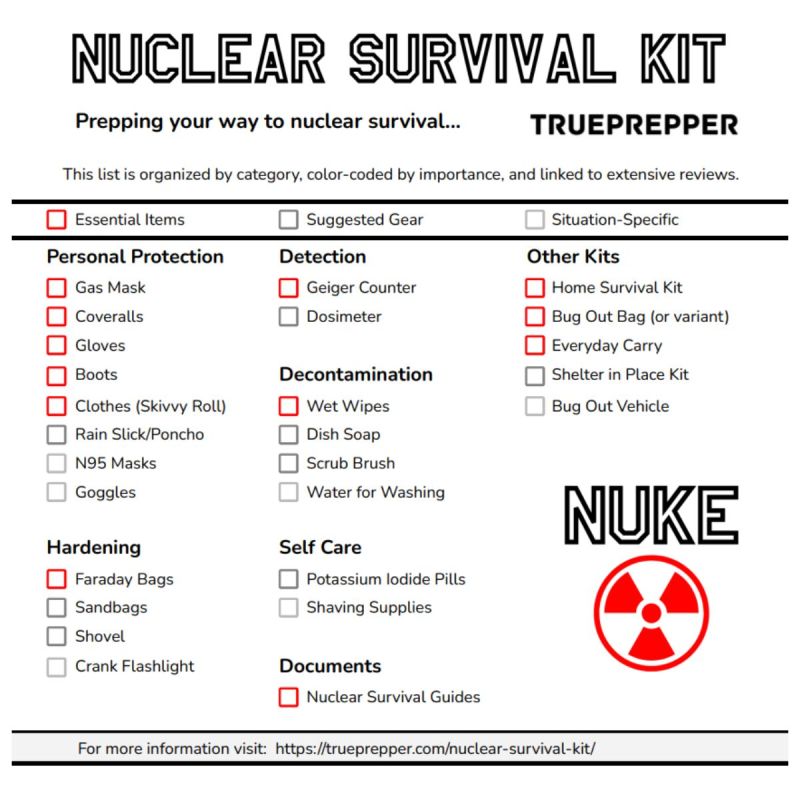
Have you ever wondered what you really need in a survival kit? When an emergency strikes, having the right items can make all the difference between staying safe and facing serious trouble.
You want to be ready for anything—whether it’s a power outage, a natural disaster, or getting lost outdoors. But what exactly should you pack to keep yourself protected and comfortable? Keep reading, and you’ll discover the essential items you must have in your survival kit to stay prepared and confident no matter the situation.
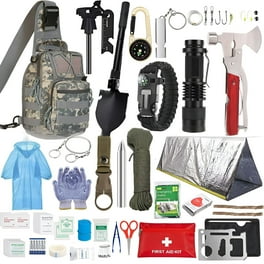
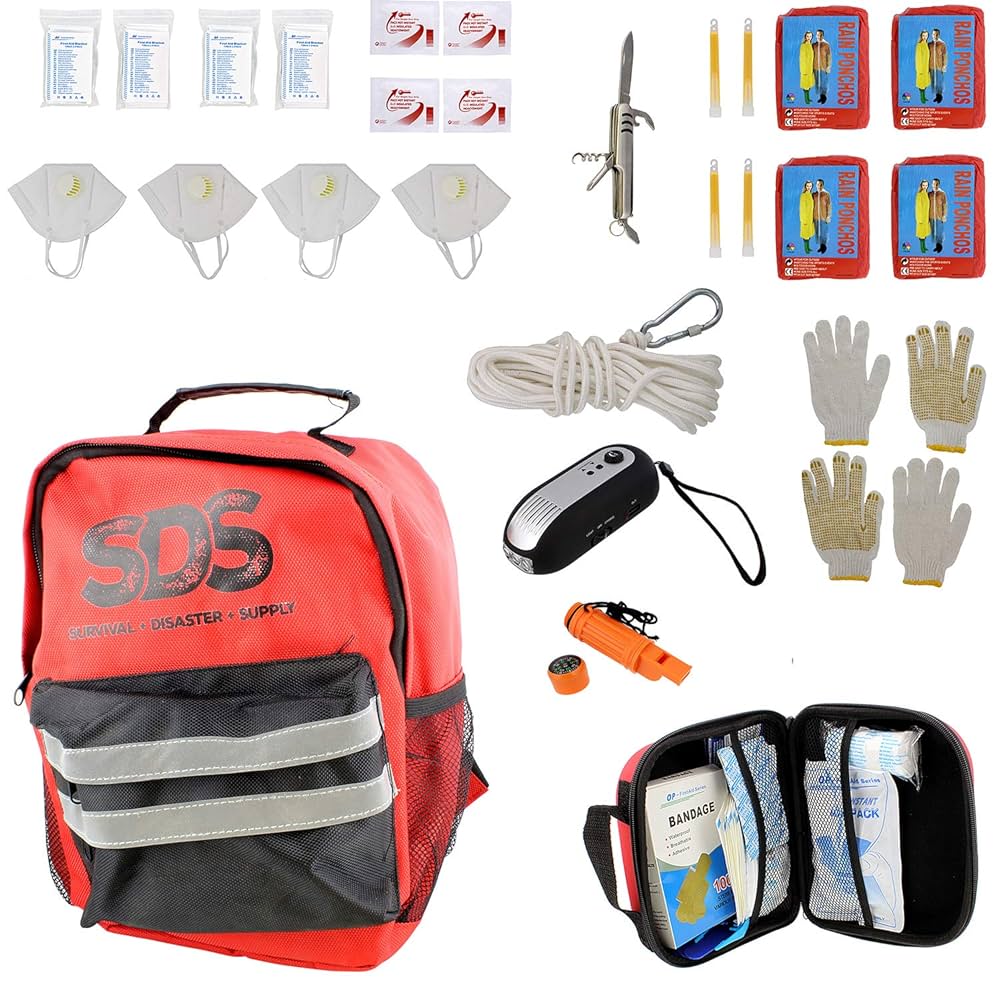
Credit: www.walmart.com
Basic Survival Tools
Basic survival tools form the foundation of any reliable survival kit. These tools help in daily tasks and emergency situations. Carrying the right items can increase your chances of staying safe and comfortable. Each tool serves multiple purposes and saves time during critical moments.
Knife And Multi-tool
A sharp knife is essential for cutting, preparing food, and making shelter. A durable blade handles tough tasks well. A multi-tool adds versatility with pliers, screwdrivers, and scissors. It reduces the need to carry many separate tools. Choose a compact and reliable model.
Fire Starters
Fire is vital for warmth, cooking, and signaling. Carry waterproof matches, a lighter, and a fire steel. These tools work in wet or windy conditions. Fire starters help you build a flame quickly and safely. Store them in a dry and accessible place.
Flashlight And Batteries
A flashlight provides light during dark hours and in enclosed spaces. Choose an LED flashlight for longer battery life and brightness. Carry extra batteries to avoid running out of power. Small, lightweight flashlights fit easily in your survival kit. Always test your light before heading out.

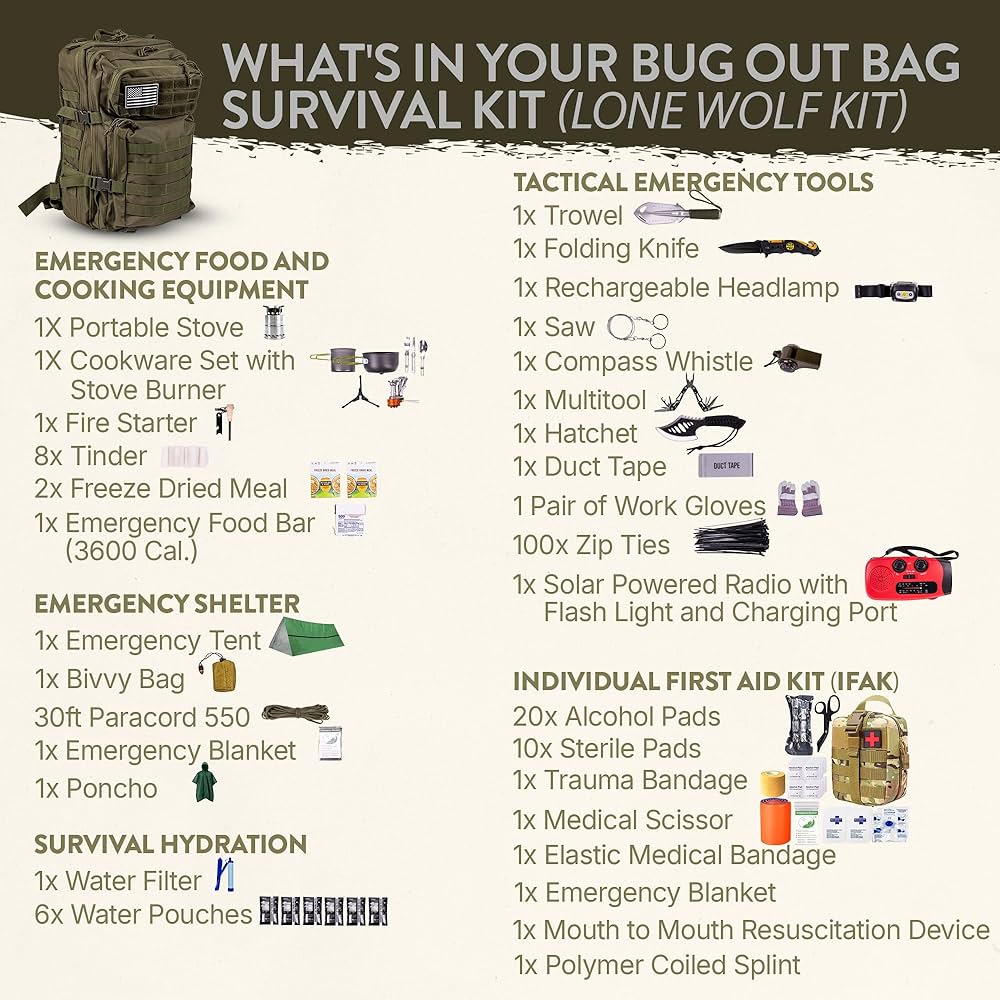
Credit: www.amazon.com
Shelter And Warmth
Keeping yourself protected from the elements is a top priority in any survival situation. Shelter and warmth not only prevent hypothermia but also boost your morale and energy levels. What you choose to include in your survival kit can make a big difference when the temperature drops or weather turns harsh.
Emergency Blanket
Emergency blankets are lightweight, compact, and incredibly effective. They reflect up to 90% of your body heat, helping you stay warm in cold conditions. I once had an emergency blanket during a sudden drop in temperature on a hiking trip, and it kept me surprisingly warm despite the wind chill.
These blankets don’t take up much space, so adding one to your kit is an easy way to improve your chances of staying warm. Keep it accessible because you might need it quickly.
Tarp And Rope
A tarp and rope are versatile tools for creating a quick shelter. You can tie the tarp between trees or over a frame made from sticks to protect yourself from rain, wind, or sun. Think about how a simple tarp saved me during an unexpected storm by keeping the rain off while I waited for help.
Choose a tarp that is durable and waterproof, and pack a strong rope that can handle tension. These items can also be used for other purposes like collecting rainwater or signaling for help.
Extra Clothing
Extra clothing is more than just backup—it’s a way to regulate your body temperature. Pack layers that dry quickly and provide insulation, like wool or synthetic fabrics. Cotton is a poor choice because it holds moisture and cools you down.
Think about your last outdoor adventure when you wished for an extra pair of socks or a warm hat. Those small items can make a huge difference in how comfortable and safe you feel. Always include a hat, gloves, and an additional pair of socks in your survival kit.
Food And Water Supplies
Food and water supplies are the backbone of any survival kit. Without proper nourishment and hydration, your chances of staying safe and alert drop significantly. It’s crucial to pack items that last long, are easy to carry, and can sustain you during emergencies.
Non-perishable Food
Choose foods that won’t spoil quickly and require little or no preparation. Items like canned beans, dried fruits, nuts, and energy bars are excellent because they provide essential nutrients and have a long shelf life.
Think about lightweight options that pack a punch in calories and can be eaten on the go. Have you ever tried freeze-dried meals? They save space and keep well for years, making them a smart addition to your kit.
Water Bottles And Filters
Carrying enough water is vital, but bottles alone won’t solve the problem if your supply runs out. Invest in durable water bottles that can withstand rough conditions and consider collapsible ones to save space.
Filters allow you to safely drink from natural sources like rivers or lakes. A compact, portable filter can be a lifesaver when clean water isn’t readily available.
Water Purification Tablets
Water purification tablets are a lightweight and easy way to kill harmful bacteria and viruses in water. They don’t take up much space and can be a reliable backup when filters aren’t available or practical.
Always keep an eye on the expiration date and follow the instructions carefully to ensure the water is safe to drink. Would you feel confident relying solely on tablets in a survival situation?
First Aid Essentials
First aid essentials form the heart of any survival kit. They help treat injuries quickly and prevent infections. Carrying the right first aid items can make a big difference during emergencies. Focus on items that cover basic wound care, infection control, and pain relief.
Bandages And Dressings
Bandages and dressings protect wounds from dirt and bacteria. Include various sizes of adhesive bandages for small cuts. Sterile gauze pads work well for larger wounds. Elastic bandages help secure dressings and support sprains. Don’t forget adhesive tape to hold everything in place. These items stop bleeding and help wounds heal faster.
Antiseptics And Ointments
Antiseptics clean wounds and kill germs. Alcohol wipes and antiseptic sprays are easy to use. Antibacterial ointments prevent infections and soothe skin. Use ointments on minor cuts, scrapes, and burns. Carry small tubes to save space. Clean wounds quickly to avoid serious problems.
Medications And Tools
Include basic medications like pain relievers and allergy pills. Painkillers ease discomfort from injuries or headaches. Antihistamines reduce allergic reactions. Add tweezers for splinter removal and scissors for cutting tape or clothing. A digital thermometer helps check for fever. Pack disposable gloves to keep hands clean and safe.
Navigation And Communication
Navigation and communication tools are essential in any survival kit because they help you find your way and call for help when needed. Getting lost or being unable to signal for assistance can turn a manageable situation into a dangerous one quickly. Including reliable and easy-to-use navigation and communication items can give you peace of mind and improve your chances of staying safe.
Compass And Maps
A compass is a small but powerful tool that helps you determine direction without relying on technology. Pair it with detailed maps of the area you might be in, and you have a reliable way to navigate even if your phone dies or GPS fails.
Think about the last time you were hiking and your phone battery died. Having a compass and paper map saved me from wandering aimlessly. You don’t need to be an expert; basic skills like reading a map and using a compass can make a big difference.
Whistle And Signal Mirror
When you’re lost or injured, making noise or signaling to rescuers can be critical. A whistle is lightweight and can be heard much farther than your voice, especially in dense forests or rugged terrain.
A signal mirror reflects sunlight to attract attention from miles away. It’s an old but effective tool that doesn’t rely on batteries. Have you ever tried shouting for help? A whistle or mirror can multiply your chances of being found without exhausting your energy.
Emergency Radio
An emergency radio keeps you informed and connected when other communication lines fail. Many models can pick up weather alerts, emergency broadcasts, and even AM/FM stations, giving you vital updates.
Some radios come with hand cranks or solar panels, so you don’t have to worry about batteries running out. Imagine knowing a storm is coming or hearing rescue instructions while you’re off the grid—this knowledge can change how you react and keep you safer.

Credit: www.youtube.com
Personal Hygiene Items
Personal hygiene items keep you clean and healthy in tough situations. They help prevent infections and boost comfort. Staying fresh supports morale and well-being during emergencies. Choose compact, lightweight, and multi-use items for your survival kit.
Sanitary Wipes
Sanitary wipes clean hands and surfaces quickly. They remove dirt, sweat, and germs without water. Pack individually wrapped wipes for easy use and disposal. They are useful for face, hands, and wounds. Choose antibacterial wipes for extra protection.
Toothbrush And Toothpaste
Oral care prevents bad breath and dental problems. A small toothbrush fits easily in your kit. Use travel-sized toothpaste tubes to save space. Brushing removes food particles and bacteria. Keep your mouth fresh and healthy even in emergencies.
Hand Sanitizer
Hand sanitizer kills germs fast without water. Choose a sanitizer with at least 60% alcohol. It reduces the risk of infections from dirty surfaces. Use it before eating or after touching unclean items. Small bottles fit well in any survival kit.
Additional Survival Gear
Additional survival gear adds extra value to your survival kit. These items help solve unexpected problems and keep you safe. They are small but useful tools that increase your chances of staying secure in tough situations.
Such gear supports your basic needs and improves your ability to manage emergencies. Choosing the right pieces can make your kit more reliable and versatile. Keep these essentials in mind for a well-prepared survival kit.
Duct Tape And Paracord
Duct tape fixes almost anything fast. Use it to repair gear, seal wounds, or make shelter. Paracord is strong and useful for tying, climbing, or building traps. Both are lightweight and take little space.
Cash And Identification
Cash helps buy supplies if cards don’t work. Always keep some small bills in your kit. Identification proves who you are and aids in emergencies. Carry a copy of your ID and important papers.
Notepad And Pen
A notepad and pen let you write messages or keep notes. You can record important information or leave signs for rescuers. Choose a small, waterproof notebook and a reliable pen.
Frequently Asked Questions
What Are The Essential Items In A Survival Kit?
Essential survival kit items include water, food, first aid supplies, a knife, fire starters, and a flashlight. These basics help you stay hydrated, nourished, and safe during emergencies. Packing these ensures readiness for most survival situations.
How Much Water Should A Survival Kit Contain?
A survival kit should have at least one liter of water per person per day. Water is critical for hydration and health. Carrying portable water purification tools is also recommended to ensure a safe water supply.
Why Include A First Aid Kit In A Survival Kit?
A first aid kit helps treat injuries and prevent infections during emergencies. It should include bandages, antiseptics, pain relievers, and any personal medications. This kit is vital for immediate medical care when professional help is unavailable.
What Food Types Are Best For Survival Kits?
Non-perishable, high-calorie foods like energy bars, dried fruits, nuts, and canned goods are ideal. These foods provide long-lasting energy and nutrition. They are easy to store and consume during emergencies.
Conclusion
Packing a survival kit is crucial for safety. Essentials include water, food, and a first-aid kit. Tools like a flashlight and knife are vital. Include warm clothing and a blanket for warmth. Matches and a whistle can help in emergencies.
A map and compass guide your way. Keep personal items like medications handy. Remember, a well-packed kit saves lives. Prioritize quality over quantity. Regularly check and update your supplies. Stay prepared, stay safe.