Have you ever wondered if your guinea pig can handle chilly days outside? If you’re worried about your furry friend shivering or getting sick when the temperature drops, you’re not alone.
Guinea pigs are delicate creatures, and cold weather can be a real challenge for them. But don’t worry—knowing the right facts and tips can help you keep your pet safe and comfortable no matter the season. Keep reading to discover what you need to do to protect your guinea pig when the cold sets in.

Credit: guineapigsaustralia.com.au
Guinea Pig Temperature Needs
Understanding your guinea pig’s temperature needs is key to keeping it healthy and happy. These small animals are sensitive to cold and heat, so knowing the right environment helps you prevent stress and illness. Let’s look at what temperature range is ideal and what happens if your guinea pig is exposed to cold weather.
Ideal Temperature Range
Guinea pigs thrive best in temperatures between 65°F and 75°F (18°C to 24°C). Temperatures below 60°F (15°C) can start to cause discomfort and health risks. Above 80°F (27°C), they may suffer from heat stress.
Keep their living space draft-free and away from sudden temperature changes. If you live in a colder climate, consider using a small pet-safe heating pad or extra bedding to keep them warm. Have you checked your guinea pig’s cage temperature recently?
Effects Of Cold Exposure
Cold weather can be dangerous for guinea pigs because they cannot regulate their body temperature well. If they get too cold, they may develop hypothermia, which can be life-threatening.
Signs of cold stress include shivering, lethargy, and loss of appetite. If you notice these, act quickly by warming them up gradually and consulting a vet.
Cold exposure can also weaken their immune system, making them more prone to respiratory infections. Protect your guinea pig by ensuring they stay warm and dry, especially during winter months. How do you make sure your pet stays cozy when the temperature drops?

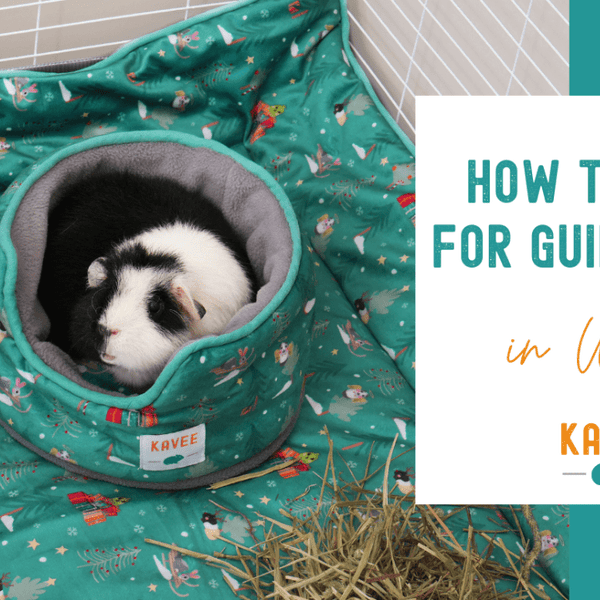
Credit: kavee.com
Signs Of Cold Stress
Recognizing the signs of cold stress in your guinea pig is crucial to keep it safe during chilly weather. Guinea pigs are sensitive creatures that can quickly suffer if their environment becomes too cold. Paying attention to subtle changes can help you act before the situation worsens.
Behavioral Changes
Your guinea pig may act differently when feeling cold stress. It might huddle more than usual, trying to conserve warmth by curling into a tight ball.
Look for reduced activity or reluctance to move around. A normally curious pet might become withdrawn or hide more often.
Notice if your guinea pig stops eating or drinking as much. This behavior can signal discomfort caused by cold.
Physical Symptoms
Physical signs often include shivering, which is a clear indicator that your guinea pig is too cold. You might also see pale or bluish skin, especially around the ears and nose.
Check if your guinea pig’s fur looks ruffled or wet; damp fur loses insulating ability and increases cold stress.
Another sign is slow breathing or lethargy, which means your pet’s body is struggling to maintain normal functions in the cold.
Creating A Warm Habitat
Creating a warm habitat for a guinea pig is essential during cold weather. Guinea pigs cannot tolerate low temperatures well. Their small size and thin fur make them vulnerable to cold stress. A cozy environment helps keep them healthy and comfortable. It also prevents illnesses caused by chilly conditions.
Insulation Techniques
Proper insulation keeps the guinea pig’s living area warm. Use thick bedding like hay or fleece to trap heat. Place extra blankets around the cage, but not inside where they might chew them. Position the cage away from drafts and cold walls. Cover the cage with a breathable cloth at night to hold warmth. Avoid plastic covers that block air circulation. A small insulated shelter inside the cage provides a safe retreat. Check regularly that insulation materials stay dry and clean.
Safe Heating Options
Heating devices can help maintain a steady temperature. Use a low-wattage heating pad designed for small animals. Place the pad under half of the cage floor, allowing the guinea pig to move away if it gets too warm. Avoid heat lamps or electric blankets directly inside the cage. They can overheat or cause burns. Warm water bottles wrapped in towels make gentle heat sources. Always monitor the temperature to keep it between 65°F and 75°F (18°C to 24°C). Safety is key to prevent accidents and discomfort.
Diet Adjustments In Cold Weather
Adjusting your guinea pig’s diet during cold weather is crucial to help them maintain energy and warmth. Cold temperatures can increase their calorie needs, so tweaking their food and water intake supports their overall health. Let’s look at the key diet changes to keep your furry friend comfortable and thriving.
Nutritional Needs
Your guinea pig needs more calories in the cold to keep their body temperature steady. Adding extra hay is a simple way to boost fiber and calories without upsetting their digestion. You can also offer small amounts of fresh vegetables rich in vitamin C, like bell peppers or kale, to support their immune system.
Have you noticed your guinea pig eating less when it’s cold? Sometimes, they eat less due to lower activity levels, so offering favorite treats can encourage them to eat enough. Avoid sudden changes to their diet, as this can cause digestive problems.
Hydration Tips
Water is just as important in cold weather as in warm seasons. Your guinea pig might drink less if their water gets too cold, so using a water bottle with a cover or a heated base can help keep it fresh and drinkable.
Try offering room temperature water to encourage consistent drinking. You can also provide fresh veggies with high water content, like cucumber or lettuce, to help with hydration. Keeping your guinea pig well-hydrated supports digestion and overall health, especially when it’s chilly outside.
Exercise And Activity
Exercise and activity are vital for your guinea pig’s health, especially during colder months. Staying active helps maintain their body warmth and keeps their muscles strong. But cold weather can make outdoor play risky, so you need to find smart ways to keep your pet moving safely.
Maintaining Mobility Indoors
Since cold weather limits outdoor time, create a safe indoor space for your guinea pig to roam. Use soft blankets, tunnels, and toys to encourage exploration and play.
Set up a daily routine with short play sessions to keep them engaged. You might notice your guinea pig becomes more lively with regular indoor exercise, which also helps prevent weight gain.
Have you tried building a small obstacle course? Even simple changes can spark curiosity and activity.
Safe Outdoor Time
If you want your guinea pig to enjoy fresh air, limit outdoor time to when it’s warmest during the day. Always supervise closely and use a secure, sheltered area free from drafts.
Consider placing their playpen on a sunny spot to maximize warmth. Bring along a cozy blanket to wrap them up quickly if they seem cold.
Watch for signs like shivering or reluctance to move—these mean it’s time to head back inside. Your guinea pig’s comfort should always come first.

Credit: www.reddit.com
Emergency Care For Cold Exposure
Cold exposure can be dangerous for your guinea pig, and knowing how to act quickly can save its life. Guinea pigs are sensitive to low temperatures and can develop hypothermia if they get too cold. Emergency care involves immediate action to warm them safely and monitor their condition closely.
First Aid Steps
If you notice your guinea pig shivering, lethargic, or cold to the touch, start warming them right away. Wrap your pet in a soft towel or blanket to trap body heat. Avoid direct heat sources like heating pads or hot water bottles, as these can cause burns.
Place a warm (not hot) water bottle wrapped in a cloth near your guinea pig to provide gentle warmth. You can also hold your pet close to your body to share warmth. Make sure the environment is draft-free and quiet to reduce stress.
Offer your guinea pig some lukewarm water or fresh vegetables to help maintain hydration and energy. Keep an eye on their breathing and activity levels as they warm up. If they become more alert and start moving, that’s a good sign, but stay cautious.
When To Seek Vet Help
Knowing when to get professional help can be tricky, but certain signs mean you should visit your vet immediately. If your guinea pig remains weak, shivers uncontrollably, or stops eating and drinking, these are red flags.
Difficulty breathing, pale or blue gums, and unresponsiveness are emergency symptoms. Don’t wait if you see any of these; cold exposure can quickly become life-threatening. Your vet may provide oxygen therapy, fluids, or other treatments to stabilize your pet.
Remember, guinea pigs hide illness well, so trust your instincts. If your pet isn’t acting like its usual self after warming up, a vet check is crucial. What would you do if your guinea pig suddenly became cold and still seemed unwell after your first aid?
Frequently Asked Questions
Can Guinea Pigs Tolerate Cold Temperatures?
Guinea pigs struggle in cold temperatures and can experience stress or health issues. They prefer environments between 65-75°F (18-24°C). Providing a warm, draft-free habitat with plenty of bedding is crucial. If temperatures drop, consider using safe heating pads or extra blankets to keep them comfortable.
What Temperature Is Too Cold For Guinea Pigs?
Temperatures below 60°F (15°C) are too cold for guinea pigs and can lead to health problems. Prolonged exposure to cold can cause respiratory issues or hypothermia. Always monitor their living space and ensure it remains within the ideal temperature range for their safety and well-being.
How Can I Keep My Guinea Pig Warm?
To keep your guinea pig warm, provide plenty of bedding material like hay or fleece. Consider using a safe pet heating pad or heat lamp. Ensure their habitat is away from drafts and cold windows. Regularly check their environment to maintain a stable, comfortable temperature.
Do Guinea Pigs Need Extra Care In Winter?
Yes, guinea pigs require extra care in winter to prevent cold-related health issues. Ensure their cage is draft-free and insulated. Provide additional bedding for warmth and monitor their temperature closely. Regularly check for signs of illness and adjust their environment as needed to keep them comfortable.
Conclusion
Guinea pigs do not handle cold weather well. They need warm, dry places to stay safe. Cold can make them sick quickly. Keep their cage inside during winter months. Use soft bedding to help keep heat. Watch for signs of cold stress every day.
Taking simple steps protects your pet’s health. Warmth and care help guinea pigs live happily. Always provide a cozy home for your furry friend.