Are you worried about your aloe vera plant when the cold weather hits? You’re not alone.
Aloe vera is known for its healing properties and easy care, but cold temperatures can be tricky for this popular succulent. If you want to keep your aloe healthy and thriving, it’s important to understand how cold weather affects it and what you can do to protect it.
You’ll discover whether aloe vera can survive the chill and learn simple tips to help your plant stay strong all year round. Keep reading—your aloe will thank you!
Aloe Vera’s Natural Habitat
Aloe vera thrives in warm, dry climates. Its natural habitat shapes how it grows and survives. Understanding this habitat helps us know if aloe vera can handle cold weather.
Aloe vera is native to arid regions. These areas have hot days and cool nights. Rainfall is low but often seasonal. The plant stores water in thick leaves to survive droughts.
These conditions mean aloe vera prefers temperatures above freezing. It grows best in places where winter stays mild. Frost can damage or kill the plant quickly.
Aloe Vera’s Origin And Climate
Aloe vera comes from the Arabian Peninsula. It also grows in parts of North Africa and India. These regions have sunny, dry weather most of the year. Winters rarely drop below 50°F (10°C).
Soil And Water Conditions
The soil in aloe vera’s habitat is sandy or rocky. It drains water fast, preventing root rot. Rain is scarce but enough to keep aloe alive. Too much water harms the plant.
How Aloe Vera Adapts To Heat
- Thick leaves store water for dry spells
- Waxy coating reduces moisture loss
- Roots spread wide to absorb scarce water
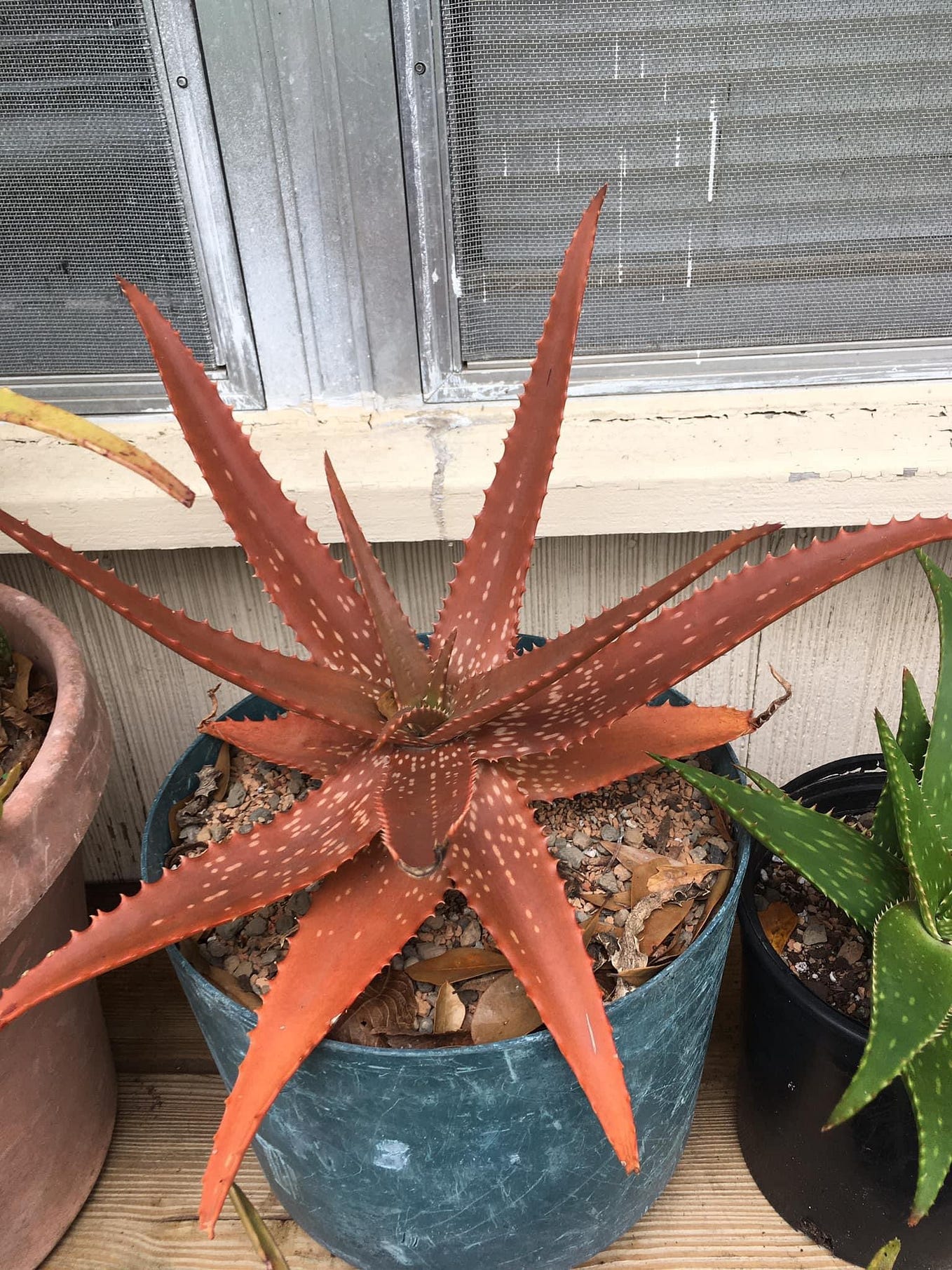
This natural design helps aloe survive harsh heat but not extreme cold.
Credit: aloehoarder.medium.com
Impact Of Cold Weather On Aloe Vera
Aloe vera is known for its resilience and healing properties, but cold weather presents a unique challenge to this succulent. Understanding how low temperatures affect aloe vera can help you protect your plant during chilly months. Let’s dive into the impact cold weather has on aloe vera and what signs to watch for.
How Cold Temperatures Affect Aloe Vera Cells
Aloe vera stores water in its thick leaves, which makes it vulnerable to freezing. When temperatures drop below 50°F (10°C), the water inside the leaves can start to freeze, causing cell walls to rupture. This results in brown, mushy spots on the leaves—an early sign of cold damage.
Have you ever noticed your aloe’s leaves turning soft and discolored after a cold night? That’s exactly what’s happening at the cellular level. Protecting your aloe from frost is crucial because once the cells are damaged, the leaves may never fully recover.
Signs Of Cold Stress In Aloe Vera
- Leaf discoloration:Leaves turn pale green, yellow, or brown.
- Soft, mushy texture:Leaves lose firmness and become watery.
- Leaf curling or wilting:Aloe appears droopy or shrunken.
If you spot these signs, it’s a clear signal that your aloe needs immediate care. Moving it indoors or providing insulation can stop further damage.
How Cold Weather Slows Aloe Vera Growth
Cold temperatures slow down aloe vera’s metabolism and water absorption. This means your plant will grow very slowly or stop growing altogether during cold spells. You might notice fewer new leaves or no growth at all until the temperature rises.
Consider this: If your aloe isn’t growing, it’s not necessarily unhealthy—it could just be in a survival mode. Adjust your care routine by reducing watering and keeping the plant in a warmer spot to support recovery.
Signs Of Cold Damage
Aloe vera plants are sensitive to cold temperatures. Cold damage can harm their leaves and overall health. Recognizing signs early helps in saving your plant. It also guides proper care during cold spells.
Leaf Discoloration
Cold damage often causes leaves to change color. Leaves may turn dark green, brown, or black. This discoloration shows the plant cells are injured. Check leaves regularly during cold weather.
Soft Or Mushy Leaves
Leaves become soft or mushy when damaged by cold. This happens because freezing breaks plant cell walls. Affected leaves feel wet or slimy to touch. Removing these leaves can prevent spread of decay.
Leaf Curling Or Shriveling
Cold stress can make aloe leaves curl or shrivel. The plant tries to conserve water in low temperatures. This curling is a clear sign of cold damage. Watch for shriveled tips or edges on leaves.
Blackened Or Frostbitten Tips
Tips of leaves may turn black or appear frostbitten. This damage is caused by ice crystals forming inside cells. The blackened tips dry out and die. Cutting off damaged tips supports plant recovery.
Slow Growth Or Plant Wilting
Cold damage slows down aloe vera growth. The plant may wilt or droop because of stress. New leaves may stop forming or grow very slowly. Provide warmth to encourage healthy growth again.
Credit: www.theguardian.com
Preparing Aloe Vera For Cold Seasons
Preparing aloe vera for cold seasons requires careful steps. Aloe vera is sensitive to frost and cold temperatures. Protecting it helps the plant stay healthy and survive winter. Start preparing well before the first frost arrives. This gives aloe vera time to adapt and reduces shock.
Moving aloe vera indoors is a common way to protect it. If keeping it outside, extra care is necessary. Proper watering, sunlight, and shelter play key roles. These actions prepare aloe vera for cold weather and help it thrive.
Choosing The Right Location
Select a warm, bright spot for aloe vera during cold months. Avoid drafty areas or places near windows that get cold at night. A south-facing window often works best. This location provides enough sunlight and warmth. Keep aloe vera away from heaters or vents to prevent drying out.
Adjusting Watering Routine
Aloe vera needs less water in cold weather. Overwatering can cause root rot in chilly conditions. Water the plant only when the soil feels dry to the touch. Make sure the pot has good drainage to avoid standing water. Reduce watering frequency to once every three to four weeks during winter.
Using Protective Coverings
Cover aloe vera with frost cloth or garden fabric outdoors. This layer keeps frost away and traps warmth. Avoid plastic sheets as they can trap moisture and cause mold. Remove coverings during the day to allow sunlight and airflow. Use mulch around the base to keep soil temperature stable.
Monitoring Temperature Changes
Keep an eye on weather forecasts for frost warnings. Bring aloe vera indoors before temperatures drop below 50°F (10°C). Use a thermometer near the plant to check the environment. Sudden cold snaps can harm aloe vera, so timely action is crucial. Maintain indoor temperatures between 55°F and 80°F for best growth.
Indoor Care Strategies
Keeping aloe vera healthy indoors during cold weather needs careful attention. Aloe vera plants need warmth and light to thrive inside your home. You must create a cozy environment that mimics their natural habitat. This section covers key ways to care for aloe vera indoors in cold months.
Choosing The Right Spot
Place aloe vera near a window with plenty of sunlight. South or west-facing windows are best for bright, indirect light. Avoid spots with direct harsh sunlight that can burn leaves. Keep the plant away from drafts or cold air from windows and doors. A stable spot with good light and no sudden temperature changes works well.
Maintaining Optimal Temperature
Aloe vera prefers temperatures between 55°F and 80°F (13°C to 27°C). Keep the plant away from heaters or radiators that dry out the air. Use a thermometer to monitor room temperature if needed. At night, avoid letting temperatures drop below 50°F (10°C). Consistent warmth helps aloe vera stay healthy and grow indoors.
Outdoor Protection Techniques
Protecting your aloe vera plant outdoors during cold weather is essential to keep it healthy and thriving. Aloe vera is sensitive to frost and freezing temperatures, so taking the right steps can make a big difference. Let’s look at some practical ways to shield your plant from the cold.
Using Covers And Insulation
Covering your aloe vera at night can prevent frost damage. Use breathable fabrics like frost cloths or old bed sheets to allow air circulation while trapping heat.
Avoid plastic covers directly on the plant, as they can trap moisture and cause rot. Instead, create a tent-like structure with stakes to keep the cover from touching the leaves.
Adding insulation at the base, such as mulch or straw, helps protect the roots from freezing. This simple step can be a game-changer, especially if you’ve seen your aloe struggle during cold snaps.
Positioning For Maximum Sunlight
Where you place your aloe outdoors affects how well it handles cold. Position it in a spot that gets plenty of sunlight throughout the day, as warmth from the sun will naturally protect it.
South-facing walls or areas near heat-absorbing surfaces like concrete can provide extra warmth. Have you noticed how your aloe perks up when it catches more sun? That warmth is exactly what it needs to survive chilly days.
Try to avoid windy spots, as cold winds can lower the temperature around the plant and increase stress. Shielding your aloe with a windbreak or moving it closer to a sheltered area can improve its chances of thriving outdoors.
Watering And Soil Considerations
Watering and soil play crucial roles in helping your aloe vera survive cold weather. The plant’s ability to handle chilly temperatures depends largely on how you manage these two factors. Adjusting your approach can prevent root rot and stress, keeping your aloe healthy even when the mercury drops.
Adjusting Watering Frequency
Aloe vera needs much less water in cold weather than during warm months. Overwatering in cold conditions can cause the roots to stay wet and rot quickly. You should water your plant only when the soil feels completely dry to the touch.
Try checking the soil every few days instead of sticking to a rigid schedule. This simple change helped my aloe survive a surprisingly cold winter with no issues. Have you noticed how your plant responds when you hold off watering longer?
Ensuring Proper Drainage
Good drainage is a must to keep aloe vera roots healthy. Use pots with drainage holes to let excess water escape easily. If your aloe sits in soggy soil, cold weather will increase the risk of root rot.
Adding materials like perlite or coarse sand to your potting mix improves soil drainage. This change made a big difference for my aloe, especially during unexpected cold snaps. Are you confident your soil mix allows water to flow out quickly enough?

Credit: greg.app
Reviving Cold-damaged Aloe Vera
Cold weather can leave your aloe vera looking sad and damaged. But don’t give up on your plant just yet. With the right care, you can bring it back to life and enjoy its vibrant green leaves once again.
Pruning Damaged Leaves
Start by cutting away any leaves that look brown, mushy, or dried out. Removing damaged leaves helps the plant focus energy on healthy growth. Use clean, sharp scissors to make smooth cuts close to the base of the leaf.
Be careful not to remove too many leaves at once. Your aloe needs some leaves to keep photosynthesizing and producing food. Think about pruning in stages if a lot of damage has occurred.
Encouraging New Growth
After pruning, your aloe vera needs the right environment to bounce back. Place it where it gets bright, indirect sunlight—too much direct sun can stress the plant further. Keep the soil lightly moist but never soggy to prevent root rot.
Have you tried feeding your aloe with a diluted succulent fertilizer? This can stimulate new leaves to emerge. Watch closely for new pups, which signal that your aloe is recovering well.
Common Mistakes To Avoid
Understanding the common mistakes people make with aloe vera in cold weather can save your plant from unnecessary stress or even death. Many assume aloe vera is as tough as it looks, but cold temperatures can be a real threat if you’re not careful. Avoiding these pitfalls will help your aloe stay healthy and vibrant despite the chill.
Ignoring Temperature Thresholds
Aloe vera can’t handle frost or freezing temperatures. If you leave it outside when temperatures drop below 50°F (10°C), you risk damaging the leaves and roots. Have you checked the forecast recently? Bringing your plant indoors or providing adequate protection during cold snaps is critical.
Overwatering In Cold Weather
Watering aloe vera like you do in summer can be fatal during cold months. The plant’s growth slows down, reducing its water needs drastically. Too much water combined with cold soil causes root rot. Are you adjusting your watering routine to the season?
Failing To Provide Proper Drainage
Cold weather slows evaporation, so water can sit longer around the roots. Without good drainage, this leads to soggy soil and root problems. Using pots with drainage holes and well-draining soil is essential. Have you checked if your pot allows excess water to escape?
Neglecting To Use Protective Covers
Many skip using frost cloths or covers thinking aloe vera can tough it out. Even brief exposure to frost can cause leaf discoloration and damage. Covering your plant during cold nights can make a huge difference. Do you have a lightweight fabric handy to protect it?
Placing Aloe Vera In Low Light Indoors
Moving aloe indoors is necessary, but placing it in a dark corner is a common mistake. Aloe vera needs bright, indirect light to survive indoors. Without enough light, it becomes weak and leggy. Where do you plan to put your aloe inside?
Frequently Asked Questions
Can Aloe Vera Tolerate Freezing Temperatures?
Aloe vera is sensitive to freezing temperatures below 32°F (0°C). Prolonged exposure to frost can damage or kill the plant. It thrives best in temperatures above 50°F (10°C). Protect aloe vera indoors or with coverings during cold weather to ensure survival.
How To Protect Aloe Vera In Cold Weather?
To protect aloe vera from cold, bring it indoors or place it in a greenhouse. Use frost cloths or blankets to cover outdoor plants. Avoid watering before frost to reduce ice damage. Ensure good drainage to prevent root rot in cold conditions.
What Is The Ideal Temperature For Aloe Vera Growth?
Aloe vera grows best between 55°F and 80°F (13°C to 27°C). Temperatures below 50°F (10°C) slow growth, and frost can be fatal. Maintaining warm, dry, and sunny conditions helps aloe vera thrive year-round.
Can Aloe Vera Survive Outdoors In Winter?
Aloe vera generally cannot survive harsh winters outdoors in cold climates. It needs protection or indoor relocation when temperatures drop below 40°F (4°C). In milder climates, it may survive if sheltered from frost and excessive moisture.
Conclusion
Aloe vera struggles in cold weather but can survive with care. Protect it from frost by moving it indoors or covering it. Use pots to bring plants inside during winter months. Water less often to avoid root damage in cold.
Watch for signs of cold stress, like browning leaves. With simple steps, aloe vera can live through chilly days. Keep your plant healthy by adjusting its environment as seasons change. Small efforts help aloe vera stay strong and vibrant year-round.


