If you or someone you care about has a food allergy, you know how frightening a sudden reaction can be. When symptoms start to appear, every second counts.
You might wonder, can an emergency inhaler help with a food allergic reaction? Understanding this could make all the difference in staying safe and calm during a crisis. Keep reading to discover what role an inhaler plays—and what you need to do to protect yourself or your loved ones when allergies strike.
Food Allergic Reactions
Food allergic reactions can catch you off guard, especially if you’re unsure how your body will respond. These reactions happen when your immune system mistakes a harmless food protein as a threat and triggers a defensive response. Understanding what causes these reactions and how severe they can be is essential to managing your safety and health.
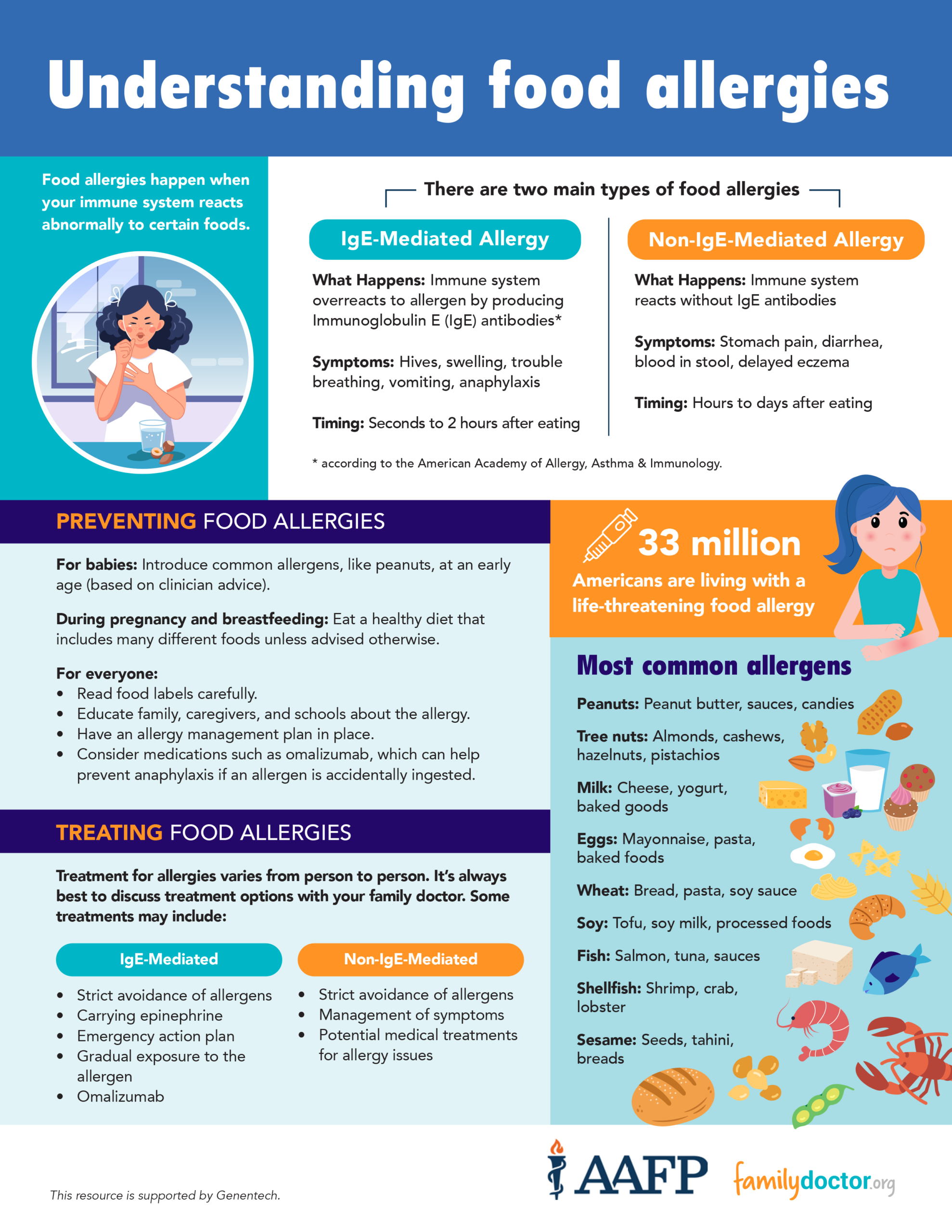
Common Triggers
Certain foods are more likely to cause allergic reactions. These include:
- Peanuts and tree nuts
- Shellfish and fish
- Milk and eggs
- Wheat and soy
Even trace amounts can provoke a reaction, so vigilance is key. Have you checked food labels carefully today?
Symptoms And Severity
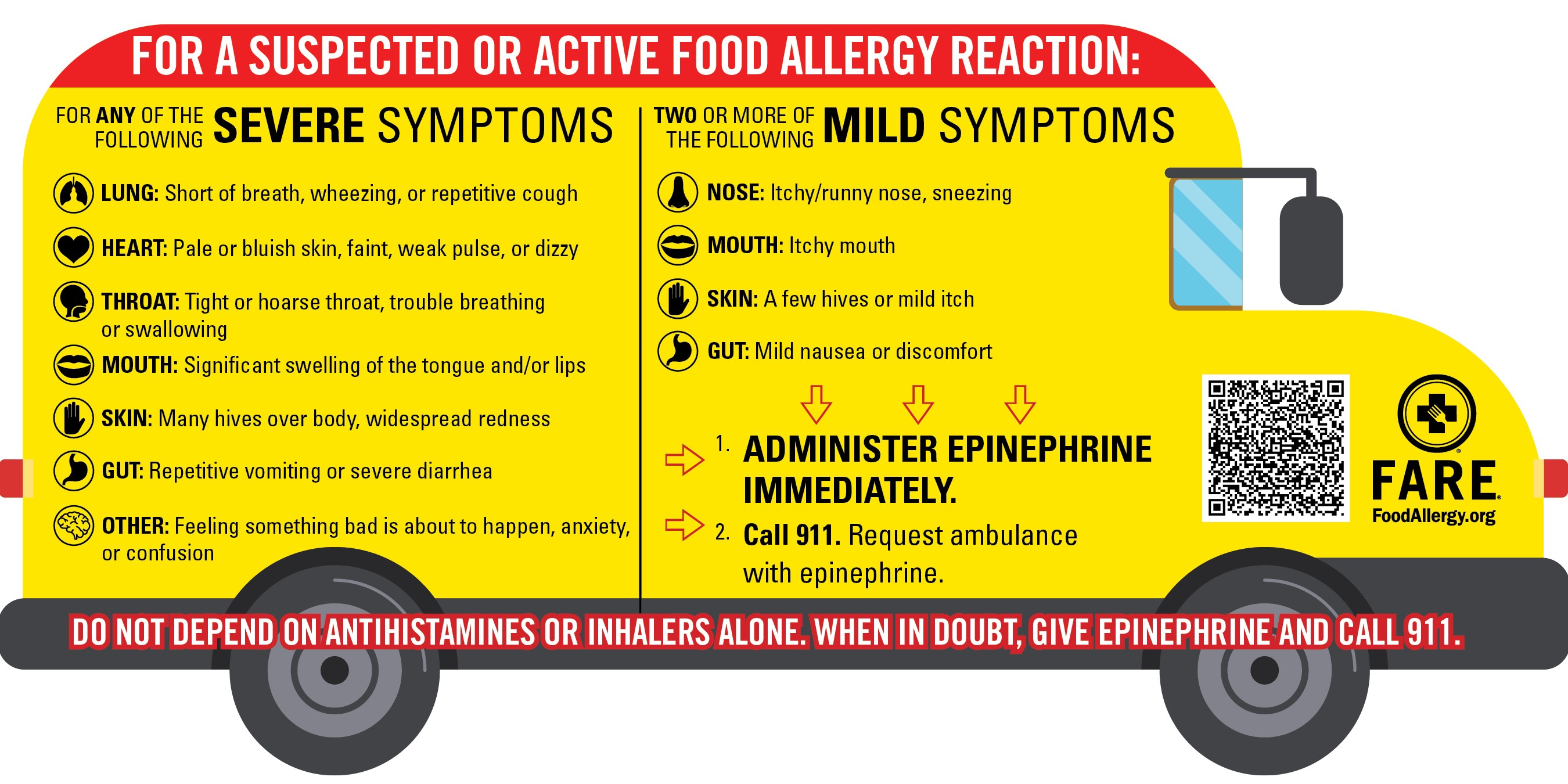
Symptoms vary widely from person to person. Mild reactions might cause itching, hives, or swelling around the lips and face. More severe symptoms include difficulty breathing, stomach pain, vomiting, or dizziness.
Recognizing early signs can save your life or the life of someone close to you. How quickly do you react when symptoms start?
Anaphylaxis Risks
Anaphylaxis is a severe, life-threatening allergic reaction that needs immediate medical attention. It can cause your airway to narrow, making it hard to breathe, and may lead to a sudden drop in blood pressure.
Emergency treatment like an epinephrine auto-injector is critical, but you might wonder if an emergency inhaler can help in such situations. Knowing the difference between tools for asthma and food allergies could be the difference between relief and danger.

Credit: www.allergy.org.au
Role Of Emergency Inhalers
Emergency inhalers play a key role in managing breathing difficulties. They deliver fast relief during asthma attacks and other respiratory issues. Their impact on food allergic reactions is more limited but still important to understand. Knowing how inhalers work helps clarify their place in allergy emergencies.
How Inhalers Work
Inhalers release medicine directly into the lungs. This medicine relaxes the muscles around airways. Airways open wider, making breathing easier. Inhalers act quickly, often within minutes. They reduce swelling and clear mucus in the lungs.
Typical Uses
- Treat asthma attacks
- Relieve wheezing and shortness of breath
- Manage chronic lung diseases like COPD
- Prevent exercise-induced bronchospasm
Emergency inhalers are designed to ease sudden breathing problems. They are not made to treat all allergy symptoms.
Limitations In Allergic Reactions
Food allergies cause more than breathing issues. Symptoms include hives, swelling, and digestive problems. Inhalers only help with breathing symptoms. They do not stop allergic reactions fully.
Severe allergic reactions require epinephrine, not inhalers. Epinephrine treats swelling, low blood pressure, and airway tightening. Inhalers cannot replace epinephrine for food allergies.
Inhalers Vs Epinephrine
When dealing with a food allergic reaction, understanding the difference between emergency inhalers and epinephrine is crucial. Both serve important roles in respiratory and allergic emergencies, but they are not interchangeable. Knowing which one to use can be a life-saving decision.
Epinephrine As First Response
Epinephrine is the go-to treatment for severe allergic reactions, especially anaphylaxis caused by food allergies. It works quickly to open airways, tighten blood vessels, and reduce swelling. This rapid action is why medical professionals stress using an epinephrine auto-injector immediately when symptoms escalate.
Think about it this way: if your throat starts closing or you experience difficulty breathing after eating something you’re allergic to, epinephrine is the only medication proven to stop this dangerous reaction fast enough. Delaying its use can lead to serious complications or even be fatal.
Why Inhalers Aren’t A Substitute
Emergency inhalers, like albuterol, are designed to relax muscles in the lungs during asthma attacks, not to counteract allergic reactions. They can help if you have asthma triggered by allergens but do not address other critical symptoms of anaphylaxis, such as swelling of the throat or a drop in blood pressure.
Using an inhaler alone during a food allergy emergency might give a false sense of security. You might feel better temporarily, but the underlying allergic reaction can still worsen. Would you want to rely on a tool that only tackles part of the problem?
Case Studies And Medical Opinions
Several medical reports highlight patients who delayed epinephrine treatment, opting instead for inhalers, only to experience worsening symptoms. Doctors emphasize that inhalers are not a replacement for epinephrine in food allergy emergencies.
One case involved a young woman with known peanut allergy who used her inhaler during an allergic episode but needed emergency epinephrine administered later by paramedics. This delay put her at higher risk and prolonged recovery.
Healthcare providers consistently advise carrying an epinephrine auto-injector if you have food allergies and using it promptly. Can you afford to second-guess which treatment to use when every second counts?
Managing Food Allergic Reactions
Managing food allergic reactions requires quick and clear action. Severe reactions can affect breathing, skin, and other body parts. Being ready helps prevent serious health issues. Knowing how to respond to symptoms is vital for safety.
Emergency Action Plans
Have a written plan for allergic reactions. It should list symptoms to watch for. Include steps to take in an emergency. Share this plan with family, friends, and caregivers. Practice the plan regularly to stay prepared.
When To Use An Inhaler
An emergency inhaler helps with breathing problems. Use it if wheezing or tight chest occurs. It can ease asthma-like symptoms during a reaction. The inhaler does not treat the allergy itself. Only use it if breathing is hard but no full allergic shock.
When To Use An Epinephrine Auto-injector
Use an epinephrine auto-injector for severe allergic reactions. Signs include difficulty breathing, swelling, or loss of consciousness. It works fast to open airways and raise blood pressure. Always carry it if you have known food allergies. Call emergency services right after using it.
Preventive Measures
Preventing a food allergic reaction is key to staying safe. Taking steps before exposure can reduce risks. These measures help control the environment and prepare for emergencies.
Avoiding Allergens
Stay away from foods that cause allergic reactions. Read labels carefully every time you buy food. Ask about ingredients when eating out or at someone’s home. Keep separate utensils and cookware to avoid cross-contact. Teach children to recognize and avoid their allergens.
Medical Identification
Wear medical ID bracelets or necklaces. These clearly state your allergy and emergency instructions. This helps first responders act quickly in a crisis. Carry your emergency inhaler and epinephrine auto-injector at all times. Keep them easily accessible in a known location.
Training And Awareness
Learn how to use your emergency inhaler and epinephrine properly. Practice with a trainer device regularly. Inform family, friends, and coworkers about your allergy. Teach them to recognize symptoms and how to help. Attend allergy awareness classes or support groups for more knowledge.

Credit: familydoctor.org
Credit: www.foodallergy.org
Frequently Asked Questions
Can An Emergency Inhaler Treat Food Allergic Reactions?
An emergency inhaler mainly relieves asthma symptoms. It does not treat food allergic reactions directly. For allergies, epinephrine is the first-line treatment. Always carry an epinephrine auto-injector if you have severe food allergies.
When Should You Use An Emergency Inhaler During Allergies?
Use an inhaler if you experience asthma symptoms like wheezing or shortness of breath. It helps open airways but doesn’t stop allergic reactions. Seek immediate medical help if food allergy symptoms worsen.
Can An Inhaler Replace An Epinephrine Auto-injector?
No, an inhaler cannot replace an epinephrine auto-injector. Epinephrine quickly reverses severe allergic reactions. Inhalers only relieve asthma-related breathing issues. Always use epinephrine first in a food allergy emergency.
What Are The Signs Of A Severe Food Allergy Reaction?
Severe reactions include difficulty breathing, swelling, hives, and dizziness. These symptoms require immediate epinephrine use. An inhaler may help with breathing but isn’t enough alone. Call emergency services right away.
Conclusion
An emergency inhaler may help with breathing during a food allergic reaction. It can open airways and reduce wheezing. Still, it is not a full treatment for severe allergies. Always carry an epinephrine auto-injector if you have food allergies. Seek medical help right away if symptoms worsen.
Knowing how to use these devices can save your life. Stay prepared and stay safe.