
Have you ever wondered if black widows can survive cold weather? If you’re curious about how these spiders handle chilly temperatures, you’re not alone.
Understanding their survival tactics can help you feel more prepared and less worried, especially if you live in an area where black widows are common. Keep reading to discover surprising facts about how these spiders adapt to the cold—and what that means for you and your home.
Black Widow Habitats
Black widows are known for their striking appearance and potent venom, but their choice of habitat plays a big role in their survival, especially in colder climates. Understanding where these spiders prefer to live helps you predict how they might cope when temperatures drop. Their habitats are often carefully selected to provide shelter, food, and protection from the elements.
Indoor Vs. Outdoor Habitats
Black widows can be found both indoors and outdoors, but they show a clear preference for sheltered outdoor spots. Outdoors, they hide in woodpiles, under rocks, and in dense vegetation. Indoors, they are often spotted in dark corners, basements, and garages where it stays warm and dry.
Have you ever noticed a spider lurking in your garage during winter? That might be a black widow seeking refuge from the cold.
Preferred Environmental Conditions
These spiders thrive in warm, dry environments, but they can tolerate cooler temperatures by finding microhabitats that stay relatively warm. They often settle near heat-retaining structures like walls, logs, or debris. This strategy helps them survive chilly nights and unexpected cold spells.
What’s interesting is how black widows select spots that maintain a steady temperature, showing a natural instinct for survival you can learn from.
How Habitat Choice Affects Cold Weather Survival
Their habitat choices directly impact their ability to survive cold weather. Black widows rarely survive harsh winters in exposed areas. Instead, they burrow deeper into sheltered places or move indoors where temperatures are more stable.
Think about your own home’s nooks and crannies—could these be potential hideouts for black widows in winter? Understanding this helps you manage your living space better to avoid unwanted encounters.
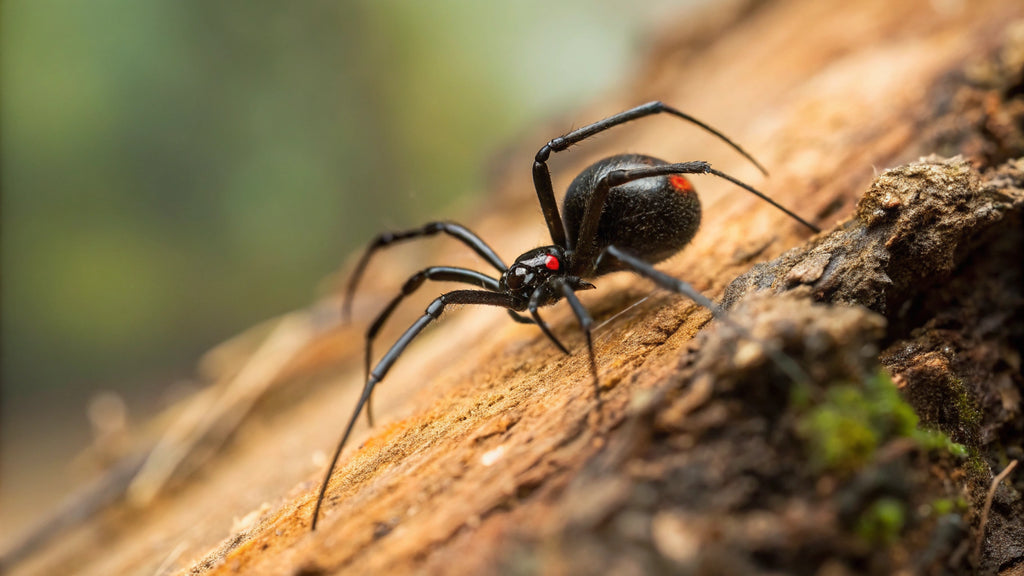
Credit: www.battlbox.com
Cold Weather Adaptations
Black widows face a tough challenge when temperatures drop. Their survival depends on clever adaptations that help them cope with cold weather. Understanding these adaptations can change how you view these spiders and their resilience.
Behavioral Strategies
Black widows seek warm and sheltered spots to avoid freezing temperatures. You might find them hiding under rocks, wood piles, or inside buildings during winter.
They reduce their activity significantly, conserving energy until conditions improve. Have you noticed spiders becoming less active in your home during colder months?
Physiological Changes
These spiders produce special proteins that act like natural antifreeze. This lowers the freezing point of their body fluids, preventing ice crystals from forming inside their cells.
This adaptation allows black widows to survive nights when temperatures dip below freezing. It’s a remarkable biological trick that keeps them alive through harsh winters.
Microhabitat Selection
Choosing the right microhabitat is crucial for survival. Black widows often build webs in areas with stable temperatures, such as crevices or under debris.
This careful selection helps maintain a microclimate that is warmer than the surrounding environment. Have you ever checked hidden corners in your garden for spider webs during winter?
Population Impact And Survival Rates
Despite these adaptations, extreme cold can reduce black widow populations. Only those in the best-protected spots or with the strongest physiological defenses survive.
This natural filtering affects where you’ll encounter black widows after winter ends. It also influences their role in the ecosystem, controlling insect populations.
Behavioral Strategies In Winter
Black widows face significant challenges as temperatures drop, but their survival depends heavily on how they behave during winter. Instead of relying on physical adaptations, these spiders use clever strategies to cope with the cold. Understanding these behaviors can help you spot them or protect your home during chilly months.
Seeking Shelter
Black widows don’t wander out in the open when it gets cold. They look for warm, hidden spots like woodpiles, cracks in walls, or under rocks where they can avoid freezing temperatures.
If you’ve ever found one in your garage or shed during winter, it’s because these places offer consistent warmth and protection from wind and moisture. You might want to check these areas if you’re concerned about black widows staying close to your home.
Hibernation Patterns
Unlike some animals, black widows don’t truly hibernate. Instead, they enter a state called diapause—a kind of rest where their metabolism slows down, and they need less food and water.
This pause in activity helps them conserve energy until spring arrives. Have you noticed fewer spiders around your garden in winter? That’s their way of waiting out the cold while staying alive.
Impact Of Temperature On Activity
The activity of black widows is closely tied to temperature. Their behavior, hunting, and movement slow down as the environment cools. Understanding how temperature impacts their activity can help you predict their behavior during colder months.
Temperature Thresholds
Black widows are most active between 70°F and 90°F (21°C to 32°C). Below 60°F (15°C), their activity significantly decreases. If temperatures drop near freezing, they become almost completely inactive.
Have you noticed fewer spiders moving around your home as winter approaches? This is because black widows avoid cold by finding sheltered spots where temperatures stay stable.
Metabolic Changes
Cold weather slows the spider’s metabolism. This means they need less food and energy to survive. Their body processes work slower, reducing movement and hunting efforts.
This slowdown is a survival tactic. By lowering their energy needs, black widows can survive long periods without eating. You might find them hiding quietly in dark corners during colder days instead of spinning webs or chasing prey.
Survival Mechanisms
Black widows face tough conditions during cold weather. Their survival depends on special mechanisms that help them endure low temperatures. These adaptations allow them to stay alive until warmer days return. Understanding these survival mechanisms sheds light on how these spiders thrive despite harsh climates.
Physiological Adaptations
Black widows slow down their body functions in cold weather. Their metabolism drops to save energy. This state is similar to hibernation, but less deep. They produce antifreeze-like chemicals to stop ice forming in their cells. This protects them from freezing damage. Their bodies become more resistant to cold over time. These changes help them survive winter’s chill.
Nutritional Reserves
Before cold weather arrives, black widows eat extra food. They store energy as fat inside their bodies. These reserves keep them alive during periods without hunting. Stored nutrients fuel their slow metabolism through winter. This helps them maintain vital functions despite limited food. Nutritional reserves act as a crucial survival resource.
Comparisons With Other Spiders
Comparing black widows with other spiders reveals interesting differences in how they handle cold weather. Some spiders survive by going dormant, while others find warm shelters. Understanding these differences helps you see why black widows sometimes struggle in colder climates.
Cold Tolerance in Black Widows vs. Wolf SpidersBlack widows tend to avoid freezing temperatures by hiding in protected places like woodpiles or inside buildings. Wolf spiders, on the other hand, can survive outdoors by producing antifreeze proteins in their bodies. This natural “antifreeze” lets wolf spiders remain active in chilly weather, unlike black widows who slow down.
Have you noticed wolf spiders outside during winter? Their ability to stay active contrasts sharply with the black widow’s need for shelter.
Hibernation and Survival StrategiesMany spiders enter a state similar to hibernation called diapause to survive cold months. Black widows don’t truly hibernate but become less active and rely on finding warm spots. In contrast, orb-weaver spiders produce antifreeze chemicals and can survive freezing by entering diapause.
This difference means black widows are more vulnerable to harsh winters. You might want to check your home’s nooks and crannies if you want to avoid black widows seeking refuge indoors.
Impact of Habitat on Cold Weather SurvivalThe habitat plays a huge role in how spiders cope with cold. Black widows often live in sheltered, dry areas, which helps them survive winter better than species living in open fields. For instance, cellar spiders thrive in cool, damp basements and can tolerate lower temperatures than black widows.
Thinking about your backyard? The types of spiders you find there in winter depend on how sheltered and warm those spots are.
Summary Table: Cold Weather Adaptations| Spider Species | Cold Weather Strategy | Survival Advantage |
|---|---|---|
| Black Widow | Seeks shelter, reduced activity | Limited cold tolerance, vulnerable outdoors |
| Wolf Spider | Produces antifreeze proteins, active in cold | High survival in low temperatures |
| Orb-Weaver | Enters diapause, antifreeze chemicals | Can survive freezing conditions |
| Cellar Spider | Lives in cool, damp sheltered areas | Tolerates cold better indoors |
Research And Studies
Understanding how black widows survive cold weather has intrigued scientists and spider enthusiasts alike. Research and studies provide valuable insights into their resilience and behavioral adaptations. Let’s dive into what field observations and laboratory experiments reveal about these fascinating spiders.
Field Observations
Researchers have tracked black widows in various outdoor environments to see how they cope with cold seasons. Many spiders find sheltered spots like woodpiles, cracks in walls, or underground burrows to escape freezing temperatures.
In some colder regions, black widows appear less active during winter, which suggests they enter a kind of dormancy. Have you ever noticed fewer spiders around your home during chilly months? This behavior aligns with what field studies observe in natural settings.
Laboratory Experiments
Scientists also test black widows under controlled conditions to understand their tolerance to cold. Experiments show that black widows can survive short periods of low temperatures but struggle with prolonged freezing.
These studies reveal that while black widows don’t truly hibernate, they slow down their metabolism to conserve energy. What can this teach you about managing spider encounters during colder months? Knowing their limits helps predict when they’re most active around your living space.

Credit: globalnews.ca
Implications For Ecosystems
Black widows’ ability to survive cold weather has a direct impact on local ecosystems. These spiders play a unique role as both predators and prey, affecting the balance of insect populations. Understanding their survival in colder climates helps you see how shifts in their numbers can ripple through the environment.
Impact On Insect Populations
Black widows control many insect species by feeding on them. If cold weather reduces their survival rate, you might notice an increase in pest insects around your home or garden. This can affect plant health and even the spread of diseases carried by insects.
On the other hand, if black widows adapt and survive cold snaps, they continue to keep these populations in check. This balance is crucial for maintaining healthy ecosystems where no single insect species dominates.
Effects On Predator-prey Relationships
Black widows themselves are prey for birds, lizards, and other animals. When fewer spiders survive winter, these predators might struggle to find food. This can force them to switch to other prey, potentially upsetting local food webs.
Have you ever wondered how a small change like spider survival affects larger animals around you? It highlights how interconnected nature really is, and how each creature’s fate matters.
Consequences For Biodiversity
Spiders like black widows contribute to biodiversity by filling a specific niche. Their presence or absence can influence which species thrive or decline. This can lead to shifts in local biodiversity, affecting the overall health of ecosystems.
By observing black widow populations through seasons, you gain insight into how biodiversity adapts to climate challenges. This awareness can help you appreciate the subtle but vital roles each species plays.

Credit: extension.colostate.edu
Frequently Asked Questions
Can Black Widows Survive Freezing Temperatures?
Black widows can survive mild cold but not extreme freezing. They seek sheltered places like woodpiles or debris to stay warm. Their survival depends on insulation and climate severity. Harsh winters often reduce their activity or cause death.
How Do Black Widows Protect Themselves From Cold?
Black widows hide in protected areas such as cracks, burrows, or under rocks. These spots provide insulation and shield them from harsh weather. Their webbing also offers some protection. This behavior helps them survive colder months.
Do Black Widows Hibernate During Winter?
Black widows do not hibernate but enter a dormant state called diapause. During diapause, they reduce activity and metabolism to conserve energy. This adaptation helps them survive unfavorable cold conditions until warmth returns.
Are Black Widow Populations Affected By Cold Weather?
Yes, cold weather can reduce black widow populations by increasing mortality. Severe winters limit their breeding and feeding opportunities. However, some survive in sheltered microhabitats, allowing populations to rebound in warmer seasons.
Conclusion
Black widows can survive cold weather by finding warm places. They hide under rocks, logs, or inside buildings. Their bodies slow down to save energy in winter. Not all black widows survive very harsh cold. Some may die if temperatures drop too low for long.
Still, they are tough spiders that adapt well. Knowing this helps you understand their behavior better. Stay safe and respect their space during cold months.


