Have you ever wondered if your budgie can handle chilly weather? If you want to keep your feathered friend safe and healthy, understanding how cold affects them is crucial.
Budgies are delicate creatures, and cold temperatures can be risky for their well-being. You’ll discover what happens to budgies in cold weather and learn simple steps to protect your pet when the temperature drops. Keep reading to make sure your budgie stays warm and happy all year round.

Credit: m.youtube.com
Budgie Cold Weather Tolerance
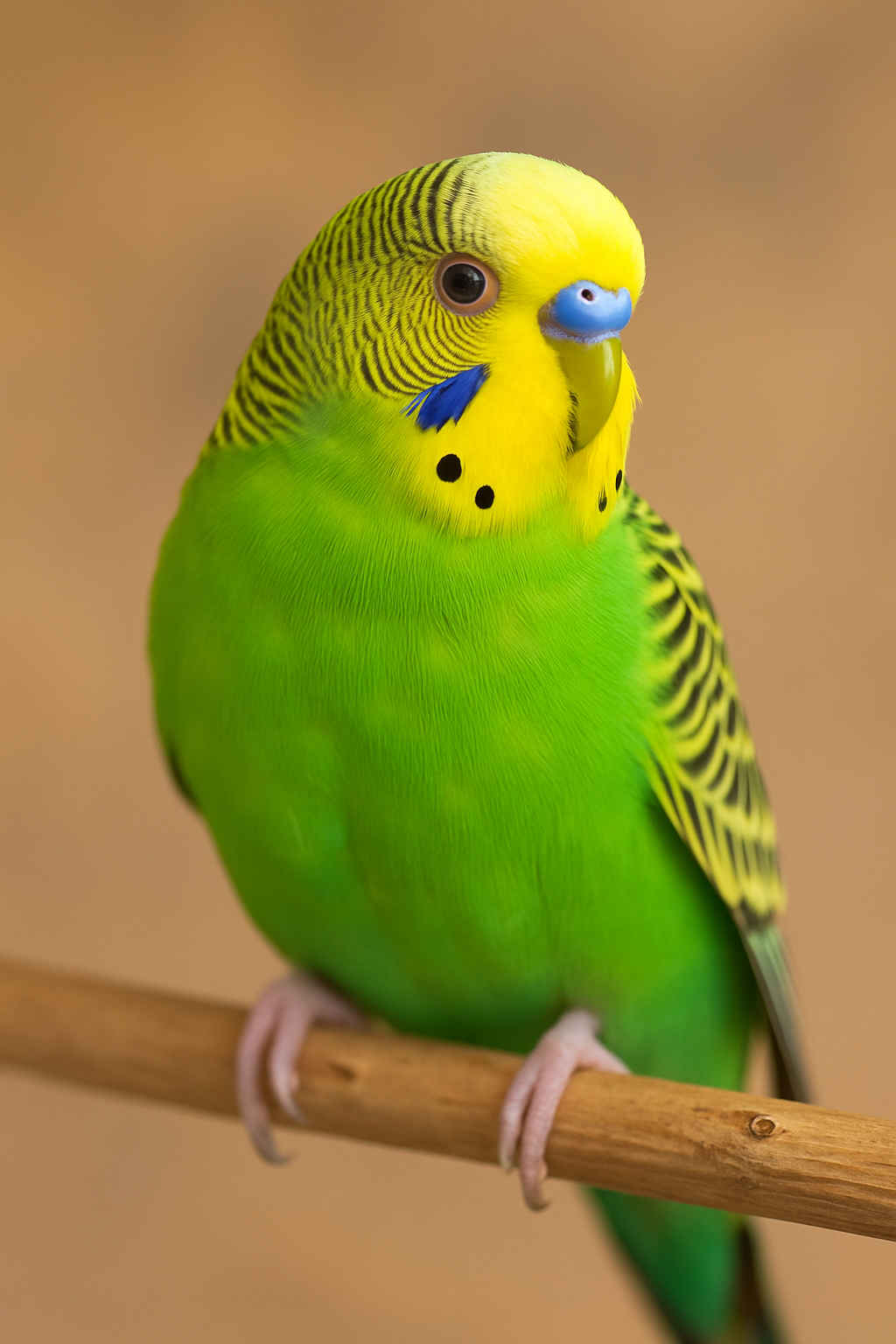
Budgies, also known as parakeets, come from warm areas in Australia. Their bodies are made for mild temperatures. Cold weather is tough for these small birds. Understanding their cold weather tolerance helps keep them safe and healthy. Budgies can feel cold quickly. Their feathers do not protect them well in freezing air.
Budgies need warmth to stay active and happy. Cold can slow their movements and cause illness. Bird owners must watch the temperature closely. Even a small drop can affect a budgie’s health. Knowing how much cold a budgie can handle is key to good care.
Natural Habitat And Temperature Adaptation
Budgies live in dry, warm climates. Daytime temperatures in the wild usually stay above 50°F (10°C). They rarely face freezing weather. Their feathers are thin and not meant for cold. Budgies rely on sunshine and shelter to keep warm. They do not have extra fat or thick feathers like cold-weather birds.
Signs Of Cold Stress In Budgies
- Fluffed up feathers to trap heat
- Shivering or trembling
- Reduced activity or sleeping more
- Huddling in cage corners
- Loss of appetite
These signs show the bird is too cold. Immediate action is needed to warm the budgie.
Safe Temperature Range For Budgies
| Temperature (°F) | Budgie Response |
|---|---|
| Above 65°F (18°C) | Comfortable and active |
| 50-65°F (10-18°C) | Alert but may fluff feathers |
| Below 50°F (10°C) | Risk of cold stress and illness |
How Budgies Keep Warm Naturally
- Fluffing feathers to trap air
- Tucking their head under wings
- Huddling close to cage mates or corners
- Seeking sunlight or warm spots
These actions help but may not be enough in cold homes.

Credit: www.cbc.ca
Recognizing Signs Of Cold Stress
Budgies are small birds sensitive to cold temperatures. Recognizing signs of cold stress helps protect their health. Birds cannot tell us when they feel cold. Watching their behavior closely is key. Early detection can prevent serious problems. Knowing what to look for keeps your budgie safe and comfortable.
Changes In Feather Position
Budgies fluff up their feathers to trap heat. If feathers stay puffed for a long time, it signals cold stress. Feathers may look ruffled or messy. This action helps keep body warmth inside. Notice if your budgie looks more puffed than usual.
Shivering And Trembling
Shivering is a clear sign of feeling cold. Budgies might shake their bodies or wings. Trembling shows their muscles try to create heat. This behavior means your bird feels chilly. Watch for constant or frequent shivers during cold days.
Reduced Activity And Appetite
Cold-stressed budgies often become less active. They may sit quietly and move less. Eating less is another warning sign. Low energy and poor appetite hurt their health. Observe if your budgie avoids playing or eating normally.
Cold Feet And Legs
Touch your budgie’s feet to check warmth. Cold feet and legs indicate low body temperature. Budgies stand on one leg to reduce heat loss. If they keep both feet tucked under feathers, they feel cold. This simple check helps spot cold stress early.
Creating A Warm Environment
Keeping your budgie warm during cold weather is crucial for its health and happiness. Creating a cozy environment helps prevent illnesses and keeps your feathered friend active and comfortable. Here’s how you can make sure your budgie stays snug even when the temperature drops.
Indoor Cage Placement
Place your budgie’s cage away from drafty windows and doors. Cold air sneaking in can chill your bird quickly, so choose a spot with stable, warm air. A corner of a room, away from direct airflow, works well to maintain consistent warmth.
Think about your own comfort zones at home—where do you stay warm and feel safe? Your budgie will appreciate a similar cozy spot. Avoid placing the cage near heaters or radiators, as sudden heat can stress your bird.
Using Cage Covers
A cage cover can be a simple but effective way to keep warmth in. Use a breathable fabric that traps heat while allowing fresh air to circulate. This prevents your budgie from overheating or suffocating.
Try covering the cage in the evening when temperatures drop. You’ll notice your budgie settles down more comfortably, much like how we pull a blanket over ourselves at night. Remember to uncover the cage during the day to let natural light in and keep your budgie’s mood bright.
Heating Solutions
If your home gets too cold, consider safe heating options designed for birds. Bird-safe heat lamps or ceramic heaters provide gentle warmth without drying out the air. Always monitor the temperature closely to avoid overheating.
Have you checked your thermostat lately? Keeping the room temperature between 65-75°F (18-24°C) usually works well for budgies. Using a thermometer near the cage helps you track and adjust conditions to keep your pet comfortable.
Dietary Adjustments For Cold Weather
Keeping your budgie healthy during cold weather means paying close attention to its diet. Cold temperatures can increase your bird’s energy needs, so adjusting what and how you feed your budgie is essential. Small changes can make a big difference in helping your feathered friend stay warm and strong.
Nutrient-rich Foods
In cold weather, your budgie needs more energy to maintain its body heat. Adding foods rich in vitamins and minerals helps support this need. Fresh vegetables like spinach, kale, and carrots provide essential nutrients and antioxidants that boost overall health.
Seeds are great, but don’t rely on them alone. Mix in pellets formulated for budgies, which offer balanced nutrition. Offering small amounts of cooked sweet potato or pumpkin can supply extra carbohydrates for energy. Have you noticed your budgie eating more during chilly days? That’s its natural way of coping.
Supplements For Immune Support
Cold weather can stress your budgie’s immune system. To help, consider adding supplements like vitamin A, vitamin E, and selenium, which are known to support immune health. You can find these in liquid form or as part of fortified pellets.
Probiotics are another tool that can improve gut health and overall immunity. Adding a probiotic supplement to your budgie’s water or food may reduce the risk of illness during winter. Have you tried supplements before? Monitoring your bird’s response is key to finding what works best.
Maintaining Activity Levels
Keeping your budgie active during cold weather is essential for its health and happiness. Budgies naturally love to fly and explore, and without enough movement, they can become bored or stressed. You might notice your bird becoming quieter or less playful if it isn’t getting enough exercise.
Think about how you feel on a chilly day when you’re stuck indoors all day. Your budgie feels the same way, but it can’t just go for a walk outside. So, it’s up to you to create fun and safe ways for your feathered friend to stay busy and energetic.
Indoor Play Areas
Creating a dedicated indoor play area can make a big difference. Use a small room or a corner of your living space where your budgie can fly freely without risk. Make sure the windows and doors are closed, and remove any dangerous objects or plants.
Add some swings, ladders, and perches at different heights to keep things interesting. Change the setup often to keep your budgie curious and excited. My budgie loves when I hang a mirror or colorful toys in the play area; it keeps her busy for hours.
Safe Exercise Options
Not all exercise needs to involve flying across the room. Encourage your budgie to climb by placing ropes or soft branches inside the cage or play area. You can also teach simple tricks like stepping up on your finger or moving between perches to keep your bird mentally and physically active.
Try supervised out-of-cage time where your budgie can explore safely under your watch. Always watch for signs of tiredness or stress and give your bird breaks. How often do you let your budgie stretch its wings? Small, frequent sessions can be better than one long one.
Credit: thetutorbridge.com
Monitoring Health Regularly
Keeping a close eye on your budgie’s health during cold weather is crucial. Budgies are small and delicate, so subtle changes can signal trouble quickly. Regular monitoring helps you catch problems early and keep your bird comfortable and thriving.
Checking For Illness Symptoms
Watch your budgie for signs like fluffed-up feathers, lethargy, or loss of appetite. These symptoms often indicate that your bird is struggling with the cold or an illness.
Also, notice if your budgie is breathing heavily or making unusual noises. These can be early warnings of respiratory issues, which are common in chilly conditions.
Keep a daily log of your budgie’s behavior and eating habits. It helps you spot changes you might otherwise miss.
When To Consult A Vet
If your budgie shows persistent symptoms such as puffed feathers, shivering, or reduced activity, don’t wait to seek professional help. Cold stress can quickly lead to more serious health problems.
Contact your vet immediately if your bird stops eating or drinking, or if you notice discharge from the eyes or nose. These signs often require medical attention.
Remember, your quick response can make a huge difference. Have your vet’s contact info handy during colder months so you’re ready if needed.
Social Interaction Importance
Social interaction plays a crucial role in the well-being of budgies, especially during cold weather. When temperatures drop, these small birds rely more on companionship to stay mentally and emotionally healthy. Without proper social engagement, budgies can quickly become stressed, which weakens their immune system and makes surviving the cold even harder.
Keeping Budgies Engaged
Budgies are naturally curious and playful creatures. To keep them engaged, you can introduce toys like mirrors, bells, and swings inside their cage. Changing these toys regularly sparks their interest and prevents boredom.
Talking or singing to your budgie daily builds trust and keeps their minds active. You might notice your budgie responding with chirps or mimicking sounds, which shows they are mentally stimulated.
Have you tried placing their cage near a window where they can watch the outside world? The changing scenery can provide endless entertainment and keep your budgie alert and happy.
Preventing Loneliness
Budgies are social birds that thrive on interaction with their own kind or humans. If you only have one budgie, spending dedicated time with them every day is essential to prevent loneliness.
Consider getting a companion budgie if your schedule doesn’t allow for frequent interaction. Two budgies keep each other company and groom each other, which helps maintain their emotional balance.
Lonely budgies often become quiet or show signs of stress, like plucking feathers. Have you noticed any changes in your budgie’s behavior when left alone for too long? This can be a clear sign they need more social engagement.
Adjusting Care During Extreme Cold
Budgies are small birds that need special care during cold weather. Their bodies do not handle extreme cold well. Adjusting their care helps keep them healthy and safe. Small changes in their environment and routine make a big difference.
Keeping budgies warm and comfortable is the main goal. This means watching for signs of cold stress and acting quickly. Providing a warm space and proper nutrition supports their health. Planning ahead can prevent emergencies caused by sudden cold snaps.
Emergency Preparations
Prepare a warm, quiet area indoors for your budgie. This spot should be free from drafts and cold air. Use a small heat lamp or heating pad set on low. Avoid direct heat that can burn your bird.
Keep extra food and water ready for emergencies. Budgies need more calories to stay warm. Fresh water must not freeze, so check it often. Have a first aid kit with bird-safe supplies available.
- Insulate the cage with blankets or towels.
- Close windows and doors near the bird area.
- Monitor the temperature regularly with a thermometer.
Transporting Safely
Transporting budgies in cold weather needs care. Use a small, insulated carrier to keep warmth inside. Line the carrier with soft cloths for comfort and heat retention.
Limit time outside to prevent chilling. Cover the carrier with a breathable cloth to block wind. Avoid placing the carrier on cold surfaces or in direct wind.
- Move the bird quickly between warm places.
- Keep the carrier close to your body for added warmth.
- Check on the bird often during transport for signs of stress.
Frequently Asked Questions
Can Budgies Live Outdoors In Cold Weather?
Budgies cannot tolerate cold temperatures well. Outdoor exposure below 50°F (10°C) can cause stress and illness. They need warmth and shelter to survive.
What Temperature Is Too Cold For Budgies?
Temperatures below 50°F (10°C) are too cold for budgies. Prolonged exposure can lead to respiratory issues and hypothermia. Keep them in a warm, controlled environment.
How To Keep Budgies Warm During Winter?
Provide a heated room or bird-safe heating lamps. Use draft-free cages and cover them at night. Ensure fresh water and nutritious food to support their health.
Do Budgies Need Extra Food In Cold Weather?
Yes, budgies need more calories in cold weather. Extra food helps them maintain body heat. Offer high-quality seeds, fruits, and vegetables regularly for energy.
Conclusion
Budgies can live in cold weather with proper care and warmth. Keep their cage inside or in a warm spot. Use blankets or heaters safely to avoid chills. Watch for signs of cold stress like shivering or lethargy. Fresh water and good food help them stay strong.
Protecting your budgie from cold keeps it happy and healthy. Small steps make a big difference in their comfort. Cold weather is tough, but careful care helps budgies survive well.


