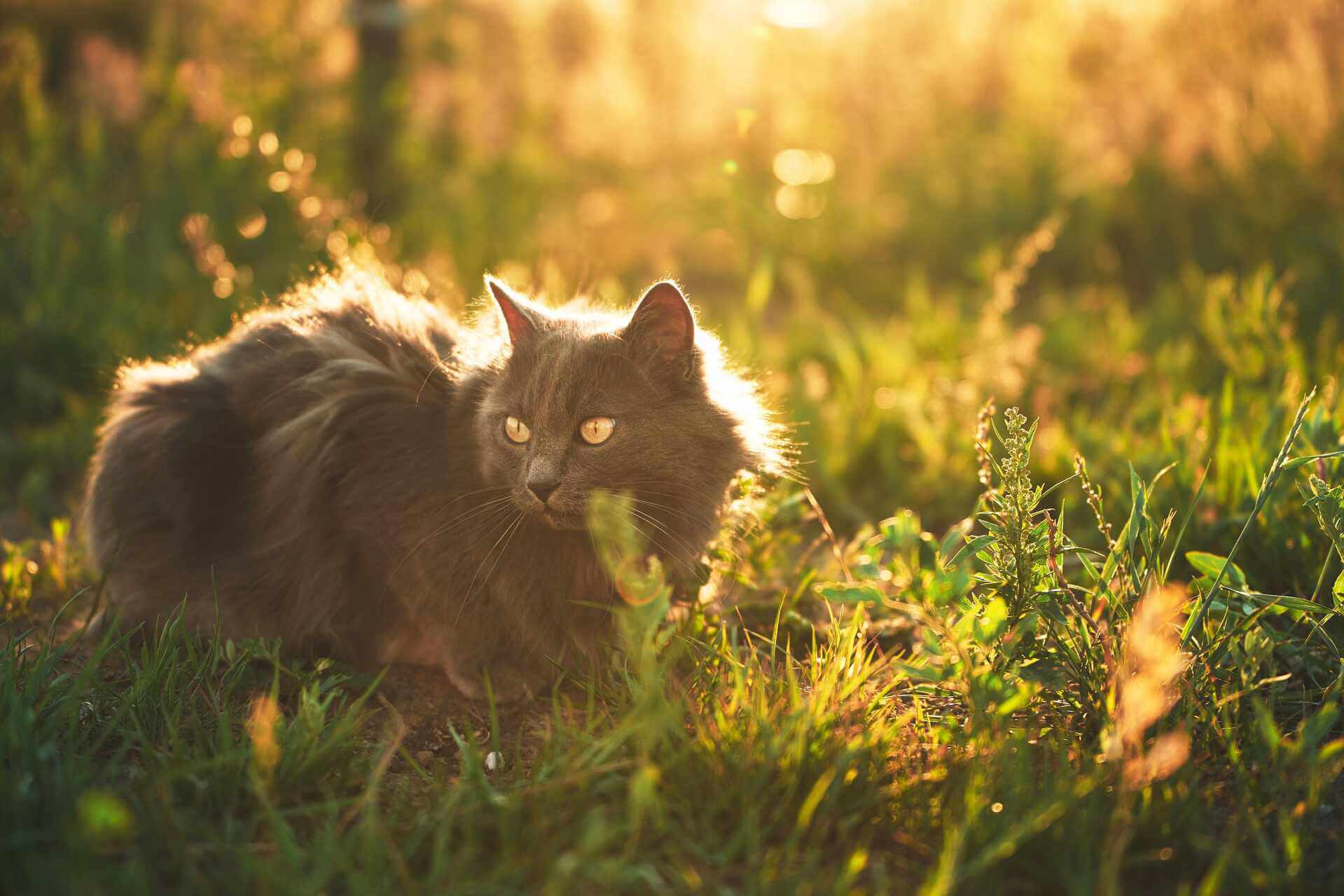
Have you ever wondered if your cat can handle freezing temperatures, like 29 degrees? You might worry about your furry friend when the weather turns cold.
Understanding how low temperatures affect cats is key to keeping them safe and comfortable. You’ll discover what happens to cats in chilly weather and simple steps you can take to protect your pet. Keep reading to learn what every cat owner needs to know about cold weather survival.

Credit: tractive.com
Cat Body Temperature And Cold
Cats are warm-blooded animals that keep their body temperature steady. Their ability to manage cold weather depends on their natural body heat and fur. Understanding a cat’s body temperature helps in knowing how well they can survive in cold climates like 29-degree weather.
Normal Temperature Range
A healthy cat’s body temperature usually stays between 100.5°F and 102.5°F (38°C to 39.2°C). This range is vital for proper body functions. When the temperature drops below this range, cats start to feel cold and may become vulnerable to hypothermia.
Cats maintain their temperature with fur that traps heat. Their small size and thin skin make them sensitive to cold weather. Outdoor cats often grow thicker coats in winter, but indoor cats may not adapt as well.
Effects Of Cold On Cats
Cold temperatures can lower a cat’s body temperature quickly. At 29 degrees Fahrenheit (-1.7°C), cats can face serious risks. These include:
- Shivering to generate heat
- Slowed movements and weakness
- Frostbite on ears, paws, and tail
- Hypothermia, which can be life-threatening
Young, old, sick, and thin cats are at higher risk in cold weather. Cats without shelter or enough food lose body heat faster. Providing warmth and protection is essential to keep cats safe in cold climates.
Risks Of 29 Degree Weather
29 degree weather poses serious risks to cats. Their small bodies can lose heat fast. Cats left outside may struggle to stay warm. This cold can cause health problems quickly. Understanding these risks helps protect your feline friend.
Hypothermia Symptoms
Hypothermia happens when a cat’s body temperature drops too low. Signs include:
- Shivering or trembling
- Weakness or lethargy
- Slow or shallow breathing
- Cold ears and paws
- Confusion or disorientation
Hypothermia can be life-threatening if not treated fast. Cats with these symptoms need immediate warmth and care.
Frostbite Concerns
Frostbite occurs when skin freezes from cold exposure. It often affects ears, tail, and paws. Signs include:
- Pale or gray skin
- Swelling or blisters
- Hard or cold areas on the skin
- Pain or sensitivity when touched
Frostbitten areas may become damaged permanently. Early detection and treatment are crucial to avoid serious harm.
Indoor Protection Strategies
Keeping your cat safe and comfortable during 29-degree weather means focusing on indoor protection strategies that truly work. Your feline friend needs more than just shelter—they need warmth and a cozy environment that mimics their natural preferences. Let’s look at how you can create that inside your home.
Warm Sleeping Areas
Cats love to curl up in snug spots, so make sure their sleeping areas are warm and inviting. Use soft blankets or pet beds filled with insulating materials to trap heat. Placing beds near sunny windows or away from drafts helps maintain a steady, cozy temperature.
Think about adding small heated pads designed for pets, but always check the safety features. Have you noticed your cat seeking out your laundry basket or warm spots around the house? That instinct shows how important warmth is to them during cold days.
Heating Solutions
Heating your home effectively can make a big difference in your cat’s comfort. Portable heaters can be useful, but ensure they have automatic shut-off features to prevent accidents. Avoid placing heaters where your cat might get too close or burn themselves.
Consider using radiant heaters or heated flooring if possible—they provide gentle, consistent warmth without blowing cold air around. If you use central heating, keep your indoor temperature steady, ideally between 68-72°F, to suit your cat’s comfort zone. Are you monitoring your home’s temperature regularly enough to catch sudden drops that could impact your pet?

Credit: nationalzoo.si.edu
Outdoor Safety Measures
Keeping cats safe outdoors in 29-degree weather takes careful planning. Cold temperatures can be dangerous for cats. They need protection from the cold and wind. Outdoor safety measures help prevent frostbite and hypothermia. These steps ensure cats stay warm and healthy during chilly days.
Shelter Options
Cats need a warm, dry place to hide from cold weather. Good shelters block wind and rain. Use insulated cat houses or boxes with blankets inside. Place shelters in sheltered spots like under porches or near walls. Avoid metal or plastic shelters that get very cold.
- Use straw, not blankets, for insulation as it stays dry
- Elevate shelters off the ground to keep them warmer
- Seal gaps to keep cold air out
Limiting Exposure Time
Limit how long cats stay outside in cold weather. Short visits reduce risks from freezing temperatures. Bring cats inside during extreme cold spells or at night. Watch for signs of discomfort like shivering or lifting paws. Cats with thin fur or health issues need extra care and less outdoor time.
Nutrition And Hydration
Keeping your cat well-nourished and hydrated is crucial when temperatures drop to 29 degrees. Cold weather forces cats to burn more calories to maintain their body heat. Without the right nutrition and plenty of fresh water, they can quickly become weak or even fall ill.
High-calorie Diets
In cold weather, your cat’s energy needs go up. Feeding them a high-calorie diet helps meet these increased demands. You can add extra protein or fat to their meals to boost calorie intake.
Wet food is often better than dry during cold days because it provides more moisture and calories. Some cat owners notice their pets eating more when the temperature drops—this is your cat telling you they need more fuel to stay warm.
Ensuring Fresh Water
Hydration is just as important as food, especially in cold weather when cats might drink less. Make sure your cat’s water bowl is never frozen or empty. Change the water regularly and consider using a heated water bowl if you live in an extremely cold area.
Have you ever seen your cat avoid the water bowl in winter? That’s a sign to check the temperature of their water source. Keeping water fresh and accessible encourages them to drink enough, which supports their overall health and warmth.
Clothing And Accessories
Cats are sensitive to cold weather, especially near 29 degrees Fahrenheit. Their natural fur helps, but extra clothing protects them better. Clothing and accessories keep cats warm and safe outdoors. They also prevent health problems from cold exposure. Choosing the right gear makes a big difference. Comfort and fit matter most for cats. Soft, warm materials work best. Lightweight fabrics avoid overheating indoors. Accessories add extra protection to vulnerable areas. They help cats enjoy chilly days without risk.
Cat Sweaters And Jackets
Sweaters and jackets provide warmth to a cat’s body. They trap heat close to the skin. Look for stretchy fabric that fits snugly but not tight. Wool and fleece are excellent choices. Jackets with a soft lining offer extra comfort. Some have hoods or collars to protect the neck. Easy-to-wear designs save time putting them on. Avoid clothes with loose strings or buttons. These can be dangerous if chewed or swallowed. Check for adjustable straps to fit different sizes. Always watch your cat’s reaction to new clothing. If your cat resists, try shorter wearing times.
Booties For Paw Protection
Booties shield paws from cold ground and ice. Frozen surfaces can hurt and crack paw pads. Salt and chemicals on roads irritate paws too. Booties create a barrier against these dangers. Choose soft, flexible materials so cats can walk naturally. Look for boots with non-slip soles to prevent slips. Velcro straps make putting on and taking off easier. Start by letting your cat get used to the boots indoors. Gradually increase outdoor use for comfort. Clean and dry paws after walks to avoid irritation. Booties keep cats safe and comfortable in freezing weather.
Signs To Watch For
Cold weather can be dangerous for cats, especially when temperatures drop to 29 degrees. Knowing the signs that your cat is struggling helps keep them safe. Watch closely for changes in behavior and physical condition. Early detection can prevent serious harm.
Behavioral Changes
- Your cat may hide more than usual to stay warm.
- Notice if your cat moves less or avoids activity.
- Shivering or trembling shows your cat is cold.
- A cat seeking warmer spots often means discomfort.
- Increased vocalization can signal distress from cold.
Physical Warning Signs
- Look for pale or blue gums indicating poor circulation.
- Cold ears and paws suggest your cat is losing body heat.
- Fur may appear fluffed up as the cat tries to trap warmth.
- Slow breathing or lethargy can mean hypothermia risk.
- Stiffness or weakness points to cold-related health issues.
Emergency Responses
When your cat faces freezing 29-degree weather, quick and calm emergency responses can make all the difference. You need to act fast but carefully to protect your furry friend from the dangers of cold exposure. Knowing the right steps to take can help you avoid serious health problems or even save your cat’s life.
First Aid For Cold Exposure
If you find your cat shivering or sluggish after being outside in cold weather, bring them indoors immediately. Wrap your cat in a warm blanket or towel to start raising their body temperature gently. Avoid using direct heat sources like heating pads or hot water bottles, as these can cause burns or shock.
Offer warm (not hot) water or broth to help hydrate your cat. Watch for signs like pale gums, slow breathing, or weakness—these indicate severe cold stress. Keep your cat calm and quiet while you prepare to seek professional help if needed.
When To Visit A Vet
Knowing when to take your cat to the vet can be tricky but crucial. If your cat shows any of these signs, don’t hesitate to get veterinary care right away:
- Persistent shivering or trembling
- Weakness, lethargy, or unresponsiveness
- Blue or pale gums and tongue
- Difficulty breathing or slow heartbeat
- Frostbite on ears, paws, or tail
Cold-related illnesses can worsen quickly. Your vet can provide treatments like warm IV fluids, oxygen therapy, or medications to stabilize your cat. Have you ever experienced a cold emergency with your pet? Preparing ahead can give you confidence to respond effectively.

Credit: www.reddit.com
Frequently Asked Questions
Can Cats Tolerate 29 Degree Weather?
Cats can generally tolerate cold temperatures, but 29 degrees is quite chilly. It’s important to provide them shelter. Cats with thicker fur coats might handle the cold better. However, it’s always safer to bring them indoors or offer a warm place to rest.
What Signs Show A Cat Is Too Cold?
Signs include shivering, seeking warmth, and lethargy. A cat may also curl up tightly to conserve heat. If you notice these signs, it’s important to warm them up gradually. Always ensure they have a warm, safe space during cold weather.
How Can I Keep My Cat Warm Outside?
Provide a well-insulated shelter with blankets. Ensure it’s raised off the ground and protected from wind and moisture. Use straw instead of towels or hay, as it retains heat better. Regularly check on your cat to ensure they’re warm and comfortable.
Is 29 Degrees Dangerous For Kittens?
Yes, 29 degrees is too cold for kittens. They are more vulnerable to hypothermia. Kittens cannot regulate their body temperature effectively. Always keep kittens indoors in a warm environment to ensure their safety and well-being during cold weather.
Conclusion
Cats can survive in 29-degree weather but need care. Cold can make them sick or weak. Always provide warm shelter and fresh water. Watch for signs of frostbite or hypothermia. Keep cats indoors during very cold days. Small and thin cats feel cold more quickly.
Protect outdoor cats with blankets or heated pads. Staying warm helps cats stay healthy and happy. Taking simple steps keeps your cat safe in cold weather.