Have you ever wondered if your cat can handle extreme heat, like 40-degree weather? When temperatures soar, it’s natural to worry about your furry friend’s safety.
You want to keep your cat comfortable and healthy, but how do you know if they can really survive—and thrive—in such hot conditions? Keep reading to discover what you need to watch for, how to protect your pet, and the surprising facts that every cat owner must know when the mercury rises.
Your cat’s well-being depends on it.
Cat Physiology And Heat Tolerance
Cats are fascinating creatures with unique bodies designed to handle a range of temperatures. Understanding how their physiology affects their heat tolerance can help you protect your furry friend in extreme weather. Let’s look at how cats manage heat and whether they can survive in 40-degree weather.
Body Temperature Regulation In Cats
Cats maintain a normal body temperature around 101 to 102.5 degrees Fahrenheit. This higher baseline means they naturally operate at a warmer internal setting than humans. Their bodies use panting, grooming, and seeking shade to cool down when it gets hot.
You might notice your cat licking its fur more on warm days. This behavior isn’t just about cleanliness—it helps with evaporative cooling. However, unlike dogs, cats don’t sweat much, so they rely heavily on these other methods to avoid overheating.
Fur And Skin Adaptations
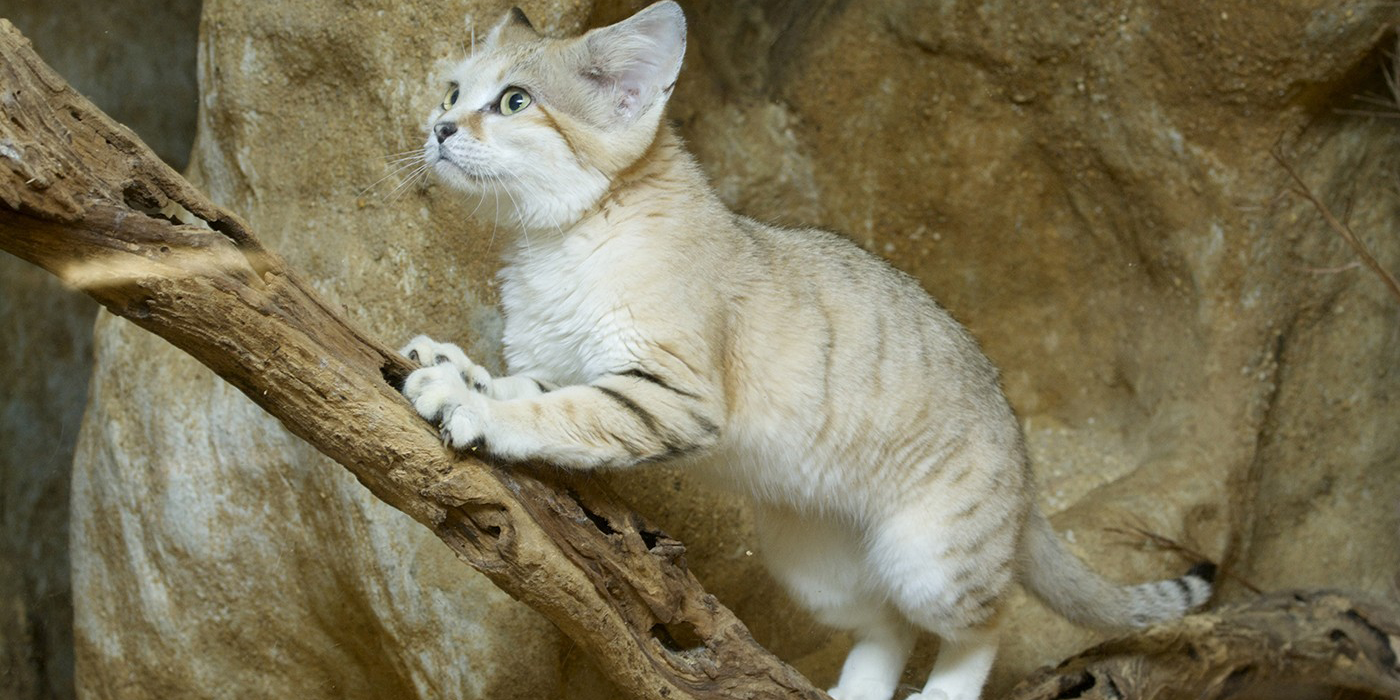
Their fur acts as both insulation and a shield from the sun’s rays. Cats living in hotter climates often have lighter, thinner coats. This adaptation helps reflect sunlight and allows heat to escape more easily.
If your cat has a thick, dark coat, it might struggle more in 40-degree weather. You can help by providing cool, shaded areas and plenty of water. Have you noticed your cat seeking cooler floors or shaded spots during hot afternoons?
Behavioral Responses To Heat
Cats instinctively adjust their activity levels when it’s hot. They tend to rest more during the hottest parts of the day and become active during cooler mornings or evenings. This natural rhythm helps them avoid heat stress.
Watching your cat’s behavior can give you clues about their comfort level. If your cat is panting, drooling, or restless, these can be signs of overheating. Acting quickly by moving them to a cooler place can prevent serious health issues.
Credit: nationalzoo.si.edu
Recognizing Heat Stress Symptoms
Recognizing heat stress symptoms in cats is vital for their safety during extreme heat. Cats often hide signs of discomfort, making it hard to notice early problems. Spotting these symptoms quickly can prevent serious health issues or even save a cat’s life.
Heat stress happens when a cat’s body cannot cool down properly. High temperatures, such as 40 degrees Celsius, put extra pressure on their system. Knowing what to look for helps you act fast and keep your cat safe.
Changes In Breathing
Rapid or heavy breathing is a key sign of heat stress. Cats may pant or breathe with an open mouth. Normal breathing is quiet and steady. Watch for any irregular patterns or sounds.
Excessive Drooling
Drooling more than usual can indicate overheating. Cats usually do not drool unless stressed or sick. Check for wet fur around the mouth and unusual saliva.
Weakness And Lethargy
A tired or unresponsive cat may be suffering from heat stress. Cats may lie down and refuse to move. Lack of energy or unwillingness to play are warning signs.
Red Or Pale Gums
Look inside your cat’s mouth. Red, bright, or very pale gums suggest poor blood flow. This condition needs immediate attention. Healthy gums are usually pink and moist.
Vomiting Or Diarrhea
Heat stress can cause digestive upset. Vomiting and diarrhea can quickly lead to dehydration. Monitor your cat’s bathroom habits closely during hot days.
Disorientation And Staggering
Confusion, stumbling, or difficulty walking are serious symptoms. These signs show the cat’s brain is affected by heat. Immediate cooling and veterinary care are necessary.
- Keep a close eye on your cat in hot weather.
- Act fast if you notice any symptoms.
- Provide fresh water and cool resting places.
- Seek veterinary help if symptoms worsen.
Creating A Cool Environment
Cats can struggle in extreme heat. Creating a cool environment helps them stay safe and comfortable. Simple changes at home reduce risks of heat stress and overheating. Focus on providing places where cats can cool down easily. Avoid direct sun and stuffy areas. Keep fresh air moving. Use tools that help lower temperature around your pet.
Shade And Shelter
Shade blocks direct sunlight and lowers temperature. Outdoor cats need shaded spots under trees or awnings. Indoors, close curtains or blinds to keep sun out. Provide cozy shelters that stay cool inside. Use materials like wood or fabric that do not trap heat. Avoid small, enclosed spaces without airflow. Cats like resting in quiet, cool corners.
Ventilation And Air Circulation
Good airflow prevents hot air buildup. Open windows or doors for fresh air. Use fans to move air around rooms. Place fans safely out of reach of cats. Avoid blowing air directly on them for long periods. Ventilation helps sweat and panting cool cats naturally. Create cross-ventilation by opening windows on opposite sides. This helps air flow through the space better.
Cooling Devices And Aids
- Use cooling mats designed for pets. These absorb body heat and feel cool to touch.
- Frozen water bottles wrapped in cloth provide a cold spot.
- Place damp towels in shaded areas for cats to lie on.
- Provide plenty of fresh water in multiple places.
- Use air conditioning in very hot rooms, keeping doors open for airflow.
These tools help lower surface temperature around your cat. Keep watching your pet for signs of heat stress. Make adjustments as needed to keep your cat safe and cool.
Credit: www.alleycat.org
Hydration Strategies
Keeping your cat well-hydrated in 40-degree weather is crucial to their survival and comfort. High temperatures can quickly lead to dehydration, which affects their energy, mood, and overall health. Understanding effective hydration strategies helps you protect your feline friend from heat-related risks.
Water Access And Quality
Make sure your cat always has access to fresh, clean water. Change the water multiple times a day to keep it cool and appealing. Avoid leaving water bowls in direct sunlight, as this heats the water and may discourage your cat from drinking.
Think about placing multiple water stations around your home or yard. Cats can be picky, and sometimes they prefer drinking from one spot over another. Having options increases the chances they will stay hydrated.
Encouraging Fluid Intake
Some cats don’t drink enough water on their own, especially when it’s hot. You can encourage more fluid intake by adding wet food to their diet, which contains a high percentage of water. Mixing a little water into dry food can also help.
Try offering ice cubes or ice chips as a treat; many cats enjoy playing with and licking them. You might also experiment with a pet water fountain—the flowing water often entices cats to drink more.
Have you noticed your cat avoiding water bowls during hot days? Observing their habits closely can reveal what tricks work best to keep them hydrated and healthy.
Dietary Considerations In Hot Weather
Cats need special attention to their diet during hot weather. High temperatures can affect their eating and drinking habits. Adjusting their meals helps keep them healthy and comfortable. Proper nutrition supports their energy and hydration needs under heat stress.
Light Meals And Nutrition
Offer small, light meals throughout the day. Heavy meals can make cats feel sluggish. Light food is easier to digest and keeps them active. Wet food is a good choice because it contains water. It helps maintain hydration and provides essential nutrients.
Choose foods rich in protein and low in fat. Protein supports muscle health and energy. Avoid fatty meals that increase body heat and slow digestion. Fresh, balanced food keeps cats feeling good in the heat.
Avoiding Dehydrating Foods
Steer clear of salty and dry foods during hot weather. Salt can cause dehydration by making cats thirsty but not quenched. Dry kibble alone may not provide enough moisture. Always offer fresh water alongside food to prevent dehydration.
Foods with high salt or preservatives should be limited. These ingredients can strain a cat’s kidneys and increase thirst. Provide moisture-rich options and monitor water intake closely. Hydrated cats handle heat much better.
Protection From Sun Exposure
Cats can face risks from strong sun exposure, especially in hot weather. Protecting them helps avoid sunburn and skin damage. Cats with thin or light-colored fur are more vulnerable. They can get sunburned on their ears, nose, and belly. Taking simple steps keeps your cat safe and comfortable under the sun.
Safe Sunscreen Use
Regular sunscreen for humans is toxic to cats. Choose sunscreens made specifically for pets. These products avoid harmful chemicals that cats might lick off. Apply sunscreen only on exposed areas like ears and nose. Test a small area first to check for reactions. Reapply sunscreen every few hours during sun exposure.
Protective Clothing Options
Lightweight clothing can shield cats from sun rays. Look for breathable fabrics to keep your cat cool. Clothes should fit well but not restrict movement. Use shirts or vests designed for pets. Some owners use wide-brimmed hats for extra shade. Always watch your cat to ensure they stay comfortable.
Monitoring And Adjusting Activity Levels
Keeping your cat safe in 40-degree weather means paying close attention to how much activity they get. Too much exercise can put them at risk, but too little might leave them restless and unhappy. Watching your cat’s energy and adjusting their playtime is key to keeping them comfortable and healthy.
Optimal Exercise Times
Cooler parts of the day, such as early morning or late evening, offer the best chances for safe activity. These times help your cat avoid extreme heat, preventing overheating or dehydration. Try scheduling play sessions during these cooler windows to keep your cat active without stress.
Have you noticed your cat panting or slowing down during midday? That’s a strong sign to shift their exercise to a cooler time. Even short bursts of play can be enough if done wisely.
Recognizing Overexertion Signs
Watch for heavy panting, drooling, or lethargy—these can mean your cat is overdoing it in the heat. Sudden disinterest in toys or hiding more than usual might also signal they need a break. If you see these signs, immediately move your cat to a cooler spot and offer water.
Remember, cats can be stubborn and may not stop on their own. It’s up to you to notice when they’ve had enough. Have you ever caught your cat pushing past their limits? Being proactive can prevent serious health issues.
Emergency Care For Heat-related Illness
Heat-related illness in cats can be life-threatening. Quick action is crucial to protect your pet. Knowing emergency care steps helps reduce risks. Immediate response can save your cat’s life.
First Aid Basics
Move your cat to a cool, shaded place immediately. Offer fresh, cool water for drinking, but do not force it. Use a damp cloth or cool water to wet their fur gently. Avoid ice-cold water as it can shock their system. Use a fan or air conditioner if possible. Keep your cat calm and quiet to reduce stress. Monitor breathing and alertness closely during this time.
When To Seek Veterinary Help
Contact a vet if your cat shows heavy panting or difficulty breathing. Look for signs like vomiting, weakness, or unresponsiveness. If your cat’s gums turn bright red or pale, seek help fast. Persistent high body temperature needs professional care. Delays can cause organ damage or death. Always err on the side of caution and get help quickly.
Credit: trapandreturn.com
Frequently Asked Questions
Can Cats Survive In 40-degree Celsius Weather?
Cats can survive 40-degree Celsius weather but risk heatstroke without shade and water. They need cool, shaded areas and hydration to stay safe in extreme heat.
How Do Cats Cope With Extreme Heat Naturally?
Cats cope by seeking shade, resting during peak heat, and grooming to cool down. Their fur also helps regulate body temperature but isn’t enough alone in extreme heat.
What Signs Show A Cat Is Overheating?
Signs include panting, drooling, lethargy, and rapid heartbeat. Immediate cooling and hydration are crucial to prevent heatstroke and serious health issues.
Should Cats Stay Indoors During Hot Weather?
Yes, keeping cats indoors during extreme heat protects them from dehydration and heatstroke. Provide fresh water and a cool environment to ensure their safety.
Conclusion
Cats can survive in 40-degree weather, but it is tough for them. They need shelter, warmth, and food to stay safe. Cold weather can cause health problems for cats. Outdoor cats should have a warm place to hide. Owners must watch for signs of frostbite or illness.
Taking care of cats in cold weather shows kindness and responsibility. Keep your furry friends warm and healthy during chilly days. Their safety depends on your care and attention. Always provide comfort and protection when temperatures drop.


