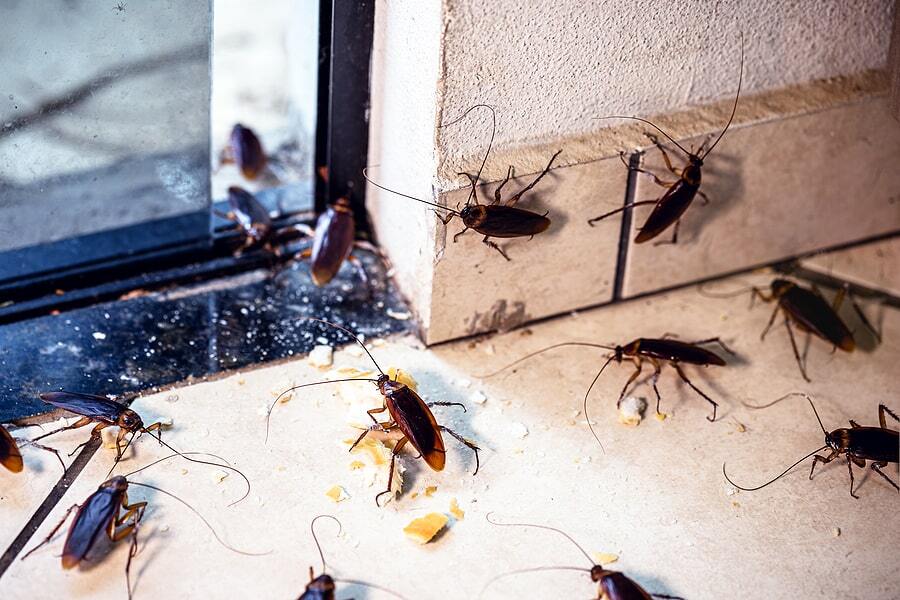
Have you ever wondered if cockroaches can survive cold weather? You might think freezing temperatures would be enough to keep these pests away.
But what if they’re tougher than you expect? Understanding how cockroaches handle the cold can help you protect your home better. Keep reading to discover surprising facts that might change how you deal with these unwelcome visitors this winter.
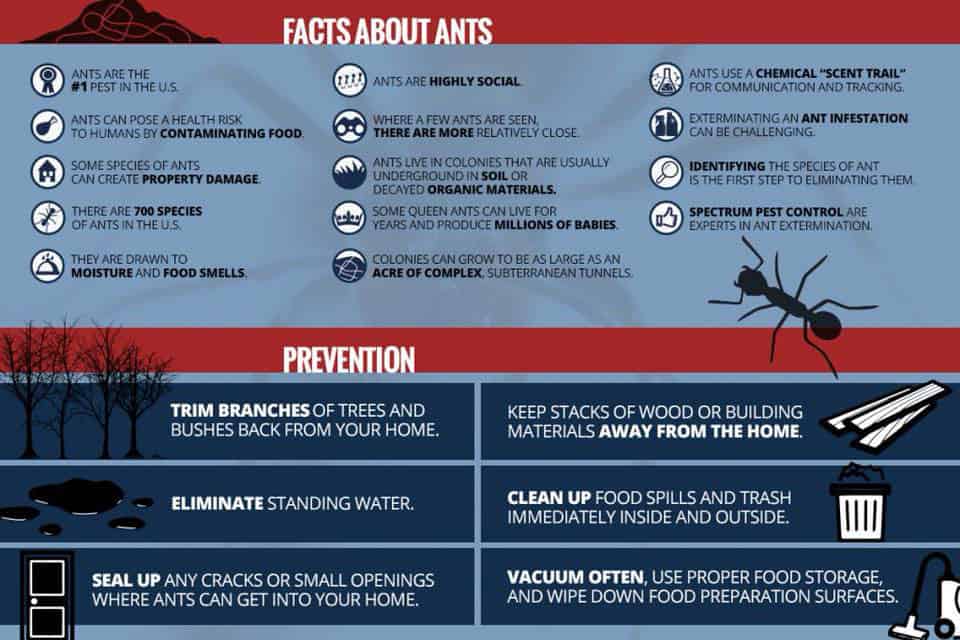
Credit: www.cleanandgreenpest.com.au
Cockroach Biology And Cold Tolerance
Cockroaches are insects known for their resilience. Their biology plays a key role in how they handle cold weather. Most cockroaches prefer warm places. Still, some species survive in colder climates. Understanding their biology helps explain their cold tolerance.
Species Adapted To Cold Climates
Some cockroach species live in places with cold winters. For example:
- The wood cockroach, found in forests with cold seasons.
- The forest cockroach, which can survive outdoor temperatures below freezing.
- Cockroaches that live underground, where temperatures stay stable.
These species have adapted to handle colder weather better than common house cockroaches. They seek shelter in leaf litter, wood, or soil. These spots protect them from harsh cold.
Physiological Responses To Low Temperatures
Cockroaches use several biological strategies to survive cold.
- They slow down their metabolism to save energy.
- Some produce antifreeze-like chemicals in their bodies.
- Their cells change to avoid damage from ice formation.
- They enter a state called diapause, similar to hibernation.
These responses help cockroaches avoid freezing. They keep vital organs safe during cold spells. This biological flexibility allows survival in cooler climates than expected.
Effects Of Cold On Cockroach Survival
Cold weather affects cockroach survival in several ways. These insects are cold-blooded, so their body temperature depends on the environment. Low temperatures slow down their metabolism and activity. Cold conditions can reduce their ability to find food and reproduce.
Understanding how cold impacts cockroaches helps explain their presence in certain areas. Some species survive better than others in chilly climates. The effects of freezing temperatures and their behavior changes are key to their survival strategies.
Impact Of Freezing Temperatures
Freezing temperatures can be deadly for most cockroaches. Ice crystals form inside their bodies, damaging cells and organs. Few cockroaches can survive below 32°F (0°C) for long periods. Some species enter a state of dormancy to resist freezing.
Cold stress weakens their immune system. This makes them more vulnerable to diseases and predators. Survival depends on finding warm shelters during winter months.
Behavioral Changes In Cold Weather
Cockroaches change their behavior to cope with cold. They hide in warm places like basements and heated buildings. Movement slows down to conserve energy. Feeding decreases because food is scarce and digestion is slower.
They may cluster together to share body heat. Reproduction rates drop, delaying population growth. These changes help cockroaches survive until temperatures rise again.
Strategies Cockroaches Use To Survive Winter
Cockroaches have adapted well to survive cold weather. Their survival depends on clever strategies to avoid freezing temperatures. These strategies help them stay alive during harsh winters.
Seeking Warm Shelters
Cockroaches look for warm places to hide during cold months. They enter buildings through cracks and holes. Warm spots include basements, kitchens, and heating vents. These areas provide enough heat to keep them alive. Cockroaches may also gather in groups to share body heat. This behavior helps them survive colder conditions.
Entering Dormancy Or Reduced Activity
During winter, cockroaches lower their activity levels. They enter a state like dormancy to save energy. This means they move less and eat less food. Their metabolism slows down, allowing them to survive longer without food. Reduced activity helps cockroaches endure cold temperatures until warmer days return.
Cold Weather Limits For Common Cockroach Species
Cockroaches are known for their toughness and ability to survive in harsh conditions. Cold weather can limit their activity and survival, but different species have different levels of tolerance. Understanding these limits helps explain why some cockroaches thrive in winter, while others disappear.
Each species has a unique way to cope with cold temperatures. Some hide in warm places, while others slow down their metabolism. Below is a look at the cold weather limits for three common cockroach species.
German Cockroach
The German cockroach prefers warm indoor environments. It struggles to survive below 50°F (10°C). At lower temperatures, their development slows, and they become inactive. Prolonged exposure to cold can kill them. They rarely survive outside in winter.
American Cockroach
The American cockroach can tolerate cooler temperatures better. It survives down to about 40°F (4°C). It often moves to basements, sewers, or heated buildings during cold months. If temperatures drop too low for too long, they die. They rely on warm shelter to survive winter.
Oriental Cockroach
The Oriental cockroach is more cold-tolerant. It can survive temperatures near freezing, around 32°F (0°C). It hides under leaves, mulch, or in damp, sheltered places outdoors. Cold slows its activity but does not always kill it. They are often found outside in cool climates.
Implications For Pest Control In Cold Regions
Cold weather affects cockroach activity but does not eliminate them entirely. In cold regions, cockroaches find warmth indoors to survive. Pest control strategies must adapt to these conditions. Understanding their behavior in winter helps prevent infestations effectively.
Seasonal Treatment Adjustments
Pest control in cold areas needs seasonal changes. Treatments should focus on indoor spaces during winter. Cockroaches hide in warm, dark places inside buildings. Outdoor treatments become less effective as temperatures drop.
- Increase indoor inspections in basements and kitchens.
- Use baits and traps where cockroaches gather.
- Apply residual insecticides in cracks and crevices.
- Schedule treatments before cold weather sets in.
These adjustments keep cockroach populations controlled through winter months.
Preventive Measures During Winter
Stopping cockroaches before they enter is crucial in cold seasons. Seal gaps and cracks around doors and windows. Remove food and water sources inside the home. Keep areas clean and dry to reduce hiding spots.
- Store food in airtight containers.
- Fix leaking pipes and faucets promptly.
- Use door sweeps and weather stripping.
- Regularly vacuum and dispose of trash.
These steps lower the chance of indoor cockroach infestations during winter.
Credit: hicare.in
Credit: reconpestservices.com
Frequently Asked Questions
Can Cockroaches Survive In Freezing Temperatures?
Cockroaches struggle to survive freezing temperatures below 32°F. Most species seek warmth indoors or burrow deep to avoid the cold. Extreme cold typically kills exposed cockroaches.
How Do Cockroaches Adapt To Cold Weather?
Cockroaches adapt by hiding in warm places like homes and sewers. They slow their metabolism to conserve energy. These behaviors help them survive cold periods.
Do Cockroaches Hibernate During Winter?
Cockroaches do not truly hibernate but enter a state of reduced activity. This helps them survive cold winters by conserving energy until conditions improve.
Which Cockroach Species Tolerate Cold Weather Best?
The German cockroach is less cold-tolerant, while the American cockroach can survive cooler climates. Some species adapt better by seeking protected warm areas.
Conclusion
Cockroaches can survive cold weather, but only to some extent. They seek warm places to stay safe during winter. Extreme cold often slows them down or kills them. Still, they hide inside homes where it stays warm. Understanding this helps control cockroach problems better.
Keep your home clean and seal cracks to stop them. Winter doesn’t mean they disappear completely. Staying alert all year keeps these pests away. Simple steps make a big difference in keeping cockroaches out.


