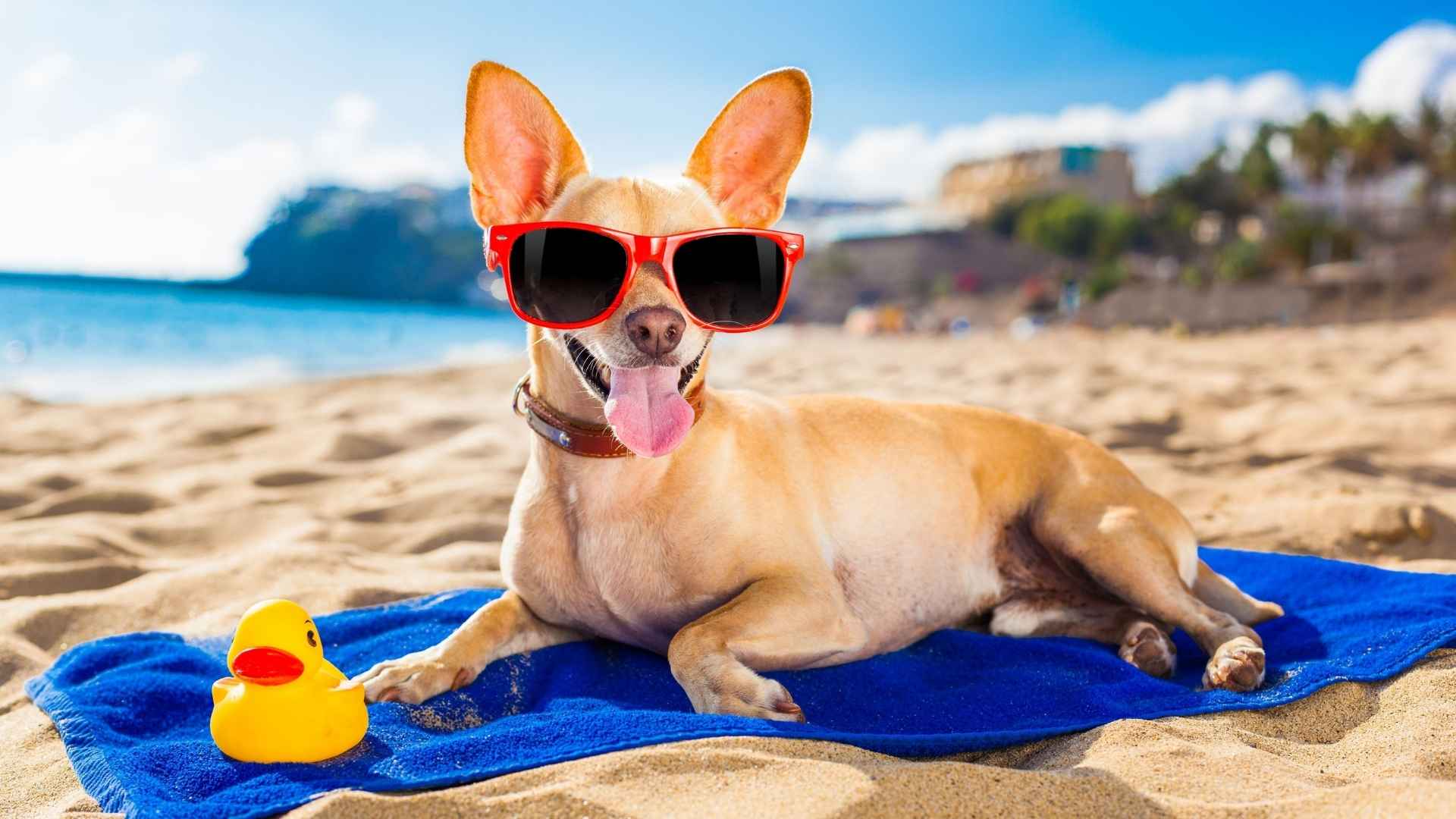
You love your dog, and you want to keep them safe and happy no matter the season. But when the temperature rises, you might wonder: can dogs survive in hot weather?
It’s not just about comfort—your dog’s health could be at serious risk if you don’t know how heat affects them. You’ll discover the crucial signs to watch for, simple ways to protect your furry friend, and what steps to take if things get dangerous.
Keep reading to make sure your dog stays cool, safe, and full of energy all summer long.
Signs Of Heat Stress In Dogs
Dogs can suffer from heat stress just like humans. Recognizing early signs helps protect your pet. Heat stress happens when a dog’s body temperature rises too high. This condition can quickly become dangerous without care. Watch for changes in behavior or physical symptoms. Acting fast can save your dog’s life.
Panting And Excessive Drooling
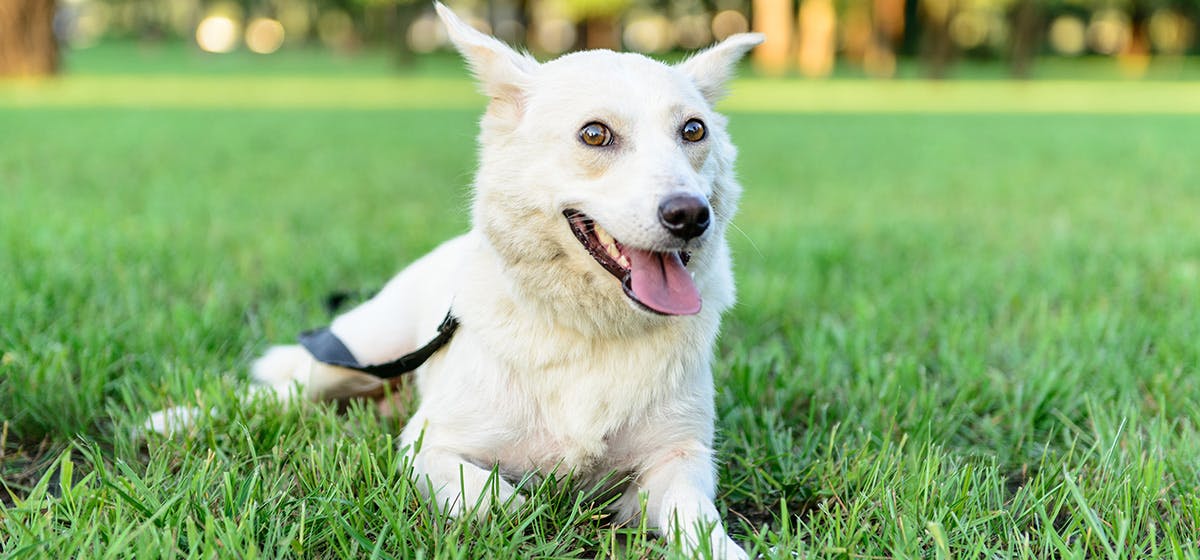
Dogs cool down by panting. Rapid, heavy panting signals overheating. Excessive drooling often appears with heavy breathing. Notice if your dog pants more than usual. This can mean their body struggles to stay cool.
Red Or Pale Gums
Check your dog’s gums regularly. Healthy gums are pink and moist. Bright red gums show overheating. Pale gums may suggest poor blood flow. Both are warning signs of heat stress.
Weakness And Lethargy
A tired or weak dog needs attention. Heat stress drains energy quickly. Your dog may lie down more or move slowly. Lack of interest in toys or walks is a concern. These signs mean the dog is struggling.
Vomiting Or Diarrhea
Upset stomach can result from heat stress. Vomiting or diarrhea makes dehydration worse. These symptoms require immediate care. Keep track of your dog’s bathroom habits in hot weather.
Confusion Or Disorientation
Heat stress affects the brain too. Dogs may seem confused or act strangely. They might stumble or have trouble standing. This is a serious sign needing urgent help.
Credit: wagwalking.com
Breeds Prone To Heat Sensitivity
Some dog breeds struggle more in hot weather than others. Their bodies do not cool down quickly. This makes them prone to heat sensitivity. Knowing which breeds need extra care during heat can save their lives.
Dogs with short noses, thick coats, or large bodies often face heat stress. They can easily get overheated and suffer from heatstroke. Owners must watch these breeds closely on hot days.
Brachycephalic Breeds
These dogs have short noses and flat faces. They include breeds like Bulldogs, Pugs, and Boxers. Their narrow airways limit breathing and cooling. They get tired fast and can overheat quickly.
Thick-coated Breeds
Dogs with dense fur, such as Huskies and Malamutes, struggle in hot weather. Their coats trap heat close to the skin. They feel hot even if the air temperature is mild. Regular grooming helps but does not remove all heat.
Large And Heavy Breeds
Big dogs like Saint Bernards and Mastiffs have large bodies. Their size makes it hard to cool down fast. They need plenty of water and shade to avoid heat stress. Avoid exercise during the hottest hours.
Older Dogs And Puppies
Age also affects heat sensitivity. Puppies and senior dogs cannot regulate body heat well. They tire quickly and need extra protection from heat. Always provide cool resting spots and fresh water.
Safe Exercise Practices
Exercising dogs in hot weather requires special care to keep them safe. Heat can cause stress and health problems. Safe exercise helps dogs stay fit without risk. Knowing how to protect your dog is important.
Choosing The Right Time
Exercise your dog during the coolest parts of the day. Early morning or late evening are best. Avoid midday hours when the sun is strongest. The ground can get very hot and burn paws. Shorter exercise sessions help prevent overheating.
Selecting Suitable Locations
Pick shaded areas for walking or running. Parks with lots of trees offer good protection from the sun. Grass is cooler than asphalt or concrete. Avoid hot pavement that can hurt your dog’s feet. Water access helps dogs cool down during exercise.
Hydration Strategies
Keeping your dog hydrated in hot weather is not just about leaving a bowl of water outside. It requires thoughtful strategies to ensure they stay healthy and comfortable. Hydration can directly impact their ability to regulate body temperature and avoid heat-related illnesses.
Access To Fresh Water
Always provide clean, fresh water for your dog, and check it frequently. Water left out in the sun heats up quickly and becomes less appealing. Try placing bowls in shaded areas to keep the water cool longer.
If you’re out for a walk or trip, bring a portable water bottle and a collapsible bowl. Dogs often drink less when water tastes stale or dirty, so keep refilling and refreshing their supply. Have you noticed your dog drinking less during summer? It might be time to change their water routine.
Incorporating Hydrating Foods
Adding hydrating foods to your dog’s diet can boost their water intake without extra effort. Fruits like watermelon (without seeds) and cucumber have high water content and are safe treats. You can also add broth—low sodium and onion-free—to their meals for extra hydration.
Some dog owners have seen a difference by mixing wet food with dry kibble, as wet food contains more moisture. Have you tried blending a bit of canned food into your dog’s regular meals during the heat? It’s an easy way to keep them hydrated and interested in eating.
Cooling Techniques For Dogs
Dogs can struggle to stay cool during hot weather. Their bodies do not sweat like humans. They rely on other ways to lower their temperature. Cooling techniques help protect dogs from heat stress and heatstroke. These simple methods keep dogs comfortable and safe on warm days.
Using Cooling Mats
Cooling mats provide a cool surface for dogs to lie on. They contain gel or water that stays cold for hours. Dogs feel relief when they rest on these mats. Place a cooling mat in your dog’s favorite resting spot. It helps reduce body heat quickly and safely.
Choose mats that are easy to clean and non-toxic. Some mats activate with pressure or water. Others need refrigeration before use. Cooling mats are lightweight and portable. Perfect for outdoor trips or home use.
Providing Shade And Ventilation
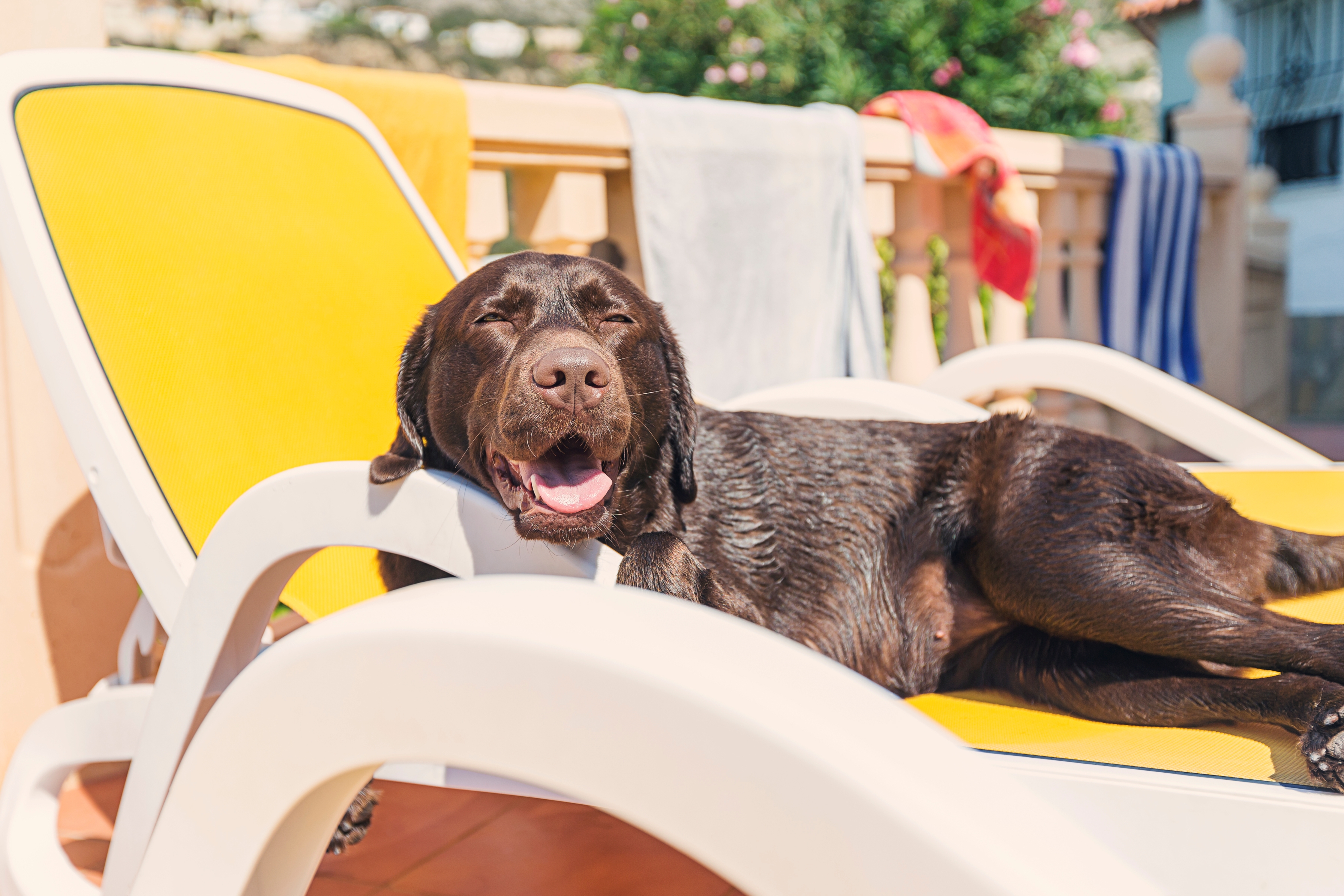
Shade is essential for dogs in hot weather. It blocks direct sunlight and lowers temperatures. Create shaded areas using trees, umbrellas, or canopies. Always ensure your dog can move freely in and out of shade.
Good airflow helps cool dogs naturally. Use fans or open windows for ventilation. This reduces humidity and helps heat escape. Avoid closed spaces that trap warm air. A shaded and well-ventilated spot keeps dogs comfortable longer.

Credit: www.youtube.com
Recognizing Heatstroke
Heatstroke is a serious condition that dogs can face in hot weather. It happens when a dog’s body gets too hot and cannot cool down. Recognizing heatstroke quickly can save your dog’s life. Watch for signs that show your dog is overheating. Acting fast is very important to prevent damage or worse.
Common Symptoms
- Heavy panting or difficulty breathing
- Bright red or pale gums
- Excessive drooling
- Weakness or collapse
- Dizziness or unsteady walking
- Vomiting or diarrhea
- Rapid heartbeat
- Seizures or unconsciousness
Immediate Actions To Take
- Move your dog to a cool, shaded area right away
- Offer small amounts of water to drink
- Use cool, wet towels on their body and paws
- Avoid cold water or ice, as it can shock the system
- Turn on a fan to help lower body temperature
- Call your vet immediately for advice and help
- Keep calm and watch your dog closely
Travel Safety In Hot Weather
Traveling with your dog in hot weather requires careful attention to keep them safe and comfortable. Heat can quickly become dangerous, especially when your furry friend is confined to a car or on a long journey. Knowing how to manage the environment during travel can make all the difference between a fun trip and a stressful, risky situation.
Keeping Cars Cool
Cars heat up fast, even with the windows slightly open. Never leave your dog unattended inside a parked vehicle, as temperatures can soar to deadly levels within minutes. Use sunshades on windows and park in shaded areas whenever possible to reduce heat buildup.
Consider using a portable fan or cooling mats designed for pets. These small additions can help maintain a lower temperature inside the car. Have water available at all times to keep your dog hydrated during the ride.
Planning Rest Stops
Frequent stops allow your dog to stretch, cool down, and drink water. Aim to stop every 1-2 hours, especially on long trips. Check for shaded or grassy areas where your dog can relax comfortably during breaks.
Use these moments to observe your dog for signs of overheating, such as excessive panting or lethargy. Would you wait too long before taking a break if you were feeling overheated? Your dog’s needs are just as urgent, if not more so.
Veterinarian Advice
Veterinarian advice is crucial when it comes to keeping your dog safe in hot weather. Professionals have the knowledge and experience to spot early signs of heat-related issues and offer guidance tailored to your pet’s needs. Listening to their recommendations can make the difference between a comfortable summer and a dangerous one for your furry friend.
When To Seek Professional Help
Watch your dog closely for signs like excessive panting, drooling, weakness, or confusion. If you notice any of these symptoms, contact your veterinarian immediately. Heatstroke can escalate quickly and requires prompt medical attention.
Don’t wait if your dog collapses or vomits repeatedly. These are urgent warning signs. Also, if your pet has pre-existing health conditions, check in with your vet before hot days arrive to adjust care plans.
Preventative Health Measures
Your vet can help you create a heat safety plan. This might include scheduling walks during cooler parts of the day or adjusting your dog’s diet to keep them hydrated.
- Ensure your dog has constant access to fresh water.
- Use cooling mats or damp towels to help regulate body temperature.
- Consider shade options if your dog spends time outdoors.
- Ask your vet about supplements that support hydration and skin health.
Have you ever thought about how much your dog’s breed affects its heat tolerance? Short-nosed breeds like Bulldogs or Pugs often struggle more and need extra care. Your vet can provide breed-specific advice that you won’t find in general guides.
Credit: www.kiplinger.com
Frequently Asked Questions
Can Dogs Survive Extreme Heat Conditions Safely?
Yes, dogs can survive extreme heat but with caution. They need shade, water, and limited outdoor time to prevent heatstroke.
How Do Dogs Regulate Body Temperature In Hot Weather?
Dogs cool down mainly by panting and sweating through their paws. They also seek shade and water to stay cool.
What Are Common Signs Of Heatstroke In Dogs?
Signs include excessive panting, drooling, weakness, and vomiting. Immediate cooling and vet care are crucial to prevent serious harm.
Which Dog Breeds Struggle Most With Hot Weather?
Brachycephalic breeds like Bulldogs and Pugs have difficulty cooling down due to short noses. Extra care is necessary for them.
Conclusion
Dogs can survive hot weather, but they need care and attention. Always provide fresh water and shade. Avoid walking dogs during the hottest hours. Watch for signs of heat stress like heavy panting or weakness. Cooling methods like wet towels help keep dogs safe.
Heat can be dangerous without proper care. Protect your dog to keep them happy and healthy in summer. Stay alert and act fast if your dog seems uncomfortable. Safe summer days make for happy pets.


