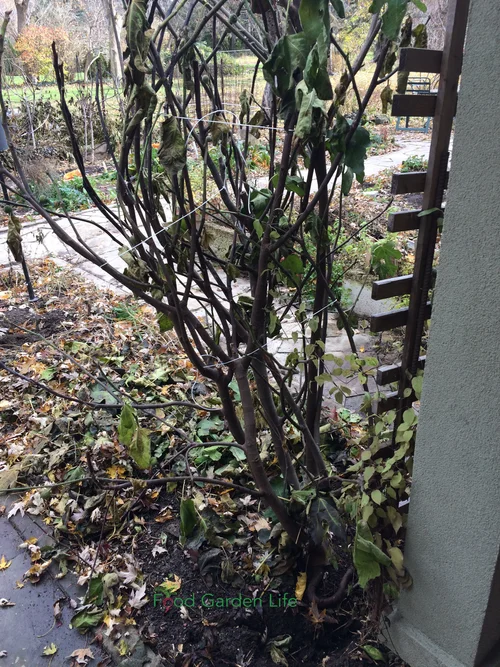
Are you wondering if your fig tree can brave the cold weather and still thrive? Fig trees are known for their sweet, delicious fruit, but they are often seen as plants that only grow well in warm climates.
What if you live somewhere with chilly winters? Can your fig tree survive the frost and freezing temperatures? You’ll discover practical tips and essential facts that will help you protect your fig tree when the cold sets in. Keep reading to find out how to keep your fig tree healthy and fruitful, no matter the weather outside.
Fig Tree Cold Tolerance
Fig trees are often seen thriving in warm climates, but how well can they handle colder weather? Understanding fig tree cold tolerance helps you decide if your garden can support this fruit-bearing plant. Knowing the limits of its hardiness saves you time and effort in protecting your tree during winter.
Understanding Fig Tree Hardiness Zones
Fig trees generally grow best in USDA hardiness zones 7 through 10. However, some varieties tolerate temperatures as low as 10°F (-12°C). It’s important to check the specific variety you have because cold tolerance varies widely.
For example, the Chicago Hardy fig can survive colder winters compared to the Brown Turkey fig. Knowing your zone and variety guides your winter care strategy.
Signs Your Fig Tree Is Struggling With Cold
Cold stress shows up as blackened leaves, cracked bark, or dieback on branches. If your fig tree has these symptoms after a cold snap, it means the cold tolerance threshold was exceeded.
Have you noticed these signs after a frosty night? Early detection helps you take quick action to save your tree.
Practical Ways To Improve Cold Tolerance
- Mulching:Add a thick layer of mulch around the base to insulate roots.
- Wrapping:Use burlap or frost cloth to protect the trunk and branches.
- Container Growing:If you live in a colder zone, grow figs in pots so you can move them indoors during winter.
These steps can increase your fig tree’s chances of surviving unexpected cold spells.
Personal Experience: My Fig Tree’s Winter Survival
In my garden, a young fig tree faced its first harsh winter. I mulched heavily and wrapped the trunk, which prevented root freeze and bark damage. The tree bounced back in spring, proving that simple protection works.
What could you do to prepare your fig tree for cold weather? Sometimes small efforts lead to big survival wins.

Credit: www.foodgardenlife.com
Identifying Cold-hardy Fig Varieties
Fig trees are often seen as plants that thrive only in warm climates. But some varieties can actually handle colder weather better than you might expect. Identifying these cold-hardy fig varieties can help you decide which type to grow if you live in a chilly area.
Choosing the right fig tree means looking beyond just the fruit. It’s about finding a variety that can survive frost and freezing temperatures without dying back completely. Have you ever wondered why some fig trees bounce back after a harsh winter while others don’t?
Understanding What Makes A Fig Variety Cold-hardy
Cold-hardiness in fig trees depends on their genetic background and natural habitat. Varieties from regions with colder winters tend to have stronger resistance to frost damage. This resistance allows them to survive temperatures as low as 10 to 15 degrees Fahrenheit.
These trees may lose their leaves during winter but come back robust in spring. You can expect them to endure occasional freezes without permanent harm. This trait is crucial if your winters dip below freezing regularly.
Top Cold-hardy Fig Varieties To Consider
| Variety | Cold Tolerance | Flavor Profile | Growth Habit |
|---|---|---|---|
| Chicago Hardy | Down to -10°F (-23°C) | Sweet and rich | Compact and bushy |
| Celeste | Down to 15°F (-9°C) | Sweet, honey-like | Upright and medium-sized |
| Brown Turkey | Down to 10°F (-12°C) | Mildly sweet | Spreading and vigorous |
These varieties proved their toughness by surviving winters in colder zones. I once planted a Chicago Hardy fig in a garden that saw hard freezes every winter. It still bore delicious fruit the following summer, which surprised me and my neighbors alike.
How To Spot A Cold-hardy Fig In Your Local Nursery
Not all nurseries label fig trees by their cold tolerance. Ask the staff directly about the tree’s origin and hardiness. You can also check for tags mentioning USDA hardiness zones or winter survival tips.
Look for trees with robust branches and healthy root systems. These signs indicate better chances of surviving cold snaps. Don’t hesitate to choose varieties recommended for your specific climate zone.
Preparing Fig Trees For Winter
Preparing your fig trees for winter is essential if you want them to survive the cold months and thrive again in spring. Fig trees are somewhat sensitive to frost, so taking steps before the first freeze can make a big difference. Let’s look at practical ways to protect your fig trees and boost their chances of surviving harsh weather.
Mulching Techniques
Mulching is one of the simplest yet most effective ways to protect fig tree roots from freezing. Use organic mulch like straw, leaves, or wood chips to cover the base of the tree. A thick layer, about 4 to 6 inches deep, insulates the soil and keeps the roots warm.
Remember to extend the mulch layer outward, covering the entire root zone, not just the trunk area. This practice also helps retain moisture and prevents soil from freezing and thawing repeatedly, which can stress the roots.
Have you tried using pine needles or shredded bark as mulch? These materials can also add acidity to the soil, which some fig varieties prefer. Experiment with different mulching materials to see what works best in your garden.
Pruning For Cold Resistance
Pruning fig trees before winter helps reduce the risk of frost damage. Cut back any weak or damaged branches, which are more vulnerable to cold. This allows the tree to focus its energy on protecting the stronger wood.
Keep your pruning cuts clean and avoid heavy pruning late in the season, as this can stimulate new growth that won’t harden off before cold weather. A light pruning that shapes the tree and removes dead wood is usually enough.
Think about the tree’s natural shape and how wind flows around it. Pruning to improve air circulation can prevent moisture buildup and reduce fungal problems during winter. Have you noticed how a well-pruned fig tree handles winter better in your area?
Protective Coverings
Protective coverings play a crucial role in helping your fig tree survive cold weather. They shield the tree from frost, freezing winds, and sudden temperature drops that can damage its delicate branches and buds. Using the right materials and techniques can make a big difference in your fig tree’s health during winter.
Using Burlap And Blankets
Burlap and blankets are excellent materials for wrapping your fig tree. Burlap allows the tree to breathe while providing insulation against cold air. You can wrap burlap around the trunk and branches, securing it loosely to avoid damaging the bark.
Blankets, especially old wool or fleece ones, add extra warmth when temperatures drop below freezing. Avoid plastic covers as they trap moisture and can cause mold or rot. Instead, use blankets to drape over the tree, anchoring the edges with stones or stakes to keep out cold drafts.
Building Temporary Structures
Creating temporary structures around your fig tree gives it a mini greenhouse effect, trapping warmth and protecting it from harsh winds. You can use wooden stakes or metal rods to build a frame, then cover it with clear plastic or frost cloth.
Make sure the structure allows some air circulation to prevent overheating during sunny winter days. These shelters can be removed when the weather warms up, giving your fig tree the protection it needs without permanent changes to your garden.
Watering Strategies In Winter
Fig trees need less water in winter, but they still require the right care to survive cold weather. Overwatering can cause root rot, while underwatering stresses the tree. Finding the right watering balance keeps your fig healthy through chilly months.
Adjusting Water Amounts Based On Temperature
Lower temperatures slow down a fig tree’s growth, so its water needs drop. You should reduce watering frequency to about once every two to three weeks, depending on how cold it gets. Check the soil moisture before watering—if the top 2 inches feel dry, it’s time to water.
Using Mulch To Retain Soil Moisture
Adding a layer of mulch around the base of your fig tree helps keep the soil moist and insulated. Organic materials like straw or shredded leaves work well. Mulch not only reduces evaporation but also protects roots from sudden temperature changes.
Watering Techniques To Avoid Root Damage
Water your fig tree slowly and deeply to encourage strong root growth. Avoid watering the leaves or trunk, as this can cause fungal issues in cold weather. Using a drip irrigation system or watering at the soil level helps keep your tree healthy.
Signs Your Fig Tree Needs More Or Less Water
Watch for yellowing leaves or leaf drop—these often signal overwatering. On the other hand, dry, brittle leaves can mean underwatering. Adjust your watering routine based on these signs to help your fig thrive through winter.
Credit: www.foodgardenlife.com
Soil Insulation Methods
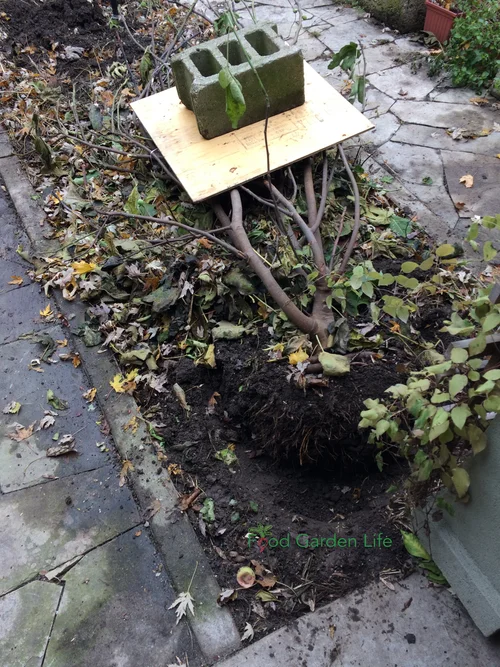
Protecting your fig tree’s roots during cold weather is just as important as shielding its branches. Soil insulation methods help keep the ground temperature stable, preventing the roots from freezing. This support can make a big difference in whether your fig tree survives harsh winters or not.
Using Mulch To Keep Soil Warm
Mulch acts like a blanket for the soil around your fig tree. Applying a thick layer of organic mulch—such as straw, leaves, or wood chips—helps trap heat and maintains moisture.
Make sure the mulch layer is about 3 to 4 inches deep. This thickness creates an effective barrier against cold air. If you’ve ever noticed how plants survive under fallen leaves in a forest, that’s a natural example of mulch at work.
Creating A Soil Mound Around The Base
Piling soil around the base of the fig tree adds extra insulation to the root zone. This simple method raises the ground level, offering more protection from freezing temperatures.
Use loose, well-draining soil and build a mound about 6 to 8 inches high. The soil mound absorbs sunlight during the day and slowly releases warmth at night, which helps keep the roots cozy.
Covering Soil With Protective Fabrics
Covering the soil with breathable garden fabrics, like frost cloths or burlap, can shield the roots from cold winds. These materials allow moisture and air to pass through but reduce heat loss.
You can secure the fabric by tucking it under the mulch or soil mound to prevent it from blowing away. This method works best combined with mulch or soil mounding for added warmth.
Indoor Overwintering
Fig trees struggle with cold outdoor temperatures. Indoor overwintering helps protect them during harsh winters. Bringing fig trees inside keeps them safe from frost damage. It also allows the tree to rest and store energy for the next growing season.
Container-grown Fig Trees
Fig trees grown in containers adapt well to indoor overwintering. Their roots stay confined, making relocation easier. Choose pots with good drainage to avoid root rot. Move the container indoors before temperatures drop below 50°F (10°C). This prevents cold stress and keeps the tree healthy.
Creating Optimal Indoor Conditions
Find a bright spot with indirect sunlight for your fig tree. Maintain room temperatures between 60°F and 70°F (15°C to 21°C). Avoid placing the tree near heaters or cold drafts. Water sparingly, allowing soil to dry between watering sessions. Keep humidity levels moderate to prevent leaf drop.

Credit: www.figboss.com
Monitoring And Maintenance
Fig trees need close monitoring and regular maintenance to survive cold weather. Careful attention helps spot problems early and protect the tree. Cold damage can be hidden at first but grows worse with time. Checking the tree often ensures quick action.
Proper maintenance also supports the tree’s health through winter. Adjusting care helps the fig recover and stay strong. Simple steps make a big difference in cold survival.
Checking For Frost Damage
Look at fig tree leaves and branches after cold nights. Frost damage shows as blackened or wilted leaves. Branches may become brittle or dark in color. Check the bark for cracks or peeling.
- Inspect new growth carefully; it is most sensitive to frost.
- Look for signs of slow drying or unusual softness in stems.
- Note any spots where sap leaks or drips.
Early frost damage might not be obvious. Check daily during cold spells. Use gloves to gently test branch flexibility. Dead wood breaks easily.
Adjusting Care Practices
After frost, change watering and feeding routines. Reduce water slightly to prevent root rot. Do not fertilize until new growth appears. Protect the roots with mulch to keep soil warm.
- Wrap trunks with burlap or garden fabric for extra insulation.
- Prune dead or damaged branches to encourage healthy growth.
- Move potted figs indoors or to sheltered spots during freezing weather.
Keep monitoring temperature and tree condition. Adjust care based on weather changes. Healthy maintenance helps fig trees bounce back from cold stress.
Frequently Asked Questions
Can Fig Trees Survive Freezing Temperatures?
Fig trees can survive mild frost but struggle with prolonged freezing. Protecting them with mulch or covers helps prevent damage during cold spells.
What Is The Cold Hardiness Zone For Fig Trees?
Most fig trees thrive in USDA zones 7-10. They tolerate temperatures down to about 10°F (-12°C) but need protection below this.
How To Protect Fig Trees From Winter Cold?
Wrap fig trees with burlap or frost cloth. Mulching around the base insulates roots and reduces cold stress during winter months.
Do Fig Trees Lose Leaves In Cold Weather?
Yes, fig trees are deciduous and shed leaves in cold seasons to conserve energy and survive lower temperatures.
Conclusion
Fig trees can survive cold weather with some care. Protect young trees from frost using covers or mulch. Choose cold-hardy varieties to increase survival chances. Keep watering moderate during winter months. Prune damaged branches in early spring. Cold weather slows growth but does not kill all fig trees.
A little attention helps your fig tree thrive year after year. Patience and care pay off in delicious fruit harvests. Growing figs in colder areas is possible with these tips. Enjoy nurturing your fig tree through chilly seasons.


