Have you ever wondered if head lice can survive when the temperature drops? You might think that cold weather would stop these pesky bugs in their tracks.
But is that really true? Understanding how head lice react to cold can help you protect yourself and your family better. Keep reading to discover the surprising facts about head lice and cold weather—and find out what you can do to keep them away for good.
Head Lice Characteristics
Understanding the characteristics of head lice is essential if you want to protect yourself and your family, especially when wondering if these pests can survive cold weather. Knowing what makes lice unique helps you spot them early and take action before they multiply. Let’s break down their physical traits and life cycle to give you a clear picture of what you’re dealing with.
Physical Traits
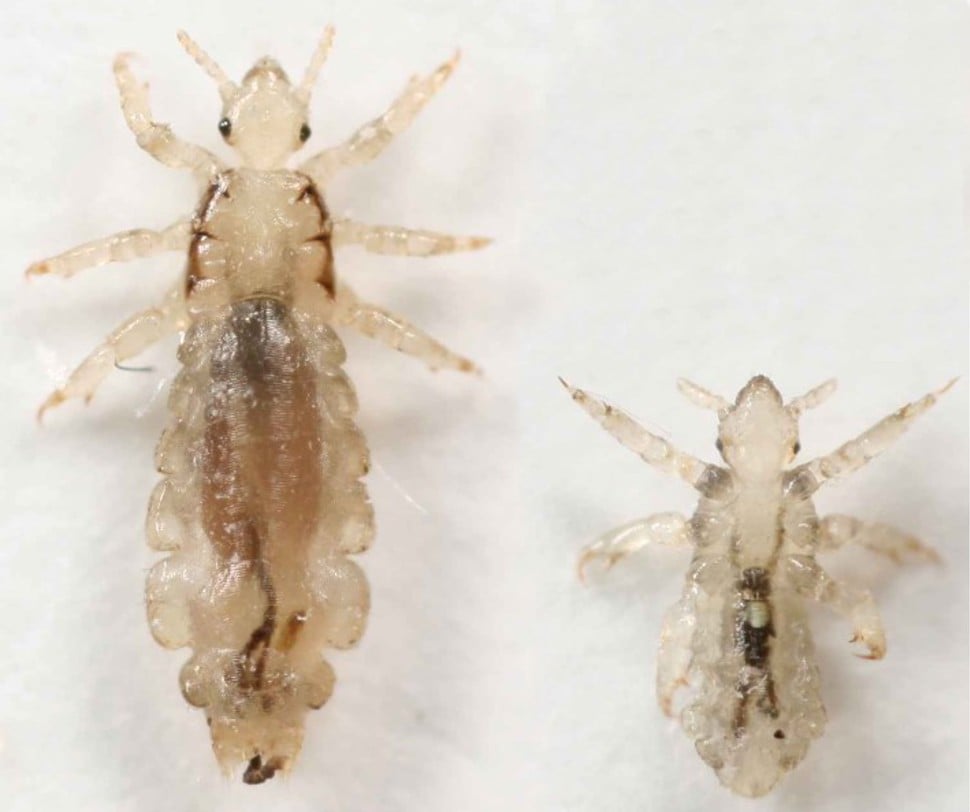
Head lice are tiny insects, usually about the size of a sesame seed. They have six legs equipped with claws that help them cling tightly to hair strands. Their bodies are flat and wingless, which allows them to move quickly through hair but not survive long off the scalp.
Their color varies from gray to tan, and they often appear darker after feeding on blood. You might find it hard to see them because they blend well with hair, but their eggs, called nits, are easier to spot—small white or yellowish dots stuck near the scalp.
Life Cycle
Head lice go through three main stages: egg, nymph, and adult. Nits hatch in about 7 to 10 days, releasing nymphs that look like smaller adults but aren’t yet capable of reproduction. These nymphs mature in another 7 to 10 days and start laying eggs within a day or two after becoming adults.
The entire life cycle takes about 3 weeks, and a female louse can lay up to 10 eggs each day. This quick reproduction explains how infestations can grow fast, especially if you don’t catch them early. Have you ever wondered why some treatments seem to fail? It’s often because they don’t target all stages of the lice life cycle.

Credit: uk.news.yahoo.com
Impact Of Cold Weather
Cold weather might seem like a natural barrier against head lice, but their survival in such conditions is more complex than you might think. Understanding how chilly temperatures affect these pests can help you better protect yourself and your family. Let’s dig into how lice manage to cope with the cold and what that means for you.
Survival Mechanisms
Head lice don’t have wings or the ability to jump, so they rely heavily on close contact to spread. In cold weather, they stay close to the scalp where body heat keeps them warm. This is why they rarely survive long off a human host—even in freezing temperatures.
They also produce a protective coating on their eggs, called nits, which shields them against harsh environmental conditions. This means that even if the outside temperature drops, nits can remain viable for weeks. Have you ever wondered why lice infestations can persist through winter months? This protective layer plays a big role.
Temperature Tolerance
Research shows that head lice thrive best between 20°C and 30°C (68°F to 86°F). Temperatures below 10°C (50°F) start to slow their activity and reproduction. However, lice can survive short periods of exposure to cold if they are on the scalp or in warm environments like hats or scarves.
When lice fall off the scalp into cold air, they typically die within 1-2 days. But in your daily life, items like hats or bedding can trap heat and help them survive longer than you might expect. So, should you worry about lice hiding in your winter gear? It’s wise to regularly wash and dry these items on high heat to keep lice from sticking around.
Habitat And Behavior
Head lice are tiny insects that live close to the human scalp. Their habitat and behavior help them survive and spread easily. Understanding where they prefer to live and how they adapt can explain if cold weather affects them.
Preferred Environments
Head lice thrive in warm and humid places. They live almost exclusively on the scalp, near the hair roots. The warmth from the human body keeps them alive and active. They avoid cold, dry areas because it harms their survival.
They prefer environments such as:
- Scalp behind the ears
- Neck area
- Hair close to the head
These spots provide steady warmth and easy access to blood, their food source.
Adaptation Strategies
Head lice cannot survive long off the scalp. They quickly lose moisture and die in cold or dry conditions. To survive, they cling tightly to hair strands. This helps them stay close to their warm habitat.
They also lay eggs called nits on hair shafts. Nits are glued firmly and hatch in about a week. This ensures the next generation stays near the warmth of the scalp.
Their behavior limits exposure to cold. They move slowly and avoid falling off. This natural strategy keeps them safe from harsh weather outside the scalp.
Myths And Misconceptions
Many people believe that cold weather can kill head lice, leading to common myths that lice cannot survive in winter months. These misconceptions often cause confusion about prevention and treatment. Let’s separate fact from fiction to help you protect yourself and your family effectively.
Common Beliefs
One popular belief is that freezing temperatures outdoors will kill head lice instantly. Some think that lice cannot live outside the warmth of the human scalp, especially during cold winters. Others assume that exposing hair to cold air or snow naturally eliminates these pests without any treatment.
Have you ever noticed lice outbreaks continuing even during the coldest months? This challenges the idea that cold weather alone can solve the problem. People often rely on these myths and delay proper lice treatments, which can make infestations worse.
Scientific Evidence
Scientific studies show that head lice are highly adapted to survive on the human scalp, where the temperature remains stable around 34-36°C (93-97°F). They do not survive long away from the warm environment of the scalp, but cold outdoor temperatures do not affect them when they are attached to hair.
Research reveals that lice can survive for several hours off the host, especially in colder conditions, which slow down their metabolism and prolong their life outside the scalp. So, simply leaving items like hats or combs in the cold won’t guarantee lice are dead.
- Lice eggs (nits) are even more resilient and can survive harsh conditions until they hatch.
- Cold weather does not kill lice on the scalp or inside clothing and bedding.
- Effective treatment requires proper lice-killing shampoos and combing, regardless of the season.
So next time you hear someone say, “Cold weather kills lice,” ask yourself: Why do lice outbreaks still happen during winter? Understanding the science helps you take the right action instead of relying on false hopes.
Prevention And Treatment
Preventing and treating head lice is essential regardless of the weather. Cold temperatures do not kill lice, so taking action is necessary to stop their spread. Early prevention and proper treatment help protect your family and friends from infestations.
Effective Measures
- Regularly check hair, especially behind ears and neck.
- Use fine-toothed lice combs to remove lice and nits.
- Avoid sharing hats, combs, and hair accessories.
- Wash bedding and clothing in hot water to kill lice.
- Vacuum floors and furniture to remove fallen hairs with nits.
- Apply approved lice treatments following package instructions carefully.
- Repeat treatments after 7–10 days to catch newly hatched lice.
When To Seek Professional Help
Persistent lice after several treatments need expert attention. Professionals use stronger treatments not available over the counter. They can also check the whole family to prevent re-infestation. Consult a doctor if you notice skin irritation or allergic reactions. Early help stops lice from spreading further.
Credit: www.statesman.com

Credit: ca.style.yahoo.com
Frequently Asked Questions
Can Head Lice Survive In Cold Weather Conditions?
Head lice cannot survive long in cold weather away from the human scalp. They thrive close to body warmth, so cold temperatures reduce their survival rate significantly.
Do Cold Climates Kill Head Lice Effectively?
Cold climates alone do not kill head lice instantly. Prolonged exposure to temperatures below 30°F can kill them, but typical outdoor cold is usually not enough to eliminate infestations.
How Do Head Lice Stay Alive During Winter?
Head lice stay alive during winter by clinging to the warm scalp. They rely on body heat, so indoor heating and close contact help them survive cold seasons.
Can Head Lice Spread More In Winter Than Summer?
Head lice spread similarly in winter and summer since transmission depends on close contact, not temperature. Children in schools remain the main group affected year-round.
Conclusion
Head lice do not die in cold weather. They stay close to the scalp for warmth. Cold air outside does not kill them. Treating lice is necessary, no matter the season. Regular checks help catch lice early. Use safe methods to remove lice effectively.
Keep sharing this knowledge to stop lice spread. Winter or summer, lice remain a problem. Stay alert and protect yourself and others.


