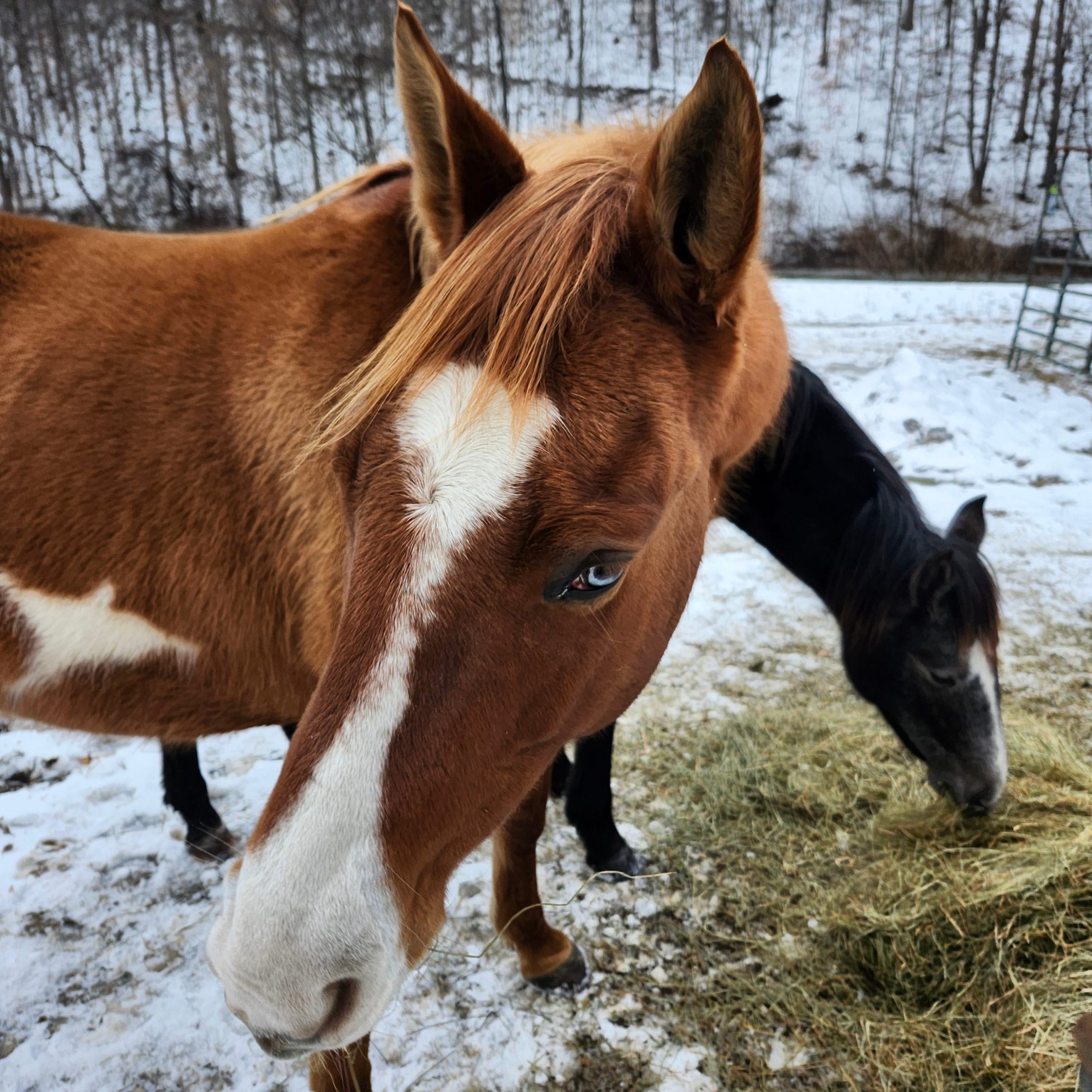
Have you ever wondered if your horse can handle freezing temperatures without any trouble? When cold weather sets in, it’s natural to worry about your horse’s comfort and health.
You want to make sure your companion stays safe and happy, no matter how chilly it gets outside. You’ll discover how horses cope with cold weather and what you can do to help them thrive when the temperature drops. Keep reading to learn simple, effective ways to protect your horse through the winter months.
Horse Physiology In Cold Weather
Horses have special body features that help them survive cold weather. Their bodies work in ways that keep them warm and safe during low temperatures. Understanding these features helps us care for horses better in winter.
Thick Winter Coat
Horses grow a thick winter coat as the cold season approaches. This coat acts like a natural blanket. It traps heat close to their skin. The hair stands up, creating air pockets for insulation. This keeps the horse warm without extra energy use.
Body Fat And Energy Use
Horses increase their body fat in cold months. Fat acts as an extra layer of insulation. It also provides energy when food is scarce. Horses burn more calories in winter to keep warm. They need more food to maintain their body heat.
Circulatory System Adaptations
Horses have a unique blood flow system in their legs. It reduces heat loss in cold weather. Blood vessels constrict to keep heat near the body’s core. This helps protect their legs from freezing. It also supports overall warmth.
Behavioral Responses To Cold
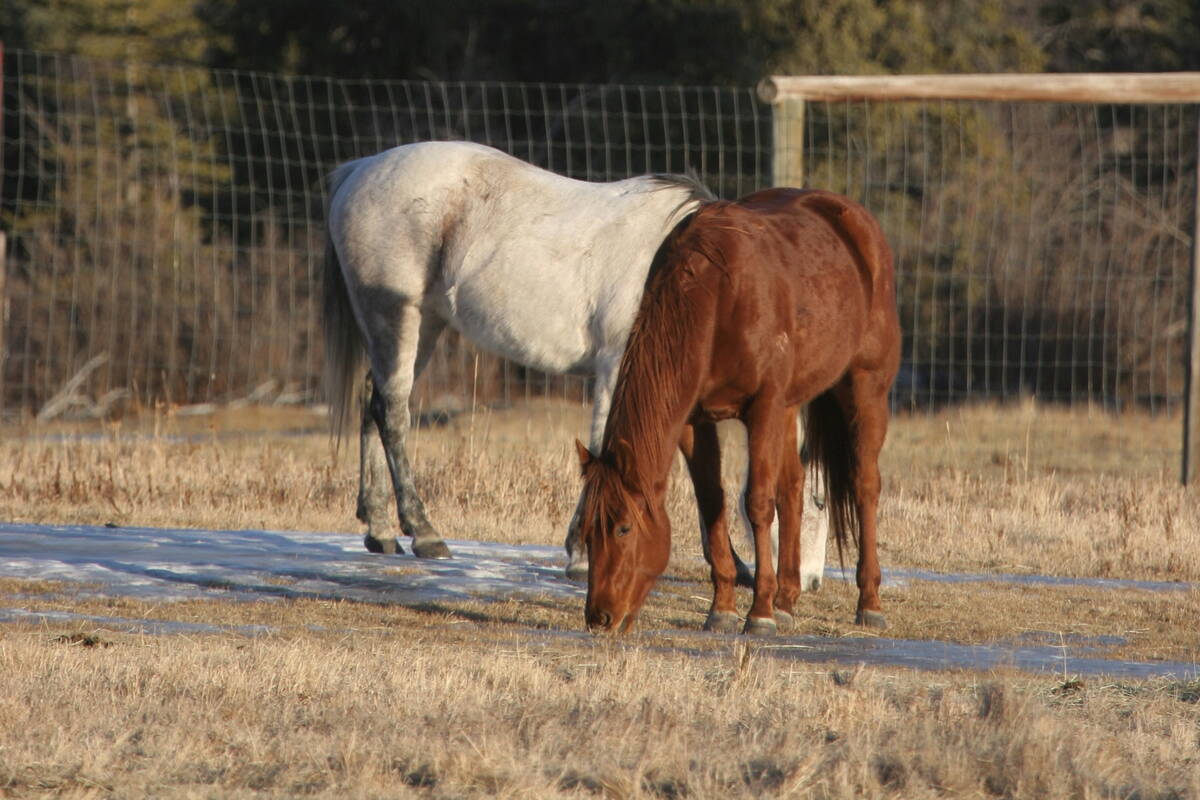
Horses change their behavior to handle cold better. They stand with their backs to the wind. They huddle together to share body heat. Horses may move less to save energy. These actions help them stay warm naturally.
Natural Adaptations
Horses have special ways to handle cold weather naturally. Their bodies change to keep them warm and safe in low temperatures. These adaptations help horses survive harsh winters without much trouble. Two main features stand out: their thick winter coat and stored fat reserves. Both work together to protect horses from the cold.
Thick Winter Coat
Horses grow a thick winter coat as the weather cools down. This coat has long, dense hair that traps heat close to the skin. It acts like a natural blanket against wind and snow. The hair also repels water, keeping the horse dry during wet weather. This coat changes with the seasons, becoming thinner in spring and summer.
Fat Reserves
Horses build up fat reserves under their skin before winter arrives. This fat helps keep their body heat inside. It also provides extra energy during cold days when food might be scarce. Fat acts as insulation, reducing heat loss through the body. Healthy fat levels are key for a horse’s survival in cold climates.
Shelter Needs
Horses need proper shelter to stay safe and comfortable during cold weather. Shelter protects them from harsh winds, rain, and snow, which can lower their body temperature quickly. Understanding what kind of shelter works best can make a big difference in your horse’s health through winter.
Stabling Vs. Open Shelter
Stabling offers full protection by keeping your horse indoors, away from cold drafts and wet conditions. However, it requires good ventilation to avoid moisture buildup, which can cause respiratory issues.
Open shelters provide a roof and three walls but leave one side open. This setup blocks wind and precipitation but still allows fresh air. Many horses prefer this because it lets them move freely while staying protected.
Think about your horse’s behavior and needs. Does your horse handle cold well or does it shiver quickly? If your horse is older or less healthy, a stable might be better. For a hardy, younger horse, a well-built open shelter might be enough.
Windbreaks And Insulation
Wind is one of the biggest threats in cold weather. Even a slight breeze can chill your horse. That’s why windbreaks are essential—they block the wind and reduce heat loss.
You can create windbreaks using natural features like trees or man-made barriers such as fences lined with tarps or hay bales. Adding insulation to shelters, like thick walls or insulated panels, helps keep warmth inside.
Have you noticed how horses often huddle behind fences or bushes on cold days? That’s their instinct telling us windbreaks matter. Providing these can reduce stress and energy your horse uses to stay warm.
Credit: mynewhorse.equusmagazine.com
Nutritional Requirements
Keeping your horse healthy during cold weather means paying close attention to its nutritional needs. Cold temperatures cause horses to burn more energy just to stay warm. This means their diet must adjust to support this extra effort and keep them strong.
Increased Caloric Intake
Your horse needs more calories in winter than in warmer months. Extra energy helps maintain body heat and supports daily activities despite the chill. Adding more hay is a simple way to boost calories—fiber digestion generates heat inside the horse’s body.
Grain and concentrates can also help but should be added carefully to avoid digestive upset. Watch your horse’s weight and condition closely. If you notice weight loss or a dull coat, it’s time to increase calories.
Think about your own experience on cold days—does your body crave more food for warmth? Horses are no different. Adjusting their meals can prevent cold stress and keep them comfortable.
Water Accessibility
Water is just as important as food in cold weather. Horses may drink less when water is too cold or frozen, leading to dehydration and related health issues. Make sure your horse always has access to fresh, unfrozen water.
Using heated water buckets or water trough heaters can encourage drinking. Check water sources multiple times a day to ensure they remain ice-free. Remember, even mild dehydration can cause colic or other serious problems.
Have you ever felt sluggish after not drinking enough water? Your horse feels the same way. Keeping water accessible is a simple but crucial part of winter care.
Health Monitoring
Monitoring your horse’s health during cold weather is crucial. Cold conditions can challenge even the hardiest horses, making it essential to spot early signs of distress. Staying attentive helps you act quickly and protect your horse’s well-being.
Recognizing Cold Stress
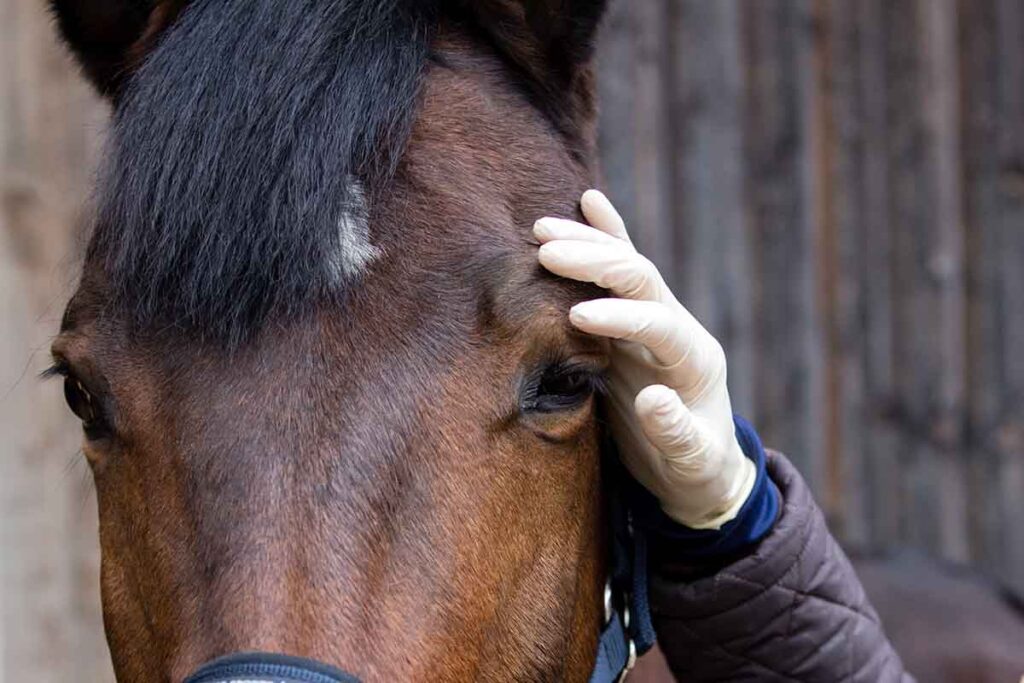
Cold stress happens when a horse struggles to maintain its normal body temperature. You might notice your horse shivering or standing with a tucked tail and lowered head. Their coat could look dull or wet, and they may seem lethargic or less willing to move.
Check their body condition regularly. Thin horses or those with short coats are more vulnerable. If your horse is shivering persistently, it’s a clear signal they are losing heat faster than they can produce it.
Signs Of Hypothermia
Hypothermia is a serious risk during extreme cold. Look for signs like weakness, stumbling, or slow, shallow breathing. The ears, legs, and tail might feel cold to the touch, and the horse could appear confused or unresponsive.
Don’t ignore a drop in body temperature. If you suspect hypothermia, warm your horse gradually using blankets and move them to a sheltered area. Cold weather demands your careful observation to keep your horse safe and healthy.
Credit: www.manitobacooperator.ca
Exercise And Activity
Exercise and activity play a vital role in a horse’s health during cold weather. Staying active helps horses maintain body heat and muscle tone. It also supports good circulation and mental well-being. Cold weather can make horses less willing to move, but careful management keeps them fit and safe.
Maintaining Fitness
Regular exercise prevents stiffness and loss of muscle strength. Horses need gentle workouts, such as walking or light trotting. These activities keep joints flexible and muscles strong. Consistent movement helps horses burn calories, which is important for warmth. Riding or lunging in a safe, clear area works well. Turnout time in a paddock lets horses move naturally and stretch their legs.
Avoiding Overexertion
Cold air can be harsh on horses’ lungs during heavy exercise. Avoid long or intense workouts to protect their breathing. Watch for signs of fatigue or discomfort. Slippery or icy ground increases injury risk. Limit activity on unsafe surfaces. Warm up horses slowly and cool them down properly. Proper hydration and nutrition support recovery after exercise. Balance is key: enough activity to stay fit, but not so much it causes harm.
Hoof Care In Winter
Hoof care in winter is vital for horses to stay healthy and comfortable. Cold weather can cause unique challenges for hooves. Snow, ice, and wet conditions affect hoof health and traction. Proper care helps prevent injuries and infections during harsh months.
Preventing Ice Build-up
Ice can form inside hooves, causing discomfort and slips. Removing snow and ice regularly keeps hooves safe. Use special hoof picks to clear ice from hooves after walks. Consider using non-slip pads or shoes designed for winter. These tools improve grip on icy surfaces. Check hooves daily for packed snow or ice.
Regular Trimming
Winter trimming keeps hooves balanced and healthy. Trim hooves every 6 to 8 weeks to prevent cracks and splits. Proper trimming helps horses walk easily on snow and ice. It also stops dirt and ice from getting trapped. Work with a farrier experienced in winter hoof care. Well-maintained hooves reduce the risk of injury and infection.
Blanketing Guidelines
Blanketing your horse during cold weather can be a tricky decision. It’s not just about keeping them warm but also ensuring their comfort and health. Understanding the right time to blanket and selecting the proper blanket can make a huge difference in how your horse handles the chill.
When To Blanket
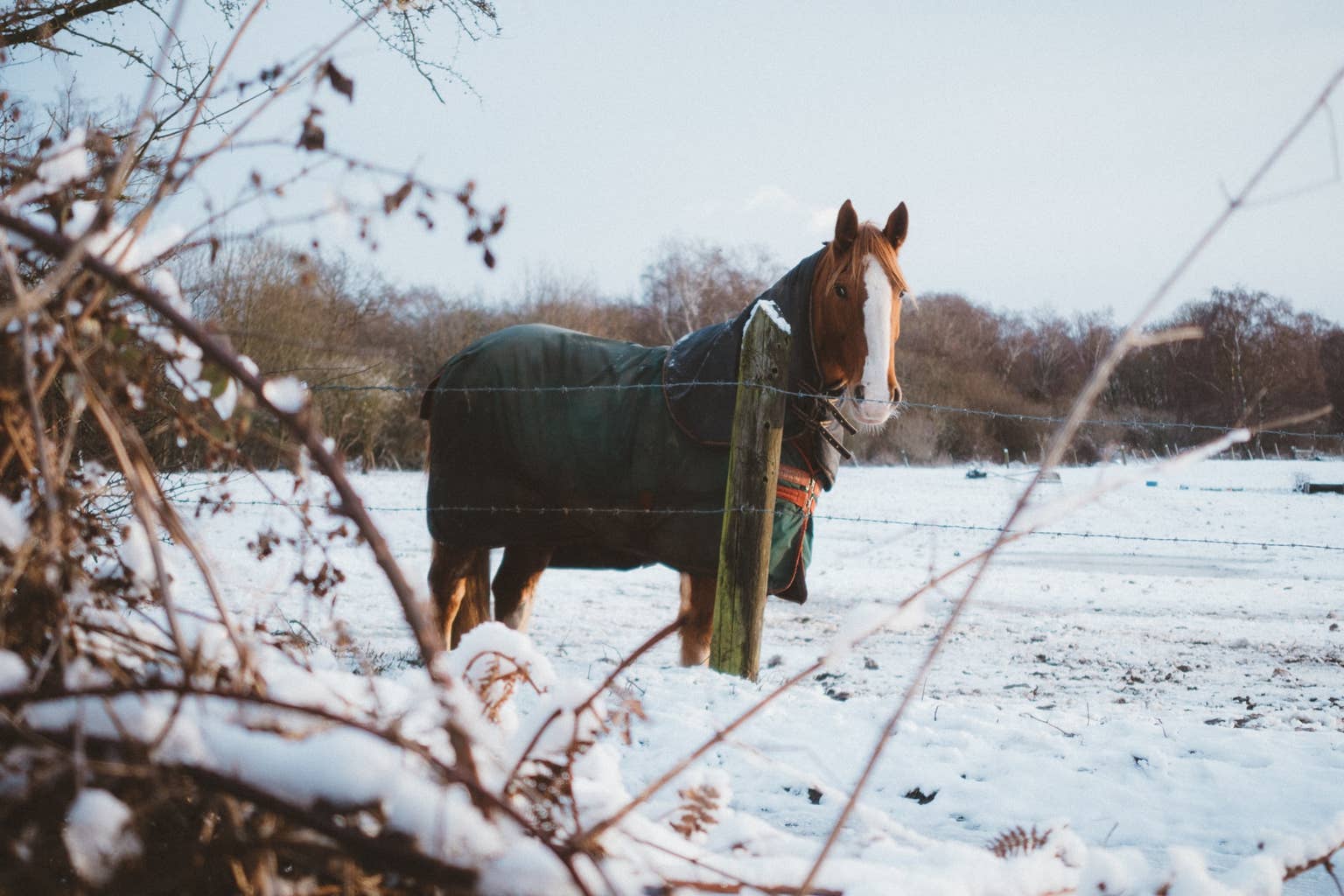
Not every cold day means your horse needs a blanket. Horses have natural coats that insulate well, especially if they are healthy and have been acclimated to the cold. You should consider blanketing if the temperature drops below 20°F (-6°C), particularly for older horses, those with thin coats, or horses clipped for showing or work.
Also, think about your horse’s living conditions. Horses kept in stalls or without shelter lose more body heat compared to those in open barns or fields with natural windbreaks. Have you noticed your horse shivering or seeming lethargic on cold days? That’s a clear sign to add a blanket.
Choosing The Right Blanket
Blankets come in various weights, from lightweight sheets to heavy turnout blankets. The key is matching the blanket’s warmth to your horse’s needs and environment. A lightweight sheet might be enough for a mild winter day, but for wet or freezing conditions, a waterproof, insulated turnout blanket is essential.
Pay attention to fit and quality. A poorly fitting blanket can cause rubbing or restrict movement, leading to discomfort or injury. Look for breathable materials to prevent overheating and moisture buildup. Have you checked your horse’s blanket regularly for wear and proper fit? This simple habit can prevent many problems.
Community And Support
Facing cold weather with your horse isn’t just about preparation—it’s about having a strong network around you. Community and support can make a huge difference in how well your horse handles harsh conditions. You don’t have to go through winter challenges alone; others’ experiences and expertise can help you provide better care.
Networking With Other Horse Owners
Connecting with fellow horse owners gives you access to practical advice that you won’t find in books. They can share what worked and what didn’t during previous winters. Have you ever noticed how advice from someone in your local area often fits better than general tips?
Joining local horse clubs or online forums lets you:
- Discuss feeding adjustments for cold weather
- Share tips on shelter setups that really protect from wind and snow
- Swap equipment or suggest trusted suppliers for winter gear
Building these relationships means you can call on trusted friends when unexpected problems arise. It’s not just about advice; it’s about emotional support and quick help.
Professional Veterinary Assistance
Even the best community can’t replace expert care. A vet who knows your horse’s history is essential for spotting cold-related health issues early. Do you have a vet on call who understands the unique challenges your horse faces during winter?
Regular check-ups can prevent problems like frostbite, dehydration, or respiratory issues. Vets can also advise on vaccination schedules and supplements that boost your horse’s winter resilience.
Keep your vet’s contact information handy and don’t hesitate to reach out if you notice unusual symptoms. Early intervention often means a quicker recovery and less stress for your horse.
Credit: pethelpful.com
Frequently Asked Questions
Can Horses Naturally Survive Cold Winter Weather?
Yes, horses can naturally survive cold weather due to their thick winter coats. They adapt by growing dense fur and increasing fat layers. Proper shelter and nutrition help them stay healthy during winter.
How Do Horses Keep Warm In Freezing Temperatures?
Horses keep warm by fluffing their fur to trap heat. They generate body heat through movement and rely on fat reserves. Adequate feeding and shelter enhance their ability to withstand cold.
Do Horses Need Blankets In Cold Weather?
Blankets help horses, especially older or sick ones, stay warm in extreme cold. Healthy horses with thick coats may not need blankets. Always assess the horse’s condition before using blankets.
What Shelter Is Best For Horses In Winter?
A windproof, dry shelter with good ventilation is ideal. It protects horses from rain, snow, and wind chills. Natural or constructed shelters help horses conserve body heat.
Conclusion
Horses can live well in cold weather with the right care. They grow thick coats that help keep them warm. Providing shelter and enough food is very important. Water should not freeze, so keep it fresh. Watch for signs of cold stress or illness.
Proper care helps horses stay healthy all winter. Cold weather is not a problem if you prepare well. Horses are strong animals that adapt to cold climates. Keep their needs in mind to ensure their comfort. Winter can be safe and comfortable for your horse.


