
Have you ever wondered how monarch butterflies manage to survive when the cold weather sets in? These delicate creatures face a tough challenge when temperatures drop, but their survival story is more fascinating than you might think.
If you’re curious about what happens to monarch butterflies in chilly conditions and how they cope, this article will give you clear answers. Keep reading to discover the surprising ways these butterflies brave the cold and what it means for their future.
Monarch Butterflies And Their Migration
Monarch butterflies are famous for their long journeys across North America. Their migration is a natural wonder that helps them survive cold weather. These butterflies travel thousands of miles to find warmer places where they can rest and reproduce. This migration is a key part of their life cycle and survival strategy.
Migration Patterns
Monarchs follow specific routes during migration. They fly south in the fall to escape freezing temperatures. Their destinations include forests in Mexico and coastal California. In spring, they return north to lay eggs on milkweed plants. These routes are passed down through generations. Monarchs do not rely on memory but on environmental cues like the sun and magnetic fields.
Distance And Duration
The migration covers up to 3,000 miles. Monarchs can travel about 50 to 100 miles per day. The entire journey takes several weeks to months. Some monarchs live only a few weeks, but migratory ones can survive for 8 to 9 months. This longer lifespan helps them complete the round trip. The journey is tiring and dangerous, but it is essential for their survival.

Credit: buckrail.com
Cold Weather Challenges
Cold weather brings serious challenges for monarch butterflies. These delicate creatures struggle to maintain their vital functions as temperatures drop. Understanding how cold affects them can help you protect and support monarch populations in your area.
Temperature Sensitivity
Monarch butterflies are extremely sensitive to temperature changes. Their bodies rely on warm conditions to stay active and fly. When temperatures fall below 55°F (13°C), their muscles stiffen, making movement difficult or impossible.
Exposure to freezing temperatures can be deadly. Monarchs don’t have the ability to produce antifreeze-like compounds, so ice formation inside their bodies can cause fatal damage. If you’ve ever noticed butterflies being sluggish on chilly mornings, that’s why.
Impact On Life Cycle
Cold weather interrupts the monarch life cycle in several ways. Cold snaps can delay or halt egg-laying and caterpillar growth, reducing the next generation’s numbers. Have you ever wondered why fewer monarchs appear after a harsh winter?
During migration, monarchs depend on specific roosting sites that offer shelter from cold winds. Without these protected spots, many butterflies may not survive the journey. Your local environment plays a huge role in whether monarchs can complete their life cycle successfully.
Survival Mechanisms
Monarch butterflies face harsh cold weather during migration and winter. Their survival depends on special mechanisms that help them endure low temperatures. These mechanisms include physical and biological changes. Understanding these survival strategies reveals how monarchs adapt to cold climates.
Adaptations To Cold
Monarchs reduce their body activity to save energy. They enter a state called diapause, a kind of hibernation. During diapause, their metabolism slows down drastically. This helps them survive long periods without food.
They also cluster together in large groups. This clustering creates warmth and protects them from cold winds. Their wings and bodies act as insulation. This natural grouping keeps the butterflies alive through chilly nights.
Role Of Fat Reserves
Before cold weather arrives, monarchs eat a lot to build fat reserves. These fat stores act as fuel during winter months. Fat helps maintain their body heat and energy.
Butterflies rely on these stored fats for survival because food is scarce in winter. The more fat a monarch has, the better its chances of surviving cold periods. Fat reserves are crucial for their endurance during migration and wintering.
Role Of Habitat
The role of habitat is crucial for monarch butterflies to survive cold weather. Their survival depends on finding the right places to rest and stay warm. These habitats provide shelter from harsh winds and freezing temperatures. Monarchs gather in large groups to protect each other in these safe spots. The environment around these sites also affects their ability to survive through winter.
Importance Of Overwintering Sites
Overwintering sites are special places where monarchs spend the cold months. These locations have the perfect temperature and humidity. Trees offer protection against wind and rain. Monarchs cluster on tree branches to keep warm together. Without these sites, many monarchs would not survive the winter.
These sites are mainly found in specific forests along the west coast and central Mexico. The microclimate in these areas is stable and mild. This stability helps monarchs conserve energy until spring. Overwintering sites act as natural shelters, crucial for their life cycle.
Threats To Habitat Conservation
Many threats put monarch habitats at risk. Logging and land clearing destroy overwintering forests. This loss reduces the number of safe places for monarchs. Climate change causes more extreme weather, harming these habitats. Warmer winters can disrupt the delicate balance monarchs need.
Pollution and human activities also affect habitat quality. Pesticides reduce the plants monarchs need for food and shelter. Protecting these habitats requires strong conservation efforts. Preserving overwintering sites is key to saving monarch populations.
Human Influence
Human activities impact monarch butterflies and their ability to survive cold weather. Changes in the environment caused by people affect migration and habitat. These changes influence the butterflies’ chances of living through winter months. Understanding how humans affect monarchs helps protect these delicate creatures.
Climate Change Effects
Climate change alters temperatures and weather patterns. Monarchs rely on specific cold conditions to survive. Warmer winters disrupt their natural cycle. Changes in frost timing can reduce butterfly survival. Unpredictable weather causes stress during migration. This leads to fewer butterflies reaching their winter homes. Habitat loss from rising temperatures also limits safe places for monarchs. These shifts make cold survival harder for the species.
Conservation Efforts
People work to protect monarch butterflies and their habitats. Planting milkweed provides food and shelter during migration. Creating butterfly-friendly gardens helps local populations grow. Protected forests serve as safe winter sites. Organizations track monarch numbers to guide conservation actions. Awareness campaigns encourage communities to support butterflies. These efforts improve monarch survival chances in cold weather. Small actions by many can make a big difference.

Credit: bugwisepestcontrol.co.uk
Future Prospects
The future of monarch butterflies facing cold weather holds many questions. Scientists and communities work together to protect these fragile insects. Understanding their survival helps us support their migration and habitats. Hope lies in ongoing efforts and shared knowledge.
Research Developments
Scientists study how monarchs survive freezing temperatures. New tracking tools reveal their migration routes better. Research shows some butterflies use special chemicals to resist cold. Studies also explore how climate change affects their survival. This knowledge helps create plans to protect monarchs.
Community Involvement
People plant milkweed and flowers that monarchs need. Gardens provide shelter and food during cold spells. Schools and groups teach about monarch conservation. Volunteers monitor butterfly populations across different regions. Community actions make a real difference for monarch survival.
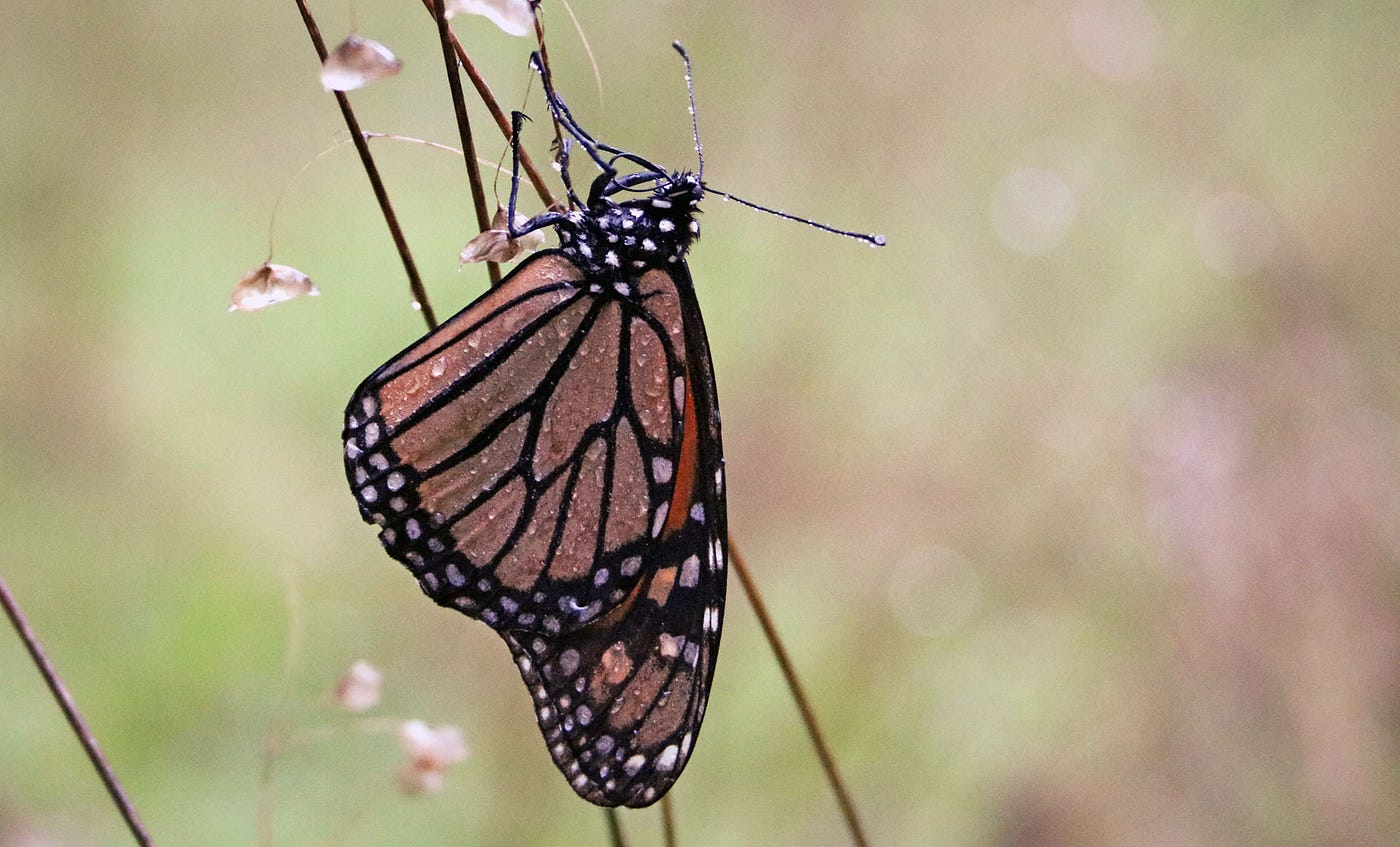
Credit: medium.com
Frequently Asked Questions
Can Monarch Butterflies Survive Freezing Temperatures?
Monarch butterflies cannot survive freezing temperatures. They rely on mild climates during winter. Freezing weather damages their wings and disrupts their metabolism, leading to death.
How Do Monarchs Avoid Cold Weather?
Monarchs migrate to warmer regions like Mexico and California. They cluster in large groups on trees to conserve heat. This behavior helps them survive winter’s cold.
What Happens To Monarchs In Cold Climates?
In cold climates, monarchs cannot survive long. They become inactive and vulnerable to frost. Without migration, cold weather causes high mortality rates among monarch populations.
Do Monarch Butterflies Hibernate During Winter?
Monarchs do not hibernate but enter a state called diapause. This slows their metabolism and reproductive activity during winter. Diapause helps them conserve energy until warmer conditions return.
Conclusion
Monarch butterflies face many challenges in cold weather. They cannot survive freezing temperatures alone. Instead, they migrate to warmer places to stay safe. These journeys show how strong and smart they are. Protecting their habitats helps ensure their survival each year.
Watching monarchs reminds us of nature’s delicate balance. Their story teaches us to care for our environment every day.


