Have you ever wondered if your pepper plants can handle a sudden drop to 40 degrees? If you’re growing peppers, this question is probably keeping you up at night.
You want to protect your plants, but how cold is too cold? Understanding how pepper plants react to chilly weather could save your garden from damage—and your hard work from going to waste. Keep reading to discover whether your pepper plants can survive 40-degree weather and what you can do to keep them thriving no matter the temperature.
Effects Of High Heat On Pepper Plants
High temperatures can have a serious impact on pepper plants. When the mercury hits 40 degrees Celsius, these plants face challenges that affect their overall health and productivity. Understanding how extreme heat influences your peppers helps you take steps to protect them effectively.
Heat Stress Symptoms
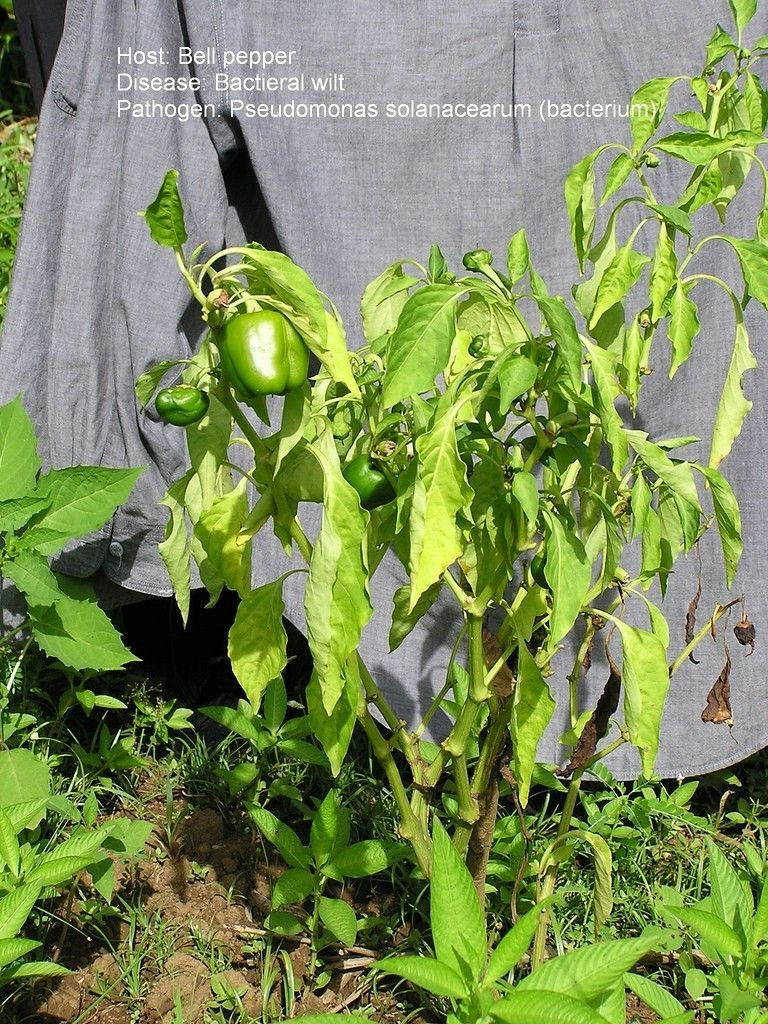
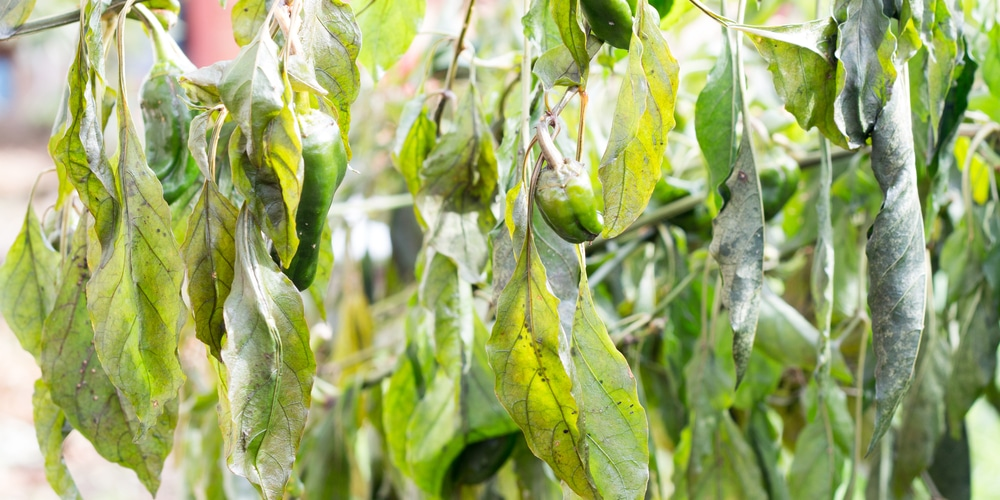
You might notice your pepper plants showing signs of distress in scorching weather. Leaves can curl up, turn yellow, or develop brown edges. Sometimes, the plant wilts even if the soil is moist, signaling that heat is overwhelming its ability to absorb water.
Flowers may drop prematurely, reducing fruit formation. Watch for slowed growth and a general lack of vigor. These symptoms are your plant’s way of saying it’s struggling under the heat.
Impact On Growth And Yield
Excessive heat directly slows down pepper plant growth. The plant shifts energy from growing and producing fruit to simply surviving the heat stress. This means smaller plants and fewer peppers.
Fruit quality also suffers. You might end up with peppers that are misshapen or have poor flavor. Have you noticed your harvest shrinking during hot spells? That’s the heat taking a toll on yield.
To keep your pepper plants thriving, consider providing shade during the hottest part of the day. Regular watering helps, but avoid waterlogging the soil. Your peppers need balance to handle the heat without stress.
Credit: www.plantersdigest.com
Temperature Tolerance Of Pepper Varieties
Understanding the temperature tolerance of different pepper varieties is crucial if you want your plants to survive and thrive in extreme heat. Peppers vary widely in how well they handle high temperatures, especially when the mercury hits 40 degrees Celsius or above. Knowing which types can endure the heat can save you from losing your crop and help you plan your garden better.
Heat-resistant Pepper Types
Some pepper varieties are naturally built to withstand scorching temperatures. These heat-resistant types keep producing fruit even when other peppers wilt.
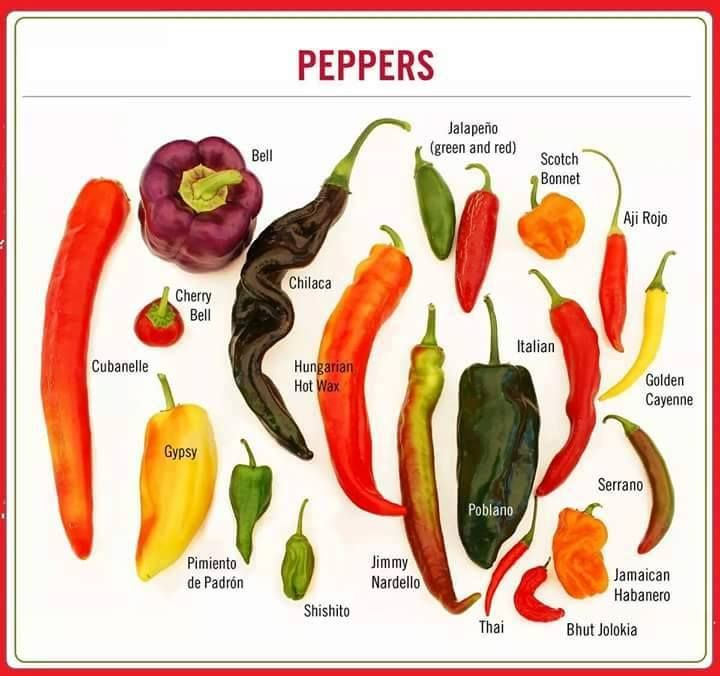
- Habanero:Known for its fiery heat, habanero peppers also tolerate high temperatures well, making it a favorite in hot climates.
- Jalapeño:This popular pepper adapts well to heat, though it may slow down production if temperatures stay above 40°C for too long.
- Bird’s Eye Chili:These small but powerful peppers thrive in tropical heat, showing strong resistance to heat stress.
- Tabasco:Often grown in warm regions, Tabasco peppers can handle intense heat without significant damage.
If you live somewhere where 40-degree weather is common, focusing on these varieties can help keep your garden productive.
Varietal Differences In Heat Response
Not all peppers respond the same way to extreme heat. Some might stop flowering, while others keep growing but produce smaller fruits.
For example, bell peppers are less tolerant of high heat and often suffer from blossom drop when temperatures climb above 30°C. On the other hand, some chili peppers have evolved to handle heat better, showing less stress and continuing their development.
Have you noticed your peppers reacting differently during a heatwave? This could be due to their unique genetic makeup affecting heat tolerance. You might want to experiment with different varieties to see which ones your garden favors.
Remember, even heat-resistant peppers benefit from some shade or extra watering during extreme heat days. Protecting your plants can make a big difference in their survival and yield.
Protecting Peppers From Extreme Heat
Pepper plants face serious stress during extreme heat. Temperatures around 40 degrees Celsius can damage leaves and slow growth. Protecting peppers helps them stay healthy and produce fruit. Simple care tips reduce heat effects and keep plants strong.
Shade And Mulching Techniques
Providing shade lowers temperature around pepper plants. Use shade cloths or garden umbrellas to block harsh sun. Place shade so plants get filtered light, not full sun all day.
Mulching keeps soil cool and moist. Apply a thick layer of organic mulch like straw or wood chips. Mulch helps reduce water evaporation and keeps roots safe from heat.
Watering Strategies For Hot Weather
Water peppers deeply to reach roots. Shallow watering causes stress and weak growth. Water early in the morning or late in the evening to reduce evaporation.
Use drip irrigation or soaker hoses for steady moisture supply. Avoid wetting leaves to prevent diseases. Check soil regularly to keep it moist but not soggy.
Credit: www.plantersdigest.com
Soil And Fertilizer Tips In Hot Climates
Pepper plants face tough challenges in 40-degree weather. Soil and fertilizer play a key role in their survival. Proper care helps plants stay healthy and strong despite the heat. Focus on keeping soil moist and managing nutrients smartly. This supports growth and fruit production even under heat stress.
Maintaining Soil Moisture
Hot weather dries out soil quickly. Keep soil moist but not soggy. Use mulch to reduce evaporation and keep roots cool. Water deeply in the early morning or late evening. This allows better absorption and less water loss. Avoid shallow watering that dries out roots fast. Consistent moisture helps peppers avoid heat damage.
Nutrient Management Under Heat Stress
High temperatures affect nutrient uptake in pepper plants. Use balanced fertilizers with nitrogen, phosphorus, and potassium. Apply smaller doses more often to prevent nutrient burn. Add organic matter like compost to improve soil health. Healthy soil retains nutrients and water better. Monitor plants for signs of deficiencies such as yellow leaves or slow growth. Adjust fertilizer accordingly to keep peppers thriving in heat.
Timing And Location For Planting Peppers
Timing and location play a crucial role in the success of growing pepper plants. These plants need warmth and sunlight to thrive. Choosing the right season and spot can protect them from cold damage. Understanding the best times and places to plant peppers helps ensure healthy growth and good yields.
Best Seasons For Planting
Peppers grow best in warm weather. Plant them after the last frost date in your area. Spring and early summer offer the best conditions. Soil temperature should be at least 60°F (16°C) before planting.
Cold weather slows pepper growth and can kill young plants. Avoid planting too early in the season. Wait until nights stay above 50°F (10°C). This timing reduces stress on the plants and supports strong roots.
Choosing Ideal Planting Spots
Select a location with full sun exposure. Peppers need at least 6 hours of direct sunlight daily. Choose well-drained soil that is rich in organic matter. Avoid low areas where water can pool and cause root rot.
Space plants about 18 to 24 inches apart. Good air circulation helps prevent diseases. Protect peppers from strong winds using fences or natural barriers. Raised beds or containers can improve drainage and soil warmth.
Credit: www.plantersdigest.com
Signs Of Recovery And When To Act
After your pepper plants have faced the challenge of 40-degree weather, knowing the signs of recovery is key to deciding your next move. Sometimes, plants bounce back naturally, but other times they need a helping hand. Recognizing these signs early can save your plants and improve their growth.
Monitoring Plant Health
Keep a close eye on your pepper plants daily. Look for new leaf growth, which is a strong sign they’re recovering. Leaves that were wilted or scorched may stay damaged, but new green shoots show the plant is alive and fighting back.
Check the stem firmness. A healthy stem is firm and upright, while a soft or discolored stem might mean damage is still severe. Also, watch how the plant responds to watering—does it perk up after you water it, or does it stay droopy?
Ask yourself: Is the plant showing any signs of pests or disease now that it’s stressed? Heat-damaged plants can become vulnerable to infestations, so spotting these early can prevent further harm.
Interventions For Heat-damaged Plants
If you notice slow or no recovery, take action quickly. Start by moving your plants to a shaded, cooler spot if possible. This reduces stress and helps them focus energy on healing.
Prune away any dead or severely damaged leaves and branches. This prevents the plant from wasting energy on parts it can no longer save. Use clean, sharp tools to avoid introducing infection.
Adjust your watering routine. Overwatering can drown struggling roots, but underwatering will keep the plant stressed. Aim for moist but not soggy soil, and consider mulching to keep soil temperature stable.
Adding a balanced fertilizer can support recovery, but wait until you see signs of new growth. Feeding too early can overwhelm a weakened plant.
Have you tried these interventions before? Sometimes small changes in care can make a big difference in how your peppers bounce back from extreme heat.
Frequently Asked Questions
Can Pepper Plants Survive 40 Degree Weather?
Pepper plants struggle in 40-degree Fahrenheit weather. They prefer warmer temperatures above 55°F. Cold can stunt growth and damage the plant. Protect them with covers or move pots indoors during cold snaps.
What Temperature Is Too Cold For Pepper Plants?
Temperatures below 50°F are too cold for pepper plants. Prolonged exposure can cause leaf damage and slow growth. Ideally, peppers thrive between 70°F and 85°F. Use frost protection when temperatures drop near freezing.
How To Protect Pepper Plants From Cold Weather?
Use frost cloths, blankets, or plastic covers to shield plants. Move potted peppers indoors or to a greenhouse. Water plants well before cold nights to retain soil warmth. These methods help peppers survive cold spells effectively.
Does 40-degree Weather Kill Pepper Plants?
40-degree weather rarely kills mature pepper plants but causes stress. Young or seedlings are more vulnerable and may die. Cold weakens plants, reducing fruit production and quality. Timely protection minimizes damage and supports recovery.
Conclusion
Pepper plants struggle in 40-degree weather. Such cold can harm their growth and fruit. Protecting plants with covers or moving them indoors helps. Warm soil and sunlight support healthy peppers. Watch for signs of stress like wilting or yellow leaves.
Small changes make a big difference for survival. Growing peppers in cooler climates needs extra care. Patience and attention keep plants healthy through cold spells. You can still enjoy fresh peppers with proper protection.


