Have you ever wondered if your potatoes can survive a harsh 32-degree weather? If you’re growing potatoes or planning to, this question can make a big difference in your harvest.
Cold temperatures can harm plants, but how much cold is too much for potatoes? Keep reading to discover what happens to your potato plants in freezing weather and how you can protect your crop from the chill. Understanding this can save you time, effort, and a disappointing harvest.
Let’s find out what you need to know to keep your potatoes safe and thriving.
Potatoes And Cold Weather
Potatoes are a staple in many gardens and kitchens, but their relationship with cold weather can be tricky. Understanding how low temperatures affect potato plants and tubers can help you protect your crop effectively. Let’s look closer at what happens when potatoes face cold weather conditions.
How Cold Affects Potato Growth
Potato plants are sensitive to cold, especially during their early growth stages. When temperatures drop near or below 32°F (0°C), the plant’s cellular functions slow down, which can stunt growth.
Cold weather may cause the leaves to yellow and die back, reducing the plant’s ability to photosynthesize. If the frost is severe or prolonged, it can kill the above-ground parts entirely, though tubers underground might survive.
Have you ever noticed your potato plants look weak after a cold snap? That’s because the cold disrupts nutrient uptake and water movement within the plant, making it harder for potatoes to develop properly.
Freezing Point Of Potatoes
Potatoes themselves have a freezing point slightly below 32°F due to their water and starch content. However, when temperatures fall below this point, the water inside the tubers can freeze, causing cell damage.
Frozen tubers often become soft and brown once they thaw. This damage affects not only the texture but also the storage life and taste of the potatoes.
To protect your potatoes, consider mulching heavily or harvesting before the first hard freeze. Are you prepared to act quickly when a frost warning is issued in your area?
Risks At 32 Degree Weather
Potatoes face serious challenges at 32-degree weather. This temperature is right at the freezing point, which can cause damage to the plants. The risks include harm to both the leaves and the tubers underground. Understanding these risks helps gardeners protect their crops better.
Frost Damage Symptoms
Frost at 32 degrees causes visible harm to potato plants. Leaves may become dark and wilted. Early signs include blackened edges and water-soaked spots. The plants lose their firmness and look unhealthy. Frost can kill young shoots, stopping growth. Damage can appear within hours after frost exposure.
Impact On Tubers And Leaves
The cold affects tubers and leaves differently but both suffer. Leaves may turn brown or black and die quickly. Tubers under the soil can freeze, causing mushy spots inside. Frozen tubers lose their texture and taste. This damage lowers the overall crop yield. Frozen tubers can rot faster once thawed, increasing waste.
Protecting Potatoes From Freezing
Potatoes are sensitive to freezing temperatures. Protecting them from cold weather is key to a healthy harvest. Freezing can damage tubers and reduce yield. Simple steps help keep potatoes safe during cold snaps.
Using Mulch And Covers
Mulch acts as insulation, keeping soil warmer. Apply a thick layer of straw or leaves around plants. This traps heat and protects roots from frost.
Row covers or frost blankets shield plants from cold air. Use lightweight fabric that lets sunlight through. Secure covers tightly to avoid wind damage.
Choosing The Right Planting Time
Plant potatoes after the last frost date. Early planting risks exposure to freezing temperatures. Late planting can shorten growing time but avoids frost.
Consult local frost calendars to find the best planting window. This timing reduces the chance of freeze damage. Careful planning supports potato growth and health.

Credit: www.aol.com
Ideal Growing Conditions
Growing potatoes successfully depends heavily on providing the right environment. Understanding what potatoes need to thrive can help you decide if your climate, especially when facing 32-degree weather, supports healthy growth. Let’s take a closer look at the ideal growing conditions that make a difference for your potato crop.
Optimal Temperature Range
Potatoes grow best in cool but not freezing temperatures. The ideal daytime temperature is between 60°F and 70°F (15°C to 21°C). If the temperature dips to 32°F (0°C), the plants risk frost damage, which can stunt growth or kill young shoots.
Nighttime temperatures below 50°F (10°C) can slow tuber development. Have you noticed your potato plants looking weak after a cold snap? That’s often the impact of temperatures outside their comfort zone. Protecting your crop during unexpected cold spells can make a big difference.
Soil And Moisture Needs
Potatoes prefer loose, well-drained soil rich in organic matter. Heavy or compacted soil can cause poor tuber formation and increase the risk of rot. You want soil that feels crumbly and drains easily after watering or rain.
Consistent moisture is crucial but overwatering can harm your potatoes. Keep the soil evenly moist—think of it like a damp sponge, not soaked or dry. Too little water means small potatoes, and too much invites disease. How do you monitor your garden’s soil moisture? Simple tools or even your finger can guide you.
Emergency Tips For Cold Spells
Cold spells can stress potato plants, especially near freezing temperatures. Acting fast helps protect your crop from frost damage. Simple actions can reduce harm and support plant recovery. Here are key tips to manage sudden cold weather and keep your potatoes safe.
Quick Protective Measures
- Cover plants with burlap, frost cloth, or old sheets.
- Use straw or mulch around the base to keep soil warm.
- Water soil before the cold night; moist soil holds heat better.
- Place buckets of water near plants; water releases heat slowly.
- Move potted potatoes indoors or to a sheltered spot.
- Remove covers during the day to prevent overheating.
Handling Frost-damaged Plants
Wait until the frost passes before assessing damage. Avoid cutting or pruning frozen leaves immediately. Damaged leaves often recover or protect stems underneath.
Remove dead or blackened foliage once it dries out. Use clean tools to prevent infection. Check stems and tubers for firmness; soft spots may need removal.
Keep watering regularly but avoid overwatering stressed plants. Add mulch to regulate soil temperature. Monitor for pests and diseases, as cold stress weakens plants.
Credit: www.hgtv.com
Varieties Tolerant To Cold
Potatoes can survive in cold weather if you choose the right varieties. Some types handle low temperatures better than others. These cold-tolerant potatoes can grow even when the weather drops to 32 degrees Fahrenheit or below. Selecting hardy varieties helps protect your crop from frost damage and boosts your harvest success.
Cold-hardy Potato Types
Several potato varieties stand out for their cold resistance. These types develop tubers well despite chilly conditions. Here are some common cold-hardy potatoes:
- Yukon Gold – Known for its smooth skin and buttery taste.
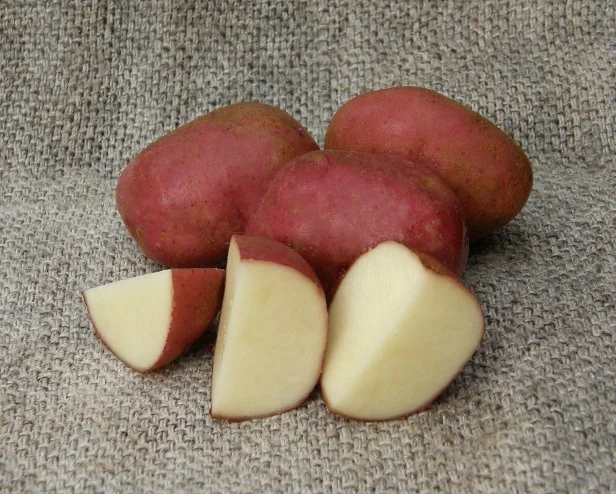
- Red Pontiac – Performs well in cooler climates with good frost tolerance.
- Norland – Early maturing with excellent cold weather resilience.
- Caribe – A tropical variety that shows strong resistance to cold spells.
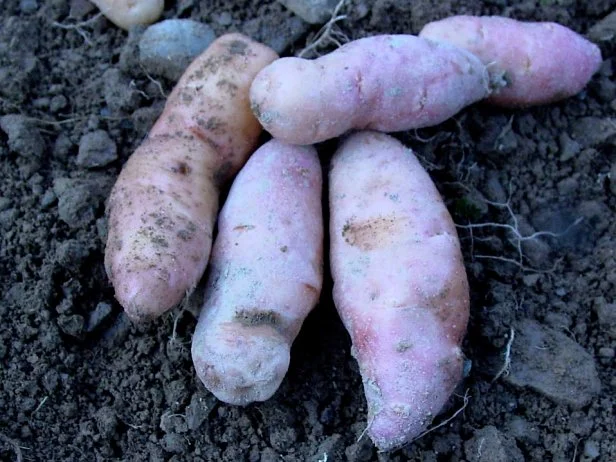
- Russian Banana – A fingerling potato that survives low temperatures.
These varieties help gardeners extend their growing season. They reduce the risk of crop loss from early frosts.
Where To Source Resistant Varieties
Finding cold-tolerant potato varieties is easier with the right sources. Specialty seed suppliers often carry these types. Here are places to check:
- Local garden centers with regional seed selections.
- Online seed companies specializing in hardy crops.
- Agricultural extension offices offering regional advice and seeds.
- Farmers markets with growers who save and sell their own seed potatoes.
Buying from trusted sources ensures quality seed potatoes. Look for disease-free stock to improve your chances of a healthy crop.
Credit: www.hgtv.com
Frequently Asked Questions
Can Potatoes Tolerate 32 Degrees Fahrenheit?
Yes, potatoes can tolerate 32 degrees Fahrenheit for short periods. However, prolonged exposure might cause frost damage. It’s best to protect them with mulch or cover. Cold temperatures can affect their growth and yield. Monitor the weather closely and take preventive measures to ensure healthy potato plants.
What Happens To Potatoes In Cold Weather?
In cold weather, potatoes can experience frost damage. This can lead to blackened leaves and stunted growth. Prolonged exposure to freezing temperatures might affect tuber quality. Proper insulation and protective coverings can help mitigate these effects. It’s crucial to shield potatoes from severe cold to maintain their health.
How Do You Protect Potatoes From Frost?
To protect potatoes from frost, use mulch or frost blankets. Covering plants helps retain soil warmth. Ensure proper ventilation to prevent moisture buildup. Check weather forecasts and cover plants before frost hits. Regular monitoring and timely action can safeguard your potato crop during cold spells.
Can Frost Damage Potato Tubers?
Yes, frost can damage potato tubers. Freezing temperatures can cause them to become mushy and less nutritious. Protecting the plants with mulch or covers is essential. Ensure soil temperature stays above freezing to prevent tuber damage. Frost-damaged tubers may not store well and might rot.
Conclusion
Potatoes struggle to survive at 32-degree weather. Frost can damage their leaves and roots. Cold slows down their growth and can kill young plants. Gardeners should protect potatoes with mulch or covers. Choosing cold-tolerant varieties helps in chilly climates. Knowing how cold affects potatoes improves your harvest chances.
Watch the weather closely during early spring and late fall. Taking simple steps can keep potatoes safe in cold weather. Growing potatoes in freezing temperatures is risky but not impossible.


