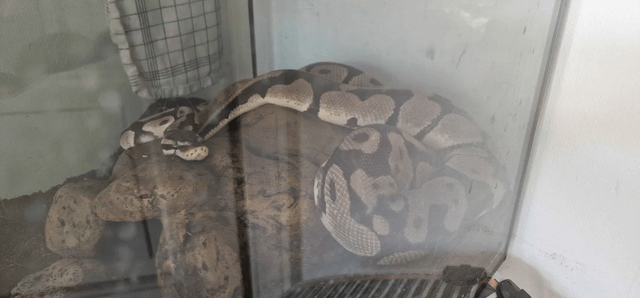
Have you ever wondered if pythons can survive in cold weather? If you’re curious about how these giant snakes handle chilly temperatures, you’re in the right place.
Understanding how cold affects pythons isn’t just interesting—it can help you care for them better or satisfy your curiosity about wildlife. Keep reading to discover surprising facts about their cold-weather survival and what it means for these fascinating reptiles.

Credit: shumakeranimalremoval.com
Pythons And Their Natural Habitat
Pythons are fascinating reptiles that thrive in specific environments. Their natural habitat plays a crucial role in their survival, especially when it comes to temperature regulation. Understanding where pythons live can help you see why cold weather poses such a challenge to them.
Pythons Prefer Warm And Humid Environments
Pythons are native to tropical and subtropical regions. You’ll find them in rainforests, grasslands, and sometimes near water bodies like rivers and swamps. These areas provide the warmth and humidity essential for their bodily functions.
Cold weather can slow down their metabolism, making it hard for them to move or hunt. Have you ever noticed how your energy drops in cold weather? Pythons experience something similar but much more extreme.
How Seasonal Changes Affect Python Behavior
In their natural habitats, pythons face seasonal variations but rarely extreme cold. During cooler months, they often become less active, spending more time hiding under leaves or burrows. This behavior helps them conserve energy until temperatures rise again.
Imagine having to pause your daily routine just because it’s too cold outside. Pythons do exactly that. This shows how sensitive they are to changes in their environment.
Why Cold Weather Is Dangerous For Pythons
- Lower temperatures reduce their immune response, making them prone to illness.
- Cold slows their digestion, which can lead to serious health problems.
- Prolonged exposure to cold can even cause death.
If you keep a python as a pet, you must create a warm, controlled habitat. Have you thought about how a sudden drop in temperature might affect your pet’s health? This knowledge can save lives.
Credit: www.usgs.gov
Cold Weather Challenges
Pythons face serious problems in cold weather. Their bodies rely on warmth to work properly. Cold can slow down their movement and digestion. It can even harm their immune system. These challenges make survival difficult during chilly periods.
Understanding these problems helps explain why pythons struggle in cold climates. They need specific conditions to stay healthy and active.
Effects Of Low Temperatures On Python Metabolism
Cold lowers a python’s metabolism. This means they use less energy. Their heart rate and breathing slow down. Digestion becomes very slow or stops. Without enough heat, pythons cannot digest food well.
Risk Of Hypothermia In Pythons
Hypothermia happens when a python’s body gets too cold. It can cause muscle weakness and slow reflexes. In severe cases, it can lead to death. Pythons are at risk if they cannot find warmth.
Impact On Immune System And Disease
Cold weakens a python’s immune defenses. They become more prone to infections and illness. Bacteria and viruses grow faster in cold-stressed snakes. This adds danger during winter months.
Behavioral Changes During Cold Weather
Pythons become less active and eat less in cold weather. They hide in burrows or under debris to keep warm. Their movement slows to conserve energy. These changes reduce their chances of survival.
Adaptations Of Pythons
Pythons face a serious challenge in cold weather since they are cold-blooded reptiles. Their survival depends on special adaptations that help them manage lower temperatures. These adaptations cover both how they behave and how their bodies function internally.
Behavioral Adjustments
Pythons often change their behavior to stay warm. You might notice them basking in the sun more during chilly days to absorb heat. They also seek sheltered spots like burrows or dense vegetation to avoid cold winds.
Some pythons coil tightly to conserve body heat. This simple action reduces heat loss and keeps vital organs warmer. Have you ever seen a python curled up like this? It’s a smart way to survive cold snaps.
Physiological Changes
Inside their bodies, pythons undergo changes to handle colder environments. Their metabolism slows down significantly, which lowers their energy needs. This means they can survive longer without food during cold periods.
Additionally, pythons produce special proteins that protect their cells from damage caused by cold. These proteins act like natural antifreeze. Isn’t it fascinating how their bodies adapt at such a microscopic level?
Temperature Tolerance
Pythons are cold-blooded reptiles, meaning their body temperature depends largely on the environment. Understanding their temperature tolerance is key to knowing if they can survive cold weather. Their ability to handle lower temperatures varies widely among species and individual conditions.
How Low Temperatures Affect Python Physiology
At cooler temperatures, a python’s metabolism slows down. This means they become less active and eat less often. Prolonged exposure to cold can cause health problems like respiratory infections or even death.
Some pythons can tolerate short dips in temperature, but they need to find warmth quickly. Without access to heat sources, their bodily functions start to fail. Have you ever noticed your pet snake refusing food when it’s chilly? That’s a sign their metabolism is slowing.
Species Differences In Cold Tolerance
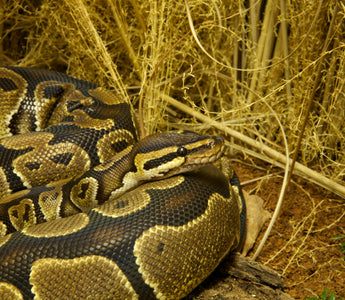
Not all pythons react the same to cold weather. For instance, ball pythons can handle slightly cooler climates than reticulated pythons. Burmese pythons, native to warm tropical areas, struggle more when temperatures drop below 70°F (21°C).
Knowing your python’s species helps you set the right environment. If you live in a place with cold winters, you’ll need to provide heating options. Which species do you have? That can determine how much temperature control you need.
Behavioral Adaptations To Cold
Pythons seek warmth through behavior before physical adaptations kick in. They may curl up in sunny spots or burrow into warm soil. In captivity, they rely on heat lamps and heated hides to maintain proper body temperature.
Have you seen your snake basking under a lamp or hiding in a warm corner? That’s their natural response to cold. You can help by offering various temperature zones in their enclosure to let them regulate their body heat.
Case Studies Of Pythons In Cold Climates
Pythons are typically associated with warm, tropical environments, but there have been surprising cases of these snakes surviving in much colder climates. Examining these instances helps us understand their adaptability and the limits of their survival. Let’s look at some real-life stories and unexpected outcomes that challenge what you might think about pythons and cold weather.
Survival Stories
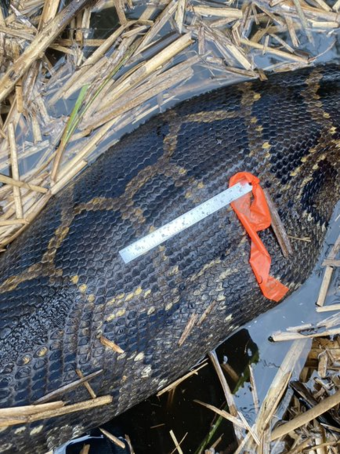
In the southern United States, Burmese pythons have been spotted enduring brief cold snaps during winter. One snake was found alive after temperatures dropped below freezing, tucked away under dense foliage that provided insulation. This suggests pythons can seek microhabitats to avoid lethal cold.
Another story comes from a reptile keeper who observed their pet python survive a sudden cold draft during a power outage. The snake entered a state of reduced activity, showing that pythons can slow their metabolism to cope temporarily with lower temperatures. Have you ever wondered how much cold a python can tolerate before it becomes dangerous?
Unexpected Outcomes
Some pythons have surprised experts by surviving in areas with surprisingly low temperatures, but not without consequences. In one documented case, a python exposed to sustained cold suffered long-term health issues, including weakened immune response and slower digestion. This highlights that survival doesn’t always mean thriving.
In the wild, cold weather can indirectly affect pythons by reducing their prey availability. One unexpected outcome is that even if the snake survives the cold, it might struggle to find enough food afterward. This raises an important question: could cold climates limit python populations by creating food shortages rather than by direct cold injury?
Credit: www.zenhabitats.com
Human Intervention And Conservation
Human intervention plays a crucial role in helping pythons survive cold weather. These reptiles are not built to handle freezing temperatures. Without help, they often suffer or die in harsh climates. Conservation efforts also protect their natural habitats. These actions support the survival of python populations in changing environments.
Rescue And Relocation
Rescue teams find pythons trapped in cold areas. They move the snakes to warmer, safer places. This prevents the pythons from freezing or starving. Relocation helps maintain healthy python numbers. Experts choose locations with suitable climates and food sources. The goal is to give pythons a chance to live and thrive.
Conservation Efforts
Conservation programs focus on protecting python habitats. They reduce threats like habitat loss and pollution. Educating local communities about pythons encourages coexistence. Many efforts include breeding programs to boost numbers. Scientists study pythons to understand how cold affects them. This knowledge guides future protection strategies.
Future Prospects For Pythons In Cold Regions
Pythons face many challenges surviving cold weather. Their bodies rely on warmth to function properly. As climate changes, some cold regions are warming slightly. This shift opens new possibilities for pythons to expand their range. Still, adapting to colder climates requires major changes in behavior and biology.
Scientists and conservationists study how pythons might live in these colder areas. They focus on how pythons manage energy, find shelter, and hunt in lower temperatures. The future for pythons in cold regions depends on several key factors.
Environmental Changes Affecting Python Habitats
Temperature changes can create new habitats for pythons. Mild winters help pythons survive longer outside their usual range. Rainfall patterns also influence the availability of food and shelter. These shifts may allow pythons to slowly move into colder zones.
Behavioral Adaptations To Cold Weather
Pythons may change their daily routines to avoid cold. They might seek deeper burrows or use natural warm spots more often. Hibernation or brumation periods could lengthen to conserve energy. These behaviors help them endure colder seasons.
Biological Limits And Evolutionary Challenges
Cold temperatures slow python metabolism and digestion. Pythons need to evolve traits to handle frost and freezing. Changes in skin, blood chemistry, and organ functions are necessary. Evolution takes many generations, making rapid adaptation difficult.
Human Impact And Python Spread
Humans help pythons enter new areas through pet releases. Some pythons escape or get released near cold regions. Without natural predators, pythons can establish populations. This can harm native wildlife and disrupt ecosystems.
Conservation And Management Strategies
- Monitoring python movements into colder zones
- Protecting native species from python threats
- Educating the public about responsible pet ownership
- Researching cold tolerance in python populations
- Developing plans to control invasive python populations
Frequently Asked Questions
Can Pythons Survive In Cold Weather Conditions?
Pythons are cold-blooded reptiles and struggle in cold weather. They need warmth to regulate body temperature and survive.
What Happens To Pythons During Winter?
Pythons enter brumation in cold weather, a hibernation-like state. They slow their metabolism and become less active to conserve energy.
How Do Pythons Adapt To Temperature Changes?
Pythons seek warm shelters and bask in sunlight to raise body heat. They avoid cold environments to prevent health issues.
Can Captive Pythons Live In Cold Climates?
Captive pythons require controlled warm environments. Without proper heating, they risk stress, illness, and potentially fatal conditions.
Conclusion
Pythons struggle to survive in cold weather. Their bodies need warmth to work well. Cold slows their movement and stops digestion. They often hide or stay still to save energy. Without warmth, they can become weak or sick. In cold places, pythons rarely live long.
Nature designed them for warm, tropical homes. Understanding this helps protect pythons and their habitats. Keeping their environment warm is key for their health. Cold weather is a big challenge for these snakes.


