Have you ever wondered if the rabies virus can stick around on your clothes? If you’ve had a close encounter with a wild animal or are just curious about staying safe, this question matters more than you might think.
Understanding how long the rabies virus can survive outside the body, especially on fabric, could protect you and your loved ones from a serious health risk. Keep reading to discover the facts you need to know to stay safe and confident in your daily life.
Credit: dogstarfoundation.com
Rabies Virus Basics
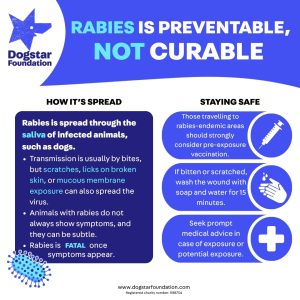
Rabies is a deadly virus affecting the brain and nervous system. It spreads through the saliva of infected animals, usually by bites. Understanding the basics of this virus helps prevent its transmission and protect people and pets. The virus is fragile outside a living host, but knowing how it spreads and survives is crucial for safety.
How Rabies Virus Spreads
Rabies mainly spreads through bites from infected animals. The virus is present in the saliva and enters the body through broken skin or mucous membranes. Other ways include scratches or open wounds exposed to saliva. Animals like bats, raccoons, and dogs often carry rabies. Human-to-human transmission is extremely rare.
Virus Survival Outside Host
The rabies virus does not survive long outside a host. It dies quickly when exposed to sunlight, heat, and drying. On clothes or surfaces, the virus can only live for a few hours under ideal conditions. Moist and cool environments may prolong its life slightly. Washing clothes with soap and water effectively removes the virus.
Virus Stability On Fabrics
Rabies virus stability on fabrics is a key concern for safety and hygiene. The virus does not survive long outside a host. Yet, its lifespan on clothes depends on many factors. Understanding these can help reduce infection risks.
Factors Affecting Virus Lifespan
Temperature plays a major role in virus survival. The rabies virus dies faster in warm conditions. Cold environments can preserve the virus longer. Moisture also affects stability. Dry fabrics cause quicker virus decay. Wet or damp clothes may allow the virus to last more.
Exposure to sunlight weakens the virus. Ultraviolet rays break down the virus structure. Time is another factor. The virus loses strength over hours or days. The presence of organic material, like saliva or blood, can protect the virus and extend its life on fabrics.
Types Of Fabrics And Absorption
Natural fibers like cotton absorb moisture well. This helps trap the virus but also speeds drying. Quick drying reduces the virus lifespan. Synthetic fabrics such as polyester repel water. The virus may remain on the surface longer on these materials.
Thick fabrics provide more shelter for the virus. Thin or loosely woven fabrics allow faster drying and virus decay. The texture of the fabric matters. Rough surfaces may trap the virus, while smooth ones may not hold it as well.
Research On Rabies And Clothes
Understanding whether the rabies virus can survive on clothes is crucial for anyone handling potential exposure situations. Research has aimed to clarify the risks involved with contaminated fabrics and how long the virus remains infectious outside a host. Knowing this can help you take the right precautions to protect yourself and others.
Laboratory Studies Results
Laboratory tests have shown that the rabies virus does not survive long on dry surfaces like clothing. The virus tends to lose its ability to infect rapidly once exposed to air and drying conditions.
In controlled environments, the virus remained active on moist fabric for a few hours but became inactive after 24 hours. This suggests that immediate contact with contaminated clothes poses a higher risk compared to clothes that have been left untouched for some time.
These findings highlight the importance of quick action—washing clothes thoroughly and disinfecting surfaces can reduce the risk significantly. If you suspect exposure, treating fabrics with soap and hot water is an effective way to neutralize the virus.
Real-world Case Reports
Reports from real-life incidents support laboratory findings. Cases involving rabies transmission through clothes are extremely rare or nonexistent, indicating that the virus doesn’t easily spread via fabrics.
One notable case involved a person who handled a bat with rabies and later had contact with their clothing. Despite this, no transmission occurred, likely because the virus did not survive long enough on the fabric.
These examples suggest that while caution is necessary, you don’t need to panic if clothes are potentially contaminated. Focus on proper hygiene and immediate cleaning rather than fear of prolonged survival on textiles.
Have you ever wondered how long viruses can actually survive on everyday items you wear? This insight might change how you approach handling potentially infectious materials.

Credit: www.youtube.com
Risk Of Transmission Via Clothing
The risk of rabies virus transmission through clothing is a concern for many who come into contact with potentially infected animals or environments. Understanding how the virus behaves on fabric can help you take the right precautions to protect yourself and others. While rabies primarily spreads through bites, the possibility of the virus surviving on clothes raises important questions about indirect exposure.
Exposure Scenarios
You might wonder how your clothes could come into contact with the rabies virus. This can happen if you handle an animal’s saliva or brain tissue without protection, especially if the animal is rabid. Clothes can also become contaminated if you touch surfaces or objects that have been exposed to infected saliva.
Imagine working as a wildlife rescuer or veterinarian—your clothes can easily pick up saliva during an animal exam. Even casual contact with a pet that has rabies could pose a risk if their saliva lands on your sleeves or gloves. Do you know what to do if your clothing gets contaminated?
Probability Of Infection
The chance of getting infected through contaminated clothing is generally low but not impossible. Rabies virus does not survive long outside a host and is sensitive to drying and sunlight, which limits its lifespan on fabrics. However, if the virus-laden saliva remains moist and then comes into contact with your skin, especially through cuts or abrasions, the risk increases.
Think about a time you had a small cut and touched something dirty—your risk of infection went up, right? That’s why immediate washing of any clothing exposed to potentially infectious material is crucial. Wearing protective gear and practicing good hygiene drastically lowers your chances of transmission via clothes.
Safe Handling Of Contaminated Clothes
Handling clothes that might be contaminated with the rabies virus requires caution and care. The virus does not survive long outside a host, but it can persist in certain conditions, especially on moist surfaces. Your safety depends on how you treat these clothes before touching or washing them.
Disinfection Methods
Not all cleaning methods can effectively kill the rabies virus on fabrics. Using hot water is essential—wash clothes in water at least 60°C (140°F) to reduce viral presence. Adding a strong detergent or bleach further improves disinfection.
- Use chlorine bleach diluted according to the product instructions.
- Soak clothes in disinfectant solutions for at least 10 minutes before washing.
- Avoid cold water washes if you suspect contamination.
Drying clothes in direct sunlight also helps. UV rays can deactivate viruses, so hang garments outside if possible. If drying indoors, use a hot dryer setting to assist in killing the virus.
Preventive Measures
Before handling any potentially contaminated clothing, wear disposable gloves to protect your skin. Avoid touching your face or other surfaces until after washing your hands thoroughly with soap.
- Separate contaminated clothes from other laundry.
- Use a dedicated laundry bag or container to transport these items.
- Clean and disinfect laundry baskets or areas where the clothes were stored.
Do you have a plan in place for safely managing laundry after exposure to animals? Being prepared can prevent accidental exposure. Taking these steps seriously protects you and your family from possible infection.
Myths About Rabies And Clothes
There are many stories and rumors about how rabies can spread through clothes, creating unnecessary fear and confusion. Some people worry that simply touching or wearing clothes exposed to a rabid animal might put them at risk. Understanding what’s true and what’s not can help you stay safe without overreacting or missing real dangers.
Common Misconceptions
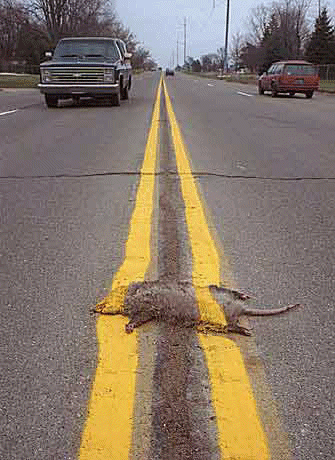
One common myth is that rabies virus can live on clothing for days and infect anyone who touches it. This idea often comes from the fear of contamination but doesn’t match scientific evidence. The rabies virus is very fragile outside a host and usually dies quickly when exposed to air and sunlight.
Another misconception is that shaking hands or hugging someone who wore clothes near a rabid animal can transmit rabies. You might ask yourself, if rabies could spread this easily, wouldn’t we see more cases? The truth is, rabies spreads mainly through bites or saliva entering open wounds or mucous membranes—not casual contact with clothing.
Clarifying The Facts
Rabies virus cannot survive long on dry surfaces like fabric. It loses its ability to infect within a few hours once outside a living host. So, if clothes were contaminated, the risk of infection is extremely low after they dry.
Washing clothes with detergent and water is enough to remove and kill any virus remnants. There is no need for harsh chemicals or special treatments. Have you ever touched a pet’s fur after it’s been outside? The chances of catching rabies just from that contact are almost nonexistent.
Knowing these facts helps you focus on the real risks—avoiding bites and seeking medical advice immediately if bitten. Don’t let myths make you afraid to handle clothes or help someone in need. Facts give you the power to act calmly and correctly.
Credit: www.wormsandgermsblog.com
Frequently Asked Questions
Can Rabies Virus Live On Clothes For Hours?
Rabies virus cannot survive long on clothes. It dies quickly once exposed to air and drying. Transmission risk from clothes is extremely low.
How Long Does Rabies Virus Survive Outside The Body?
Rabies virus survives only a few hours outside the host. It is sensitive to drying and sunlight. Prompt cleaning reduces infection risk.
Can Touching Clothes Spread Rabies Virus To Humans?
Touching contaminated clothes rarely spreads rabies. The virus needs direct entry through wounds or mucous membranes. Proper hygiene prevents transmission.
What Disinfectants Kill Rabies Virus On Clothing?
Common disinfectants like bleach and alcohol kill rabies virus effectively. Washing clothes with hot water and detergent also removes the virus safely.
Conclusion
Rabies virus does not live long on clothes. It needs a living host to survive. The virus dies quickly when exposed to air and sunlight. Clothes are not a common way to catch rabies. Still, avoid contact with animals that may have rabies.
Wash clothes well if they touch animal saliva. Staying safe means knowing how rabies spreads. Cleanliness and caution protect you and your family. Always seek medical advice if bitten by an animal. Remember, rabies is serious but preventable with care.

