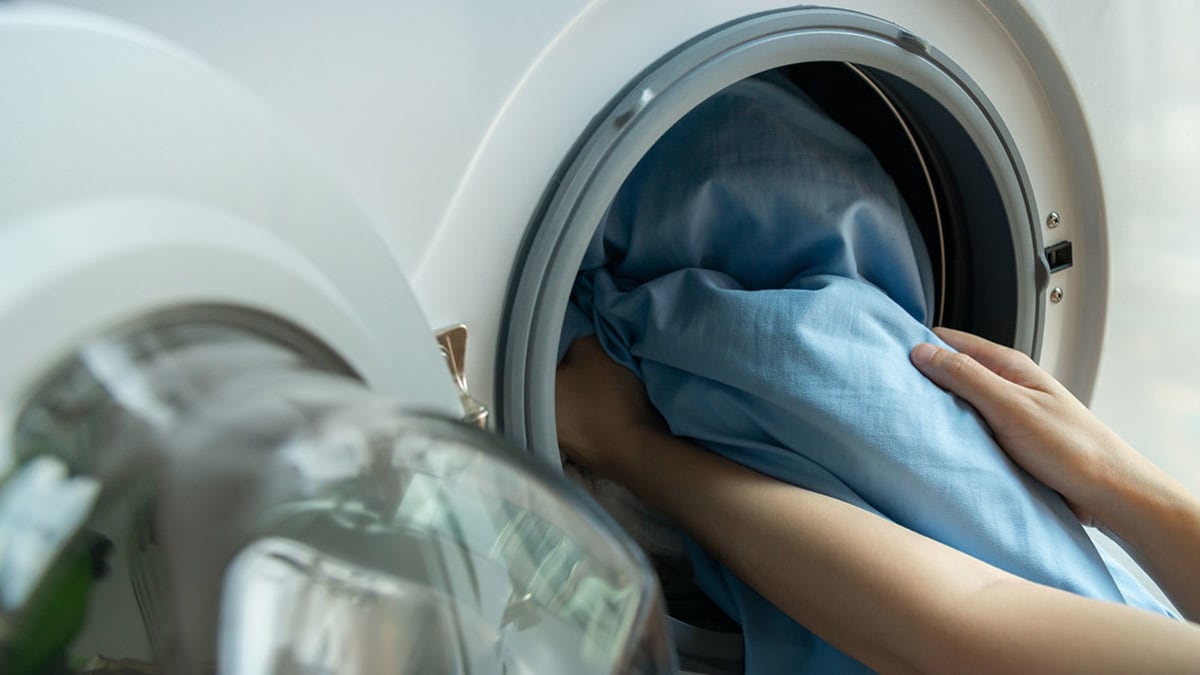
Have you ever wondered how long the Covid-19 virus can stay on your clothes? Knowing this can help you protect yourself and your loved ones better.
Your clothing is something you touch every day, and understanding the risks can make a big difference in staying safe. You’ll discover exactly how long the virus can survive on different fabrics and what simple steps you can take to reduce any danger.
Keep reading to learn what you really need to know to keep your clothes—and yourself—clean and safe.
Virus Survival Time On Fabrics
Understanding how long the Covid-19 virus can survive on clothing is crucial for managing everyday risks. The virus doesn’t behave the same way on every fabric, and several factors influence its longevity. Knowing these details helps you make smarter choices about washing, handling, and wearing clothes during the pandemic.
Factors Affecting Longevity
The virus’s survival time on fabrics depends on several key factors. Moisture plays a big role; damp clothes can harbor the virus longer than dry ones. Also, the amount of virus particles initially present affects how long they remain infectious.
Think about how you handle your clothes after returning home. Do you toss your jacket carelessly, or do you hang it up to air out? Small habits like these impact the virus’s lifespan on your fabrics.
Different Fabric Types
Not all fabrics are equal when it comes to virus survival. Studies show that the virus tends to survive longer on synthetic materials like polyester than on natural fibers such as cotton. The rough texture of natural fabrics can trap and break down viral particles faster.
For example, your favorite cotton t-shirt may pose less risk than a polyester workout jacket. This means you might want to wash synthetic clothes more frequently or avoid sharing them with others.
Environmental Influences
Temperature and humidity significantly affect how long the virus lives on clothing. Higher temperatures and sunlight exposure can reduce the virus’s survival time drastically. On the other hand, cold and humid environments help the virus persist longer.
Imagine leaving clothes outside on a sunny day versus storing them in a damp closet. The differences in virus survival could be hours or even days. This insight can guide you in deciding where to place your clothes after use.
Risks Of Transmission Via Clothing
Understanding the risks of Covid-19 transmission via clothing is essential in staying safe. The virus can survive on different surfaces, but how likely is it to spread through your clothes? Let’s break down what this means for your daily routines and precautions.
Contact And Contamination
Covid-19 primarily spreads through respiratory droplets, but these droplets can land on clothing. If you touch contaminated fabric and then touch your face, you could transfer the virus. However, the virus does not multiply on clothing like it does inside the body.
Think about moments when you’ve brushed against someone’s coat or sat on a public seat. These contacts can pick up virus particles, but the risk decreases quickly as the virus on fabric loses strength over time. The real danger lies in touching your face before washing your hands after contact.
Realistic Exposure Scenarios
Imagine you’re commuting on a crowded bus and your jacket brushes against several surfaces or people. The virus might be on your clothing for a short time, but the chance of it infecting you depends on how soon you touch your face or handle your clothes.
Another common scenario is handling laundry. If your clothes have been exposed to the virus, washing them with regular detergent is enough to remove the risk. Avoid shaking dirty clothes to prevent spreading particles into the air.
Ask yourself: how often do you touch your face after touching your clothes? Minimizing this habit can reduce risk significantly. Simple steps like washing hands regularly and changing clothes when you come home make a big difference in keeping you safe.
Effective Cleaning Methods
Keeping your clothing virus-free requires more than just tossing them in the wash. Effective cleaning methods target the Covid-19 virus at different stages, ensuring it doesn’t linger on fabric surfaces. Understanding how to wash, disinfect, and dry your clothes properly can make a significant difference in your safety and peace of mind.
Washing Techniques
Use warm water when washing clothes, ideally above 60°C (140°F). This temperature helps break down the virus’s outer layer, making it inactive. Adding a good detergent is crucial; it doesn’t just clean dirt but also disrupts the virus’s structure.
Don’t overload the washing machine. Overcrowding prevents thorough cleaning and rinsing. Have you noticed how clothes feel fresher and cleaner when there’s enough space to move around?
Use Of Disinfectants
Disinfectants designed for fabrics can boost your washing routine. Look for products labeled safe for clothing that specifically mention killing viruses. You can add these to your wash cycle or use sprays on delicate items that can’t be washed often.
Be cautious with bleach, as it can damage some fabrics and irritate your skin. Test on a small area first or choose oxygen-based disinfectants as a gentler alternative. What’s your experience with disinfectants—have you found one that works best without ruining your favorite clothes?
Drying And Heat Impact
Heat plays a powerful role in destroying the virus. Using a dryer on a high heat setting can further reduce any remaining viral particles. If you prefer air drying, direct sunlight exposure helps, thanks to UV rays that naturally kill viruses.
Keep in mind that damp clothes can harbor germs longer, so ensure your garments dry completely. Have you ever noticed that clothes dried in the sun smell fresher and feel cleaner? That freshness might be more than just a scent—it could be a sign of fewer microbes.
Credit: health.clevelandclinic.org
Preventive Practices
Understanding how to protect yourself and others from the Covid-19 virus on clothing is key to reducing transmission. Taking simple, careful steps can make a big difference in your daily routine. Let’s look at practical ways you can manage laundry and caregiving safely to keep your environment healthy.
Handling Laundry Safely
You might not realize how much your laundry routine impacts virus spread. Always wash clothes worn outside your home separately from other laundry. Use the hottest water safe for the fabric, as heat helps kill the virus effectively.
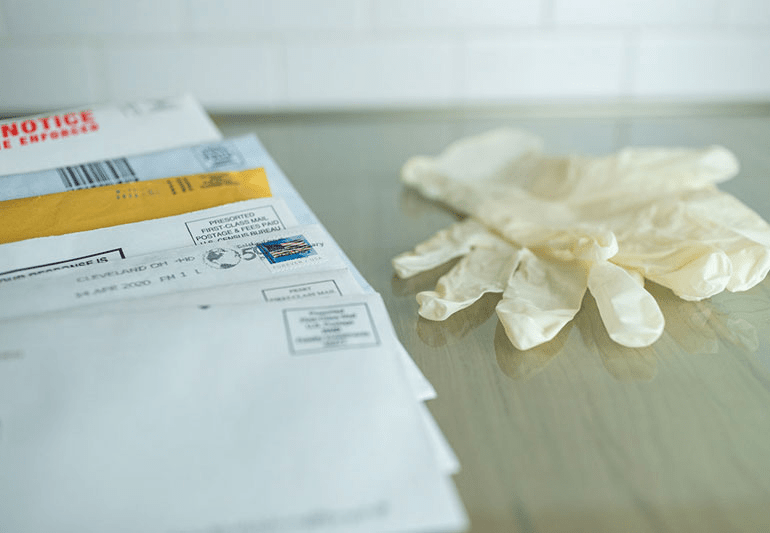
Wear disposable gloves while handling dirty clothes, especially if someone in your household is sick. Avoid shaking laundry to prevent virus particles from becoming airborne. Once the laundry is done, wash your hands thoroughly with soap and water for at least 20 seconds.
Consider using a dryer on a high heat setting to further reduce any remaining virus on clothing. If you air dry, choose a sunny spot—UV light also helps inactivate the virus. Have you ever thought about how these small steps could change your infection risk?
Protective Measures For Caregivers
If you care for someone with Covid-19, your clothing and protective gear can become contaminated easily. Change your clothes immediately after close contact with the patient. Keep a separate set of clothes for caregiving activities to avoid bringing the virus into other parts of your home.
Wearing a mask and gloves during caregiving tasks reduces your exposure significantly. After removing gloves, never touch your face before washing your hands. These actions may feel tedious, but they protect you and others more than you might expect.
Think about the last time you cared for someone sick—did you take these precautions? Small habits like these add up and can keep your household safer during outbreaks.
Myths And Facts
Understanding the truth about how long the Covid-19 virus can survive on clothing is essential for your safety and peace of mind. Many myths have spread, causing unnecessary fear or careless behavior. Let’s separate fact from fiction to help you make informed decisions about your daily routines and laundry habits.
Common Misconceptions
One common myth is that the virus can live on your clothes for days, making every outfit a potential danger zone. Some believe that simply touching your clothing after being outside could infect you immediately. Others think that washing clothes only with water is enough to kill the virus, ignoring the importance of detergent or heat.
Have you ever felt worried about picking up your laundry from a public laundromat? This fear often comes from misinformation rather than scientific evidence. Understanding what’s true can reduce stress and help you focus on effective precautions.
Scientific Findings
Research shows that Covid-19 virus particles do not survive long on porous surfaces like fabric. The virus tends to become inactive within hours rather than days, especially when exposed to sunlight or normal room temperatures. Washing clothes with regular detergent and drying them thoroughly is highly effective in removing or killing the virus.
Studies also reveal that the risk of transmission through clothing is very low compared to direct contact with infected droplets. The virus is more likely to spread through close person-to-person interaction than from your shirt or pants. This means your focus should be on hand hygiene and wearing masks rather than obsessing over your clothes.

Credit: www.universityhealth.com

Credit: famurgentcare.com
Frequently Asked Questions
How Long Does Covid-19 Survive On Clothing Surfaces?
Covid-19 can survive on clothing for 1 to 3 days, depending on fabric type and environmental conditions. Porous fabrics like cotton may reduce virus survival time. Proper washing and drying effectively eliminate the virus from clothing and reduce transmission risk.
Does Fabric Type Affect Covid-19 Survival Time?
Yes, fabric type impacts virus survival. Smooth, non-porous fabrics like polyester may retain the virus longer. Porous fabrics such as cotton absorb moisture, reducing virus viability. Regular washing with detergent removes the virus from all fabric types efficiently.
Can Washing Clothes Kill The Covid-19 Virus?
Washing clothes with detergent in warm water effectively kills the Covid-19 virus. Detergents break down the virus’s lipid membrane, neutralizing it. Use the highest safe water temperature and dry clothes thoroughly for best results.
Is It Safe To Touch Clothes Worn By Someone With Covid-19?
Touching clothes worn by an infected person carries a low risk if the fabric is dry. The virus survives longer on damp fabrics. Always wash hands after handling potentially contaminated clothing and wash clothes promptly.
Conclusion
The Covid-19 virus can stay on clothes for hours to days. It depends on fabric type and environment. Washing clothes with soap and hot water helps kill the virus. Drying clothes fully also reduces risk. Avoid touching your face after handling worn clothes.
Clean hands often to stay safe. Knowing these facts helps protect you and others. Stay careful but don’t panic. Simple steps keep you healthy every day.

