Have you ever wondered if those tiny fleas can hide in your clothes and how long they might survive there? If you’ve been dealing with flea bites or are worried about an infestation, understanding how long fleas can live on your clothes is key to keeping your home and family safe.
You’ll discover surprising facts about flea survival on fabrics and simple steps you can take to stop them from spreading. Keep reading—you might find the answer that finally puts your mind at ease.

Credit: www.batzner.com
Flea Life Cycle Basics
Understanding the flea life cycle is key to knowing how long these pests can survive on your clothes. Fleas go through several stages before becoming the biting adults we all want to avoid. Each stage has a different survival time and behavior, which impacts how you should handle infested clothing.
Egg Stage Duration
Flea eggs are tiny, white, and often hard to see. They usually hatch within 2 to 14 days, depending on the temperature and humidity. On clothes, eggs don’t stick well and often fall off quickly, but if they do stay, their development can slow down in cooler, dryer conditions.
Larvae And Pupae Lifespan
After hatching, flea larvae feed on organic debris and flea dirt. This stage lasts about 5 to 20 days. Pupae then form a cocoon, where they can stay dormant for weeks or even months until they sense a host nearby. On clothes, pupae have a better chance to survive longer because the cocoon protects them from drying out.
Adult Flea Survival
Adult fleas need blood meals to survive and lay eggs. Without a host, they can live up to two weeks on clothes, but usually less if conditions are dry or cold. If you’ve ever worn infested clothes, you might have noticed itchy bites appearing shortly after—this shows how quickly adult fleas jump to a new host.

Credit: moxieservices.com
Fleas On Fabrics
Fleas can easily end up on clothing, creating a hidden problem. These tiny pests latch onto fabrics and survive long enough to cause trouble. Understanding how fleas interact with clothes helps control their spread. Knowing their survival time on different fabrics guides cleaning choices. Several factors affect how long fleas live on garments. This knowledge aids in protecting your home and family.
How Fleas Attach To Clothes
Fleas use their strong legs to jump onto clothes. They cling to fibers tightly to avoid falling off. Fleas prefer rough fabrics that offer good grip. Clothes worn outdoors or near pets are more likely to get fleas. Once attached, fleas move quickly to find a host.
Survival Time On Different Fabrics
| Fabric Type | Flea Survival Time |
|---|---|
| Cotton | 2 to 5 days |
| Wool | 5 to 7 days |
| Polyester | 1 to 3 days |
| Denim | 3 to 6 days |
Fleas survive longer on thick, textured fabrics like wool. Thin or smooth fabrics do not hold fleas as well. Warm and humid fabrics help fleas stay alive longer. Dry or clean clothes reduce flea survival time significantly.
Factors Affecting Flea Longevity On Clothes
- Temperature:Warmth extends flea life on fabric.
- Humidity:Moisture helps fleas survive longer.
- Fabric texture:Rough fabrics trap fleas better.
- Exposure to sunlight:Sunlight kills fleas quickly.
- Time since last host contact:Fleas starve without a host.
Environmental Influences
Fleas can survive on clothes for varying times depending on the environment. Several factors influence their lifespan outside a host. Understanding these factors helps control flea infestations effectively.
Temperature Effects
Temperature plays a crucial role in flea survival on clothes. Fleas thrive in warm conditions between 70°F and 85°F. At these temperatures, they remain active and can live for weeks.
Cold temperatures slow flea activity and shorten their lifespan. Below 50°F, fleas become dormant and die faster. Extremely hot temperatures above 95°F also reduce flea survival.
Humidity Impact
Humidity affects flea eggs and adults differently. Fleas prefer moderate to high humidity levels around 70% to 85%. This helps prevent dehydration and supports egg hatching.
Low humidity dries out fleas quickly. Clothes kept in dry places reduce flea survival times significantly. High humidity combined with warmth creates ideal flea conditions.
Light And Airflow
Fleas avoid direct light and strong airflow. Light exposure can kill flea eggs and adults over time. Airflow causes drying, which harms flea survival.
Clothes stored in dark, stagnant areas protect fleas longer. Moving air and sunlight reduce flea lifespan on fabric. Proper ventilation helps limit flea survival on clothes.
Preventing Flea Infestations On Clothes
Preventing flea infestations on clothes is essential to keep your home clean and comfortable. Fleas can cling to fabric and multiply quickly if not handled properly. Taking simple steps can stop fleas from spreading through your wardrobe.
Clothes often carry fleas after outdoor activities or contact with pets. Proper care of clothing helps break the flea life cycle. This prevents bites and reduces the chance of an infestation.
Washing And Drying Techniques
Wash clothes in hot water to kill fleas and their eggs. Use a strong detergent for better cleaning. Dry clothes on high heat for at least 30 minutes. Heat removes any remaining fleas hiding in fabric. Avoid cold water or air drying, which may not kill fleas effectively.
Storage Tips To Avoid Fleas
- Keep clothes in sealed plastic bags or containers.
- Store clothes in clean, dry places away from pets.
- Regularly clean storage areas to remove dirt and debris.
- Avoid leaving clothes on floors or open spaces.
Proper storage stops fleas from finding a place to hide and breed.
Use Of Insecticides And Treatments
Use flea sprays or powders designed for fabrics carefully. Follow product instructions to avoid damage to clothes and skin. Treat pet bedding and nearby areas to stop fleas from returning. Consider natural options like diatomaceous earth for safer treatment. Always test a small fabric area before full application.
Signs Of Fleas In Clothing
Noticing fleas in your clothing can be unsettling. These tiny pests don’t just bite your skin—they can hide in your fabrics and cause ongoing discomfort. Recognizing the signs early can save you from a bigger infestation and protect your skin from itchy bites.
Visual Indicators
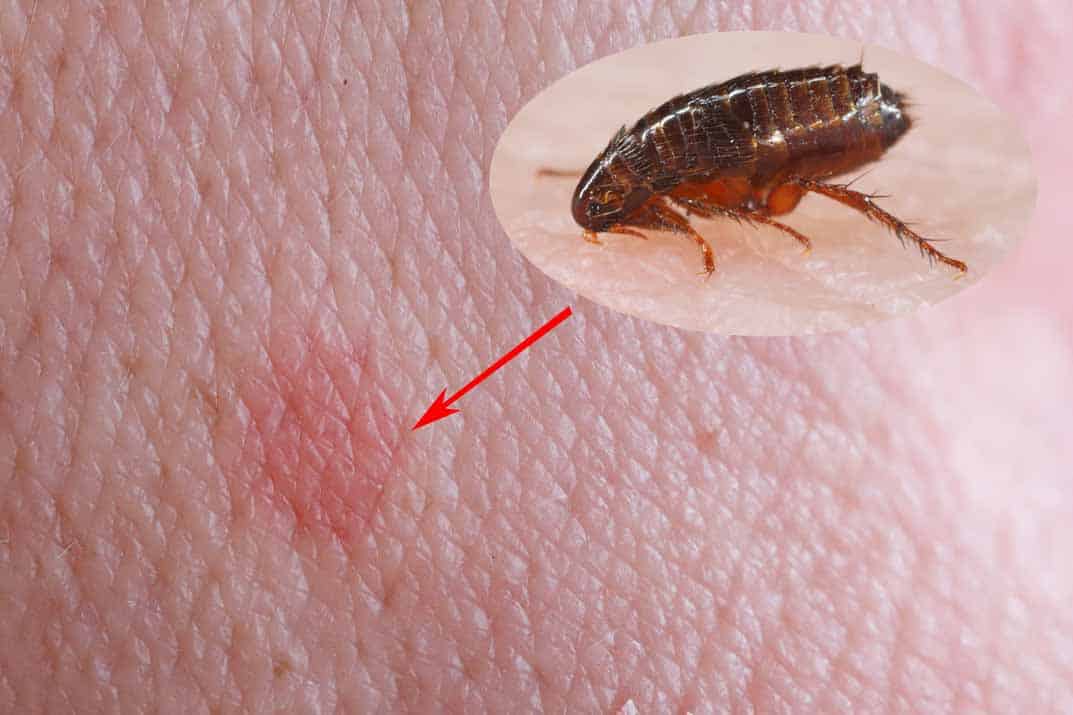
Look closely at your clothes under bright light. Fleas often appear as small, dark specks moving quickly. You might also spot flea dirt, which looks like tiny black dots—this is flea feces and a clear sign fleas have been present.
Check the seams, folds, and inside pockets where fleas like to hide. If you notice unusual debris or tiny insects, it’s time to treat your clothing immediately.
Itching And Skin Reactions
Do you find yourself scratching more after wearing certain clothes? Flea bites cause small red bumps that itch intensely. These reactions often appear around ankles, waistline, and other areas where clothing fits snugly.
Pay attention if you wake up with new bites after sleeping in clothes left on the floor or in your closet. It’s a strong hint that fleas might be hitching a ride on your garments.
Checking Common Hiding Spots
Fleas prefer dark, warm places on your clothes. Focus on collars, cuffs, and inner linings. These spots provide easy access to your skin and shelter from light.
Don’t forget to inspect laundry baskets and storage areas where worn clothes sit. Fleas can jump from these places back onto your skin or other fabrics.
Credit: www.wakepest.com
Frequently Asked Questions
How Long Do Fleas Live On Clothes?
Fleas can survive on clothes for up to 2 weeks. They feed on blood but can survive without it briefly. Regular washing and drying kill fleas effectively on fabrics.
Can Fleas Spread Through Clothing?
Yes, fleas can transfer to humans through infested clothing. They latch on fabric fibers and jump onto skin. Proper hygiene and cleaning prevent flea spread via clothes.
What Kills Fleas On Clothes Instantly?
Hot water washing above 60°C and tumble drying kills fleas instantly. Heat disrupts their life cycle and eggs. Avoid cold washing to ensure complete flea elimination.
Do Fleas Lay Eggs On Clothes?
Fleas rarely lay eggs directly on clothes. They prefer animal fur or carpets. However, eggs can fall onto clothes from infested pets or environments.
Conclusion
Fleas can live on clothes for several days if conditions are right. They hide in fabric folds and lay eggs quickly. Washing clothes in hot water kills fleas and stops their spread. Drying on high heat also helps remove them.
Regular cleaning and careful handling reduce flea risks. Stay alert to avoid bringing fleas inside your home. Simple steps protect you and your family from flea problems. Keep clothes clean and dry to prevent fleas from surviving. Act fast to stop fleas from multiplying on your clothes.

