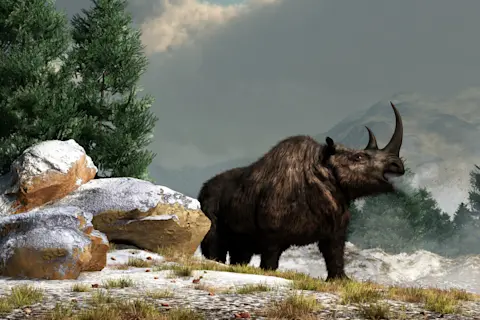
Have you ever wondered if rhinos can live in cold weather? These massive creatures are often seen in warm, sunny places, but what happens when temperatures drop?
Understanding how rhinos cope with cold can surprise you. If you’re curious about their survival skills and what challenges they face, keep reading. This article will answer your questions and reveal facts that might change how you see these incredible animals.
Rhino Habitat And Climate
Rhinos have adapted to live in specific habitats that suit their physical needs and survival strategies. Understanding their natural environment and climate preferences helps us see whether they can handle cold weather. Let’s look closely at where rhinos thrive and what temperatures they actually prefer.
Natural Environments
Rhinos are mostly found in warm, tropical, and subtropical regions. African rhinos typically roam savannas, grasslands, and open woodlands where water and food are abundant. Asian rhinos prefer dense forests and swamps that offer thick cover and humidity.
These habitats provide not just food but also shelter from extreme weather. You might wonder, how would rhinos cope in places with freezing winters or snow? Their natural environments rarely experience harsh cold, making such conditions unfamiliar and stressful for them.
Temperature Preferences
Rhinos thrive in temperatures ranging from about 25°C to 35°C (77°F to 95°F). They rely on warm weather to regulate their body temperature and often use mud baths to cool down. When temperatures drop below 10°C (50°F), rhinos can become sluggish and less active.
Cold weather poses challenges like stiff joints and difficulty finding food under frost or snow. If you’ve ever felt stiff and slow in cold weather, imagine how much harder it is for such a large animal. This is why rhinos are rarely found in cold climates and struggle to survive in them.

Credit: uk.news.yahoo.com
Rhino Adaptations To Heat
Rhinos have evolved many ways to stay cool in hot climates. Their bodies and behaviors help them manage high temperatures. These adaptations protect rhinos from heat stress and keep them active during the day.
Skin And Body Features
Rhino skin is thick and tough, shielding them from the sun. Its color reflects sunlight, reducing heat absorption. The skin has folds that trap moisture, which cools the body as it evaporates.
Large ears help rhinos release body heat. Their wide nostrils allow better airflow for breathing. Muscular bodies store water and fat, helping them survive dry, hot periods.
Behavioral Traits
- Rhinos often rest in shade during peak heat hours.
- They roll in mud to cool off and protect their skin from insects.
- Rhinos drink water regularly to stay hydrated in hot weather.
- They are more active in the early morning and late afternoon to avoid heat.
Effects Of Cold Weather On Rhinos
Rhinos are powerful creatures adapted to warm climates, but cold weather introduces new challenges that can affect their survival. Understanding how low temperatures impact their bodies and health helps us see why rhinos struggle outside their natural habitats. Let’s look closely at the physical challenges they face and the health risks that come with cold weather.
Physical Challenges
Rhinos have thick skin, but it’s not designed to keep them warm in freezing temperatures. Their bodies lack the dense fur or fat layers that many cold-weather animals have for insulation. This leaves them vulnerable to cold stress, which can sap their energy quickly.
Cold weather also affects their movement. Stiff joints and muscles can make walking or running painful, limiting their ability to find food or escape predators. Have you ever noticed how your body feels tight after being in the cold? Rhinos experience something similar, but without the option to put on a jacket.
Health Risks
Exposure to cold increases rhinos’ risk of respiratory infections, such as pneumonia. Their immune systems can weaken because they must use extra energy just to stay warm. This leaves them more susceptible to illnesses that might not trouble them in warmer weather.
Additionally, cold conditions can cause frostbite on exposed skin areas like ears and tails. This damage can lead to infections if not treated. Think about how humans need to protect extremities in cold weather—rhinos need similar care, but their natural environments rarely require it.

Credit: www.reddit.com
Cases Of Rhinos In Cold Regions
Rhinos are typically associated with warm climates, but there have been notable cases of these majestic creatures living in colder regions. Understanding how rhinos adapt—or are helped to adapt—to cold weather can give you a clearer picture of their resilience. Let’s look at some real-life examples where rhinos have survived and even thrived in chilly environments.
Zoos And Wildlife Reserves
Many zoos in colder countries have successfully housed rhinos for years. These facilities control the environment to mimic warmer climates, using heated shelters and special diets to keep rhinos healthy. For example, the San Diego Zoo in California, which experiences cooler winters, uses heated indoor areas and thick bedding to protect their rhinos from cold stress.
Wildlife reserves in colder regions sometimes adopt similar strategies. They build shelters and provide extra food during winter months. Have you ever wondered how much effort goes into maintaining such habitats? It’s a constant balance between nature and human care.
Survival Stories
One fascinating survival story comes from a wildlife reserve in South Africa. A rhino was spotted during an unusually cold winter, appearing healthier than expected. This rhino had developed a thicker skin layer and adjusted its behavior by seeking sunny spots and reducing activity during the coldest hours.
Another case involves a rhino relocated to a colder European reserve. The caretakers observed the rhino’s initial struggle but noted gradual adaptation over several months. This included changes in feeding patterns and increased use of heated shelters. It shows you that with patience and proper care, rhinos can manage colder climates better than you might think.
Could these examples change how we think about rhino conservation in the face of climate variability? What if more reserves in cooler areas could support rhino populations effectively?
Measures To Protect Rhinos In Cold
Protecting rhinos from cold weather requires thoughtful measures that address their unique needs. These animals are built for warmer climates, so cold conditions can cause stress and health issues. By focusing on shelter and diet, you can help rhinos stay comfortable and healthy during colder months.
Shelter And Heating Solutions
Providing proper shelter is essential for rhinos in cold weather. You should ensure their enclosures have windbreaks and insulated areas where they can escape the chill.
Heated pads or lamps can offer localized warmth, especially for younger or weaker rhinos. Many wildlife reserves use heated barns or shelters that mimic a cozy, natural environment. These setups prevent hypothermia and reduce stress, which helps rhinos maintain their strength.
Diet And Care Adjustments
Cold weather increases rhinos’ energy needs. You can adjust their diet by adding more high-fiber and calorie-rich foods to help them generate body heat.
Supplements like vitamins and minerals also support their immune system during harsh conditions. Regular health checks become even more important to spot any cold-related issues early. How often do you think caretakers should monitor rhinos when temperatures drop?
Simple changes in care routines, like providing fresh water that doesn’t freeze, can also make a big difference. These small but consistent efforts ensure rhinos stay strong and resilient through winter’s challenges.
Future Of Rhinos In Changing Climates
The future of rhinos faces many challenges due to changing climates. Their habitats are shifting, and weather patterns are less stable. These changes affect food availability and breeding cycles. Survival depends on how well rhinos adapt and how humans help protect them.
Climate Change Impact
Rhinos live mostly in warm areas. Cold weather is rare but can happen. Climate change causes more extreme weather events. Droughts reduce water and plants, making it hard for rhinos to find food. Floods can destroy their homes and force them to move. Temperature swings may affect their health and growth. Changing climates also bring new diseases and predators to rhino habitats.
Conservation Efforts
People work hard to save rhinos from climate threats. Conservation areas protect safe spaces for rhinos. Rangers watch over these animals and stop poachers. Efforts include planting more plants rhinos eat. Scientists track rhino health and numbers to find problems early. Some programs move rhinos to safer places if needed. Education helps local communities understand rhinos’ importance and how to protect them.

Credit: ca.news.yahoo.com
Frequently Asked Questions
Can Rhinos Adapt To Cold Weather?
Rhinos are naturally adapted to warm climates and struggle in cold weather. They lack the thick fur needed for insulation. However, some zoos provide heated shelters to help them adapt temporarily.
Do Rhinos Need Special Care In Winter?
Yes, rhinos require special care during winter months. Zoos often provide heated enclosures and extra bedding. This helps maintain their body temperature and ensures their well-being in colder climates.
How Do Zoos Help Rhinos In Cold Weather?
Zoos offer heated shelters and warm bedding for rhinos during cold weather. They also adjust their diet to provide extra calories. This helps rhinos maintain their energy levels and body heat during winter months.
Are Any Rhino Species Cold-resistant?
No rhino species are naturally cold-resistant. All rhinos originate from warm climates and are not equipped for cold weather. They need human intervention and support to survive in colder environments.
Conclusion
Rhinos face many challenges in cold weather. Their thick skin helps, but they prefer warmer climates. Cold can limit their food and water sources. Survival depends on shelter and adapting quickly. Some rhinos live in mild cold, not extreme cold.
Protecting their habitats is key for their safety. Understanding their needs helps us support their survival. Rhinos show strength but also vulnerability to cold. Their future depends on nature and human care.


