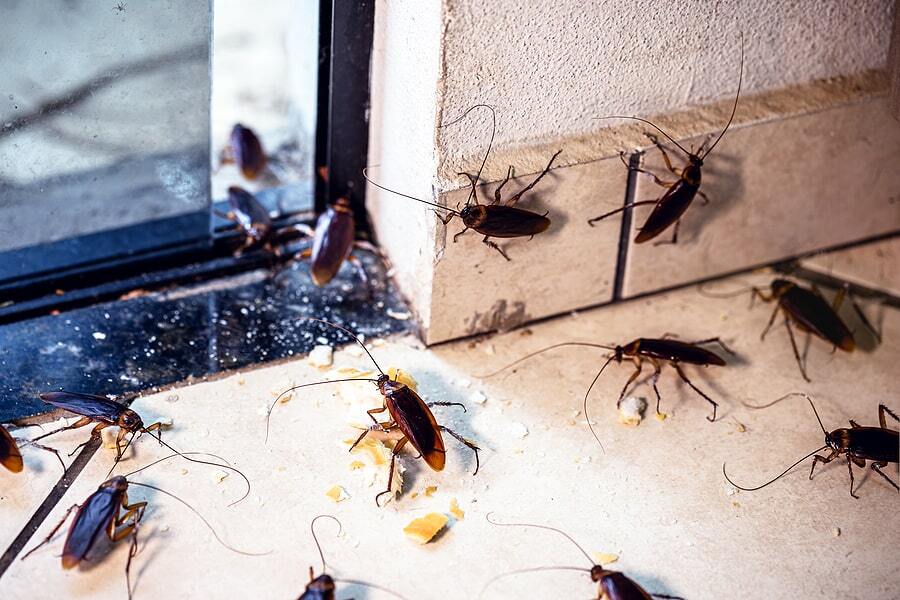
Have you ever wondered if roaches can survive freezing weather? If you’re dealing with a roach problem and hoping cold temperatures will solve it, this question matters a lot.
Understanding how these pests react to the cold can help you protect your home better. Keep reading, and you’ll discover surprising facts about roaches and the chilling truth about their survival skills in freezing conditions. This knowledge could change the way you think about pest control forever.
Credit: hicare.in
Roach Biology Basics
Understanding the basics of roach biology helps you grasp why these insects can be so tough, even when faced with freezing weather. Their survival depends heavily on their species and physical adaptations. Let’s take a closer look at what makes roaches resilient and how their bodies are built to handle extreme conditions.
Roach Species And Habitats
Roaches are not all the same; different species thrive in various environments. Some prefer warm, humid places like kitchens and bathrooms, while others can live outdoors in leaf litter or soil. You might be surprised to learn that certain species, like the wood cockroach, are more common in cooler, forested areas.
Knowing where a roach species typically lives can give you clues about its ability to survive cold weather. For example, roaches that inhabit temperate zones often have strategies to cope with colder temperatures, unlike tropical species that struggle outside heat.
Body Structure And Adaptations
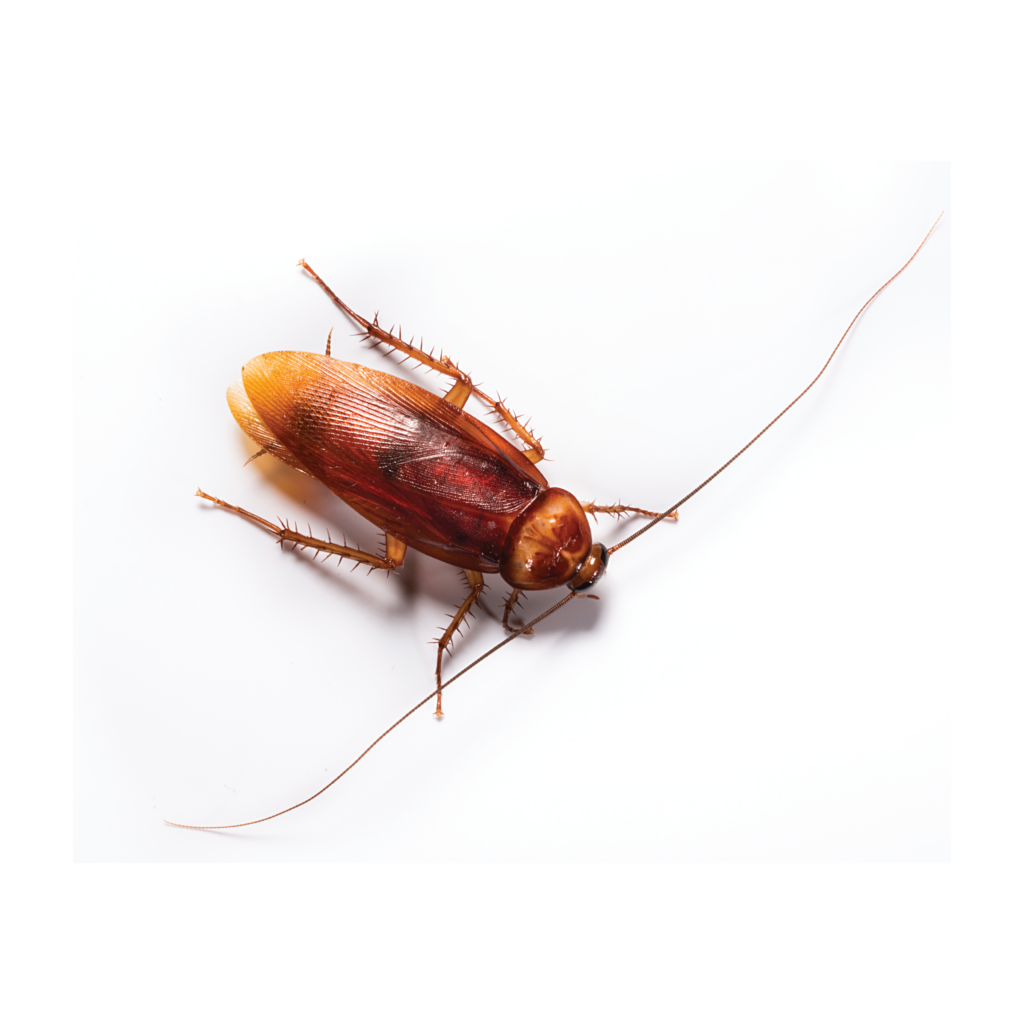
Roaches have a tough exoskeleton that protects them from physical damage and water loss. This outer shell helps them endure harsh environments, including cold snaps. Their bodies are flat and flexible, allowing them to hide in tiny spaces where temperatures might be more stable.
Some roaches produce antifreeze-like chemicals in their bodies. This adaptation lowers the freezing point of their bodily fluids, preventing ice crystals from forming inside their cells. Have you ever wondered how such a small creature can survive freezing when we shiver uncontrollably at just a few degrees below zero?
These biological features explain why some roaches can survive freezing weather, while others cannot. The combination of habitat preferences and body adaptations plays a crucial role in their ability to endure cold conditions.
Credit: www.adamspestcontrol.com
How Cold Affects Roaches
Roaches are notorious for their resilience, but cold weather does affect them in several interesting ways. Understanding how cold impacts their survival can help you predict their behavior and control their presence more effectively. Let’s break down what happens to these pests when temperatures drop.
Temperature Tolerance Limits
Roaches can survive a surprising range of temperatures, but freezing is a major challenge. Most species start to experience stress below 50°F (10°C). When temperatures dip near or below freezing (32°F or 0°C), many roaches slow down significantly or enter a dormant state.
However, some cockroach species, like the German cockroach, are less tolerant of cold and typically die if exposed to freezing conditions for extended periods. Others, like the American cockroach, can survive short bursts of cold but won’t thrive in prolonged freezing weather.
Have you noticed roaches disappearing during winter? It’s often because they seek warmer indoor spaces rather than surviving outside in the cold.
Behavioral Changes In Cold
Cold weather forces roaches to change their behavior to conserve energy. You might see them hiding deeper inside walls, under appliances, or near heat sources.
They become less active and reduce their feeding to preserve energy, making them harder to spot. This behavior can make infestations seem like they’ve disappeared, but they’re just waiting for warmer temperatures.
If you’ve ever cleaned a rarely used basement during winter and suddenly found roaches, it’s because their hiding spots became too cold, forcing them out. Understanding these shifts can help you target your pest control efforts at the right time and place.
Survival Mechanisms In Freezing Weather
Roaches are notorious survivors, capable of enduring harsh conditions that would challenge many other insects. When freezing weather hits, these resilient creatures deploy clever survival mechanisms to protect themselves from the cold. Understanding these strategies gives you insight into how roaches continue to thrive even in winter’s chill.
Antifreeze Proteins And Cryoprotectants
Roaches produce special substances called antifreeze proteins that prevent ice crystals from forming inside their bodies. These proteins lower the freezing point of their bodily fluids, stopping ice from damaging their cells.
Alongside antifreeze proteins, roaches generate cryoprotectants like glycerol. These chemicals act like natural antifreeze, protecting cells by stabilizing membranes and proteins during freezing temperatures.
Have you ever wondered how small creatures avoid freezing solid? These tiny molecules hold the key, allowing roaches to survive where you might think survival is impossible.
Hibernation And Dormancy
When temperatures drop, roaches enter a state similar to hibernation called dormancy. During this time, their metabolic activities slow down significantly, conserving energy and reducing the need for food.
This dormancy helps roaches survive long stretches of cold without active movement. They often hide in insulated areas like cracks or underground spaces, where the temperature remains more stable.
Next time you see a roach disappear during winter, consider that it might not be gone for good but simply resting until the warmth returns.
Roach Survival Stories In Cold Climates
Roaches are notorious for their resilience, but can they really survive freezing weather? Stories from cold climates reveal surprising details about how these pests endure harsh winters. Understanding these survival tales helps you better protect your home and anticipate roach behavior in colder months.
Scientific Studies And Observations
Scientists have studied roaches’ ability to withstand cold temperatures. Some species, like the German cockroach, struggle to survive below freezing. However, certain roaches produce natural antifreeze proteins that help them resist ice formation in their bodies.
Research shows that roaches can enter a state called diapause, slowing their metabolism to conserve energy during cold spells. This state allows them to survive in cracks, sewers, and insulated areas. Knowing this, you might wonder if your basement or crawl space offers the perfect winter refuge for these pests.
Real-life Examples
People living in northern regions often report seeing roaches even after snowstorms. One homeowner shared how roaches appeared in their heated garage despite outside temperatures dropping well below freezing. It turns out, roaches find warmth near pipes and electrical boxes, areas you might overlook when pest-proofing.
Another example comes from urban settings where roaches thrive in underground subway systems. These environments stay relatively warm year-round, allowing roach populations to persist. Have you checked hidden spots in your home that might mimic such warm, protected environments?
- Roaches survive winters by hiding indoors or underground.
- They use antifreeze chemicals in their bodies.
- Slow metabolism helps them endure long cold periods.
What steps can you take to limit these cozy winter hideouts? Sealing cracks, reducing moisture, and keeping warmth from gathering in hidden corners can make your space less inviting. Understanding roach survival in cold climates gives you a clear edge in keeping your home pest-free all year.
Implications For Pest Control
Understanding whether roaches can survive freezing weather directly impacts how you approach pest control. Many people assume cold winters naturally reduce roach populations, but reality is more complex. Knowing their survival tactics helps you plan effective strategies that protect your home all year.
Effectiveness Of Winter Weather
Cold weather can slow down roach activity but rarely kills them outright. Roaches often find warm hiding spots inside homes, like behind appliances or inside wall cracks, to escape the cold. Even freezing temperatures outside don’t guarantee eradication because these pests adapt by burrowing underground or seeking sheltered areas.
Have you noticed roaches appearing even in the coldest months? This shows winter alone won’t solve your pest problem. Relying on weather to control roaches leaves your space vulnerable to infestation year-round.
Strategies To Manage Roaches Year-round
Consistent pest control is key to keeping roaches away no matter the season. Try combining these tactics for better results:
- Seal entry points:Close gaps around doors, windows, and pipes to block roach access.
- Keep your home dry:Fix leaks and reduce moisture, as roaches love damp areas.
- Maintain cleanliness:Remove food crumbs and garbage promptly to cut off their food supply.
- Use baits and traps:Place these in common roach spots to reduce their numbers effectively.
- Schedule regular inspections:Catch infestations early before they become overwhelming.
Have you tried these before? If not, starting today can make a huge difference. Don’t wait for the next cold snap to hope roaches disappear on their own.
Credit: reconpestservices.com
Frequently Asked Questions
Can Roaches Survive In Cold Temperatures?
Roaches struggle to survive in extreme cold. They are cold-blooded, making them susceptible to freezing weather. Their survival depends on finding warm shelters. When temperatures drop below 15°F (-9°C), roaches can freeze to death. However, they often seek indoor warmth to survive the winter months.
How Do Roaches Adapt To Freezing Weather?
Roaches seek warmth and moisture to adapt to cold. They migrate indoors, finding shelter in basements, kitchens, and bathrooms. By hiding in crevices and cracks, they stay warm. This behavior increases during winter, leading to more indoor infestations. Their survival strategy relies on finding suitable indoor environments.
What Happens To Roaches In Winter?
In winter, roaches become less active but don’t hibernate. They seek warm, moist environments indoors. Without proper shelter, they risk freezing to death. Their metabolism slows in cold, conserving energy. This behavior makes them more likely to infest homes, seeking warmth and food during colder months.
Do Roaches Hibernate In Cold Weather?
Roaches don’t truly hibernate; they enter a state of dormancy. Cold weather slows their metabolism, making them less active. They search for warm indoor environments to survive. This dormancy helps conserve energy and increases their survival chances. Understanding this behavior helps in preventing winter infestations.
Conclusion
Roaches face tough challenges in freezing weather. Most cannot survive long in cold. Some types find warm places to hide. This helps them stay alive through winter. Cold alone does not always stop roaches. Knowing this can help control them better.
Keep homes clean and seal cracks well. Stop roaches before they find shelter. Winter does not mean roaches disappear completely. Stay alert and protect your space.