Have you ever wondered if your rooster can brave the cold winter months? Keeping your feathered friend safe and healthy when temperatures drop is a top concern for many backyard chicken keepers.
You might be asking yourself, “Can roosters really survive in cold weather? ” The answer isn’t as simple as yes or no. Understanding how roosters handle the cold can help you provide the best care and avoid serious health problems.
Keep reading to discover practical tips and surprising facts that will make sure your rooster stays warm and happy, no matter how chilly it gets outside.
Rooster Adaptability To Cold
Roosters have surprising ways to handle cold weather. Their adaptability plays a key role in surviving harsh winters. Understanding how roosters adjust can help you keep them safe and healthy during cold spells.
Physical Traits That Help Roosters Brave The Cold
Roosters grow thicker feathers in colder months, which act as natural insulation. Their feathers trap warm air close to their bodies, keeping them cozy.
Some breeds have denser plumage than others, making them better suited for chilly climates. Have you noticed your rooster fluffing up? That’s a way they create extra warmth.
Behavioral Changes To Stay Warm
Roosters often huddle with hens or other chickens to share body heat. They might also tuck their heads under their wings to minimize heat loss.
During cold nights, they tend to roost closely on higher perches where air circulation is reduced, helping them retain warmth. Do you provide enough roosting space for this behavior?
How Diet Supports Cold Weather Survival
In winter, roosters need more calories to generate body heat. You can support this by offering energy-rich foods like cracked corn or sunflower seeds.
Adding extra protein helps maintain their strength and feather health. Have you adjusted your rooster’s diet as temperatures dropped?
Limitations To Rooster Cold Adaptability
Despite their natural defenses, roosters can suffer frostbite, especially on combs and wattles. These areas have less feather coverage and are vulnerable to extreme cold.
Wind and dampness make cold more dangerous, so shelter is crucial. How well does your coop protect against wind and moisture?

Credit: www.reddit.com
Physical Characteristics Of Roosters
Roosters have unique physical traits that help them cope with different weather conditions. Their bodies are built to protect them against cold and harsh environments. Understanding these traits explains how roosters survive cold weather.
Feather Insulation
Roosters have thick feathers that trap warm air close to their skin. These feathers create a natural barrier against the cold. The outer feathers are water-resistant, keeping moisture away. Underneath, soft down feathers provide extra warmth. This double layer helps roosters stay warm during chilly days.
Combs And Wattles
Combs and wattles are the red fleshy parts on a rooster’s head and neck. They have many blood vessels close to the skin. In cold weather, these parts can lose heat quickly. To protect them, roosters often tuck their head under their wings. This reduces heat loss and keeps these sensitive areas safe.
Behavioral Adaptations
Roosters have unique behaviors that help them survive cold weather. These behaviors help them stay warm and find food even in harsh conditions. Understanding these actions shows how roosters adapt naturally.
Roosting Habits
Roosters roost high off the ground to avoid cold drafts. They gather close to other chickens to share body heat. Feathers fluff up to trap warm air near their skin. At night, roosters stay still to conserve energy. Their feet tuck into feathers to prevent heat loss.
Foraging Behavior
Roosters search for food during warmer daylight hours. They scratch the ground to uncover seeds and insects hidden under leaves. When snow covers the ground, they peck at any visible food. Roosters eat more to build energy and stay warm. They also drink water to avoid dehydration in winter.
Credit: www.chickencoopcompany.com
Environmental Factors
Environmental factors play a crucial role in determining whether roosters can survive cold weather. Understanding these factors helps you create a safer and more comfortable space for your birds. Let’s dive into what matters most to keep your rooster warm and healthy during chilly months.
Shelter And Housing
Proper shelter is the first line of defense against cold temperatures. Your rooster needs a dry, insulated coop that traps warmth without trapping moisture. Dampness can lead to frostbite and illness, so ventilation is important but should avoid drafts.
Think about adding straw or wood shavings as bedding—they provide extra insulation and comfort. I once noticed my rooster seemed lethargic until I improved his bedding. After that simple change, he perked up and stayed warm through the night.
How well does your current housing block out cold air? Small improvements can make a big difference in your rooster’s survival odds.
Wind And Weather Protection
Wind chill increases the cold your rooster feels, sometimes by a lot. Position the coop where it’s shielded from prevailing winds—near trees, bushes, or a sturdy fence can help. If natural barriers aren’t available, adding windbreaks like tarps or plywood panels can protect your birds.
Keep in mind, snow and rain add extra challenges. A waterproof roof and raised flooring prevent water buildup inside the coop. This keeps your rooster dry, which is essential for maintaining body heat.
Have you noticed how a simple windbreak changes your outdoor comfort? Your rooster benefits just as much, if not more, from this kind of protection.
Nutritional Needs In Winter
Roosters need special care in cold weather to stay healthy. Their bodies use more energy to keep warm. Proper nutrition helps them survive harsh winter conditions. Providing the right food and water is essential for their well-being during cold months.
High-calorie Diet
Roosters require more calories in winter for body heat. Foods rich in fats and proteins supply needed energy. You can feed:
- Grains like corn and wheat
- High-protein pellets or mash
- Vegetables such as carrots and sweet potatoes
- Small amounts of cooked eggs or meat scraps
These foods help roosters maintain energy and stay warm. Avoid low-energy foods that do not meet their needs.
Hydration Importance
Water is critical even in cold weather. Roosters still lose moisture through breathing and droppings. Frozen water is a common problem. Use heated water bowls or change water often to prevent freezing. Clean, fresh water supports digestion and keeps roosters healthy. Lack of water can cause serious health issues fast.
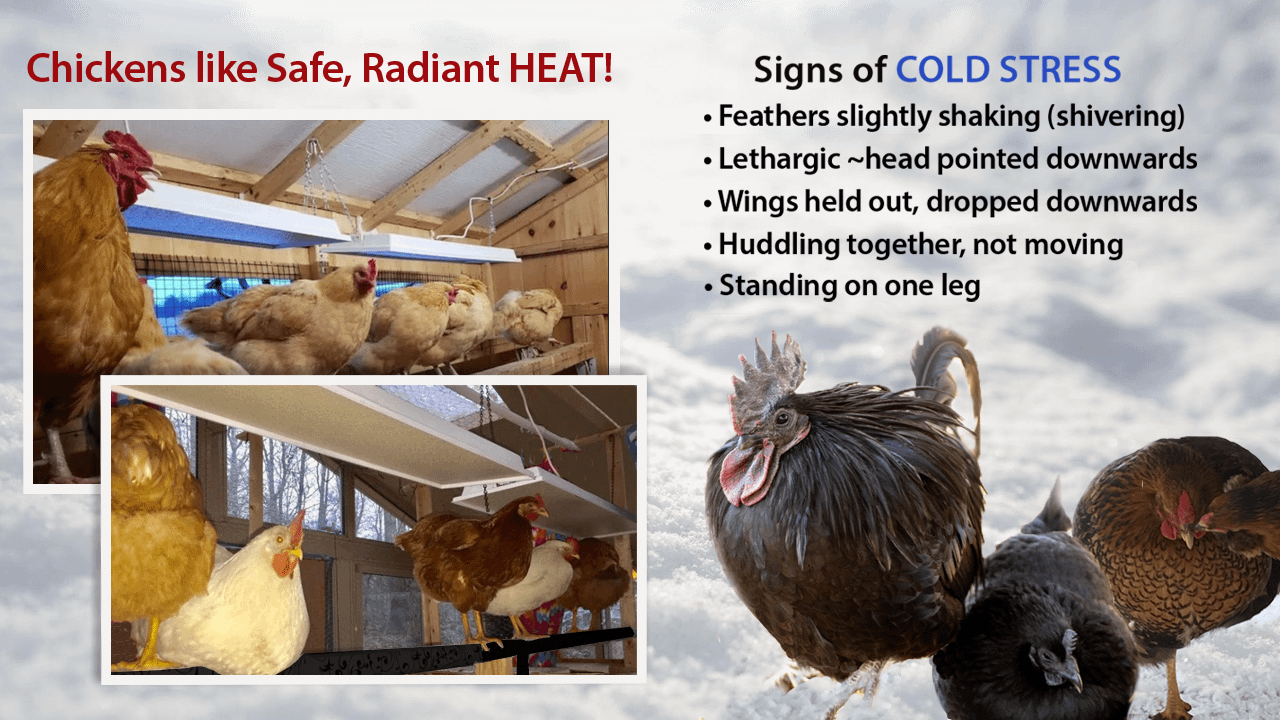
Signs Of Cold Stress
Recognizing the signs of cold stress in roosters is crucial to keeping them healthy during chilly months. If you overlook these indicators, your rooster might suffer more than just discomfort. Watch closely for changes in behavior and physical condition to act quickly and protect your bird.
Behavioral Indicators
Roosters under cold stress often behave differently than usual. You might notice them fluffing up their feathers to trap heat, but excessive puffiness can signal they are struggling to stay warm.
They may become less active, spending more time huddled in one spot. This is their way of conserving energy, but it also means they’re uncomfortable.
Pay attention if your rooster stops crowing or socializing with the flock. A sudden drop in vocalization or interaction can be a red flag for cold stress.
Physical Symptoms
Cold stress can show up in clear physical signs. Look for pale or blue-tinged combs and wattles, which indicate poor circulation due to cold exposure.
Frostbite is another serious symptom. It often affects the comb, wattles, and feet, showing as blackened or swollen areas. Early detection here can save your rooster from severe damage.
If you see your rooster shivering or panting, don’t ignore it. Shivering means they are trying hard to generate heat, while panting can be a stress response.
Preventive Measures
Cold weather can be tough for roosters. Taking preventive measures helps keep them warm and healthy. Proper care reduces stress and avoids illness during winter months.
Proper Shelter Design
A well-designed shelter blocks wind and moisture. Use solid walls and tight roofing to keep cold out. Add ventilation near the roof to stop damp air buildup. Avoid drafts at rooster level.
- Insulate walls with straw or foam boards.
- Raise the coop floor to prevent ground cold.
- Provide clean, dry bedding like wood shavings or straw.
- Ensure roosts are wide and smooth for comfortable perching.
Sunlight can warm the shelter during the day. Position the coop where it gets morning sun. Cover windows with clear plastic for extra warmth.
Emergency Heat Sources
Heat lamps can help on very cold nights. Use lamps with safety guards to prevent fires. Place them away from bedding and wood.
- Use thermostats to avoid overheating.
- Consider heated pads under roosts for extra warmth.
- Check heat sources regularly for safety and function.
Keep a backup heat source ready in case of power outages. Battery-powered or propane heaters work well. Never leave heat sources unattended overnight.

Credit: chooks.co.nz
Monitoring Rooster Health
Keeping an eye on your rooster’s health during cold weather is essential to ensure he stays strong and active. Cold can stress birds and make them more vulnerable to illness. By carefully monitoring your rooster, you can catch problems early and help him thrive through chilly months.
Regular Health Checks
Check your rooster daily for signs of discomfort or illness. Look for changes in behavior like reduced activity or loss of appetite. Inspect his feathers—they should be smooth and well-kept, not ruffled or patchy.
Pay attention to his comb and wattles; pale or swollen areas can indicate health issues. Touch his body to feel for any lumps or swelling that might be hidden under feathers. Don’t forget to watch his droppings; unusual color or consistency can signal digestive problems.
Have you noticed if your rooster is shivering or standing with feathers fluffed up for long periods? This can mean he’s struggling to keep warm. Taking notes on these small details helps you respond quickly before serious problems develop.
Veterinary Guidance
Establish a relationship with a vet experienced in poultry care. They can provide advice tailored to your rooster’s needs and the specific climate challenges you face. Regular vet visits before and during cold seasons can prevent many health issues.
Ask your vet about vaccinations and supplements that support immune health in cold weather. Some roosters benefit from added vitamins or minerals during winter. Don’t hesitate to call your vet if you spot any worrying symptoms; early treatment often makes a big difference.
Could your rooster’s environment be contributing to his health risks? A vet can help you assess housing, diet, and other factors to improve his resilience against cold weather. Remember, professional advice is a valuable tool in keeping your rooster healthy all year round.
Frequently Asked Questions
Can Roosters Tolerate Freezing Temperatures?
Roosters can survive cold weather if properly protected. They tolerate cold but need shelter and dry bedding to stay warm and healthy.
How Do Roosters Stay Warm In Winter?
Roosters fluff their feathers to trap heat. They also huddle together and seek shelter from wind and moisture for warmth.
What Shelter Is Best For Roosters In Cold Weather?
A well-insulated, dry coop with good ventilation is ideal. It keeps roosters safe from drafts and moisture, preventing frostbite and illness.
Do Roosters Need Extra Food During Winter?
Yes, roosters need more calories in cold weather. Extra food helps maintain body heat and energy for staying warm and active.
Conclusion
Roosters can live through cold weather with the right care. They need dry, warm shelter to stay healthy. Feeding them extra food helps keep their energy high. Water should never freeze, or they can get sick. Watch for signs of frostbite on their combs and feet.
Simple steps make a big difference for their comfort. Cold weather is tough, but roosters are strong. Taking care keeps them safe and happy all winter long.


