Have you ever wondered if tadpoles can live outside water? If you’ve seen these tiny creatures wriggling in ponds, you might be curious about what happens when they leave their watery home.
Can they survive on land, or do they need water to stay alive? Understanding this can change how you see nature and help you protect these fascinating little animals. Keep reading to discover the surprising truth about tadpoles and their life beyond water.
Credit: pethelpful.com
Tadpole Basics
Tadpoles are young frogs or toads in their early stage of life. They look like small fish with tails and gills. Tadpoles live mostly in water and slowly change into adult frogs. Understanding tadpole basics helps us know their needs and survival skills.
Life Cycle Of A Tadpole
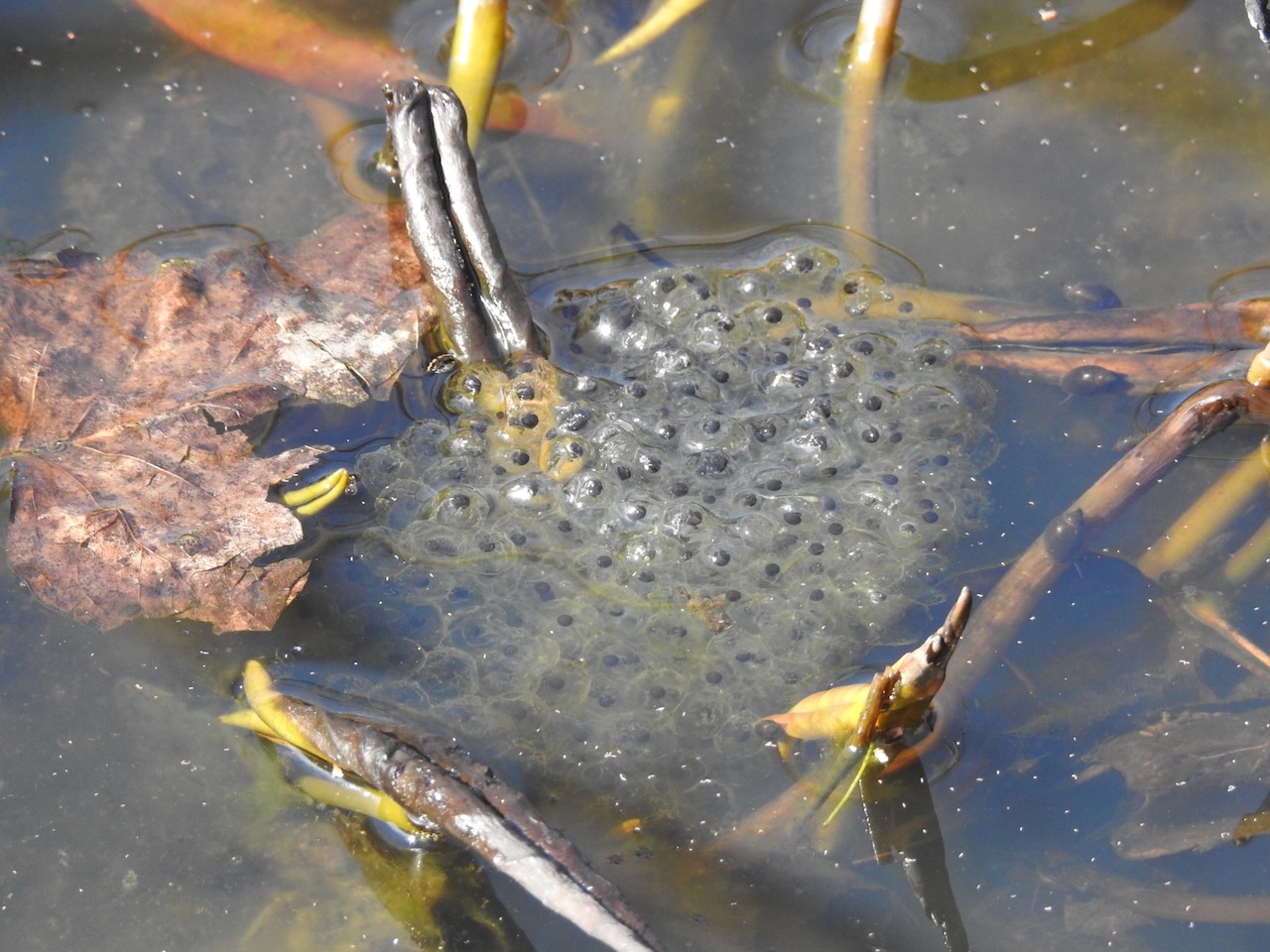
The life cycle of a tadpole starts with eggs laid in water. Eggs hatch into tadpoles that breathe through gills. They swim and eat plants or small animals. Over weeks, tadpoles grow legs and lungs. They lose their tails and become frogs. This process is called metamorphosis. It takes about 6 to 12 weeks to complete.
Habitat Needs
Tadpoles need clean, fresh water to survive. Ponds, lakes, or slow streams work well. Water must be shallow and warm. Plants in water give them food and shelter. Tadpoles also need oxygen in water for breathing. They cannot live long outside water because their gills dry out. Water keeps their skin moist and helps them grow.
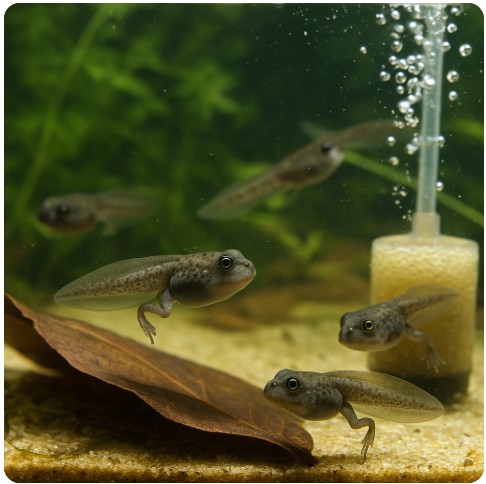
Credit: frogfather.co.uk
Water’s Role In Tadpole Survival
Water is essential for tadpoles to survive and grow into healthy frogs. It provides a safe environment where they can breathe, stay moist, and regulate their body temperature. Without water, tadpoles quickly face challenges that can threaten their survival.
Oxygen Exchange In Water
Tadpoles breathe through gills that extract oxygen dissolved in water. This makes water a critical medium for their oxygen supply. If tadpoles are removed from water, their gills cannot function properly, leading to oxygen deprivation.
Have you ever noticed how tadpoles move near the water surface? They do this to get more oxygen-rich water flowing over their gills. It’s a simple but effective way to survive, showing how dependent they are on water for breathing.
Temperature And Moisture Effects
Water helps keep tadpoles’ bodies cool and moist, which is vital for their skin and overall health. Tadpoles’ skin must stay damp to absorb oxygen and avoid drying out. Without water, they risk dehydration and overheating.
Think about leaving a wet sponge out in the sun—it dries fast. Tadpoles face a similar problem if they are out of water for too long. You can see how even short exposure to dry or hot conditions can be dangerous for them.
Tadpoles Out Of Water
Tadpoles are commonly seen swimming in ponds and lakes, but what happens if they find themselves out of water? Understanding their ability to survive outside their aquatic environment reveals surprising facts about their biology and resilience. Let’s take a closer look at how tadpoles handle being out of water, even if just for a short time.
Short-term Survival Abilities
Tadpoles can survive out of water for brief periods, especially in moist conditions. Their skin plays a crucial role here, as it can absorb oxygen directly from the air if it stays damp enough.
Some species have adapted to tolerate short dry spells by hiding under wet leaves or mud. I once observed tadpoles in a drying puddle, and they seemed to cling to damp spots until rain returned. This shows their surprising ability to endure short-term dehydration.
However, this survival skill is limited. You should never assume tadpoles can stay out of water for long without harm. Their gills are designed for underwater breathing, and without enough moisture, they quickly suffer oxygen loss.
Risks And Challenges
Being out of water poses several dangers to tadpoles. The biggest risk is drying out, which can lead to fatal dehydration in just a few hours.
Additionally, predators like birds or insects find it easier to catch tadpoles stranded on land. They lose the protection that water provides, making them vulnerable.
Another challenge is temperature regulation. Tadpoles rely on water to maintain a stable body temperature. On land, rapid changes in temperature can stress or kill them.
Have you ever thought about how delicate the balance is between water and land for these tiny creatures? Their survival depends heavily on staying within or near their aquatic homes.

Credit: www.reddit.com
Adaptations For Land
Tadpoles face a big challenge when they leave water to live on land. They need special changes to survive in a new environment. These adaptations help them breathe, move, and find food outside water.
Physical Changes During Metamorphosis
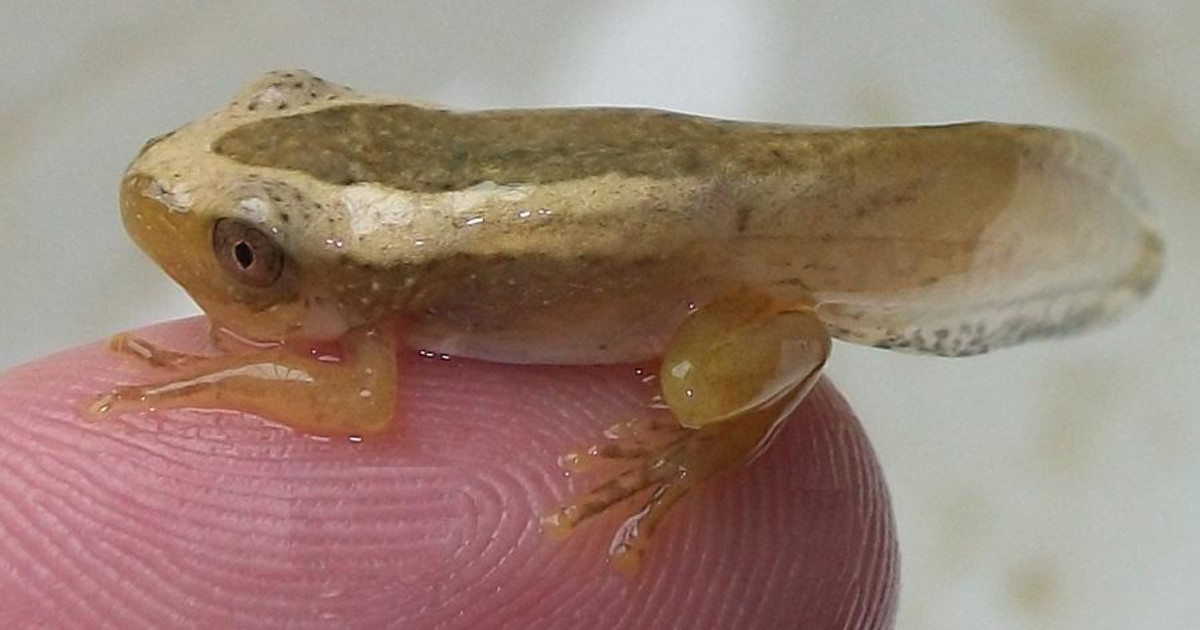
Tadpoles go through many changes as they grow into frogs. Their gills, used for breathing underwater, disappear. Lungs develop to help them breathe air. Their tails shrink and legs grow for walking and jumping. Skin changes to prevent drying out on land. These physical changes prepare them for life outside water.
Behavioral Adjustments
Tadpoles also change how they act to survive on land. They start to spend more time near water edges. They hide under leaves and rocks to stay moist and avoid predators. Their diet changes from algae to insects and small animals. These behaviors help young frogs stay safe and find food on land.
Experiments And Observations
Tadpoles are known for their aquatic lifestyle, but how well can they survive when taken out of water? Scientists and nature observers have conducted various experiments and documented real-life cases to understand this better. These findings challenge what many of us assume about tadpoles and their survival limits.
Scientific Studies On Tadpole Survival
Researchers have tested tadpoles under different conditions to see how long they can live without water. Some species show remarkable resilience, surviving several hours on moist surfaces. This ability varies widely depending on factors like species, humidity, and temperature.
One study kept tadpoles in damp environments and recorded their oxygen consumption. Surprisingly, many tadpoles could absorb oxygen through their skin when out of water, extending their survival time. This points to a hidden adaptation that helps them cope with short periods on land.
Real-life Examples
Nature offers many stories of tadpoles surviving outside water. I once observed tadpoles trapped in a drying puddle that lasted over a day on a moist patch of soil. They seemed sluggish but alive, showing that immediate death outside water is not always true.
In the wild, tadpoles sometimes endure floods or droughts by clinging to wet leaves or mud. These real-life situations highlight their surprising endurance and challenge you to rethink their vulnerability. How might this knowledge affect how you observe or protect amphibians in your area?
Implications For Conservation
The survival of tadpoles outside water has direct consequences on how we protect these delicate creatures. Understanding their limits helps shape conservation efforts that truly make a difference. You might wonder, how can small changes in their environment impact their chances of thriving?
Protecting Tadpole Habitats
Tadpoles need specific aquatic environments to grow safely. Preserving ponds, wetlands, and slow-moving streams is crucial. You can help by supporting local conservation projects that maintain clean and stable water bodies.
Small actions like avoiding pollution and reducing pesticide use near water can keep habitats healthy. Have you noticed how even a slight drop in water quality affects local wildlife? Tadpoles are especially sensitive to these changes.
- Maintain natural vegetation around water sources
- Prevent water contamination from chemicals
- Support restoration of damaged wetlands
Human Impact On Tadpole Survival
Human activities often disrupt tadpole survival, especially when water bodies are drained or polluted. Construction, agriculture, and urban expansion can dry up or contaminate tadpole habitats.
When tadpoles end up out of water, their chances of survival drop sharply. This means even small disturbances can cause big population declines. Have you ever seen a pond shrink after heavy development nearby?
Protecting tadpoles means rethinking how we interact with their environments. Consider advocating for responsible land use in your community to keep these vital habitats intact.
Frequently Asked Questions
Can Tadpoles Breathe Outside Of Water?
Tadpoles primarily breathe through gills while in water. They cannot survive long outside of water. Without water, they risk dehydration and suffocation. As they mature into frogs, they develop lungs for breathing air. Until then, staying in water is crucial for their survival.
How Do Tadpoles Survive In Water?
Tadpoles survive in water by using their gills to extract oxygen. They also rely on water for hydration and food. Their aquatic environment provides the necessary conditions for growth and development. Clean water is vital for their health and survival.
What Happens If Tadpoles Leave Water?
If tadpoles leave water, they risk dehydration and suffocation. Without water, they cannot breathe effectively through their gills. This can lead to death if they remain out of water for too long. Tadpoles need water to survive until they develop lungs.
How Long Can Tadpoles Stay Out Of Water?
Tadpoles cannot survive long outside of water. They rely on water for oxygen and hydration. Without it, they can die within hours. It’s essential for tadpoles to remain in water until they transition into frogs.
Conclusion
Tadpoles need water to live and grow properly. They breathe through gills that work only underwater. Staying out of water for too long can harm or kill them. Some species survive briefly on wet land, but this is rare. Protecting their watery homes helps tadpoles stay safe and healthy.
Remember, tadpoles belong in water, where they can thrive and change into frogs.