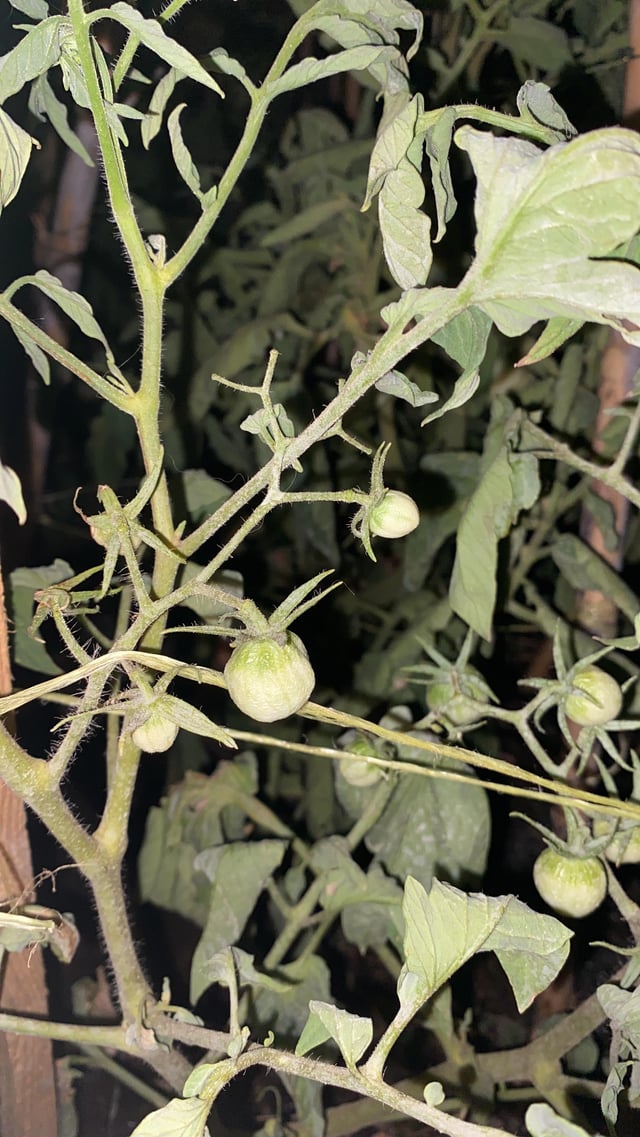
Have you ever wondered if your tomato plants can survive when the temperature drops to 48 degrees? You might be worried about your garden and whether those chilly nights could harm your hard work.
The good news is, understanding how tomato plants handle cold weather can help you protect them and keep your harvest thriving. Keep reading to discover simple tips and crucial facts that will make you confident in caring for your tomatoes, no matter the temperature.

Credit: www.reddit.com
Tomato Plant Heat Tolerance
Tomato plants are popular in home gardens, but their ability to handle extreme heat varies. Understanding how much heat your tomato plants can tolerate helps you protect them during scorching days. Let’s look at what temperatures these plants thrive in and what happens when the heat goes beyond their comfort zone.
Temperature Thresholds For Growth
Tomatoes grow best between 70°F and 85°F (21°C to 29°C). When temperatures rise above 85°F, growth slows down, and fruit development may suffer. If it reaches 95°F (35°C) or higher, tomatoes can stop setting fruit altogether.
Night temperatures also matter. If nights stay above 70°F, fruit setting may decline. So, if your area hits 48°C (about 118°F), it’s well beyond what tomato plants can handle comfortably.
Effects Of Extreme Heat On Plants
Extreme heat stresses tomato plants in several ways. High temperatures cause flowers to drop, reducing fruit yield. Heat also makes leaves wilt and can lead to sunscald on fruits, turning them pale or leathery.
You might notice your plant looking dry even if you water it regularly. That’s because heat increases evaporation and water loss through leaves faster than the roots can supply. Protecting your plants with shade or mulching helps keep soil cooler and moisture in.
Have you tried using shade cloth or misting your tomatoes during hot spells? These simple actions can make a big difference in helping your plants survive when the mercury rises.
Signs Of Heat Stress
Tomato plants exposed to extreme heat, especially around 48 degrees Celsius, show clear signs that something is wrong. Recognizing these signs early can save your plants from irreversible damage. Let’s look at the most common indicators that your tomato plants are under heat stress.
Wilting And Leaf Damage
Wilting is often the first sign you’ll notice. Tomato leaves may droop or curl as the plant struggles to conserve water. If you see leaves turning brown or developing dry edges, it means the heat is causing cell damage.
Leaves may also become brittle and fall off prematurely. This not only reduces photosynthesis but weakens the plant’s overall health. Have you checked your plants during the hottest part of the day? You might find wilting worse in the afternoon, signaling they need immediate care.
Fruit Development Issues
Heat stress can seriously affect how tomatoes grow and ripen. You might notice fruit dropping before it fully matures or small, misshapen tomatoes that never develop properly. This happens because high temperatures disrupt pollination and nutrient flow.
Sometimes, fruits develop cracks or sunscald spots, which makes them vulnerable to pests and diseases. If your tomato harvest looks sparse or the fruit quality declines, heat stress could be the culprit. What changes in your watering or shading routine could help prevent these problems?
Protecting Tomato Plants
Protecting tomato plants from extreme heat is vital for their survival. High temperatures can stress plants and reduce fruit quality. Taking simple steps helps keep plants healthy and productive. Here are some key ways to protect tomato plants in 48 degree weather.
Providing Shade And Mulch
Shade lowers the temperature around tomato plants. Use shade cloth or light fabric to cover plants during peak heat hours. This prevents leaf burn and wilting.
Mulch helps keep soil cool and moist. Organic mulch like straw or wood chips works best. Spread mulch evenly around the base of plants. It also reduces water evaporation and stops weeds.
Optimal Watering Techniques
Water deeply but less often to encourage strong roots. Early morning watering reduces evaporation and gives plants moisture for the day.
Avoid wetting leaves to prevent fungal diseases. Direct water to the soil near the roots.
Use drip irrigation or soaker hoses for consistent moisture. Check soil regularly to keep it moist but not soggy.
:max_bytes(150000):strip_icc()/GettyImages-1682181526-7b3ee1de16b743f0beab9afc9c4b933e.jpg)
Credit: www.thespruce.com
Choosing Heat-resistant Varieties
Choosing heat-resistant tomato varieties helps plants survive extreme temperatures. Some types handle heat better than others. These varieties keep growing and producing fruit, even at 48 degrees Celsius. Growing heat-tolerant tomatoes reduces the risk of plant stress and crop loss.
Picking the right seeds is key to success in hot weather. It ensures your garden stays healthy and fruitful despite high temperatures. Understanding which varieties thrive in heat helps gardeners make smart choices.
Popular Heat-tolerant Tomato Types
- Solar Fire:Bred for hot climates, resists heat stress well.
- Heatmaster:Produces fruit even in intense heat above 40°C.
- Phoenix:Known for consistent yield in warm conditions.
- Creole:Thrives in hot and humid environments.
- Arkansas Traveler:Tolerates heat and resists common diseases.
Seed Selection Tips
- Choose seeds labeled “heat tolerant” or “heat resistant.”
- Buy from trusted suppliers who specialize in hot climate seeds.
- Check seed packet or description for temperature tolerance information.
- Pick varieties with short maturity times to avoid peak heat.
- Test a few seeds before planting large areas to see how they perform.
Adjusting Care During Heatwaves
Tomato plants face serious challenges during heatwaves, especially when temperatures soar to 48 degrees Celsius. Adjusting your care routine can make the difference between a thriving garden and wilting plants. Knowing how to tweak your feeding and pruning habits helps your tomatoes cope better with extreme heat stress.
Timing Of Fertilization
Applying fertilizer during a heatwave requires careful timing. Avoid feeding your tomato plants in the middle of the day when the sun is strongest. Instead, choose early morning or late evening to reduce the risk of fertilizer burn on leaves and roots.
Over-fertilizing during intense heat can stress your plants even more. I once fed my tomatoes late morning during a heatwave, and many leaves turned yellow and crispy within days. Adjusting to cooler parts of the day helped me avoid that problem in later heatwaves.
Focus on balanced fertilizers with lower nitrogen content during heatwaves to prevent excess foliage growth that demands more water. Consider using a diluted liquid fertilizer for gentler feeding that won’t overwhelm your plants.
Pruning And Maintenance
Pruning during extreme heat needs a light touch. Removing too many leaves exposes fruits and stems to direct sun, increasing the risk of sunscald. Instead, prune selectively to improve air circulation without stripping the plant bare.
Check your plants daily for damaged or diseased leaves and remove them promptly. This small action reduces plant stress and helps prevent pests that thrive in hot, humid conditions.
Watering habits also play a role in maintenance during heatwaves. Water deeply but less frequently to encourage strong root growth. Avoid wetting leaves to minimize fungal issues, and mulch around your plants to keep soil cooler and retain moisture.
How do you adjust your tomato care when the heat turns up? Small changes can protect your garden from the harshest conditions and keep your plants productive through the hottest days.
Indoor And Greenhouse Options
Tomato plants are sensitive to extreme cold, and surviving 48-degree weather outdoors is a serious challenge. Bringing your tomatoes indoors or into a greenhouse offers a safer environment where you can better manage the temperature. These options give you control and increase your chances of a healthy harvest despite the chill outside.
Temperature Control Methods
Keeping tomato plants warm requires steady temperature management. Indoors, you can place plants near south-facing windows to maximize sunlight exposure during the day.
Using space heaters or heat mats designed for plants helps maintain a consistent warmth around the roots and leaves. In greenhouses, automated heating systems and ventilation fans work together to keep temperatures stable and prevent overheating.
Don’t forget about insulation—covering plants with frost cloths or placing thermal blankets around pots can protect them during unexpected cold snaps. Do you have a spot in your home or a small greenhouse where you can test these methods?
Benefits Of Controlled Environments
Controlled environments reduce the stress tomato plants face from fluctuating temperatures and harsh weather. This stability promotes better growth, stronger stems, and more fruit production.
You’ll also have fewer pest problems since indoor and greenhouse spaces limit exposure to bugs and diseases common outdoors. Plus, you can extend your growing season well beyond what your local climate usually allows.
Imagine harvesting fresh tomatoes in early spring or late fall just because you created the right conditions. How much more rewarding would your gardening experience be with that kind of control?

Credit: www.reddit.com
Frequently Asked Questions
Can Tomato Plants Survive 48 Degree Fahrenheit Weather?
Tomato plants struggle to survive at 48°F. This temperature is below their ideal range. Cold stress slows growth and reduces fruit quality. Frost can cause damage or kill the plant. Protective measures are needed for survival in such cold.
How Does Cold Weather Affect Tomato Plant Growth?
Cold weather slows photosynthesis and nutrient uptake in tomatoes. Growth becomes stunted, and flowering may stop. Prolonged exposure leads to leaf yellowing and root damage. Overall, cold reduces yield and plant health significantly.
What Are The Signs Of Cold Damage On Tomatoes?
Cold-damaged tomato plants show wilting, blackened leaves, and slowed growth. Fruit may develop sunken spots or fail to ripen. Stem discoloration and softening occur. Early detection helps apply remedies to save the plant.
How Can I Protect Tomato Plants From Cold Weather?
Use row covers, cloches, or frost blankets to insulate plants. Mulching helps maintain soil warmth. Move potted tomatoes indoors or to a greenhouse. Water plants well before cold spells to reduce stress.
Conclusion
Tomato plants face challenges in 48-degree weather. Cold can stress them. Protecting plants helps them survive. Use covers or blankets at night. Mulch keeps soil warm. Choose hardy tomato varieties for cooler climates. Regularly check weather updates. Take action when temperatures drop.
Knowledge helps ensure plant health. Gardening requires patience and care. With effort, tomatoes can thrive even in colder conditions. Stay proactive in managing garden conditions. Enjoy a successful tomato harvest by understanding weather impacts.


