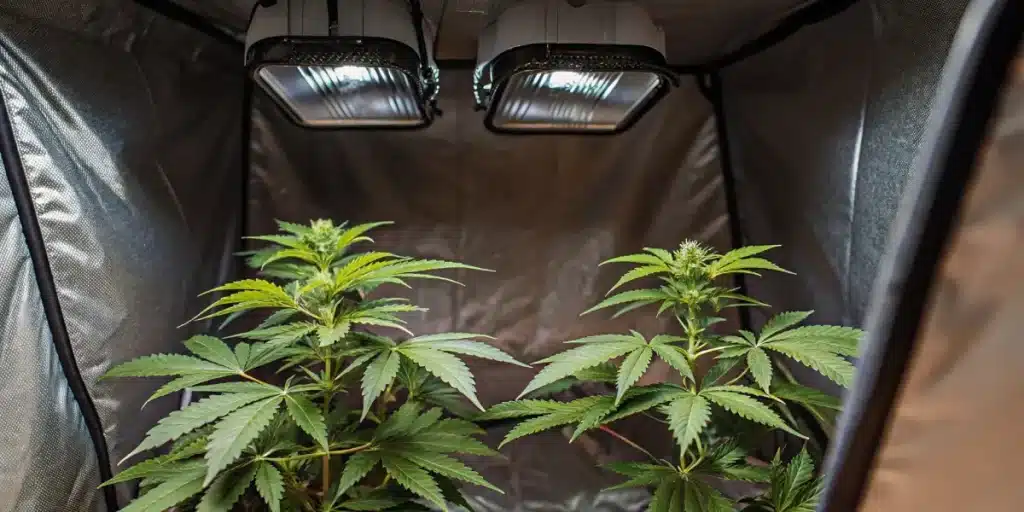
Have you ever wondered if your weed plants can handle scorching 40-degree weather? If you’re growing cannabis or thinking about it, extreme heat can be a big worry.
Your plants need the right conditions to thrive, but when temperatures soar, how do they cope? This article will reveal what really happens to weed plants in intense heat and share simple tips to help you protect your green friends.
Keep reading—you’ll discover everything you need to know to keep your plants healthy, even when the thermometer climbs.
Effects Of Extreme Heat On Weed Plants
Extreme heat can be very tough on weed plants. Temperatures around 40 degrees Celsius put a lot of stress on their systems. This heat affects how well they grow and how much they produce. Understanding these effects helps growers protect their plants better.
Heat Stress Symptoms
Weed plants show clear signs when they suffer from heat stress. Leaves may curl up or turn yellow. Wilting is common, even if the soil has enough water. Sometimes, plants develop brown spots or dry edges on the leaves. These symptoms mean the plant struggles to keep cool and healthy.
Impact On Growth And Yield
High temperatures slow down weed plant growth. The plants use more energy just to survive. This reduces the energy available for producing buds. Heat stress can cause smaller leaves and fewer flowers. Yields drop because plants cannot develop fully. Prolonged heat can stunt the overall size of the plant.
Ideal Temperature Range For Weed Plants
Weed plants thrive best within a certain temperature range. Maintaining the right temperature helps plants grow strong and healthy. Temperatures that are too high or too low can stress the plants. This stress may slow growth and reduce the quality of the harvest. Understanding the ideal temperature range supports better care and higher yields.
Optimal Daytime Temperatures
During the day, weed plants perform best between 70°F and 85°F (21°C to 29°C). This range allows photosynthesis to work efficiently. Temperatures above 85°F can cause heat stress. Plants may wilt, dry out, or stop growing well. Below 70°F, growth slows, and the plant may become weak. Keeping daytime temperatures steady helps plants stay healthy and productive.
Nighttime Temperature Considerations
At night, temperatures should be cooler but not too cold. The ideal range is between 58°F and 70°F (14°C to 21°C). Cooler nights help plants rest and recover. Temperatures below 50°F (10°C) can harm the plant’s metabolism. Sudden drops in temperature cause stress and slow growth. A small difference between day and night temperatures supports healthy development.
Protecting Weed Plants In 40 Degree Weather
Weed plants face stress in 40 degree weather. High temperatures can cause wilting, leaf burn, and slow growth. Protecting these plants is crucial to keep them healthy and productive. Simple care techniques help plants survive heat and stay strong.
Shade And Cooling Techniques
Shade reduces direct sunlight on plants. Use shade cloth or garden umbrellas to block harsh rays. Place plants where they get morning sun and afternoon shade. Misting leaves with water cools the plant surface. Avoid wetting the soil too much to prevent root issues.
Proper Watering Practices
Water plants deeply and less often. This encourages strong roots. Water early in the morning or late in the evening. This prevents water evaporation under the hot sun. Avoid overwatering as it can cause root rot and disease. Check soil moisture before watering to keep balance.
Soil Management Tips
Use well-draining soil to avoid water logging. Adding organic mulch helps keep soil cool and moist. Mulch also reduces weed growth and soil erosion. Fertilize plants with slow-release nutrients to support growth in heat. Regularly check soil health and adjust care as needed.
Credit: blimburnseeds.com
Choosing Heat-resistant Strains
Choosing heat-resistant strains is essential for growing cannabis in hot climates. These strains can handle temperatures around 40 degrees Celsius without stress. Selecting the right genetics improves plant health and yield. It reduces the risk of heat damage and helps plants thrive under intense sun.
Strains That Tolerate High Temperatures
Some cannabis strains naturally endure heat better. Landrace strains from desert regions often show strong heat tolerance. Examples include:
- Durban Poison
- Malawi Gold
- Afghani
- Mexican Sativa
These strains have adapted to high temperatures over generations. They maintain growth and resin production despite heat stress. Choosing these types increases the chance of survival in 40-degree weather.
Genetic Traits For Heat Resistance
Heat-resistant plants have specific genetic traits. These traits help them manage heat and reduce water loss. Key traits include:
- Thick, waxy leaves to limit moisture loss
- Deep root systems to access water
- Smaller leaf surface area to reduce heat absorption
- Strong cell membranes to withstand heat stress
Growers should select strains with these features for hot environments. This genetic advantage helps plants stay healthy in extreme heat.
Monitoring And Adjusting Care
Keeping your weed plants alive and thriving in 40-degree weather demands constant attention. Monitoring conditions closely lets you spot problems before they harm your plants. Adjusting care routines based on real-time data can make a huge difference in survival and growth.
Using Thermometers And Humidity Sensors
Thermometers and humidity sensors are your best friends in extreme weather. They provide accurate readings that help you understand how hot or dry it really is around your plants. Without these tools, you might guess wrong and unintentionally stress your plants.
Place thermometers at canopy level to get true temperature exposure. Humidity sensors will tell you if the air is too dry, which can cause leaves to dry out and stunt growth. If readings spike beyond safe levels, it’s time to adjust your setup.
- Move plants to a shaded area or indoors if temperatures soar.
- Use misting systems or humidifiers to raise humidity when it drops too low.
- Check sensors multiple times a day to catch sudden changes.
Adjusting Nutrient Feeding
High temperatures affect how your plants absorb nutrients. Overfeeding during heat stress can burn roots, while underfeeding slows growth. Watch your plants closely for signs like yellowing leaves or drooping stems—they tell you when to tweak feeding schedules.
During hot spells, reduce nitrogen-rich fertilizers since plants use less nitrogen under stress. Focus on potassium and phosphorus, which help plants manage heat and build strong roots. You might want to feed smaller amounts more frequently rather than a large dose all at once.
- Use diluted nutrient solutions to avoid overwhelming your plants.
- Increase feeding frequency slightly to support recovery without causing buildup.
- Flush the soil if you notice salt buildup or nutrient lockout symptoms.
Have you noticed how adjusting just one aspect of care can impact your plants’ resilience? Monitoring is not just about data—it’s about reacting smartly. Stay observant and flexible, and your weed plants can withstand tough heat better than you expect.

Credit: www.reddit.com
Common Mistakes To Avoid
Growing weed plants in 40-degree weather can be tough. Many growers make mistakes that harm their plants. Avoid these common errors to help your plants survive and stay healthy. Watch your watering habits and learn to spot heat stress early.
Overwatering In Hot Weather
Hot weather makes plants thirsty, but overwatering is a big risk. Too much water can drown roots and cause mold. Wet soil holds heat, stressing plants more. Water only when the top soil feels dry. Use smaller amounts to keep roots healthy and oxygen flowing.
Ignoring Signs Of Heat Damage
Heat damage shows in many ways. Leaves may curl, turn yellow, or get brown spots. Plants might droop or grow slower. Ignoring these signs leads to serious problems. Check plants daily for stress signals. Act fast by moving plants to shade or using cooling sprays.

Credit: www.kannabia.com
Frequently Asked Questions
Can Weed Plants Survive 40 Degree Weather?
Weed plants can survive 40-degree weather if properly cared for. Extreme heat stresses plants, causing wilting and slowed growth. Providing shade and ample water helps improve survival chances during such high temperatures.
How Does 40 Degree Heat Affect Weed Plant Growth?
Forty-degree heat can stunt weed plant growth by causing heat stress. Plants may close stomata to conserve water, reducing photosynthesis. Prolonged exposure may lead to nutrient deficiencies and lower yields.
What Precautions Protect Weed Plants In 40°c Weather?
To protect weed plants in 40°C weather, provide shade and increase watering frequency. Use mulch to retain soil moisture and avoid fertilizing during extreme heat. Monitoring plant health regularly helps detect heat stress early.
Can Indoor Weed Plants Handle 40 Degree Weather?
Indoor weed plants can handle 40-degree weather if the environment is controlled. Use air conditioning or fans to maintain stable temperatures. Proper ventilation and humidity control are crucial to prevent heat stress indoors.
Conclusion
Weed plants can struggle in 40-degree weather but may survive with care. Protecting plants from extreme heat helps them stay healthy. Providing shade and water is key during hot days. Watch for signs of stress like wilting or yellow leaves.
Adjust your care routine to keep plants strong. Growing weed in hot weather requires attention and patience. With the right steps, plants can survive and grow well. This knowledge helps you support your plants in tough conditions.


