Have you ever wondered if your beehive can survive the harsh cold weather? If you keep bees or are thinking about starting, understanding how bees handle winter is crucial.
Cold temperatures can be tough, but your hive has some amazing ways to stay alive when the mercury drops. You’ll discover what really happens inside a beehive during winter and how you can help your bees thrive despite the chill.
Keep reading to protect your buzzing friends through the coldest months!
Beehive Behavior In Winter
Beehives face tough conditions during winter. The cold weather challenges their survival. Bees have unique ways to protect the colony. Their behavior changes to conserve energy and heat. Understanding these changes helps beekeepers support their hives better.
How Bees Cluster For Warmth
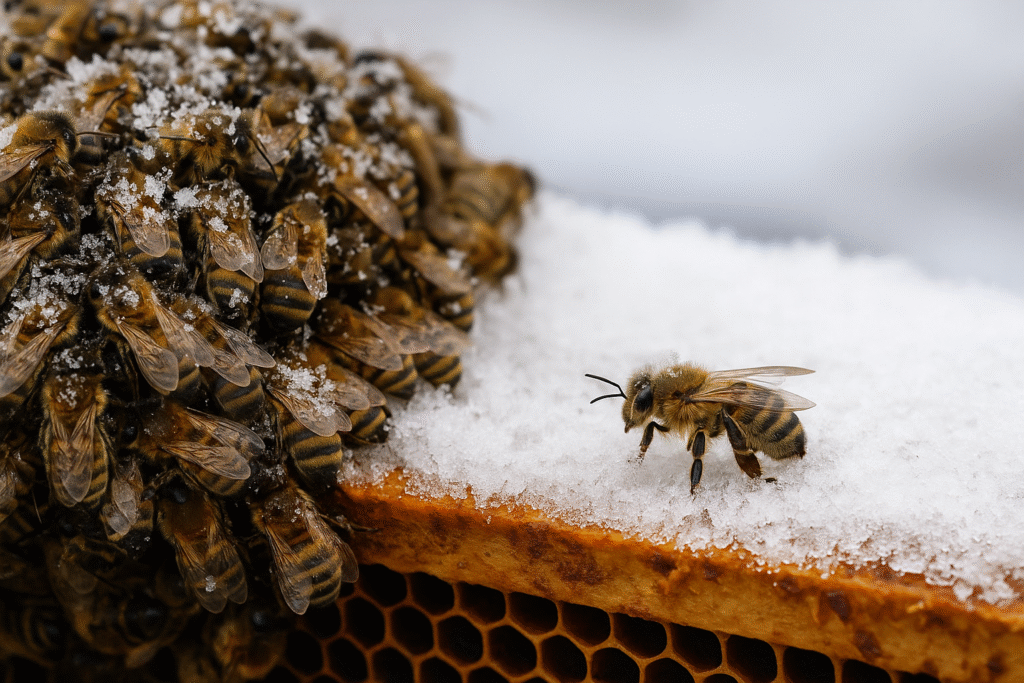
Bees form a tight cluster around the queen. This cluster acts like a living blanket. Bees on the outside insulate those inside. They continuously rotate to share warmth. The cluster vibrates muscles to generate heat. This keeps the hive temperature steady near 90°F (32°C).
Changes In Hive Activity
Bee activity slows down in winter. Foraging stops as flowers disappear. Bees stay inside the hive to save energy. The queen reduces egg laying or stops completely. Bees consume stored honey for food. The hive becomes quieter but remains active inside.
Impact Of Cold On Bee Health
Cold weather can stress bees and the colony. Prolonged cold may cause dehydration or starvation. Moisture inside the hive can lead to mold and disease. Poor ventilation increases risks of sickness. Healthy bees and good hive management improve winter survival.

Credit: www.honeybeesuite.com
Preparing The Hive For Cold
Preparing your beehive for cold weather is essential to help your bees survive harsh winter months. Proper preparation reduces stress on the colony and conserves their energy. It also protects the hive from moisture and freezing temperatures, which can be deadly to your bees.
Insulating The Hive
Adding insulation to the hive helps keep the bees warm by trapping heat inside. You can use materials like foam boards or straw to line the hive walls. Make sure to avoid blocking ventilation since bees need fresh air to prevent moisture buildup.
One beekeeper I know used old blankets wrapped around the hive and noticed a significant drop in winter losses. It’s simple but effective. What materials do you have around that could work for insulation?
Reducing Hive Entrances
Smaller entrances make it easier for bees to maintain warmth inside the hive. Use an entrance reducer or block off extra openings to prevent cold drafts. However, keep enough space for bees to come and go and to avoid overcrowding.
Think about how reducing the entrance affects hive ventilation and pest control. Could too small an entrance cause more harm than good?
Providing Windbreaks
Strong winds increase heat loss from the hive. Setting up a windbreak like a fence, bushes, or even stacked straw bales can shield the hive from chilly gusts. Position the windbreak on the side where winter winds usually blow.
Have you noticed where the coldest winds hit your yard? Placing windbreaks strategically can make a big difference in hive survival.
Feeding Strategies For Winter
Keeping your beehive well-fed during the cold months is crucial for its survival. Bees rely heavily on stored food to maintain energy and warmth. Without proper feeding strategies, your colony could face starvation even if the hive looks intact.
Storing Enough Honey
Honey is the primary food source for bees in winter. You need to ensure your hive has at least 60 pounds of honey stored before the cold hits. This amount varies depending on your local climate, so observe how your bees consume honey as temperatures drop.
Check your hive in late fall to confirm there’s enough honey. If you find the stores low, it’s a red flag that your bees won’t make it through winter without extra help. I once underestimated my hive’s honey supply and lost the entire colony by February.
Supplemental Feeding Options
Sometimes honey stores aren’t enough, or the quality is poor. That’s when supplemental feeding steps in. You can use sugar syrup, fondant, or candy boards as alternatives.
- Sugar Syrup:Best used in early fall before cold weather fully sets in, as bees can process it easily.
- Fondant:A solid sugar source placed directly inside the hive for easy access.
- Candy Boards:Commercially available, these provide a long-lasting sugar source and help reduce moisture inside the hive.
Careful not to feed syrup when temperatures are below 50°F (10°C), or it may chill the bees. Have you tried different supplements? Notice how your bees respond and adjust accordingly.
Timing Of Feedings
Knowing when to feed is just as important as what you feed. Feeding too late in the season can make bees store syrup instead of honey, which isn’t ideal for winter. Early fall feeding gives bees time to convert syrup into honey before cold sets in.
During winter, avoid opening the hive unless absolutely necessary. Disturbing the cluster wastes precious energy and can chill the bees. Plan your feeding schedule around warmer days in late fall and early spring to minimize stress on your colony.

Credit: www.youtube.com
Monitoring Hive Conditions
Monitoring hive conditions is crucial for beekeepers during cold weather. It helps ensure the bees stay healthy and survive the winter months. Careful observation can prevent many common problems that arise in chilly temperatures. Regular checks let beekeepers react early to protect their colonies.
Cold weather can cause moisture and temperature issues inside the hive. Stress signs may show as changes in bee behavior or hive activity. Knowing what to watch for keeps the hive strong until spring.
Checking For Moisture Build-up
Moisture inside the hive harms bees more than cold itself. It causes mold and weakens the bees. Condensation forms when warm air meets cold hive walls. Look for water droplets or damp spots on frames and hive walls.
Good ventilation helps reduce moisture. Remove any wet or moldy material quickly. Adding insulation can also control humidity levels. Keep the hive dry to avoid disease and loss of bees.
Assessing Hive Temperature
Bees cluster tightly to keep warm. The hive temperature usually stays around 90°F (32°C) in the cluster center. Use a hive thermometer to check temperatures without opening the hive. Opening the hive lets cold air in and disturbs the bees.
Low temperatures inside the hive may mean the cluster is shrinking or the bees lack food. High temperatures could signal too much sun or poor ventilation. Keep the hive shaded and well-ventilated for stable temperatures.
Identifying Signs Of Stress
Stress weakens bees and reduces their chances of survival. Watch for unusual behavior like sluggish movement or few bees at the entrance. Dead bees near the hive or inside are warning signs. Reduced hive activity may mean food shortages or disease.
Check for pests such as mites or small hive beetles. Stress can also come from poor hive insulation or damp conditions. Address these problems quickly to support the colony through winter.
Common Winter Risks
Winter brings many challenges for beehives. Cold weather can harm bees in different ways. Understanding these common risks helps protect the hive and keep bees safe.
Moisture And Condensation Issues
Moisture builds up inside the hive as bees breathe and produce heat. This water vapor can condense on cold surfaces. Wet conditions chill the bees and cause mold growth. Proper ventilation is crucial to reduce moisture and keep the hive dry.
Pest And Disease Threats
Cold weather does not stop pests and diseases. Varroa mites, small hive beetles, and fungal infections still attack hives. Weakened bees in winter struggle to fight these threats. Regular hive checks before winter help control pest levels.
Starvation And Energy Depletion
Bees rely on stored honey for food during winter. If the honey supply runs low, starvation risk rises. Cold temperatures force bees to use more energy to stay warm. A lack of food combined with high energy use can lead to colony collapse.
Post-winter Hive Care
Post-winter hive care is essential for healthy bees and a strong colony. The cold months can leave the hive damaged or weak. Early attention helps the bees recover quickly and prepare for spring. Inspecting and maintaining the hive ensures the colony thrives as temperatures rise.
Cleaning And Repairing The Hive
Remove debris and dead bees from the hive entrance and inside. Clean old combs carefully to avoid disturbing the colony. Check for cracks or holes in the hive structure. Repair or replace broken parts to protect the bees from drafts and pests. A clean, secure hive keeps the colony safe and warm.
Assessing Colony Strength
Look for signs of healthy brood and active bees. Count the number of frames covered with bees to estimate strength. Notice the queen’s activity and egg-laying patterns. Weak colonies may need merging or extra feeding. Strong colonies will handle spring challenges better and produce more honey.
Preparing For Spring Growth
Provide fresh food stores if honey is low. Add syrup or pollen substitute to support young bees. Open ventilation slightly to prevent moisture buildup as weather warms. Arrange frames for easy expansion as the colony grows. Early preparation encourages fast development and a successful spring season.

Credit: www.beezslc.com
Frequently Asked Questions
How Do Bees Keep Warm In Winter?
Bees cluster together to generate warmth during cold months. They vibrate their flight muscles, creating heat. This behavior maintains hive temperatures. The queen remains at the center for warmth. They also consume stored honey as energy to keep warm and survive during winter.
Do Bees Fly In Cold Weather?
Bees generally do not fly in cold weather. They prefer temperatures above 50°F (10°C) for flight. Cold conditions can cause them to become sluggish. During winter, they conserve energy by staying inside the hive. This behavior helps them survive until warmer temperatures return.
What Do Bees Eat In Winter?
In winter, bees rely on stored honey for food. They consume honey to produce energy and maintain body heat. Beekeepers often supplement their diet with sugar syrup or fondant. This helps ensure the hive has enough food to survive until spring.
Can Beehives Survive Extreme Cold?
Beehives can survive extreme cold with proper preparation. Beekeepers insulate hives and reduce entrances to retain heat. They also ensure adequate honey stores for winter feeding. Strong, healthy colonies are more likely to survive harsh conditions. Cold-hardy bee species also have a better chance of enduring winter.
Conclusion
Beehives can survive cold weather with the right care. Bees stay warm by clustering tightly inside the hive. They use stored honey for energy during winter months. Protecting the hive from wind and moisture helps bees stay healthy. Beekeepers must check hives before cold seasons begin.
Good preparation means stronger bees and better spring growth. Nature gave bees ways to endure cold days. Watching over them keeps the hive alive and thriving. Cold weather is tough, but bees are tougher.