Are you wondering if your Kol dog can handle the chill when the temperature drops? You’re not alone.
Many Kol owners worry about how colder weather affects their furry friend’s health and comfort. Knowing whether your Kol can survive—and even thrive—in cold conditions is key to keeping them safe and happy. You’ll discover important facts and simple tips that will help you protect your loyal companion when winter arrives.
Keep reading to find out exactly what your Kol needs as the mercury falls.
Credit: www.exposuresop.com
Kol Habitat And Climate
Understanding the habitat and climate preferences of Kol birds is essential if you’re curious about their ability to survive colder weather. Their natural living conditions directly influence their resilience to temperature changes. Let’s take a closer look at where these birds thrive and how they handle the cold.
Natural Range And Environment
Kols are native to tropical and subtropical regions, mostly found in dense forests and wooded areas. They prefer environments with plenty of trees for nesting and abundant food sources like fruits and insects.
These birds often inhabit low to mid-elevation forests, where humidity levels are moderate to high. If you spot a Kol, chances are it’s in a warm, sheltered place with ample cover from predators.
Have you noticed how they rarely venture into open or extremely cold areas? That’s because their survival depends heavily on the protective canopy and consistent food supply their natural habitat offers.
Temperature Tolerance
Kols are adapted to warmer climates and typically struggle in freezing temperatures. Their feathers provide some insulation, but not enough to keep them safe during prolonged cold spells.
They can tolerate mild cold if they have access to shelter and food, but temperatures dropping below 10°C (50°F) can stress them significantly. This makes surviving harsh winters difficult without human intervention or a change in environment.
Do you provide extra food or shelter for wild birds during winter? For Kols, such support could mean the difference between survival and hardship when the temperature dips.
Behavioral Adaptations
Kol birds showcase remarkable behavioral adaptations that help them survive colder weather. These behaviors allow them to maintain body heat, find food, and stay safe as temperatures drop. Understanding these strategies can help you appreciate their resilience and spot them during chilly months.
Seasonal Movements
Kols don’t always stay put when winter arrives. Many move to lower altitudes or warmer areas to escape the harsh cold. This seasonal migration helps them find food more easily and avoid freezing temperatures.
Have you noticed fewer Kols in your usual spots during winter? This movement is their way of coping with the cold. They follow food sources and milder climates, returning once conditions improve.
Shelter And Nesting
Kols get creative with shelter to protect themselves from cold winds and snow. They often use dense foliage, tree hollows, or thick branches to build nests that shield them from the elements.
During cold spells, Kols may huddle together in these nests to share body heat. This simple behavior drastically improves their chances of staying warm. If you want to help, providing birdhouses or dense shrubs can offer them extra shelter during winter.
Physical Adaptations
Do Kol have developed special physical traits to survive cold weather. These adaptations help them keep warm and active despite the chill. Their bodies are designed to reduce heat loss and maintain energy.
Fur And Body Insulation
Do Kol have thick fur that traps warm air close to their skin. This fur acts like a natural blanket. The dense coat blocks cold wind and moisture. It also prevents heat from escaping their body. The fur grows thicker during colder months. This seasonal change boosts their insulation. Their body shape is compact, reducing exposed surface area. This design helps keep heat inside their core.
Metabolic Adjustments
Do Kol increase their metabolism to generate more body heat. Their cells burn energy faster in cold weather. This process produces extra heat to warm their body. They store fat that acts as an energy reserve. Fat also provides extra insulation under the skin. During cold periods, Do Kol may eat more to fuel this process. Their bodies efficiently convert food into heat and energy.
Food Sources In Cold Weather
Surviving colder weather means facing changes not only in temperature but also in available food sources. Animals like the Do Kol adjust their diets and foraging habits to cope with the scarcity of resources during winter. Understanding these shifts can offer you a clearer view of how life adapts when the cold sets in.
Diet Changes During Winter
Do Kol tend to shift their diet in cold months, relying less on fresh plants and more on stored or harder-to-digest food. They often eat bark, twigs, and roots when leaves and fruits are unavailable. This change helps them maintain energy even when their preferred food is scarce.
Have you noticed how some animals become more selective or switch to less tasty but more available food in winter? This adaptability is key to their survival. Watching these diet changes can teach you how nature prioritizes energy efficiency.
Foraging Strategies
In cold weather, Do Kol adjust where and how they find food. They may dig through snow or search under fallen leaves to uncover hidden sources. Sometimes, they follow animal trails to find leftovers or scavenge more actively.
These strategies show clever problem-solving. You might consider how changing your routine or location helps you find resources better during tough times. Could shifting your approach unlock new opportunities for your own challenges?
Common Challenges In Cold Climate
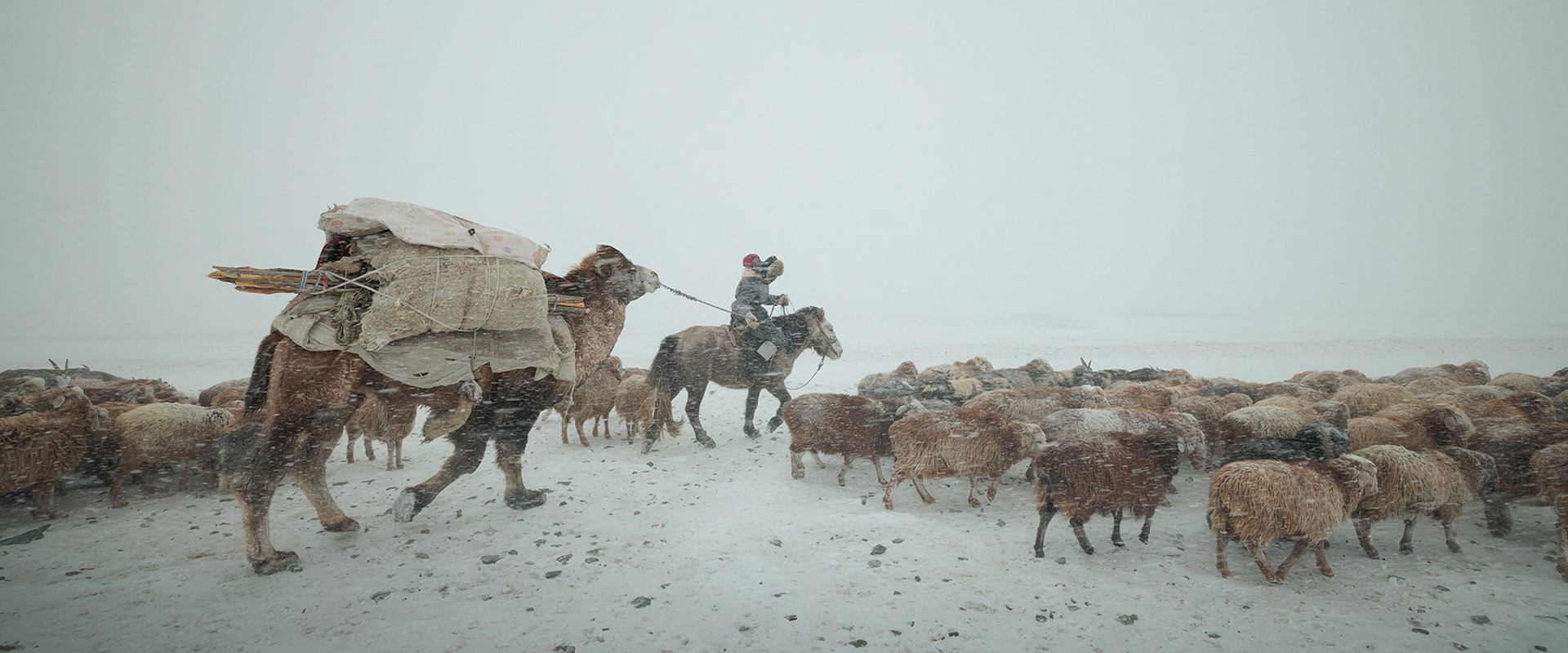
Do Kols face many challenges in cold climates. The drop in temperature affects their survival. These animals must adapt to harsh conditions to live through winter. The cold brings risks that test their strength and instincts.
Predation Risks
Cold weather makes Do Kols more visible to predators. Snow and ice reduce their hiding spots. Predators find it easier to track their movements. Do Kols become slower in cold, making escape harder. They must stay alert to avoid being caught.
Energy Conservation
Keeping warm uses a lot of energy for Do Kols. Food becomes scarce in winter, so they eat less. They must save energy by moving less and resting more. Their body slows down to reduce energy use. Finding a balance between staying warm and saving energy is vital.

Credit: www.reddit.com
Human Support For Kol Survival
Human support plays a vital role in helping Kol survive cold weather. Harsh winters can challenge their ability to find food and stay warm. People can create safer environments and provide extra care to improve their survival chances.
Providing Shelter
Kol need shelter to protect themselves from cold wind and snow. Simple shelters like wooden boxes or insulated huts can keep them warm. Placing these shelters in quiet areas helps Kol feel safe. Shelters should be dry and offer protection from rain and frost. Adding natural bedding, such as straw, improves comfort and warmth inside.
Supplemental Feeding
Food becomes scarce during winter. Supplemental feeding helps Kol get enough energy to survive. Offer high-calorie foods like nuts, seeds, and fruits. Avoid processed or sugary foods that harm their health. Feed Kol regularly to maintain their strength. Clean water should also be available near feeding spots to keep them hydrated.
Monitoring And Conservation Efforts
Keeping Do Kol populations thriving through colder weather depends heavily on careful monitoring and targeted conservation efforts. Without regular checks, it’s tough to understand how these creatures cope with harsh temperatures or where they need the most help. Your awareness and participation can make a real difference in protecting their future.
Tracking Population Health
Tracking the health of Do Kol populations involves routine surveys and data collection. Scientists measure factors like population size, birth rates, and mortality to spot any alarming changes early. Using GPS tagging and remote cameras, they gather detailed information without disturbing the animals.
You might wonder how these numbers translate into action. If a drop in population is detected, conservationists investigate causes such as food scarcity or increased predation during winter. This hands-on approach helps design effective interventions before the species faces serious decline.
Community Involvement
Local communities play a vital role in conserving Do Kol habitats, especially as winter approaches. People living near these animals often notice subtle shifts in behavior or environment that sensors can’t catch. Sharing your observations with conservation groups can highlight urgent issues like habitat damage or illegal hunting.
Communities can also help by planting native trees and maintaining natural shelters that support Do Kol during cold spells. Have you ever joined a local wildlife protection event? These activities not only protect Do Kol but also strengthen your connection to the environment around you.

Credit: www.silemoda.com
Frequently Asked Questions
Can Kol Withstand Freezing Temperatures?
Kol can survive in freezing temperatures, but their survival depends on several factors. They have natural adaptations like thick fur for insulation. However, extreme cold can still pose risks. Providing shelter and adequate food can enhance their chances of survival.
How Do Kol Adapt To Cold Climates?
Kols adapt to cold climates through various natural adaptations. They have thick fur that provides insulation against the cold. Additionally, they may develop a layer of fat to help retain body heat. These adaptations enable them to maintain their body temperature in colder weather.
Do Kol Need Extra Food In Winter?
Yes, kol often require extra food during winter to maintain energy levels. Cold weather increases their metabolic rate, leading to higher energy demands. Providing nutrient-rich food can help them cope with the harsh conditions and sustain their health throughout the colder months.
What Shelter Do Kol Need In Winter?
Kols need warm, insulated shelters during winter to protect against cold and wind. Ideal shelters should be dry and provide a barrier against harsh weather conditions. Natural habitats like dens or man-made structures can offer them the necessary protection to endure the cold season.
Conclusion
Kols can live in cold weather with the right care. They need shelter and enough food to stay warm. Watch for signs of stress during winter months. Providing fresh water is very important too. With proper attention, Kols can stay healthy despite the cold.
Their survival depends on how well you prepare. Small steps make a big difference in cold conditions. Keep learning about their needs to help them thrive. Cold weather is tough but not impossible for Kols to handle.