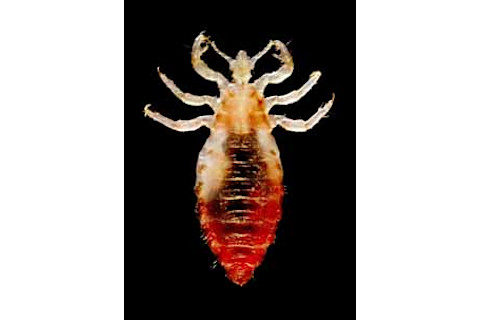
Have you ever wondered if lice can live on your clothes? If you’re dealing with a lice problem or just want to prevent one, this question is probably on your mind.
Understanding whether lice survive on fabric can help you take the right steps to protect yourself and your family. Keep reading to discover the truth about lice on clothes and learn how to keep your wardrobe safe from these tiny pests.
Your peace of mind starts here.
Lice Life Cycle
The life cycle of lice is key to understanding their survival on clothes. Lice pass through several stages before becoming adults. Each stage plays a role in how long lice can live outside the human scalp. Knowing these stages helps explain why lice rarely survive on clothing.
Eggs
Lice eggs, called nits, are tiny and oval-shaped. They stick tightly to hair strands, not clothes. Eggs need warmth from the scalp to develop. Without this warmth, they do not hatch. On clothes, eggs dry out and die quickly. This stage lasts about 7 to 10 days.
Nymphs
After hatching, lice enter the nymph stage. Nymphs look like small adults but cannot reproduce yet. They need blood meals to grow and survive. Away from the scalp, nymphs die within a day or two. Clothes do not provide food or warmth for them.
Adults
Adult lice are fully grown and can lay eggs. They live by feeding on human blood. Adults can survive only about 24 to 48 hours off the scalp. Clothes do not offer the right conditions for adults to live long. Without a host, adult lice soon die.
Survival Needs
- Body warmth is essential for eggs and lice to survive.
- Blood meals keep nymphs and adults alive.
- Moisture helps eggs stay viable.
- Clothes lack warmth, food, and moisture required by lice.
Because of these needs, lice rarely survive on clothes for long. They depend on close contact with the scalp to live and reproduce.
Lice On Clothes
Lice on clothes often cause worry. Many think lice can live and spread through clothing. Understanding their habits clears confusion and guides proper cleaning.
Common Misconceptions
People often believe lice jump from head to clothes. Some think lice can survive days on fabric. Others assume sharing clothes spreads lice easily. These ideas make people panic about everyday items.
Many think lice lay eggs on clothing. Others worry lice move quickly to new hosts via clothes. These fears lead to excessive washing and discarding of clothes.
Actual Behavior
Lice need human scalp warmth and blood to live. They rarely stay on clothes for long. Lice cannot jump or fly; they crawl slowly. Clothes away from the body usually do not hold lice.
Lice eggs, called nits, attach only to hair strands. Clothes cannot support lice eggs. Lice may cling to fabric briefly but die within 1-2 days without a host. Proper washing with hot water removes any lice on clothes.
Survival Time Off The Scalp
Lice depend on human blood to live. Away from the scalp, their survival time is limited. Clothes can carry lice, but they do not live long there. Understanding how long lice survive off the scalp helps prevent spreading and reinfestation.
Environmental Factors
Temperature and humidity affect lice survival on clothes. Lice live longer in warm, moist places. Dry, cool conditions shorten their life. Fabrics that trap heat and moisture can help lice survive a little longer.
Lice need a blood meal every few hours. Without it, they weaken and die. Clothes that are not worn or used for days become unsafe for lice.
Time Limits
Lice rarely survive more than 1-2 days off the scalp. Nits (lice eggs) can last longer but need warmth to hatch. On clothes, most lice die within 24 hours due to lack of food.
Washing clothes in hot water and drying on high heat kills lice and nits effectively. Leaving clothes unused for 2 days or more also removes lice risks.

Credit: www.medicalnewstoday.com
Risk Of Transmission Through Clothing
Lice mainly spread through close head-to-head contact. Their ability to live on clothes is limited. Understanding the risk of transmission through clothing helps prevent lice outbreaks.
Lice cannot jump or fly. They crawl from one host to another. Clothes can carry lice, but only for a short time. The risk of catching lice from clothes is lower than from direct contact.
Direct Contact Vs. Indirect Contact
Direct contact means heads touch each other. This is the most common way lice spread. Indirect contact occurs when lice move through objects like clothes or hats.
Indirect transmission is less likely because lice need warmth and blood. Clothes without a host quickly become unsuitable for lice. They usually die within 1-2 days off the scalp.
High-risk Items
Some clothing items pose a higher risk than others. Items worn close to the scalp or hair are more likely to carry lice. These include:
- Hats and caps
- Scarves
- Hoodies
- Hair accessories like headbands
- Coats and jackets that touch the head
Sharing these items increases the chance of lice transmission. Washing clothes in hot water and drying them on high heat kills lice effectively.
Preventing Lice Spread Via Clothes
Preventing lice from spreading through clothes is a crucial step in controlling an infestation. Lice do not live long off the scalp, but they can cling to fabrics for a short time, making your clothes a potential source of re-infestation. Understanding how to handle your clothing properly can save you time and frustration.
Washing And Drying Tips
You should wash clothes that have been in contact with an infested person in hot water—at least 130°F (54°C). Hot water kills lice and their eggs effectively. Avoid just shaking or brushing off the clothes, as this might spread lice to other areas.
Dry clothes on the highest heat setting your fabric allows. The heat from the dryer is very effective at killing any remaining lice or eggs. If you’re unsure about washing certain items, placing them in a sealed plastic bag for two weeks also works, as lice can’t survive without a host for that long.
Storage Practices
After washing, store clean clothes separately from potentially contaminated ones. Use airtight containers or sealed bags to prevent lice from moving between items. Don’t pile up unwashed clothes in shared spaces where lice can easily transfer.
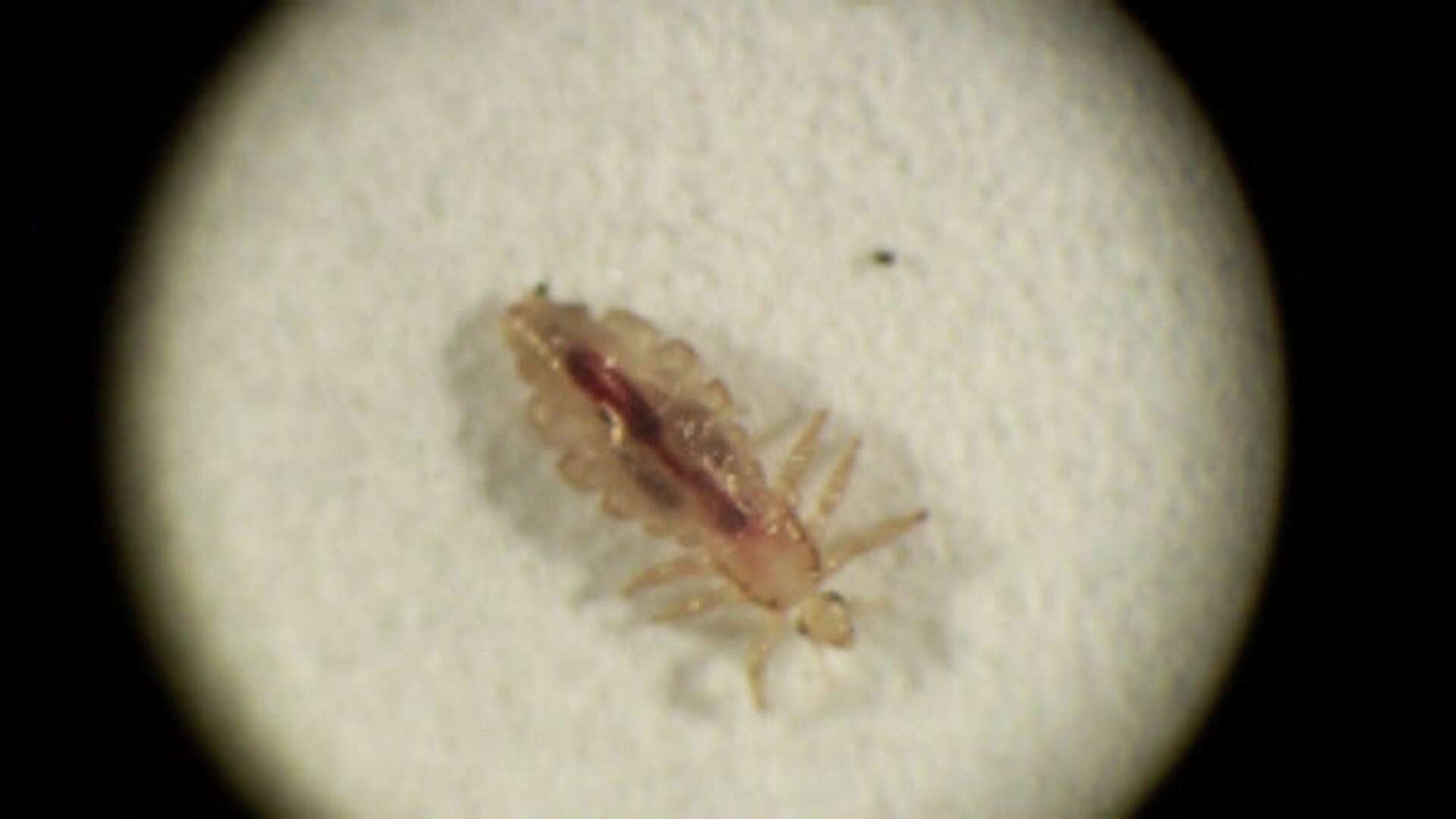
Have you ever left a jacket hanging next to someone else’s and later noticed itching? That’s a common way lice can spread unnoticed. Keeping your clothing organized and isolated reduces this risk significantly.
Credit: www.statesman.com
Effective Treatment Methods
Effective treatment methods are essential to fully remove lice and prevent re-infestation. Treating both the scalp and personal items stops lice from spreading further. Combining proper lice removal and careful cleaning of clothes and bedding improves success. Consistent effort over several days ensures all lice and eggs are eliminated.
Lice Removal Techniques
Remove lice carefully using a fine-toothed comb designed for this purpose. Wet the hair and apply a conditioner to slow lice movement. Comb from the scalp to hair ends, section by section. Clean the comb frequently during use to remove lice and eggs. Repeat combing every two to three days for two weeks to catch newly hatched lice.
Use over-the-counter lice treatments following the instructions exactly. Avoid applying treatments more than recommended. Some treatments need a second application after 7 to 10 days to kill newly hatched lice. Avoid sharing combs, hats, or hair accessories to reduce the risk of spreading lice.
Clothing And Bedding Care
Wash all clothing, bedding, and towels used in the last two days in hot water. Use a temperature of at least 130°F (54°C) to kill lice and eggs. Dry items on the highest heat setting. Items that cannot be washed can be sealed in plastic bags for two weeks to suffocate lice.
Vacuum carpets, furniture, and car seats to remove stray lice or hairs with eggs. Avoid using sprays or fumigants; these are not necessary and may be harmful. Regular cleaning of personal items reduces the chance of lice returning after treatment.

Credit: www.washingtonpost.com
Frequently Asked Questions
Can Lice Survive On Clothes For Long?
Lice cannot survive long on clothes without a human host. They need scalp warmth and blood to live. Typically, lice live up to 24-48 hours on clothing. After that, they die due to lack of food and warmth.
How Do Lice Spread Through Clothing?
Lice spread through direct contact with infested clothes or sharing hats and scarves. They cling to fabric fibers briefly but prefer hair. Avoid sharing personal items to reduce the risk. Washing clothes in hot water helps kill lice effectively.
Can Lice Eggs Survive On Clothes?
Lice eggs, or nits, rarely survive on clothes for long. They need the warmth of the scalp to hatch. On clothing, nits usually die within 1-2 days. Proper washing and drying kill any remaining eggs on fabric.
What’s The Best Way To Clean Clothes From Lice?
Wash clothes in hot water above 130°F (54°C) to kill lice. Dry on high heat for at least 30 minutes. Items that can’t be washed can be sealed in plastic bags for 2 weeks. This starves lice and kills them effectively.
Conclusion
Lice do not live long on clothes. They need human hair to survive. Washing clothes in hot water kills lice and eggs. Drying clothes on high heat helps remove them too. Avoid sharing hats or scarves to prevent lice spread.
Clean clothes and bedding reduce lice chances. Stay careful and keep your clothes clean. This helps protect you and others from lice. Simple steps can keep lice away easily.

