Have you ever wondered if the clothes you wear could carry the Covid-19 virus? You touch your jacket, your pants, or your shirt every day, but can the virus actually live on them?
Knowing the answer can help you protect yourself and your loved ones better. You’ll discover how long Covid-19 can survive on different fabrics and what simple steps you can take to keep your clothing safe. Keep reading—you might be surprised by what you learn.

Credit: famurgentcare.com
Virus Survival On Fabrics
Understanding how long Covid-19 can survive on clothing is important for safety. Fabrics create different environments for the virus. This affects how long the virus stays active and can spread. Knowing these details helps people handle clothes carefully during the pandemic.
How Long Covid19 Lasts On Clothing
Studies show the virus can live on clothes from a few minutes to several days. The exact time depends on many factors. On some fabrics, the virus fades quickly. On others, it may last longer but becomes less infectious.
Factors Affecting Virus Longevity
- Temperature: Warmer temperatures reduce virus survival time.
- Humidity: High humidity can lower virus activity on fabrics.
- Sunlight: UV rays from sunlight help kill the virus faster.
- Fabric moisture: Wet fabrics may keep the virus alive longer.
- Virus amount: More virus on fabric means longer survival times.
Differences Between Fabric Types
| Fabric Type | Virus Survival Time | Reason |
|---|---|---|
| Cotton | Few hours to 1 day | Absorbs moisture, dries quickly |
| Polyester | Up to 3 days | Less absorbent, holds moisture |
| Wool | Shorter time, under 24 hours | Natural fibers, absorbent |
| Synthetic blends | 1 to 2 days | Varied absorbency and texture |
Credit: www.consumerreports.org
Risk Of Transmission From Clothes
Understanding the risk of COVID-19 transmission from clothing is important for your daily safety. While clothes are not the primary source of virus spread, they can carry the virus temporarily if exposed. Knowing how the virus transfers from fabrics to your skin or surfaces helps you take simple yet effective precautions.
Virus Transfer To Skin And Surfaces
The virus can survive on clothing for a short period, especially on materials like cotton or polyester. When you touch contaminated fabric, the virus may transfer to your hands or skin. From there, touching your face—eyes, nose, or mouth—can allow the virus to enter your body.
It’s important to realize that the transfer depends on several factors:
- Type of fabric and its texture
- Amount of virus present on the clothing
- How often you touch the contaminated area
Washing your hands after handling potentially exposed clothes reduces the risk significantly. Also, avoid touching your face until your hands are clean.
Common Scenarios For Clothing Contamination
Think about places where your clothes might pick up the virus. Public transport, grocery stores, or workplaces with high foot traffic are common spots. If someone nearby coughs or sneezes, droplets can land on your clothes.
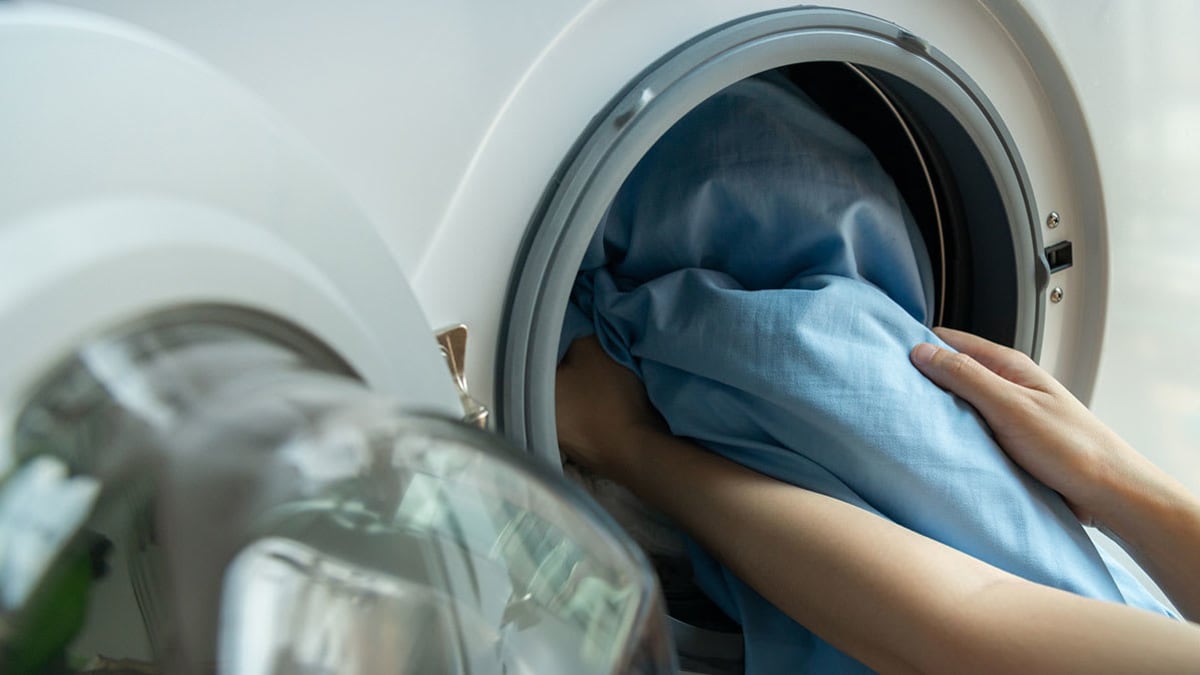
Another scenario is handling laundry from someone who is sick. Their clothes may carry the virus, especially if they were recently worn. Washing these clothes separately and using hot water can help eliminate the virus effectively.
Have you ever thought about your jacket sleeves brushing against surfaces in public places? That small contact can transfer the virus to your clothing. Being mindful of where your clothes touch and practicing good hygiene can lower your risk.
Effective Cleaning Methods
Cleaning clothes properly helps stop the spread of Covid-19. The virus can stay on fabric for hours or even days. Using the right cleaning methods reduces this risk. Washing, drying, and handling clothes safely protects you and others. Follow these simple steps for effective cleaning.
Washing Temperature And Detergents
Use warm or hot water to wash clothes. Temperatures above 60°C (140°F) help kill the virus. Choose a good quality detergent. Detergents break down the virus’s outer layer and remove it from fabric. Avoid cold water, as it may not clean well enough.
- Set your washing machine to at least 60°C
- Use regular laundry detergent or soap
- Wash clothes separately if contaminated
Drying And Ironing Tips
Dry clothes completely after washing. The virus does not survive well on dry surfaces. Use a dryer on a high heat setting if possible. Sunlight can also help kill viruses on clothes.
Iron clothes to add extra protection. High heat from an iron kills remaining germs. Focus on areas like collars, cuffs, and pockets. This step is useful for non-washable fabrics too.
Safe Handling Of Contaminated Clothes
Wear gloves when handling dirty or contaminated clothes. Avoid shaking clothes to prevent virus particles from spreading. Place dirty clothes directly into the washing machine. Wash your hands thoroughly after handling.
- Do not mix contaminated clothes with clean laundry
- Use a plastic bag to transport dirty clothes
- Disinfect laundry baskets or hampers regularly
Preventive Measures
Taking proper preventive measures reduces the risk of Covid-19 spreading through clothing. Understanding how the virus interacts with fabrics helps in making safer choices. Simple steps in selecting, handling, and cleaning clothes protect both you and others.
Choosing Clothes For High-risk Settings
Select clothes made of tightly woven fabrics. These fabrics limit virus particles from settling deep inside. Avoid loose or highly porous materials that trap more contaminants.
Wear clothes that are easy to wash at high temperatures. Dark colors can hide stains but don’t affect virus survival. Choose layers that allow quick removal after exposure.
Personal Hygiene And Clothing
Wash hands before and after handling worn clothes. Avoid touching your face while removing or putting on clothes. Change clothes immediately after returning from crowded places.
Use detergent and warm water to clean clothes thoroughly. Dry clothes completely in sunlight or a dryer. The heat helps kill any remaining virus particles.
Storage And Transport Of Worn Clothes
Store worn clothes in a sealed bag or container. Keep them separate from clean clothes to avoid cross-contamination. If possible, wash clothes within a few hours of use.
Avoid shaking dirty clothes to reduce airborne particles. Carry spare bags for transporting used clothes safely. Label bags if multiple people’s clothes are stored together.

Credit: www.youtube.com
Frequently Asked Questions
Can Covid19 Live On Clothing Surfaces?
Yes, Covid19 can survive on clothing, but not as long as on hard surfaces. Fabrics are porous, which can limit the virus’s lifespan. Regular washing with detergent can effectively remove the virus from clothes. It’s always best to follow hygiene guidelines and wash clothes after exposure to public places.
How Long Does Covid19 Stay On Clothes?
Covid19 can survive on clothing for a few hours to a few days. The exact duration depends on the fabric type and environmental conditions. Natural fabrics may allow the virus to survive longer. Washing clothes with detergent can help eliminate the virus effectively.
Can Laundry Detergent Kill Covid19 On Clothes?
Yes, laundry detergent can effectively kill Covid19 on clothes. Detergents break down the virus’s protective lipid layer. Washing clothes in warm water enhances this effect. It’s crucial to follow washing guidelines to ensure the virus is removed completely from clothing.
Should I Change Clothes After Going Outside?
Yes, it’s advisable to change clothes after being in public spaces. This precaution helps minimize the risk of bringing the virus into your home. Changing and washing your clothes regularly can reduce potential transmission, protecting both you and those around you.
Conclusion
Covid-19 can survive on clothing but only for a short time. Washing clothes with soap and water removes the virus well. Drying clothes in the sun helps kill germs faster. Avoid touching your face after handling worn clothes. Clean hands often to stay safe from infection.
Wearing clean clothes reduces the risk of spreading the virus. Stay careful but don’t worry too much about your clothes. Small steps keep you and others healthier every day. Simple habits protect you in many ways. Stay informed and follow good hygiene always.

