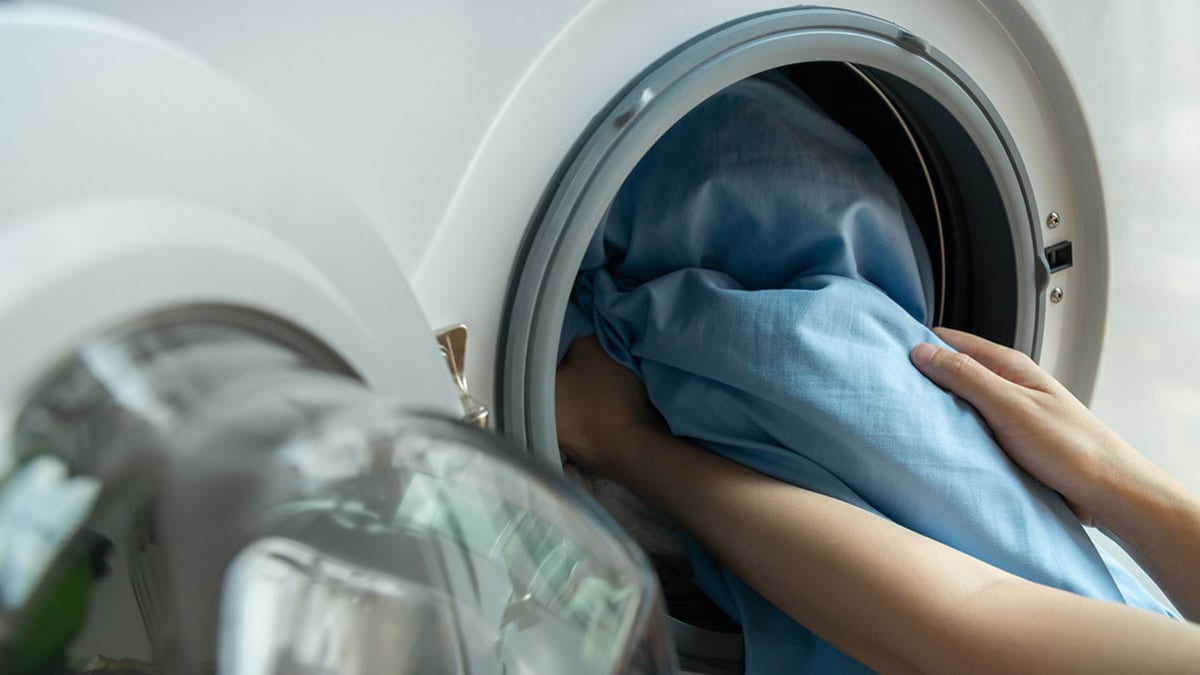
Have you ever wondered how long a virus can stay on your clothes? Knowing this can help you protect yourself and your loved ones.
You might be surprised to learn that some viruses can live on fabric longer than you think. Understanding this can change how you handle your laundry and stay safe every day. Keep reading to find out exactly how long viruses survive on different types of clothes and what simple steps you can take to reduce your risk.
Your safety starts with the right knowledge.
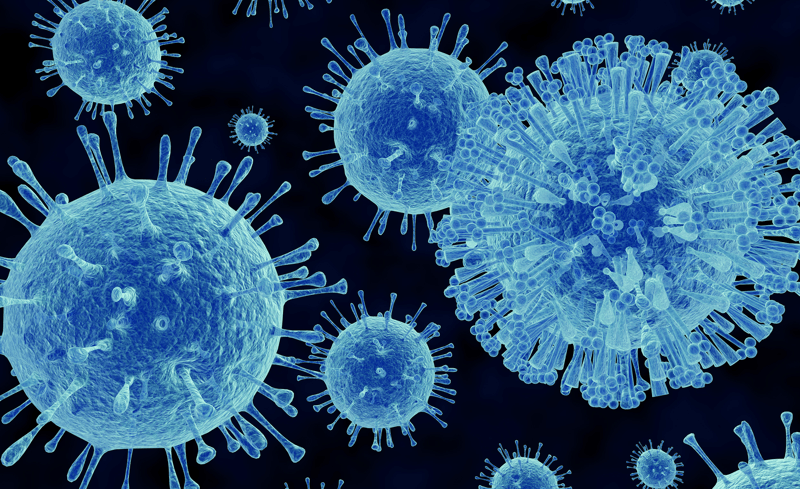
Credit: health.clevelandclinic.org
Virus Survival On Fabrics
Understanding how long a virus can survive on fabrics is crucial for managing your daily hygiene and reducing risks. Viruses don’t behave the same way on every type of cloth, and several factors influence how long they remain infectious. Let’s break down what affects virus survival on fabrics and how different materials play a role.
Factors Affecting Longevity
Temperature and humidity levels greatly impact virus survival on clothes. Cooler and more humid conditions tend to help viruses live longer, while warmth and dryness speed up their decay.
The amount of virus present also matters. A larger viral load on fabric means it could stay infectious for a longer period. You might wonder how often your clothes pick up enough virus to be a concern—this depends on your environment and contact with contaminated surfaces.
Another important factor is how porous the fabric is. Porous materials can trap viruses more easily but may also dry out the virus faster. This mix can either shorten or extend survival times, depending on other conditions.
Types Of Fabrics And Their Impact
Natural fabrics like cotton absorb moisture, which can reduce virus survival because viruses need moisture to stay active. However, if the fabric stays damp, viruses might last longer than expected.
Synthetic fabrics such as polyester tend to hold less moisture but have smoother surfaces. This can allow viruses to survive longer on the surface since drying happens more slowly.
Some studies suggest that virus survival on fabrics like nylon or blends varies widely based on weave tightness and fiber treatment. For example:
| Fabric Type | Estimated Virus Survival Time | Notes |
|---|---|---|
| Cotton | Up to 1-2 days | Absorbs moisture, virus dries faster |
| Polyester | Up to 3-5 days | Smoother surface, retains virus longer |
| Nylon | Varies widely | Depends on weave and treatment |
Have you noticed that some clothes feel fresher longer? That could relate to how viruses and bacteria interact with the fabric. Choosing fabrics that naturally reduce virus survival can be a small but meaningful step in daily safety.
Environmental Influences
How long a virus survives on clothes depends heavily on the environment around it. Various factors like temperature, humidity, and sunlight directly affect the virus’s lifespan on fabric surfaces. Understanding these influences can help you make better decisions about handling and washing your clothes safely.
Temperature Effects
Viruses generally struggle to survive in higher temperatures. If you leave clothes outside on a warm day, the heat can reduce the virus’s lifespan significantly. On the other hand, cold environments tend to preserve viruses longer, allowing them to remain infectious for days.
Think about your winter wardrobe stored in a cool closet. Could the virus linger there longer than you’d expect? Washing clothes in hot water can be a simple but effective way to kill viruses on fabric.
Humidity Levels
Humidity plays a surprising role in virus survival. Low humidity often helps viruses stay active longer because dry conditions prevent them from breaking down. Conversely, high humidity can cause viruses to degrade faster as moisture disrupts their structure.
Have you noticed how viruses spread more in dry indoor air during winter? Using a humidifier might not only ease your breathing but also reduce virus survival on surfaces like clothes. This makes managing indoor humidity a practical step to lower your risk.
Sunlight And Uv Exposure
Sunlight, especially ultraviolet (UV) rays, is a powerful virus killer. UV radiation damages the virus’s genetic material, making it unable to infect. Hanging clothes outside in direct sunlight can help disinfect them naturally and quickly.
Do you have a sunny balcony or yard? Using it to air out your clothes could be a smart move to reduce viral presence. Just a few hours under bright sun can drastically cut down the virus’s survival time on your garments.
Common Viruses On Clothing
Clothes can carry more than just dirt and sweat; they can also harbor viruses that affect your health. Understanding which viruses commonly survive on clothing helps you decide how to handle and wash your garments safely. Let’s look at some of the usual suspects and how long they can stick around on your fabrics.
Coronavirus Persistence
The coronavirus, including strains like SARS-CoV-2, can survive on clothes for a few hours to a couple of days. Its lifespan depends on fabric type, humidity, and temperature. For instance, smooth synthetic fabrics tend to hold the virus longer than porous materials like cotton.
Have you ever wondered if your hoodie or work uniform could still carry the virus after a day? Studies show the virus can remain infectious on fabric for up to 48 hours, though the risk decreases sharply after the first few hours. This makes frequent washing and avoiding touching your face when handling unwashed clothes crucial.
Flu Virus Duration
Influenza viruses behave a bit differently on clothing. They generally survive for about 8 to 12 hours on fabric surfaces. The virus prefers cooler, less humid environments, so your winter coats might hold onto it longer than summer wear.
Think about your last flu season—did you wash your clothes immediately after returning home? Quick laundering can reduce any lingering flu virus and lower the chance of passing it to family members. Using warm water and detergent usually does the trick.
Other Respiratory Viruses
Respiratory viruses like rhinoviruses (common cold) and respiratory syncytial virus (RSV) also cling to clothing but typically for shorter periods, ranging from a few hours up to 24 hours. Their survival depends on fabric type and environmental conditions.
Since these viruses spread easily through contact, do you touch your clothes and then your face often? Regular washing and avoiding sharing clothing can help keep these viruses at bay. Adding a disinfecting step in your laundry routine during cold seasons might be a smart move.

Credit: www.universityhealth.com
Safe Handling Of Contaminated Clothes
Handling clothes that might be contaminated with viruses requires careful attention. The way you take off and manage these garments can make a big difference in stopping the spread. Small habits during this process can protect you and others around you.
Proper Removal Techniques
Take off contaminated clothes slowly and carefully to avoid shaking or spreading particles in the air.
Start by unbuttoning or unzipping without touching the outside surface too much. Pull the garment away from your body and turn it inside out as you remove it.
Always wash your hands immediately after handling these clothes, even if you used gloves. This simple step helps prevent the virus from moving to your face or other surfaces.
Avoiding Cross-contamination
Keep contaminated clothes separate from clean laundry to avoid mixing and spreading germs.
Use a dedicated laundry basket or bag for these items and wash them in the hottest water safe for the fabric. Adding a disinfecting laundry detergent can boost effectiveness.
Think about where you place these clothes after removal. Avoid putting them on furniture or surfaces you use regularly to reduce the chance of virus spread.
Effective Cleaning Methods
Keeping your clothes virus-free requires more than just a quick rinse. Effective cleaning methods play a crucial role in reducing the survival of viruses on fabrics. Understanding how washing temperatures, detergents, and drying practices impact cleanliness can help you protect yourself and your loved ones better.
Washing Temperatures
Washing clothes at higher temperatures significantly lowers the chance of viruses surviving on fabric. Most viruses struggle to survive above 140°F (60°C), so setting your machine to hot or warm cycles can make a big difference.
If you’re washing delicate fabrics that require cooler temperatures, consider pre-soaking or using longer wash cycles. Have you noticed how your family’s gym clothes feel fresher after a hot wash? That’s not just comfort—it’s effective virus reduction in action.
Detergents And Disinfectants
Detergents break down the outer layer of viruses, helping to remove them from your clothes. Using a good-quality detergent with proven cleaning power increases your chances of eliminating viruses effectively.
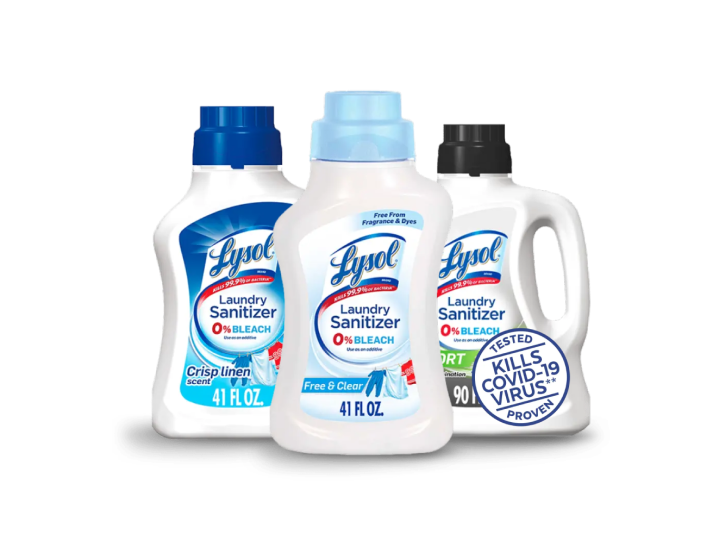
Adding disinfectants like bleach or laundry sanitizers can boost the cleaning process, especially for heavily soiled or shared items. However, always check fabric care labels to avoid damage. Have you tried using laundry additives during flu season? You might find they add peace of mind.
Drying Practices
Drying clothes thoroughly is as important as washing. Viruses tend to survive longer on damp fabric, so a full dry cycle in a machine dryer can reduce risk.
If you use air drying, make sure clothes dry completely in sunlight if possible, as UV rays can help deactivate viruses. Have you noticed that your clothes smell fresher and feel cleaner after drying in the sun? That freshness often comes with added safety.
Preventive Measures For Clothing
Taking care of clothes helps reduce the risk of virus spread. Simple steps protect both your health and others. Clothes can carry viruses for hours or days. Preventive measures lower that chance. Follow easy habits to keep your garments safe and clean.
Protective Gear Usage
Wear gloves when handling dirty clothes from outside. Masks help avoid touching your face. Use aprons or old clothes for cleaning tasks. These barriers limit virus contact on your skin. Remove protective gear carefully to avoid contamination.
Regular Cleaning Habits
Wash clothes often using hot water if fabric allows. Use detergent to break down virus particles. Dry clothes completely under sunlight or in a dryer. Avoid shaking dirty laundry to stop virus spread. Clean laundry baskets regularly with disinfectant.
Storage Tips
Keep clean clothes in a dry, well-ventilated place. Avoid overcrowding in closets to allow air flow. Store used clothes separately until they are washed. Use sealed bags for clothes that cannot be washed immediately. Keep storage areas clean and free from dust.
Myths And Facts
Understanding how long a virus can survive on clothes is tricky because there’s a lot of mixed information out there. It’s easy to get caught up in fears fueled by myths that aren’t backed by science. Sorting out what’s true and what’s not can help you make smarter choices about handling your laundry and protecting yourself.
Common Misconceptions
One popular myth is that viruses can survive on your clothes for days and infect you just by touching them. Many people believe they must wash their clothes immediately after going outside to avoid catching anything.
Another misconception is that drying clothes in the sun completely kills all viruses. While sunlight helps, it doesn’t guarantee 100% elimination of pathogens.
People often think using harsh chemicals on fabric is necessary to stay safe. This can lead to overuse of strong detergents, which might damage clothes and irritate your skin without providing extra protection.
Scientific Findings
Research shows that viruses, including coronaviruses, generally survive on porous surfaces like fabric for much shorter periods than on hard surfaces. Typically, the virus can remain active on clothes for just a few hours.
Studies also reveal that regular washing with detergent and warm water is highly effective at removing viruses from fabric. Adding soap breaks down the virus’s outer layer, making it inactive.
Drying your clothes thoroughly further reduces the risk. Heat from dryers or sunlight can help, but washing remains the key step. So next time you worry about your jacket or shirt, remember that simple washing is your best defense.
Credit: www.lysol.com
Frequently Asked Questions
How Long Does The Virus Survive On Clothes?
The virus can survive on clothes from a few hours to several days. Factors like fabric type, humidity, and temperature affect its lifespan. Porous fabrics usually harbor the virus for less time than synthetic materials. Proper washing kills the virus effectively.
Can Washing Clothes Remove The Virus Completely?
Yes, washing clothes with detergent and warm water removes the virus effectively. Detergents break down the virus’s protective layer, making it inactive. Use the highest temperature safe for the fabric. Drying clothes fully also helps eliminate any remaining virus particles.
Does The Virus Transfer From Clothes To Humans Easily?
Virus transfer from clothes to humans is possible but less common. The virus must survive on fabric and then touch mucous membranes to infect. Regular hand hygiene and avoiding face-touching reduce this risk significantly. Handling clothes carefully is recommended.
Which Fabrics Retain The Virus Longer?
Synthetic fabrics like polyester retain the virus longer than cotton. Non-porous surfaces trap the virus, allowing it to survive up to several days. Natural fibers like cotton absorb moisture and reduce virus viability. Choosing breathable fabrics may reduce contamination risk.
Conclusion
Viruses can live on clothes for a few hours to days. Cleaning clothes often helps remove viruses safely. Use warm water and regular detergent to wash them well. Drying clothes completely also reduces virus survival. Avoid touching your face after handling dirty clothes.
Stay cautious but don’t panic. Simple habits protect you and your family. Keeping your clothes clean is part of staying healthy. Small actions make a big difference in stopping virus spread. Stay informed and practice good hygiene every day.

