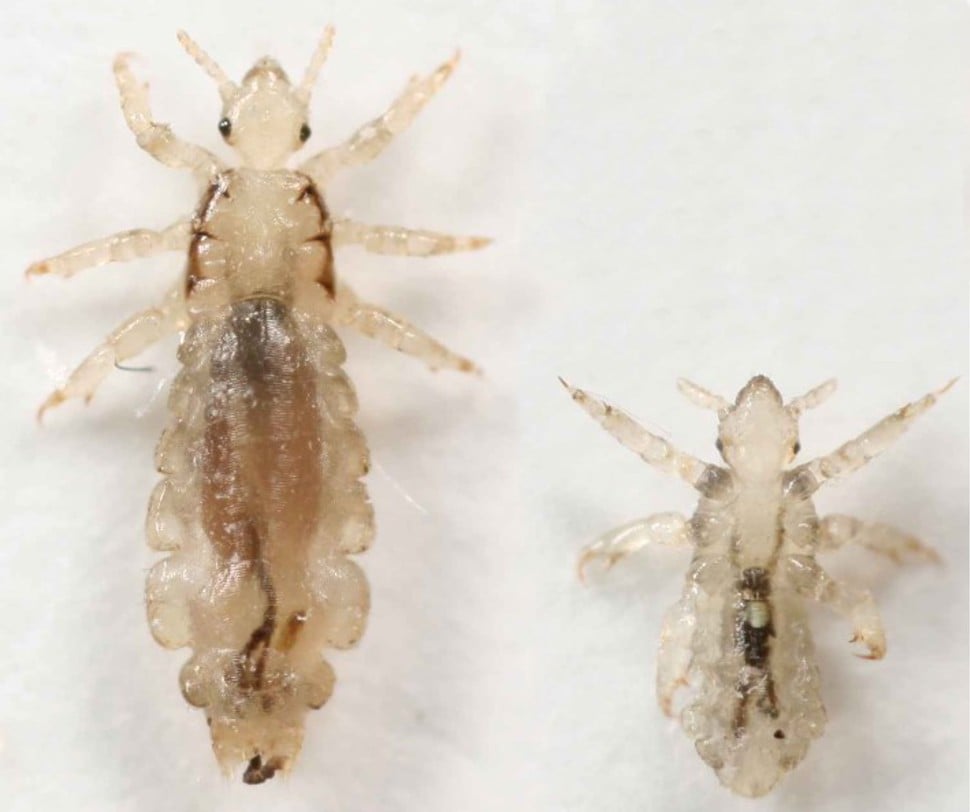
Have you ever wondered how long lice can live on your clothes? If you’re dealing with lice or just want to protect yourself and your family, knowing this is crucial.
Lice aren’t just a problem on your scalp—they can cling to your clothing and spread quickly. Understanding how long they survive outside your hair helps you take the right steps to stop them in their tracks. Keep reading to find out exactly how long lice can live on clothes and what you can do to keep your home lice-free.
Lice Life Cycle
The lice life cycle includes several stages from eggs to adults. Understanding this cycle helps explain how lice spread and survive. Each stage lasts a specific time and has unique traits. This knowledge is key to controlling lice infestations effectively.
Eggs To Adults
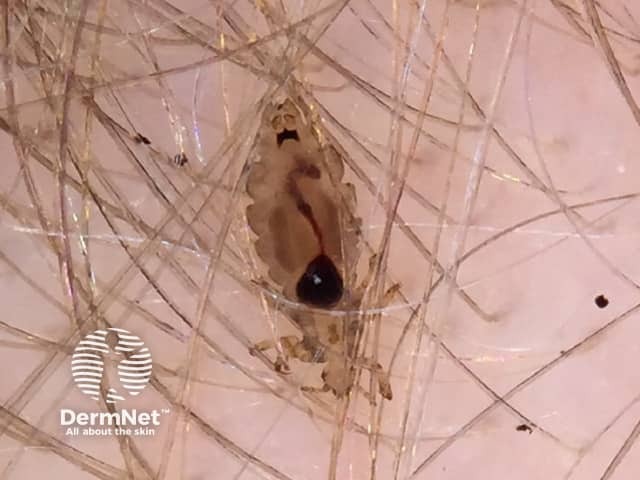
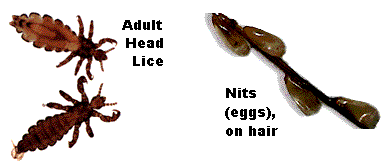
Lice start as tiny eggs called nits. These eggs stick firmly to hair strands near the scalp. Nits hatch after about 7 to 10 days. The young lice, called nymphs, look like smaller adults. Nymphs grow by shedding their skin three times. This growth takes about 7 days. After this, lice become adults. Adult lice live for about 30 days on the scalp. They feed on human blood and lay more eggs. A female louse can lay up to 8 eggs daily. This cycle repeats quickly, causing fast spread.
Survival Outside The Scalp
Lice need warmth and blood to survive. Away from the scalp, they lose these quickly. On clothes, lice can live only 1 to 2 days. Eggs are harder to kill and can survive longer. But nits not attached to hair usually do not hatch. Lice cannot jump or fly, so they spread by direct contact or sharing items. Washing clothes in hot water kills lice and their eggs. Drying on high heat also helps remove them.
Credit: www.rch.org.au
Lice Survival On Clothes
Lice are small insects that feed on human blood. They cannot live long without a host. Clothes can carry lice, but their survival time there is limited. Understanding how long lice survive on clothes helps in controlling their spread.
Timeframe Without A Host
Lice usually live less than 2 days on clothes. Without a human host, they lose their food source. Most lice die within 24 to 48 hours after leaving the scalp. Nits (lice eggs) can survive longer but need warmth to hatch.
Factors Affecting Survival
- Temperature:Warmth helps lice survive longer on clothes.
- Humidity:High humidity increases their survival chances.
- Type of Fabric:Rough fabrics may trap lice better than smooth ones.
- Moisture:Dry clothes reduce lice survival time.
Types Of Clothing At Risk
Understanding which types of clothing can harbor lice is crucial for effective prevention and treatment. Lice don’t just cling to hair—they can survive on various fabric items you wear every day. Knowing which clothes are most at risk helps you take quick action to stop lice from spreading in your home or community.
Hats And Scarves
Hats and scarves are prime spots for lice because they stay close to your head, where lice feed. If someone with lice wears a hat or scarf, the bugs can easily transfer to these items and wait for their next host.
Think about how often you share or try on hats with friends or family. This common behavior increases the chances of lice moving from one person to another.
Jackets And Sweaters
Jackets and sweaters are often overlooked but can also carry lice, especially around the collar and hood areas. These pieces of clothing are worn close to your scalp and hair, offering a warm environment for lice to survive.
Have you noticed kids swapping jackets at school or adults sharing coats in crowded places? These moments can spread lice without anyone realizing it.
Other Fabric Items
Lice can also cling to less obvious fabric items like pillowcases, blankets, and even stuffed toys. While these don’t stay on your body, lice can survive on them for up to 48 hours.
It’s smart to wash or seal these items if someone in your household has lice. This step helps prevent the bugs from jumping back onto hair after treatment.

Credit: www.medicalnewstoday.com
Preventing Lice Transmission
Lice can survive on clothes for a short time, making it important to prevent their spread. Taking simple steps with clothing can stop lice from moving to others. Clean habits and smart storage reduce the risk of transmission.
Proper Clothing Care
Wear clean clothes every day. Avoid sharing hats, scarves, or jackets. Check clothes for lice or eggs after possible exposure. Remove any items that might carry lice to prevent spreading.
Laundry Tips
Wash clothes in hot water above 130°F (54°C). Use regular detergent and dry clothes on high heat for at least 20 minutes. Heat kills lice and their eggs effectively. For items that cannot be washed, consider sealing them in a plastic bag for two weeks.
Storage Recommendations
- Keep clothes in separate closets or lockers.
- Use sealed containers or bags for infrequently worn items.
- Do not pile clothes together, especially in shared spaces.
- Encourage children to store personal items separately at school.
Treatment And Cleaning
Dealing with lice on clothes requires more than just spotting the problem. Proper treatment and cleaning are essential to stop lice from spreading and coming back. Let’s look at how you can effectively wash, disinfect, and know when it’s time to ask for professional help.
Effective Washing Methods
Washing clothes in hot water is one of the best ways to kill lice and their eggs. Use water that’s at least 130°F (54°C) and a strong laundry detergent. Don’t forget to wash hats, scarves, and pillowcases too—they can hide lice easily.
If washing in hot water isn’t an option, seal your clothes in a plastic bag for two weeks. Lice can’t survive long without feeding, so this method starves them out. Have you tried drying clothes on high heat? The dryer’s heat also helps kill lice, so run your clothes through a cycle lasting at least 30 minutes.
Disinfection Techniques
Besides washing, disinfecting items that can’t be washed is crucial. Use a vacuum cleaner on furniture and carpets where lice might hide. Wipe down hard surfaces with disinfectant sprays to remove any stray lice.
For delicate items like stuffed animals or shoes, consider freezing them overnight. Lice cannot survive in extreme cold, so this simple trick can protect your belongings without damage. Are you surprised how many places lice can cling to?
When To Seek Professional Help
If lice keep coming back despite your cleaning efforts, it might be time to get professional help. Some infestations require specialized treatments that only experts can provide. Don’t hesitate to contact a healthcare provider or pest control service if the problem feels out of control.
Persistent lice can affect your family’s health and comfort. Asking for help early can save you a lot of stress and effort. Have you considered professional advice when home treatments didn’t work?
Credit: www.northallegheny.org
Frequently Asked Questions
How Long Do Lice Live On Clothes?
Lice can survive on clothes for up to 48 hours. They need human blood to live. Without a host, they die quickly.
Can Lice Eggs Hatch On Clothing?
Lice eggs usually do not hatch on clothes. Eggs require warmth and close contact with the scalp to develop. Clothes are not suitable for egg hatching.
How To Kill Lice On Clothes Effectively?
Washing clothes in hot water above 130°F (54°C) kills lice. Dry clothes on high heat for at least 20 minutes to eliminate lice and eggs.
Can Lice Spread Through Sharing Clothes?
Yes, lice can spread by sharing clothes, hats, or scarves. Direct contact with infested items increases the risk of lice transfer.
Conclusion
Lice survive on clothes for a short time, usually less than two days. Washing clothes in hot water helps kill lice and their eggs quickly. Drying clothes on high heat also removes any lingering lice. Avoid sharing hats, scarves, or coats to stop lice from spreading.
Regular cleaning and careful handling of clothes reduce the chance of lice returning. Knowing how long lice live on clothes helps you take the right steps. Stay safe and keep your clothes clean to prevent lice problems. Simple actions make a big difference.

