
Have you ever wondered what happens to mosquitoes when the cold weather sets in? You might think these tiny pests disappear entirely, but the truth is more surprising.
Understanding how mosquitoes survive—or don’t—in chilly temperatures can help you protect yourself and your home better. Keep reading to discover the secrets behind their survival and what it means for your comfort and safety during colder months.

Credit: maggiesfarmproducts.com
Mosquito Biology Basics
Mosquitoes are small insects with a complex biology that helps them survive in different climates. Understanding their biology explains how they behave in cold weather. Their life cycle and temperature preferences play key roles in their survival.
Life Cycle Stages
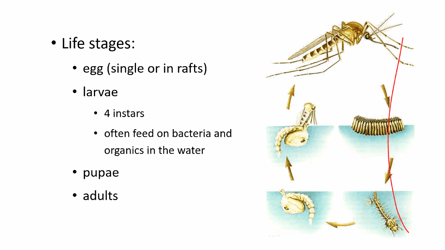
Mosquitoes go through four life stages: egg, larva, pupa, and adult. Eggs are laid in water or moist places. Larvae hatch and live in water, feeding on tiny organisms. Pupae develop in water but do not eat. Adults emerge from pupae and fly to find food and mates. Each stage needs specific conditions to survive.
Temperature Preferences
Mosquitoes prefer warm temperatures between 70°F and 85°F. Cold weather slows their growth and activity. Below 50°F, many mosquitoes become inactive or die. Some species can survive winter by hiding in warm places or as eggs. Temperature directly affects their ability to reproduce and spread.

Credit: www.mosquito-authority.com
Cold Weather Impact
Cold weather plays a major role in the survival of mosquitoes. Their ability to live through winter depends on how low temperatures drop and how they adapt their behavior. Understanding these factors helps explain why mosquitoes are less common in cold months.
Temperature Thresholds
Mosquitoes cannot survive in freezing temperatures. Most species die when temperatures fall below 50°F (10°C). Some can endure short periods near freezing by entering a dormant state. Larvae and eggs are often more resistant than adult mosquitoes.
Below are common temperature impacts on mosquitoes:
| Temperature Range | Effect on Mosquitoes |
|---|---|
| Above 50°F (10°C) | Active, breeding, feeding |
| 32°F to 50°F (0°C to 10°C) | Reduced activity, slowed development |
| Below 32°F (0°C) | Most adults die, larvae and eggs survive in protected areas |
Behavioral Changes
Mosquitoes adjust their habits to survive cold weather. They seek warm, sheltered places like basements, animal burrows, or under leaves. Some species enter diapause, a type of hibernation that pauses their life cycle.
In cold months, mosquitoes stop biting and breeding. They rely on stored energy to live through winter. Once temperatures rise, they become active again and resume their normal behavior.
Survival Strategies
Mosquitoes have developed clever ways to survive cold weather, ensuring their species continue despite harsh conditions. Understanding their survival strategies can help you better protect your home and garden during chilly months. Let’s look at how these tiny creatures manage to outlast winter’s chill.
Hibernation Techniques
Many adult mosquitoes survive cold weather by entering a state similar to hibernation called diapause. During this time, their metabolism slows down drastically, allowing them to conserve energy. They often hide in warm, sheltered places like basements, hollow trees, or under leaves.
You might wonder how long mosquitoes can stay inactive. Some can survive several months this way, waiting patiently for temperatures to rise. This strategy means mosquitoes can reappear as soon as spring arrives, surprising you with their sudden presence.
Egg Diapause
Not all mosquitoes rely on hibernating adults. Some species lay eggs that enter diapause, a form of dormancy, to survive winter. These eggs are tough and can resist freezing temperatures until conditions improve.
Have you noticed stagnant water in your yard still harboring mosquito eggs even in cold seasons? This is because the eggs can remain viable for months. Once the water warms up, the eggs hatch, starting the mosquito life cycle anew.
Knowing these survival methods, you can take action to reduce mosquito breeding spots before winter. Draining standing water and sealing entry points can limit their chances of survival. How prepared are you to interrupt their cycle this season?
Credit: www.currenenvironmental.com
Mosquito Habitats
Mosquitoes are surprisingly good at finding places to survive, even when temperatures drop. Understanding where they hide can help you protect your home and garden better. Their habitats vary widely, from natural spots to human-made environments, each offering unique shelter options during cold weather.
Natural Shelters
Mosquitoes often seek out natural shelters that provide warmth and moisture. Thick leaf litter, dense grass, and tree bark crevices act as cozy hideouts. I’ve noticed in my backyard that mosquitoes tend to disappear during chilly days but return when the sun warms these areas again.
Standing water in ponds or slow-moving streams also serves as breeding grounds, even in cooler months. Some species lay eggs that can survive freezing, hatching only when conditions improve. Have you ever checked your garden after rain or snow melt for hidden pools? These spots can be mosquito nurseries waiting to hatch.
Human-made Environments
Indoor spaces like basements, crawl spaces, and garages can become mosquito shelters during cold spells. They offer stable temperatures and humidity levels that help mosquitoes survive. I’ve found that cluttered storage areas with forgotten containers can trap moisture, creating perfect hideouts.
Outdoor human-made objects like clogged gutters, flower pots, and old tires collect water and shield mosquitoes from frost. These environments often go unnoticed but are critical for their survival. You might consider regularly emptying or covering these items to disrupt their winter refuge.
Winter Mosquito Myths
Many people believe mosquitoes vanish entirely once winter arrives. You might think cold weather kills them off quickly, making mosquito bites a summer-only problem. However, this idea doesn’t tell the full story about how mosquitoes actually survive the cold months.
Common Misconceptions
One common myth is that all mosquitoes die as soon as temperatures drop below freezing. This isn’t true for every species. Some mosquitoes lay eggs that remain dormant until spring, while others find warm shelters to wait out the cold.
Another misunderstanding is that mosquitoes cannot survive indoors during winter. If you’ve ever noticed buzzing around heaters or basements, you know they can find cozy spots inside homes or buildings. This means mosquitoes might still be a nuisance even when it’s chilly outside.
Scientific Insights
Scientists have discovered that many mosquitoes use a survival strategy called diapause, a kind of hibernation. During diapause, mosquito eggs or adults significantly slow down their metabolism to conserve energy. This allows them to survive freezing temperatures without dying.
Research also shows that mosquito species vary in their cold tolerance. For example, the common Culex pipiens mosquito can survive winter in adult form by hiding in sheltered places. This adaptability challenges the idea that mosquitoes simply disappear once the weather turns cold.
Next time you notice a mosquito in winter, consider how it managed to survive. Could your home or yard be providing the perfect winter refuge? Understanding these myths and facts helps you stay prepared year-round.
Global Variations
Understanding how mosquitoes survive cold weather requires looking beyond a single climate zone. Their survival strategies vary widely around the world, shaped by the temperature extremes and seasonal changes they face. This global variation affects how and where mosquitoes thrive, posing different challenges and risks depending on your location.
Tropical Vs. Temperate Regions
In tropical regions, mosquitoes rarely face cold weather. Temperatures stay warm year-round, allowing mosquitoes to remain active without interruption. You might notice mosquitoes buzzing around your home even during what others call “winter.”
Temperate regions tell a different story. Here, cold winters force mosquitoes into dormancy or death. Many species survive by entering a state called diapause, where they pause development and wait for warmer days. Have you ever wondered why mosquitoes seem to disappear in winter but come back strong in spring? That’s due to this seasonal adaptation.
- Tropical mosquitoes:Active year-round, continuous breeding cycles.
- Temperate mosquitoes:Seasonal activity, survival through eggs or hibernation.
Species-specific Adaptations
Not all mosquitoes handle cold the same way. Some species lay eggs that can withstand freezing temperatures. Others survive as larvae or adults hidden in protected places.
For instance, the common Culex pipiens mosquito enters diapause as an adult, hiding in basements or hollow trees. Meanwhile, Aedes aegypti, known for spreading dengue, struggles in cold climates and rarely survives harsh winters.
Knowing which mosquito species live near you can help you predict their behavior and plan your protection. Are you dealing with mosquitoes that simply vanish in winter or those that quietly wait for spring?
Frequently Asked Questions
Do Mosquitoes Die In Cold Weather?
Most mosquitoes do not die but enter a dormant state called diapause. They survive winters as eggs, larvae, or adults. Cold slows their metabolism, allowing survival until warmer weather returns.
How Do Mosquitoes Survive Freezing Temperatures?
Mosquitoes produce antifreeze proteins that prevent ice formation in their bodies. They also seek sheltered spots like leaf litter or burrows to avoid freezing. This helps them survive harsh winter conditions.
Can Mosquitoes Breed In Cold Weather?
Mosquito breeding significantly slows or stops in cold weather. Eggs and larvae enter diapause, pausing development. Breeding resumes only when temperatures rise above 50°F (10°C).
Do All Mosquito Species Survive Cold Winters?
No, only certain species adapted to temperate climates survive cold winters. Tropical species usually die off as they cannot tolerate freezing temperatures. Survival strategies vary among species.
Conclusion
Mosquitoes do survive cold weather, but in special ways. They hide in warm places like tree bark or inside buildings. Some even slow down their body to save energy. Cold weather does not kill all mosquitoes. It just makes them less active until it warms up.
Knowing this helps in controlling mosquitoes all year. Stay aware and protect yourself from bites anytime. Mosquitoes are tougher than many think. Keep learning to stay safe and comfortable outdoors.


