Have you ever wondered what happens if you’re flying in a small plane and something goes wrong? You might ask yourself, “Do small planes carry emergency food?”
When you’re up in the air, far from help, having the right supplies can make all the difference. You’ll discover what small planes usually carry, why emergency food matters, and how it can keep you safe when you least expect it.
Keep reading—your next flight might depend on what you learn here.

Credit: www.youtube.com
Emergency Food Requirements
Emergency food requirements in small planes depend on safety rules and flight duration. Pilots and passengers may need food if a delay happens. Regulations guide what food to carry and how much is enough. These rules ensure safety and comfort during unexpected situations. Understanding these requirements helps pilots prepare better for flights.
Faa Regulations
The Federal Aviation Administration (FAA) sets rules for food on small planes. For short flights, no specific emergency food is required. Longer flights or flights over remote areas may require carrying food and water. Pilots must plan based on flight time and location. The FAA focuses on safety and survival in emergencies. Carrying energy bars or light snacks is common. Water supply is also important for hydration.
International Standards
International rules vary but share similar goals as the FAA. Many countries follow guidelines from the International Civil Aviation Organization (ICAO). These standards recommend carrying enough food and water for all onboard. Emergency food should last for the expected delay time. Packaging must keep food fresh and easy to store. Some countries require specific types of food for emergencies. Pilots flying internationally must know these rules well.
Typical Food Supplies On Small Planes
Small planes usually carry only limited food supplies. Space and weight are important concerns. Pilots and passengers rely on simple, easy-to-store food items during flights. These foods focus on convenience and long shelf life. Emergency food on small planes is practical and minimal.
Snack Options
Snacks are the most common food on small planes. They are light and easy to pack. Popular snacks include:
- Granola bars
- Nuts and trail mix
- Crackers
- Dried fruit
- Protein bars
These snacks provide quick energy. They do not require refrigeration or preparation. Pilots often prefer snacks that do not create crumbs or mess.
Packaged Meals
Packaged meals are rare but possible on longer flights. They come in sealed containers. These meals are ready to eat or need minimal preparation. Examples include:
- Freeze-dried meals
- Ready-to-eat canned foods
- Vacuum-sealed sandwiches
Packaged meals last long and are lightweight. They ensure pilots and passengers stay nourished if flights extend unexpectedly.
Storage And Shelf Life
Storage and shelf life play a vital role in emergency food supplies on small planes. Space is limited, so food must be compact and last long. Proper storage keeps food safe and edible during flights. Pilots and passengers can rely on these supplies if unexpected delays or emergencies occur.
Packaging Methods
Emergency food in small planes uses special packaging to save space and protect freshness. Vacuum-sealed packs remove air to slow spoilage. Foil pouches block light and moisture. Some foods come in airtight plastic containers. These methods stop bacteria growth and keep food ready to eat.
Expiration Concerns
Food expiration dates matter for safety and taste. Most emergency foods last from months to years. High-fat foods spoil faster and need careful checking. Always store food in a cool, dry place inside the plane. Check expiration dates before every flight. Replace old supplies to avoid eating spoiled food.
Situations Requiring Emergency Food
Knowing when you might need emergency food on a small plane helps you prepare wisely. Not every flight faces trouble, but certain situations can stretch your time in the air or on the ground unexpectedly. Being ready with emergency food could make a big difference for comfort and safety.
Unexpected Delays
Delays happen more often than pilots or passengers expect. Weather changes, mechanical checks, or waiting for clearance can add hours to your flight time. In these moments, having emergency food keeps your energy up and your focus sharp.
Imagine being stuck on a remote airstrip with no nearby stores. Without food, your mood and alertness could drop quickly. Carrying compact, non-perishable snacks like energy bars or nuts is a smart habit that prepares you for these surprises.
Survival Scenarios
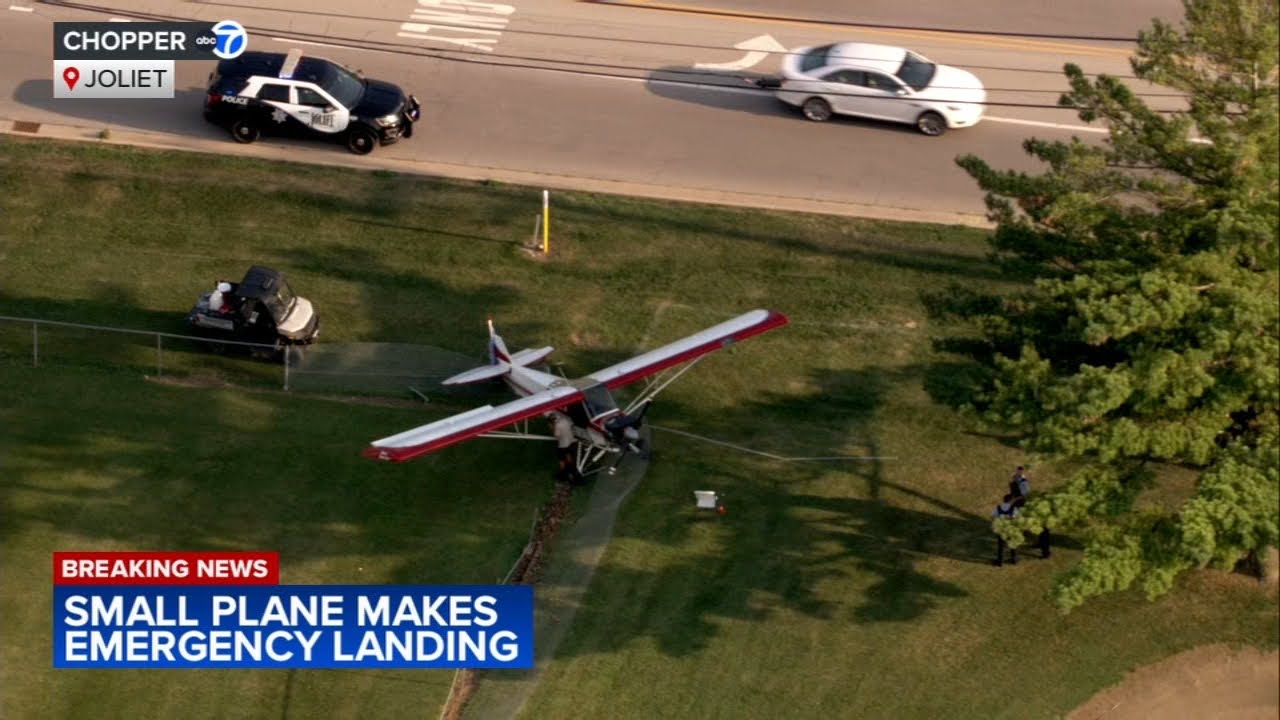
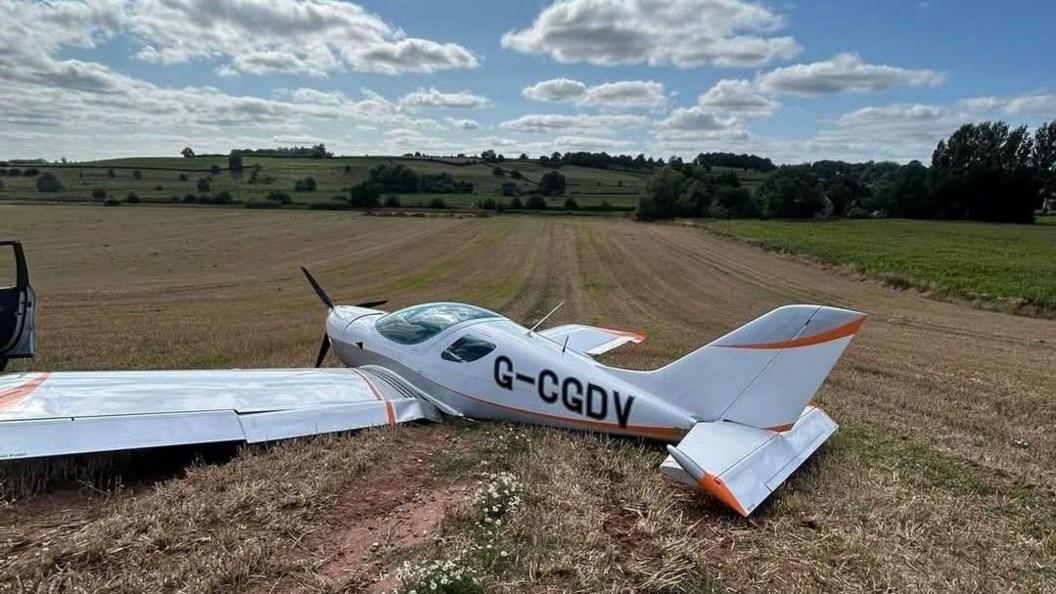
In rare cases, small planes might face off-course landings or extended waits for rescue. Emergency food becomes essential when you’re waiting outside the cockpit for help to arrive. It sustains your strength and helps maintain morale during stressful times.
Think about how long you could stay alert without food. Survival kits often include lightweight, high-calorie food for this reason. Have you checked your emergency supplies lately to ensure they’re still good to eat?
Pilot And Passenger Preparedness
Pilot and passenger preparedness plays a key role in small plane safety. Emergencies can happen without warning. Having food ready helps maintain energy and focus. Being ready supports survival during unexpected delays. Both pilots and passengers share responsibility for preparation.
Personal Food Packs
Many pilots bring personal food packs on flights. These packs often include lightweight, non-perishable items. Examples are granola bars, nuts, and dried fruit. These foods provide quick energy without taking much space. Passengers can also carry small snacks for longer trips. Packing familiar foods helps reduce stress during emergencies.
Survival Kits
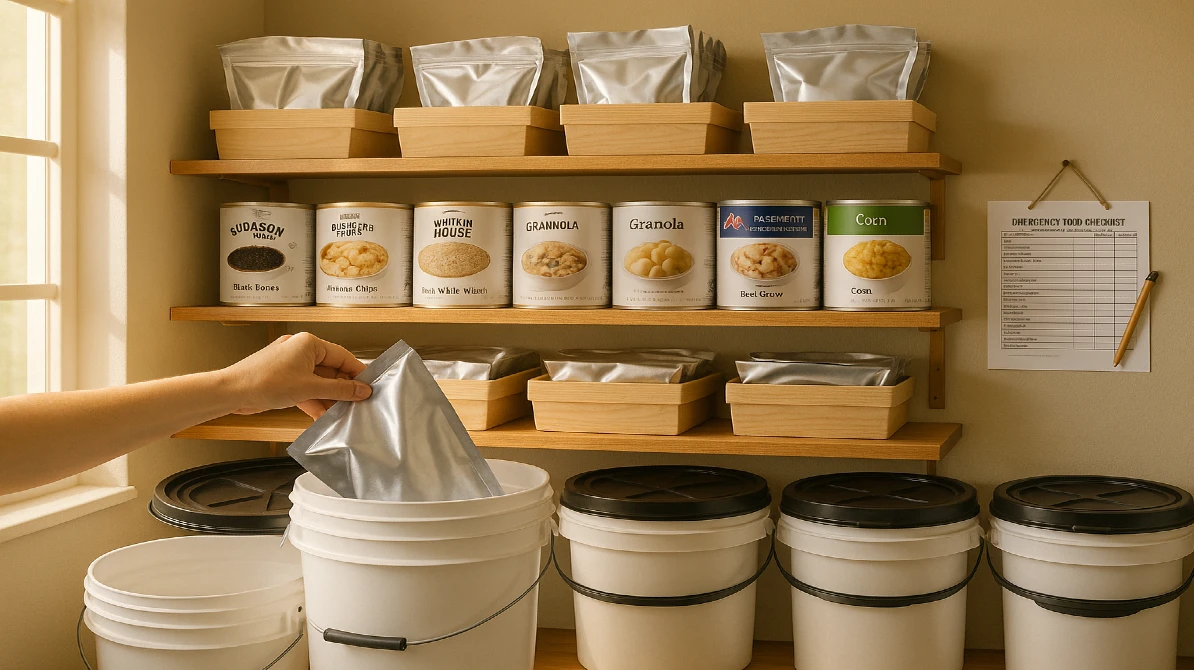
Survival kits in small planes usually contain basic food supplies. These kits focus on long-lasting, high-energy items. Common contents include energy bars, water pouches, and ready-to-eat meals. Kits also hold tools for signaling and first aid. Pilots check kits regularly to ensure freshness and completeness. Survival kits improve chances of staying safe after unexpected landings.
Credit: www.bbc.co.uk
Advancements In Emergency Food Tech
Emergency food technology has made significant strides, especially in aviation where space and weight are limited. Small planes, unlike commercial jets, cannot carry large supplies, so the food provided must be both efficient and reliable. Advances in this field ensure that pilots and passengers can stay nourished even in unexpected situations.
Compact Nutrition
Emergency food for small planes is designed to pack a high amount of nutrients into a tiny space. These compact rations often come in bars or bite-sized packets that fit easily into survival kits. They combine essential vitamins, proteins, and carbohydrates to keep your energy steady without adding bulk.
Think about how you’ve felt when you skipped a meal and energy dipped fast. Now imagine having a small, easy-to-carry snack that restores your strength quickly. That’s what modern compact nutrition aims to provide—quick, effective fuel in a minimal package.
Long-lasting Rations
Durability is key when it comes to emergency food in aviation. These rations are specially formulated to last for years without spoiling, even in fluctuating temperatures. This means you don’t have to worry about frequent replacement or storage issues.
Many of these long-lasting foods use vacuum-sealed packaging and natural preservatives to maintain freshness. Have you ever opened a survival kit only to find stale or unusable food? Advances today help prevent that frustration, giving you peace of mind during your flight.

Credit: www.wikihow.com
Frequently Asked Questions
Do Small Planes Carry Emergency Food Supplies?
Small planes usually do not carry emergency food. Pilots focus on essential survival gear like water and first aid kits. Food is rare due to limited space and short flight durations.
Why Don’t Small Planes Have Emergency Food Onboard?
Space and weight limitations restrict small planes from carrying food. Emergency kits prioritize water, medical supplies, and signaling devices over food items. Food storage and spoilage also present challenges.
What Emergency Supplies Are In Small Planes Instead Of Food?
Small planes typically carry water, first aid kits, flares, radios, and survival blankets. These items help pilots survive until rescue arrives. Food is generally not included due to flight duration and storage limits.
Can Pilots Bring Their Own Emergency Food On Small Planes?
Yes, pilots can bring personal snacks or energy bars. However, these are not standard emergency supplies. Pilots should focus on lightweight, non-perishable, and compact food if desired.
Conclusion
Small planes usually carry only basic emergency supplies. Food is not always included on board. Pilots focus on safety gear like first aid kits and water. Passengers should bring snacks for longer flights. Being prepared helps during unexpected delays or emergencies.
Always check with the pilot or airline about what is available. Staying informed makes your flight safer and more comfortable. Remember, planning ahead is the best way to avoid hunger. Safe travels start with simple steps like packing food.