Have you ever wondered if ticks, fleas, mites, and other pests can survive when the cold weather sets in? You might think that freezing temperatures keep these tiny creatures away, but the truth could surprise you.
Understanding how these pests react to cold can protect your home, your pets, and your health. Keep reading to discover what really happens to these pests during chilly months—and learn how you can stay one step ahead all year round.
Cold Weather Effects On Parasites
Cold weather changes the way parasites like ticks, fleas, and mites behave and survive. While many people think these pests disappear completely during winter, the truth is more complex. Understanding how cold affects them can help you better protect yourself and your pets.
How Temperature Influences Survival
Parasites rely heavily on temperature to regulate their life cycles. Most ticks, fleas, and mites slow down or enter a dormant state when temperatures drop below freezing. However, some can survive by hiding in warm places like animal burrows, leaf litter, or your home.
For instance, I noticed ticks still active around my backyard during a mild winter. This showed me that even when it’s cold, parasites find ways to survive if the temperature doesn’t stay consistently low.
Factors like humidity and shelter also play a role. Cold alone doesn’t guarantee parasite death. This means you can’t assume cold weather will keep these pests away entirely.
Parasite Activity During Winter
During winter, parasite activity usually decreases but doesn’t stop completely. Some fleas remain active indoors, especially if your home is warm. Ticks often wait for their hosts by staying under leaves or snow cover.
- Fleas can continue biting pets inside heated homes.
- Ticks may become less mobile but still pose a risk if you spend time outdoors.
- Mites often survive on animals year-round, unaffected by outdoor temperatures.
Have you ever wondered why your pet still scratches during winter? It might be due to these resilient parasites.
Knowing this can help you maintain parasite control all year. Don’t stop treatments just because it’s cold. Instead, focus on reducing hiding spots and regularly checking your pets for any signs of these pests.
Ticks In Cold Climates
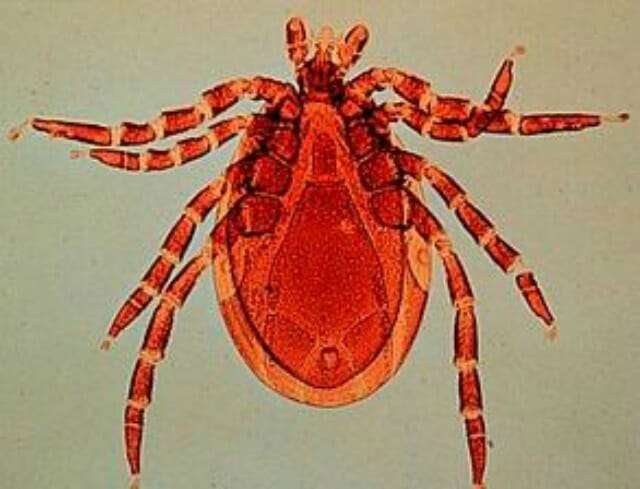
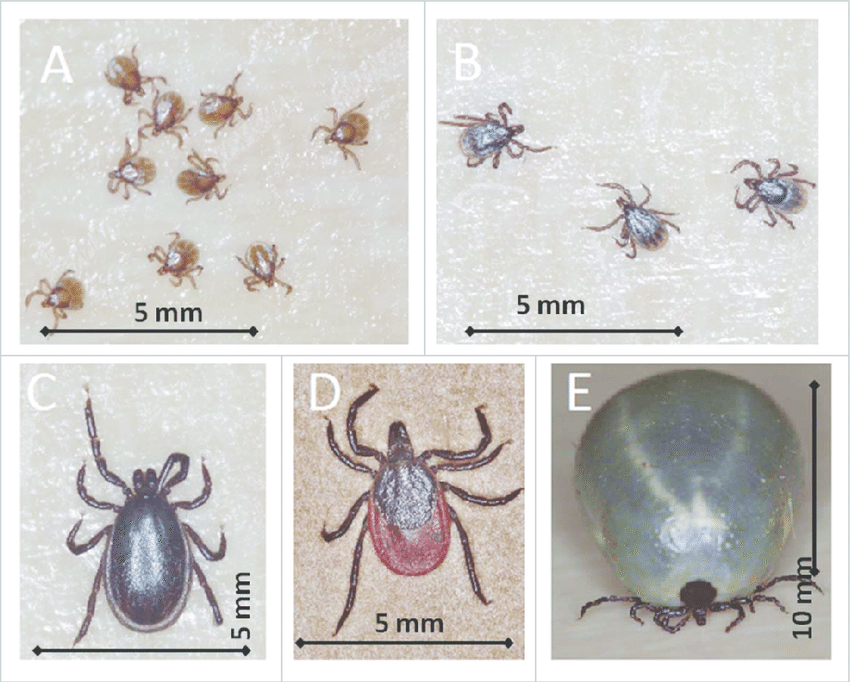
Ticks are often associated with warm weather, but many species can survive cold climates. Understanding how ticks behave and survive in low temperatures helps you better protect yourself and your pets. Let’s look closely at their survival tactics during winter months.
Tick Behavior In Low Temperatures
Ticks don’t remain active during freezing weather like they do in spring or summer. Instead, they enter a state called diapause, which is similar to hibernation. This slows down their metabolism and reduces their need for food.
Some ticks seek shelter in leaf litter, tall grass, or animal nests where temperatures are more stable. You might be surprised that even under snow, ticks can survive without freezing. Have you noticed more ticks on your pets after a mild winter?
Winter Survival Strategies
Ticks use several strategies to survive harsh winters:
- Finding insulated hiding spots:Under thick leaves or soil helps maintain warmth.
- Producing antifreeze proteins:These prevent ice crystals from forming inside their bodies.
- Reducing activity:Staying dormant until temperatures rise again.
Knowing this, you can take practical steps like clearing leaf piles near your home and checking pets regularly, even in winter. Does your current pest control routine cover the colder months? It might be time to adjust your habits to keep ticks at bay year-round.
Fleas And Freezing Conditions
Fleas are notorious for their resilience, but how well do they handle freezing conditions? Understanding their survival tactics during cold weather can help you better protect your home and pets. Let’s dive into how fleas respond when temperatures drop and whether frost truly halts their lifecycle.
Flea Lifecycle In Cold Weather
Fleas progress through four stages: egg, larva, pupa, and adult. Cold temperatures slow down their development significantly. Eggs and larvae can survive cold spells by staying hidden in carpets, pet bedding, or soil where temperatures are more stable.
Adult fleas often remain on warm-blooded hosts, like your pets, to keep their body heat. This means they can stay active even in winter. Have you noticed your pet scratching more during colder months? That might be a sign fleas are still thriving despite the chill.
Impact Of Frost On Flea Populations
Frost can kill fleas exposed directly to freezing air, especially those outside without protection. However, fleas sheltered indoors or within animal fur typically avoid frost damage. This sheltering allows flea populations to rebound quickly once the weather warms.
Interestingly, a hard frost might reduce flea numbers in your yard but won’t eliminate the problem entirely. Fleas are experts at finding cozy spots to wait out winter. Are you targeting these hidden areas when treating your home or yard?

Credit: reliantpest.com
Mites And Cold Exposure
Mites face many challenges during cold weather. Their survival depends on how well they adapt to freezing temperatures. Some mites can resist cold by changing their behavior and biology. Understanding these changes helps explain why mites sometimes persist through winter.
Adaptations To Harsh Environments
Mites have several ways to survive cold. They produce special proteins that protect their cells from freezing. These proteins work like antifreeze in car engines. Mites also reduce water in their bodies to prevent ice formation inside them.
Many species find safe places to hide. They burrow in soil, leaf litter, or under bark. These spots stay warmer than open air and shield mites from frost. Some mites have thick outer shells that keep heat inside.
Mite Dormancy And Activity Levels
During cold months, mites often enter a state called dormancy. In this state, their body functions slow down a lot. They eat less and move very little. This helps them save energy until conditions improve.
Not all mites fully stop activity. Some stay somewhat active under snow or in protected spots. They may continue feeding or reproducing, but at a slower pace. This partial activity helps their populations survive winter.
Common Myths About Parasite Survival
Many people believe parasites like ticks, fleas, and mites cannot survive cold weather. These common myths shape how people protect their pets and homes. Understanding what is true helps prevent unnecessary worry or wrong actions.
Parasites have evolved ways to survive harsh winters. They use different strategies to stay alive until spring. Knowing these facts helps us stay prepared year-round.
Debunking Winter Kill Assumptions
People often think freezing temperatures kill all parasites instantly. This is not true. Many parasites hide in warm places like animal fur, leaf litter, or soil. These spots protect them from frost.
Some parasites enter a dormant state. They slow down their metabolism to survive cold months. This process is called diapause. It helps them avoid dying from the cold.
Simply relying on winter cold is risky. Parasites can return as soon as temperatures rise. So, waiting for winter to solve parasite problems does not work.
True Risks Of Parasites Year-round
Parasites pose threats throughout the year, not just in warm seasons. Pets and humans can get bites or infections even in winter. Parasite activity may slow but does not stop completely.
Checking pets regularly remains important. Use vet-recommended parasite control products all year. This keeps parasites from spreading and causing harm.
Understanding parasite survival helps prevent health issues. Staying informed and cautious protects pets and families from hidden dangers.
Credit: thegeekvet.com
Preventing Parasite Infestations In Winter
Parasites like ticks, fleas, and mites can survive cold weather in some cases. They find shelter in warm places and remain active. Preventing infestations during winter is important for pet health and home safety. Taking the right steps helps keep parasites away even in cold months.
Protecting Pets And Homes
Keep pets indoors during extreme cold to reduce parasite exposure. Check pets regularly for signs of ticks, fleas, or mites. Use pet-safe parasite prevention products approved by veterinarians. Clean pet bedding and living areas often to remove eggs and larvae.
Seal cracks and gaps in walls, doors, and windows. Parasites can enter homes through small openings. Vacuum floors, carpets, and furniture to remove hidden pests. Dispose of vacuum bags or contents immediately to avoid re-infestation.
Effective Winter Treatment Options
Some parasite treatments remain effective in winter. Topical and oral medications can protect pets from ticks and fleas. Consult a veterinarian to choose the right product for your pet’s needs.
Use environmental treatments like sprays or powders in pet areas. These kill parasites hiding in carpets or furniture. Follow product instructions carefully for safety and effectiveness.
Regular grooming and baths help detect and remove parasites early. Winter is a good time to maintain this routine. Early action prevents larger infestations and protects your pets.
Future Outlook On Parasite Behavior
The future of parasite behavior, especially ticks, fleas, and mites, is becoming increasingly unpredictable. As environmental conditions shift, these tiny creatures are adapting in ways that could impact your health and comfort. Understanding these changes helps you prepare better for parasite prevention throughout the year.
Climate Change Impact
Warmer winters and fluctuating temperatures mean parasites may survive in places they previously couldn’t. Ticks, for example, are now found in regions once too cold for them to thrive.
This shift raises important questions: How will longer active seasons affect your exposure risk? Will you need to change how you protect your pets and family?
Increased humidity and mild winters also create favorable environments for fleas and mites to reproduce year-round. You might notice more frequent outbreaks even during months you thought were safe.
Evolving Parasite Patterns
Parasites are not just surviving; they’re evolving. Some ticks have developed resistance to cold, while fleas adapt their life cycles to take advantage of new climate conditions.
This evolution means old prevention strategies might not be as effective. You should stay updated on the latest treatments and consider consulting professionals for tailored advice.
Have you ever wondered why you suddenly see parasites when you didn’t before? It’s often a sign of these evolving patterns. Staying vigilant and adapting your approach can reduce surprises and protect your home better.

Credit: www.truesdalelandscaping.com
Frequently Asked Questions
Do Ticks Survive In Cold Weather?
Ticks can survive cold weather by hiding in leaf litter. They become dormant but can reemerge during milder winter days. Their survival strategy helps them endure harsh conditions until spring.
Can Fleas Live Through Winter Months?
Fleas can live through winter by staying indoors where it’s warm. They thrive on hosts like pets and humans. Without a host, their survival chances decrease significantly in colder months.
Are Mites Active In Freezing Temperatures?
Mites are less active in freezing temperatures. They seek warm environments to survive. Some species can endure cold by entering a dormant state until conditions improve.
How Do Cold Temperatures Affect Tick Populations?
Cold temperatures can reduce tick activity but don’t eliminate them. They become less active but seek milder conditions. This survival strategy helps maintain populations through winter.
Conclusion
Ticks, fleas, and mites can survive cold weather in many cases. They slow down but do not die easily. Some hide in warm places like under leaves or animal fur. Cold weather helps reduce their numbers but does not stop them completely.
Staying aware and taking steps to protect pets and homes is important. Understanding how these pests behave in winter keeps you prepared all year. Keep watching for signs and act early to stay safe. Cold weather is not a full solution, but it helps control pests.