
Have you ever wondered if cold weather helps viruses survive longer? You might think chilly temperatures protect you from getting sick, but the truth is more surprising.
Understanding how viruses behave in the cold can change the way you protect yourself and your loved ones. Keep reading to discover what really happens to viruses when the temperature drops—and how you can stay safe no matter the season.
Virus Behavior In Cold Weather
Viruses behave differently in cold weather compared to warm seasons. Cold temperatures can affect how long viruses live outside the body. Some viruses become more stable and active in cooler conditions. Understanding these behaviors helps in preventing infections during cold months.
Impact Of Temperature On Virus Survival
Cold temperatures slow down the decay of many viruses. This means viruses can survive longer on surfaces like door handles and tables. Low humidity and cold air protect the virus particles from breaking down. Warm weather usually causes viruses to die faster. Cold weather extends their survival time, increasing the chance of infection.
Common Viruses That Thrive In Cold
- Influenza viruses spread easily in cold seasons.
- Common cold viruses multiply more in low temperatures.
- Respiratory syncytial virus (RSV) peaks during winter months.
- Norovirus outbreaks are more frequent in cold weather.
These viruses find cold weather ideal for spreading. Their outer shells resist cold, keeping them infectious longer.
Cold Weather And Virus Transmission
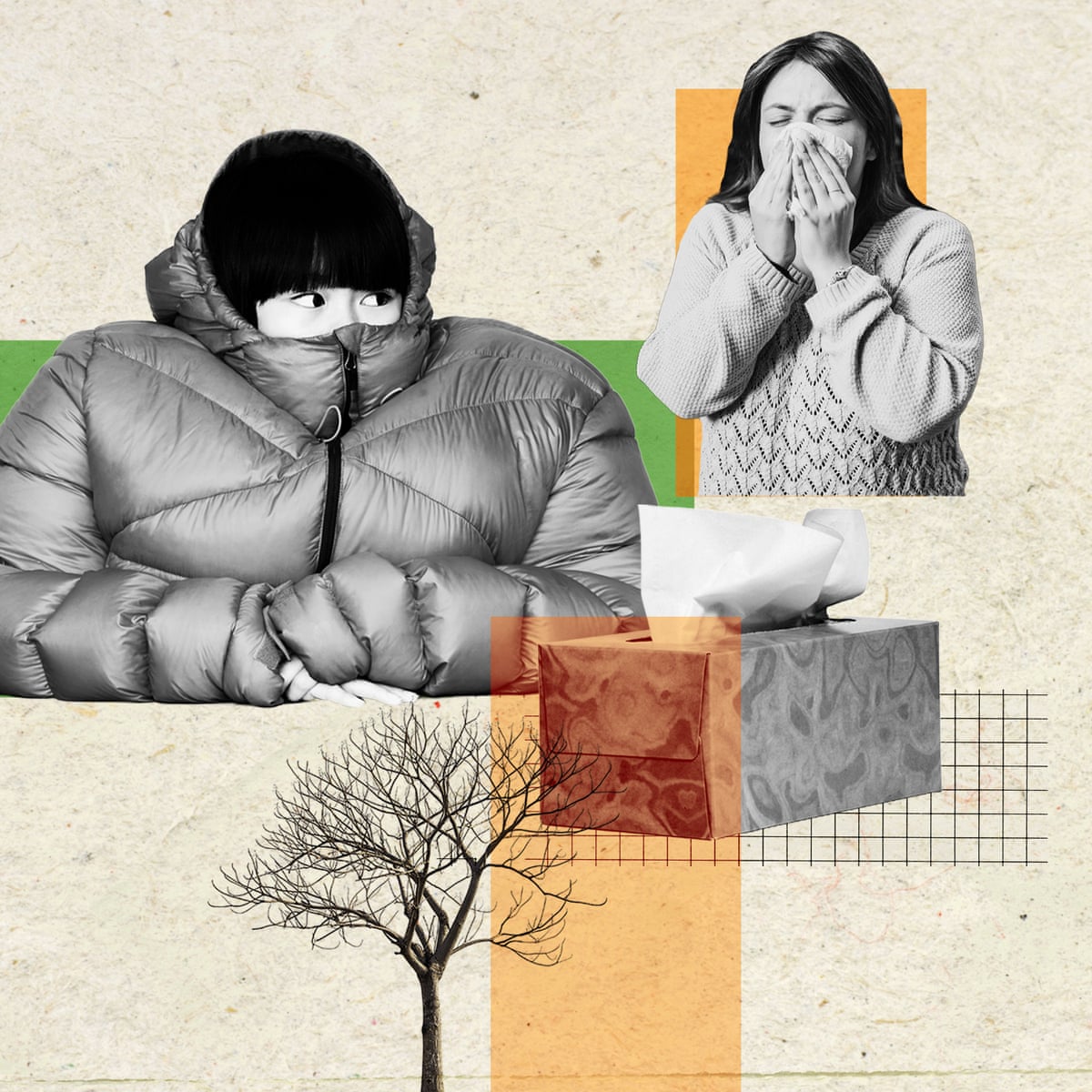
Cold weather often leads people to stay indoors. Crowded spaces increase virus spread through coughing and sneezing. Dry air in cold weather weakens the nose’s defense system. This allows viruses to enter more easily. Cold also reduces people’s immune responses. Together, these factors make virus transmission more common in winter.
Credit: www.theguardian.com
Myths About Cold Weather And Viruses
Many people believe cold weather directly affects viruses by killing them or making them inactive. This idea has spread widely, influencing how people behave during winter months. But is this really true? Let’s break down some common myths and see what science says about viruses and cold weather.
Cold Weather Does Not Kill Viruses Instantly
Cold temperatures alone don’t instantly destroy viruses. Some viruses, like the flu, can actually survive better in cold, dry conditions. In fact, the chilly air often helps viruses stay stable and infectious for longer periods.
Think about the common cold virus—it often spreads during winter not because the cold kills it, but because the environment helps it persist. Your hands touching cold surfaces can pick up viruses that remain active, so staying warm won’t automatically protect you.
Misconceptions About Cold Air And Infection Risk
You might have heard that breathing cold air causes infections. The truth is, cold air itself doesn’t cause you to catch a virus. Instead, cold weather often means people spend more time indoors in close contact, which makes spreading viruses easier.
Another point to consider: cold air can dry out your nasal passages, which weakens your natural defenses against viruses. So, it’s not the cold air infecting you but how your body responds to it. Have you noticed feeling more vulnerable to colds when you’re outside in the winter for a long time?
How Cold Affects The Human Immune System
Cold weather impacts the human immune system in several ways. The body reacts differently to low temperatures, which can change how well it fights off viruses. Understanding these changes helps explain why infections may spread more during colder months.
Immune Response Changes In Low Temperatures
Cold temperatures can slow down some immune functions. White blood cells may become less active. This means the body takes longer to respond to germs. Blood flow to the skin and extremities also decreases. This reduces the delivery of immune cells to areas where viruses enter.
Low temperatures may also affect the production of important immune molecules. These molecules help signal the body to fight infections. When their levels drop, the body’s defense weakens. The overall immune response becomes less efficient in cold weather.
Increased Vulnerability To Infections
The immune system’s slower response means viruses can multiply more easily. People are more likely to catch colds, flu, and other respiratory infections. Cold air can dry out the nasal passages. Dry air makes it harder for the body to trap and remove viruses.
Indoor heating in winter often lowers humidity. This further dries the mucous membranes. The first line of defense against viruses weakens. Viruses survive longer in cold, dry environments. This combination increases the chance of getting sick during winter months.
Virus Survival Mechanisms In Cold
Viruses have unique ways to survive cold weather. Cold can slow down many processes, but viruses adapt. Their survival depends on several mechanisms that protect them in harsh environments. Understanding these helps explain why some viruses last longer in winter.
Protective Structures Of Viruses
Viruses have outer layers that shield their core parts. Some viruses have a lipid envelope, while others have a tough protein shell called a capsid. The capsid protects the virus’s genetic material from cold damage.
Enveloped viruses can be fragile, but low temperatures help preserve their structure. Cold slows down the breakdown of the envelope. Non-enveloped viruses tend to survive even better because their protein shells are more stable in cold.
- Capsid: Strong protein coat protecting virus genes
- Lipid envelope: Fatty layer that can be fragile but preserved by cold
- Genetic material: DNA or RNA safely stored inside
Environmental Factors Enhancing Virus Longevity
Cold air reduces virus decay rates. Dry air also helps some viruses last longer. Viruses survive best on surfaces that do not absorb moisture.
Freezing temperatures can preserve viruses for weeks or months. Snow and ice protect viruses from sunlight and heat. Sunlight, especially UV rays, usually damages viruses quickly. Cold winter days have less sunlight, so viruses stay infectious longer.
| Factor | Effect on Virus Survival |
|---|---|
| Low temperature | Slows virus breakdown, preserves structure |
| Low humidity | Prevents moisture damage, prolongs survival |
| Surface type | Non-porous surfaces help viruses stay alive |
| Reduced sunlight | Less UV damage increases virus longevity |
Preventing Virus Spread In Cold Conditions
Cold weather can help viruses survive longer on surfaces and in the air. This raises the risk of spreading infections during winter months. Taking steps to prevent virus spread in cold conditions is very important. Simple actions can lower chances of getting sick and protect those around you.
Effective Hygiene Practices
Washing hands often with soap and water is one of the best ways to stop viruses. Use hand sanitizer if soap is not available. Avoid touching your face, especially eyes, nose, and mouth. Cover your mouth and nose with a tissue or elbow when coughing or sneezing. Dispose of tissues properly and wash hands right after.
Role Of Vaccination During Cold Seasons
Vaccines help the body fight specific viruses. Getting vaccinated before cold seasons lowers the risk of illness. Flu shots and COVID-19 vaccines are important during winter. Vaccination reduces severe symptoms and prevents virus spread in communities. Encourage family and friends to get vaccinated too.
Indoor Air Quality And Ventilation
Viruses spread more easily in closed, crowded spaces. Improving indoor air reduces virus particles in the air. Open windows and doors to let fresh air inside. Use fans to move air around rooms. Air purifiers with HEPA filters can also help remove viruses. Keep rooms clean and avoid overcrowding to reduce risk.

Credit: ocwellnessphysicians.com

Credit: www.mdpi.com
Frequently Asked Questions
Do Viruses Thrive In Cold Weather?
Yes, many viruses, including the flu, thrive in cold weather. Cold air helps viruses remain stable and infectious longer. Additionally, people tend to stay indoors during colder months, increasing the chance of virus transmission. However, cold weather itself does not cause viral infections.
How Does Cold Weather Affect Virus Survival?
Cold weather can enhance virus stability and longevity. Low temperatures help preserve the virus’s outer structure. This increases its ability to infect hosts. Additionally, indoor gatherings during cold weather can facilitate easier transmission among people.
Can Freezing Temperatures Kill Viruses?
Freezing temperatures generally do not kill viruses. Most viruses can survive freezing conditions for extended periods. Freezing preserves their infectious properties. However, extreme temperatures beyond typical freezing conditions may reduce their viability. It’s essential to focus on proper hygiene to prevent infections.
Why Are Colds More Common In Winter?
Colds are more common in winter due to several factors. People spend more time indoors, increasing exposure to infected individuals. Cold, dry air can weaken the immune system and dry out nasal passages. This creates a more conducive environment for viruses to spread.
Conclusion
Viruses can survive better in cold weather than warm. Cold air slows down their breakdown. That means viruses stay active longer outside. People often stay indoors when it is cold. This close contact helps viruses spread quickly. Washing hands and cleaning surfaces remain very important.
Wearing masks can also lower infection risks. Staying warm and healthy helps your body fight viruses. Knowing how viruses act in cold weather keeps you safer. Small actions make a big difference in stopping viruses. Stay aware, stay safe, and protect yourself this winter.


