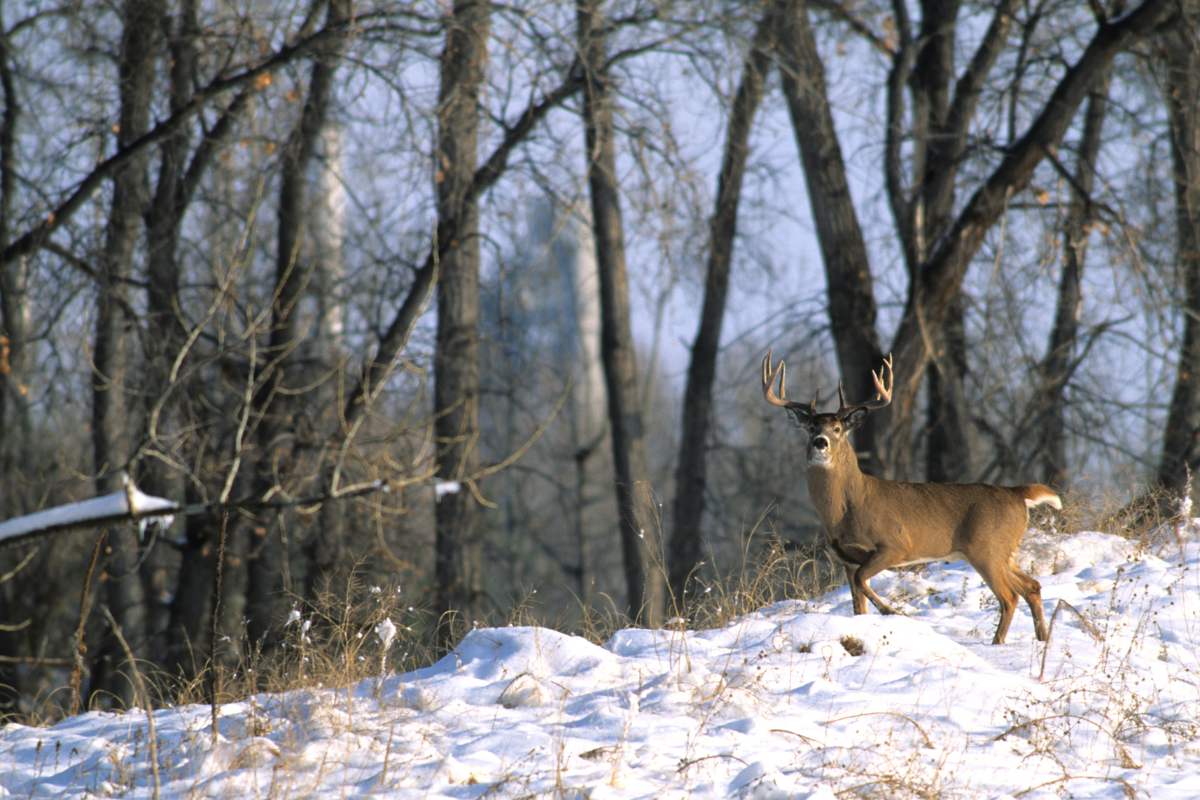
Have you ever wondered how deer manage to stay alive when the cold weather sets in? As the temperature drops and snow covers the ground, food becomes scarce and the environment turns harsh.
Yet, deer find ways to survive and even thrive during these tough months. Understanding their secrets can give you a new appreciation for nature’s resilience. You’ll discover the clever tricks deer use to keep warm, find food, and protect themselves when winter arrives.
Keep reading to unlock the fascinating survival strategies of these amazing animals.
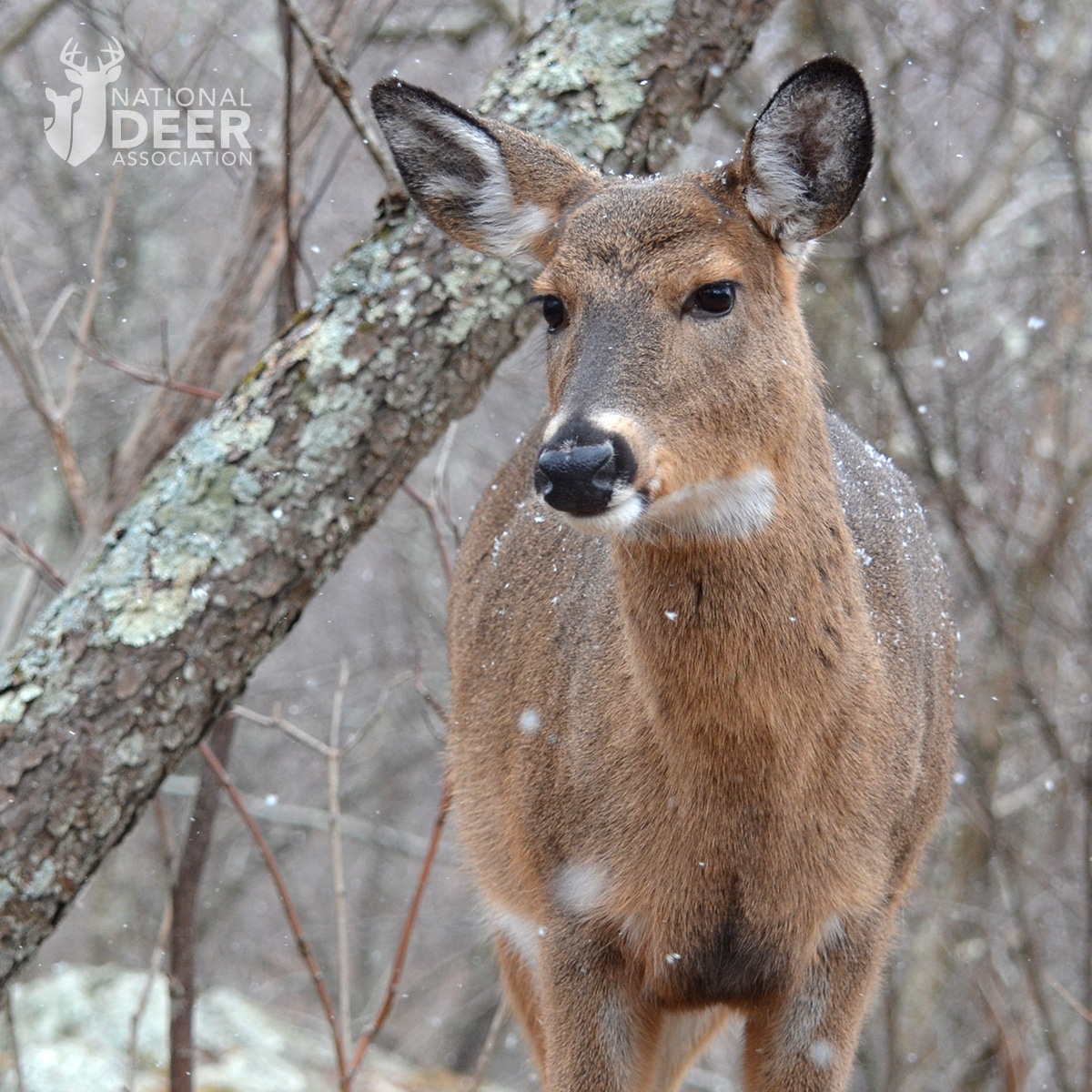
Credit: deerassociation.com
Winter Challenges For Deer
Winter puts deer through a tough test. They face several challenges that push their survival skills to the limit. Understanding these hurdles helps you appreciate the resilience and adaptability of these animals.
Harsh Temperatures
Deer endure freezing temperatures that can drop below zero. Their thick winter coat acts like natural insulation, but it’s not foolproof. Strong winds and ice can still make survival difficult, forcing deer to find shelter.
Have you ever noticed deer huddling together in dense thickets? That’s their way of staying warm and conserving energy. You can help by preserving wooded areas that provide natural windbreaks and cover.
Food Scarcity
Winter means less available food. Most plants are buried under snow or have gone dormant, making it hard for deer to find enough to eat. They rely on woody browse like twigs and buds, which are less nutritious.
This scarcity forces deer to reduce their activity to save energy. If you’ve seen a deer moving slowly or standing still for long periods, it’s likely conserving calories. You can support their survival by planting native shrubs that provide winter forage.
Predator Threats
Predators take advantage of the winter conditions too. Snow makes it easier for wolves, coyotes, and mountain lions to track and catch deer. Deer must stay alert and use their knowledge of the terrain to escape.
Deer often use deep snow areas and dense forests to hide from predators. Have you ever wondered how they choose their resting spots? It’s a strategic balance between food availability and safety.

Credit: anilogics.com
Physical Adaptations
Deer have developed impressive physical adaptations to brave the harsh chill of winter. These changes help them maintain body heat and survive when temperatures drop dramatically. Understanding these adaptations can give you a fresh perspective on how animals thrive in extreme conditions.
Thick Fur Coat
The first thing you’ll notice about deer in winter is their thick fur coat. This coat consists of two layers: a soft, dense undercoat and longer, hollow guard hairs. The hollow guard hairs trap air, acting like natural insulation to keep the cold out and warmth in.
Have you ever touched a deer’s fur in winter and felt how plush it is? That softness is more than comfort—it’s a survival tool. This fur not only keeps them warm but also repels moisture, which is crucial when snow or rain hits.
Fat Reserves
Deer build up fat reserves during the warmer months, storing energy for the cold season ahead. These fat layers serve as insulation under their skin, helping to hold in body heat. Plus, fat acts as a vital energy source when food becomes scarce.
Think about your own body—extra layers of fat can help you stay warm, right? Deer use this same principle but rely on it far more. Their fat reserves can make the difference between life and death in freezing weather.
Body Size And Shape
Deer tend to have compact bodies with shorter limbs during colder months, which minimizes surface area exposed to the cold. This shape reduces heat loss, conserving precious body warmth. Their legs and ears also shrink slightly, a natural way to prevent frostbite.
Have you noticed how some animals in cold climates look different from their warm-weather relatives? This is a clear example of how body shape helps regulate temperature. You can see how even subtle changes in size and shape play a big role in survival.
Behavioral Changes
Deer adapt to cold weather through several behavioral changes that help them conserve energy and stay protected. These changes are essential for their survival, especially during harsh winters when food is scarce and temperatures drop significantly. Understanding these behaviors can give you a deeper appreciation for how wildlife adjusts to extreme conditions.
Migration Patterns
Some deer populations shift their locations as winter approaches. They move to areas where food is more accessible and the environment offers better shelter from the cold. This migration isn’t always long-distance; sometimes, it’s just a move to lower elevations or denser forests where conditions are milder.
Have you noticed deer suddenly appearing in your area during the colder months? That’s often a sign they’re seeking better resources and safer spots. Watching these migration patterns can reveal a lot about local ecosystem changes and weather impacts.
Reduced Activity Levels
Deer significantly cut back on their movement during winter to save energy. Instead of roaming widely, they stay in smaller areas and rest more frequently. This energy-saving tactic helps them survive when food is limited and the body needs to stay warm.
You might observe deer standing still or resting for long periods, even during daylight. This behavior isn’t laziness—it’s a survival strategy. By reducing activity, they avoid unnecessary energy loss, which is crucial in cold weather.
Sheltering Habits
Deer seek out natural shelters such as thick brush, evergreen trees, or dense thickets to protect themselves from wind and snow. These spots provide insulation and help maintain body heat. The choice of shelter is often strategic—close enough to food sources but hidden from predators.
Next time you see a cluster of deer huddled in one spot, take a moment to notice their surroundings. Their shelter isn’t random; it’s carefully chosen to maximize warmth and safety. Could you apply this idea of smart sheltering to your own winter preparations?

Credit: anilogics.com
Diet Adjustments
Deer change their diet to survive cold weather. Their food choices shift to match what is available. This helps them keep energy and stay warm. Adjusting their diet is key for winter survival. They use different strategies to find food and adjust their body’s metabolism.
Foraging Strategies
Deer spend more time searching for food in winter. They browse on twigs, buds, and bark of trees. Deer also dig through snow to find hidden plants. They choose places with less snow cover. This helps them save energy while foraging.
Winter Food Sources
Leaves and grasses are scarce in cold months. Deer eat woody plants like maple, oak, and willow twigs. They also feed on evergreen shrubs. Acorns and nuts become important when available. These foods provide essential nutrients and calories.
Metabolic Changes
Deer slow down their metabolism in winter. This reduces energy needs and conserves fat. Their bodies use stored fat to stay warm. They eat less but still get enough nutrients. These changes help deer survive long, cold winters.
Social Adaptations
Deer use social adaptations to survive cold weather. These behaviors help them stay warm and safe. Staying in groups and using communication are key to their winter survival.
Herding Behavior
Deer gather in herds during winter. This grouping helps them share body heat. The close proximity reduces heat loss. Herds also provide safety from predators. Many eyes watch for danger together. This makes it easier to spot threats early.
Herds move slowly to save energy. They follow paths that are easier to walk on. This helps them avoid deep snow. Deer use the same trails each winter. These trails lead to food and shelter.
Communication Methods
Deer use sounds and body language to communicate. Soft grunts warn others of nearby danger. Tail flicks signal alertness. They also use scent to mark territory and warn intruders.
Communication keeps the herd coordinated. It helps deer find each other in harsh weather. Deer also use vocal calls to stay connected. This reduces stress and keeps the group calm.
Survival Success Stories
Survival success stories of deer during cold weather highlight nature’s incredible ability to adapt and endure. These stories reveal how different species have developed unique strategies to face harsh winter conditions. Learning about these adaptations can inspire you to appreciate the complexity of wildlife survival around you.
Adaptations In Different Species
Deer species show a range of physical and behavioral adaptations to survive cold climates. White-tailed deer, for example, grow thicker fur that traps heat effectively. Their hollow hair shafts act like natural insulation, keeping them warm even in freezing temperatures.
Mule deer take a slightly different approach by reducing their activity levels during winter. They conserve energy by moving less and feeding on woody plants that remain accessible under snow. This energy-saving strategy is critical when food is scarce.
Some species, like the reindeer, develop fat layers beneath their skin. This extra fat works as a natural barrier against the cold. It also provides an energy reserve that helps them survive when food supplies dwindle.
Case Studies From Various Regions
In the northeastern United States, white-tailed deer have been observed shifting their diet to woody browse during winter months. Hunters and wildlife watchers report seeing them feeding on buds and twigs when grasses are buried under snow. This dietary shift is a clever way to adapt to seasonal changes in food availability.
In the mountainous areas of Colorado, mule deer herd up in sheltered valleys to avoid harsh winds. Local biologists note that these small groups huddle together, which helps reduce heat loss. This behavior shows how cooperation can improve survival odds.
Scandinavian reindeer herds demonstrate an impressive ability to dig through thick snow to reach lichen beneath. This ability allows them to access food others cannot. It makes you wonder how much you rely on your environment versus adapting to it.
Frequently Asked Questions
How Do Deer Keep Warm In Winter?
Deer grow a thick winter coat to insulate against cold. Their coat has hollow hairs that trap body heat. Additionally, they reduce activity to conserve energy and seek shelter in dense vegetation or forests.
What Do Deer Eat During Cold Months?
Deer primarily browse on woody plants, twigs, and buds during winter. They also consume leftover acorns and other mast. Their diet shifts due to the scarcity of green vegetation, helping them survive the cold months.
How Do Deer Find Food In Snow?
Deer use their hooves to dig through snow in search of food. They are skilled at locating patches of exposed vegetation. Additionally, they browse on available shrubs and low-hanging tree branches.
Do Deer Migrate To Survive Winter?
Some deer migrate to lower elevations or areas with less snow. This migration helps them access food and avoid harsh weather. However, not all deer migrate; some adapt by finding local food sources and shelter.
Conclusion
Deer stay warm by growing thick fur and slowing their body. They eat a lot before winter to store fat. Finding shelter helps them avoid harsh wind and snow. Their strong legs let them move through deep snow easily. These natural habits help deer survive cold winters well.
Nature gives them tools to stay safe and warm. Watching deer adapt shows how animals live with tough weather. Survival is about using what they have every season. Deer teach us about strength and simple survival skills.


