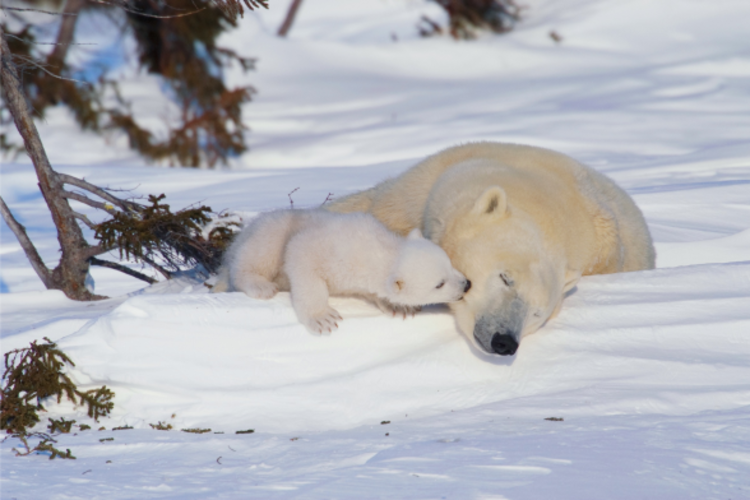
Have you ever wondered how polar bears manage to live and thrive in some of the coldest places on Earth? When you think about freezing temperatures and icy winds, it’s hard to imagine any creature staying warm and active.
Yet, polar bears do more than just survive—they dominate these harsh environments. You’ll discover the amazing tricks and natural features that help polar bears stay warm, find food, and protect themselves from the cold. By the end, you’ll see why these incredible animals are true masters of the Arctic chill.
Keep reading to unlock the secrets of how polar bears survive in cold weather.
Credit: www.rd.com
Adaptations For Extreme Cold
Polar bears live in one of the coldest places on Earth. Their survival depends on special body features. These features keep them warm and safe from freezing temperatures. Let’s explore how their bodies adapt to extreme cold.
Thick Fur Insulation
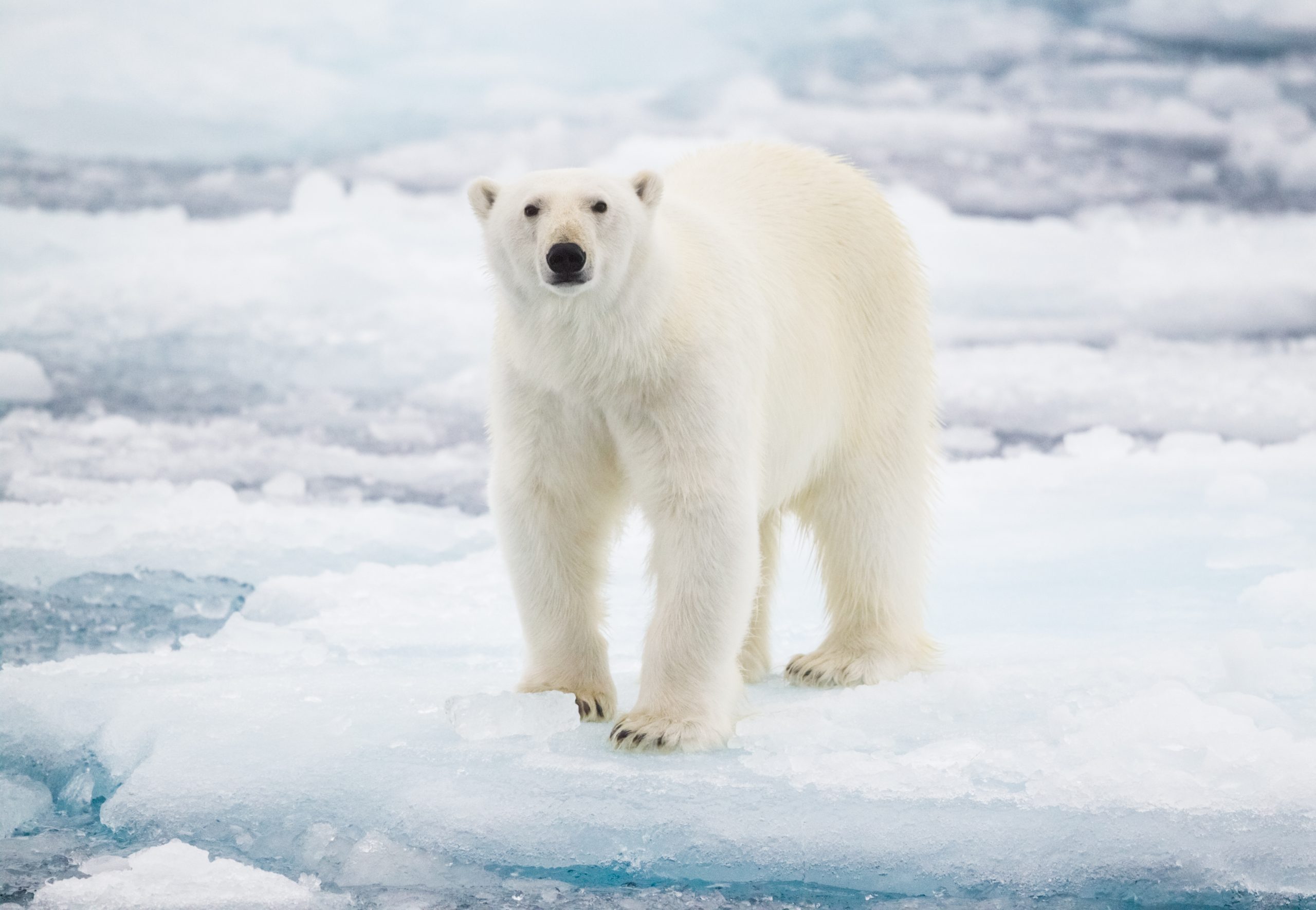
Polar bears have two layers of fur. The outer layer is long and water-repellent. It keeps snow and ice away from their skin. The inner layer is dense and soft. This layer traps warm air close to their bodies. The thick fur acts like a warm coat all year round.
Blubber For Warmth
Underneath their skin, polar bears have a thick layer of fat called blubber. It can be up to 4.5 inches thick. This fat stores energy and keeps heat inside their bodies. Blubber also protects them from cold water during swimming. It works as a natural thermal blanket.
Unique Skin Features
Polar bears have black skin under their fur. Black color helps absorb heat from the sun. Their skin is also very thick and tough. It protects them from cold winds and sharp ice. These unique skin traits help polar bears stay warm and survive harsh conditions.
Credit: www.discovermagazine.com
Efficient Hunting Techniques
Polar bears survive the harsh Arctic cold not just because of their thick fur and fat, but also due to their highly efficient hunting techniques. Their ability to catch prey in an environment where food is scarce is crucial for their survival. Understanding these techniques can help you appreciate the skill and patience these predators must have to thrive in such extreme conditions.
Seal Hunting Strategies
Seals are the main food source for polar bears, so the bears focus on hunting them. One common technique is still-hunting, where the bear patiently waits near a seal’s breathing hole in the ice. When the seal surfaces, the bear strikes quickly and decisively.
Polar bears also stalk seals resting on the ice. They move slowly and quietly, using the wind to their advantage so their scent doesn’t give them away. This requires great patience and timing, as any sudden movement can scare the seal away.
Use Of Camouflage
Polar bears blend perfectly with their snowy environment, making it easier to sneak up on prey. Their white fur acts like natural camouflage against the ice and snow. This helps them get close without being noticed.
Have you ever tried to hide in plain sight? Polar bears show how effective this can be in the wild. They rely on this camouflage not only to hunt but also to protect themselves from threats.
Seasonal Hunting Patterns
Polar bears adjust their hunting habits based on the season. In spring and early summer, when sea ice is widespread, they hunt seals from the ice. As the ice melts in summer, bears often fast or rely on stored fat since hunting becomes harder.
During fall, they return to the ice to hunt again, preparing for the winter months ahead. This seasonal rhythm is vital for their energy balance and overall survival.
Energy Conservation Tactics
Energy conservation is crucial for polar bears to survive the harsh Arctic cold. These creatures have developed clever tactics to save energy when food is scarce and temperatures drop. Understanding these tactics can give you insights into how life adapts to extreme environments.
Metabolic Rate Adjustments
Polar bears can slow down their metabolism to use less energy during tough times. This adjustment helps them survive longer without food, especially during the winter months. You might wonder how your body responds to cold—polar bears take it to a whole new level by carefully controlling their energy use.
Hibernation-like State
Unlike true hibernators, polar bears enter a state similar to hibernation during extreme cold or food shortage. Pregnant females dig dens and remain inactive for months, conserving energy while their bodies support cub development. This ability allows them to survive without eating for long periods, a fascinating adaptation you can appreciate when thinking about endurance.
Minimal Movement Strategies
Polar bears reduce unnecessary movement to save energy. Staying still or moving slowly helps them avoid burning calories when hunting or traveling isn’t possible. Have you ever noticed how conserving your energy when tired helps you last longer? Polar bears apply this simple idea to survive the brutal Arctic environment.
Credit: polarbearsinternational.org
Navigating Arctic Terrain
Polar bears face one of the harshest environments on Earth. Navigating the Arctic terrain requires more than just endurance; it demands incredible skill and adaptation. Understanding how these creatures move and survive across ice and water can change how you view their resilience.
Ice Floe Navigation
Polar bears rely on floating ice floes as their hunting grounds and resting spots. These ice platforms constantly shift and break apart, yet bears masterfully leap from one to another with precision.
Have you ever tried walking on slippery, moving surfaces? The bears’ large paws spread their weight evenly, helping them avoid breaking through thin ice. This ability lets them track seals and other prey effectively.
Swimming Abilities
Swimming is not just a survival skill; it’s a way of life for polar bears. They can swim for hours, covering distances up to 60 miles without rest.
Imagine yourself swimming in icy water for hours—that’s the level of endurance these bears have. Their thick fur traps air, providing buoyancy, and a layer of fat keeps them warm, even in freezing temperatures.
Long-distance Travel
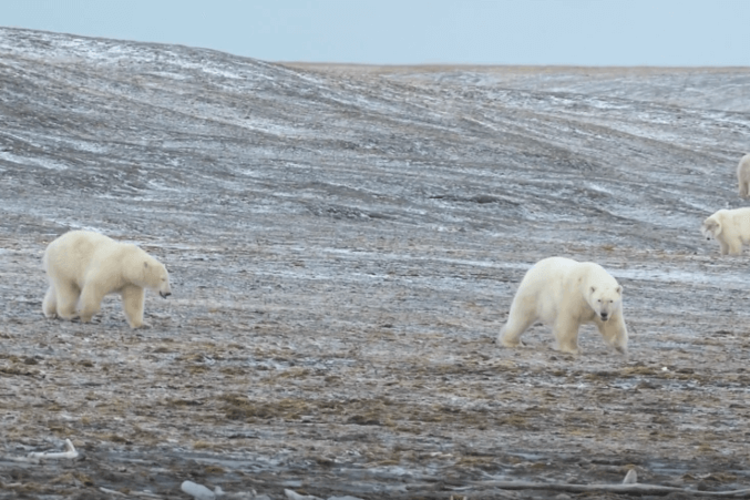
Polar bears don’t just move short distances; they can travel hundreds of miles to find food or mates. Their powerful legs and endurance help them cross vast ice sheets and open water.
Think about your longest journey on foot. For polar bears, every trip is about survival. Their ability to cover huge distances means they can adapt to seasonal changes in ice cover and prey availability.
Social Behaviors And Communication
Polar bears are often seen as solitary creatures, but their social behaviors and communication play a vital role in how they survive the harsh Arctic environment. Understanding these interactions gives you a clearer picture of their adaptability and resilience.
Mother And Cub Dynamics
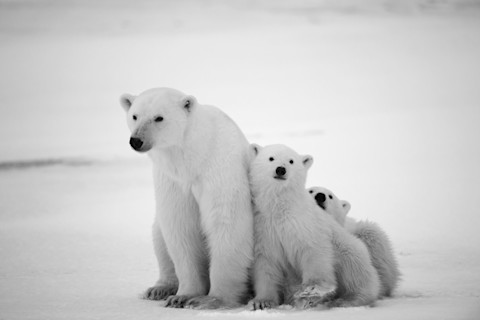
The bond between a polar bear mother and her cubs is strong and essential for survival. Mothers teach their young how to hunt seals and navigate the icy terrain. This guidance lasts for over two years, during which the cubs learn critical skills.
During this time, the mother fiercely protects her cubs from dangers, including other bears. Have you ever noticed how patient and attentive a mother is when her cubs explore? This nurturing behavior ensures the cubs grow into capable adults able to survive the cold.
Territorial Interactions
Polar bears use scent markings and physical displays to establish territory without resorting to constant fights. These interactions help reduce energy expenditure, which is crucial in an environment where food can be scarce.
When two bears meet, they often engage in posturing or vocalizations rather than aggressive attacks. This system helps maintain balance and allows you to witness a form of respect among these powerful animals.
Non-verbal Signals
Polar bears communicate through body language and subtle sounds, which might surprise you given their size. Head movements, paw swipes, and even sniffing convey messages between bears.
Listening carefully, you might hear low growls or huffs that signal warning or curiosity. Understanding these signals can give you insight into how polar bears manage social contact without direct confrontation.
Impact Of Climate Change
Climate change affects polar bears in many serious ways. The rising temperatures and melting ice change their world quickly. These changes threaten their survival and challenge their ability to live in cold places.
Habitat Loss Challenges
Polar bears depend on sea ice to hunt and travel. Melting ice reduces their hunting grounds. They must swim longer distances, which uses more energy. Loss of habitat forces them closer to human areas, increasing risks.
Food Supply Changes
Polar bears mainly eat seals found on sea ice. Less ice means fewer seals nearby. This causes hunger and weakens polar bears. They may eat different animals, but these do not provide enough energy.
Adaptation To New Environments
Some polar bears try to live on land more. They look for new foods like berries or bird eggs. These foods do not give enough nutrition. Adaptation is slow and hard for such a large predator.
Frequently Asked Questions
How Do Polar Bears Stay Warm In Extreme Cold?
Polar bears have thick fur and a dense fat layer that insulates their bodies. Their black skin absorbs heat from the sun. These adaptations help them maintain body heat in freezing Arctic temperatures.
What Role Does Polar Bear Fur Play In Survival?
Polar bear fur is hollow and traps warm air close to their skin. This fur repels water and ice, keeping them dry. It also camouflages them in snowy environments, aiding hunting and protection.
How Do Polar Bears Conserve Energy In Cold Weather?
Polar bears reduce activity during extreme cold to save energy. They use their fat reserves for fuel when food is scarce. Their slow metabolism helps them survive long periods without eating.
Why Is Polar Bear Fat Important For Cold Survival?
Polar bear fat, or blubber, is thick and stores energy efficiently. It acts as insulation, preventing heat loss. This fat layer is vital for surviving harsh Arctic winters and fasting periods.
Conclusion
Polar bears survive cold weather through unique body features. Their thick fur keeps them warm and dry. A layer of fat under the skin acts like a natural heater. They also have large paws that help them walk on ice.
These adaptations help polar bears live in icy places. Nature designed them to handle freezing temperatures well. Understanding these traits shows how animals adapt to tough environments. Polar bears remind us of nature’s strength and balance.


