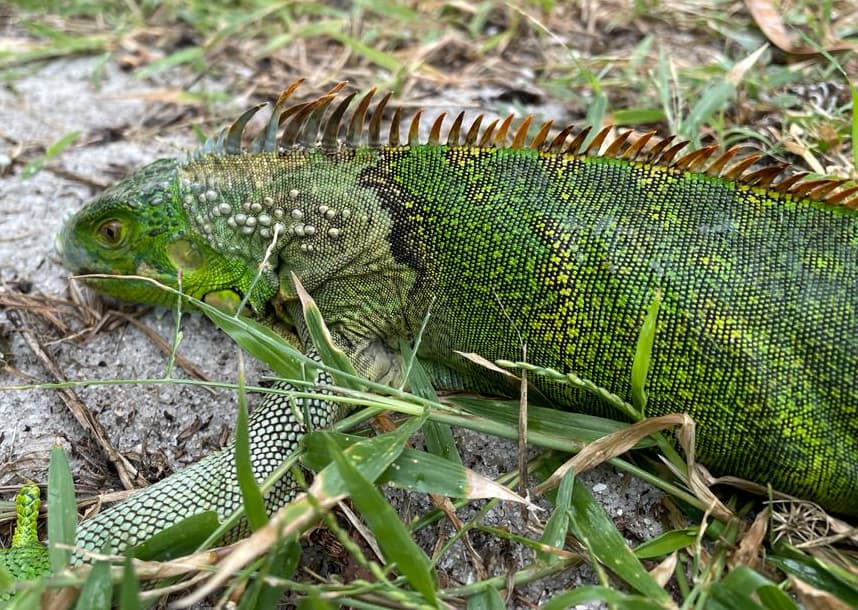
Have you ever wondered how reptiles manage to survive when the temperature drops? Unlike us, these cold-blooded creatures don’t have a cozy blanket or a warm heater to keep them comfortable.
So, how do they make it through chilly days and freezing nights? You’ll discover the clever tricks reptiles use to stay alive in cold weather. Understanding their secrets might surprise you and change the way you see these fascinating animals forever.
Keep reading to unlock the mystery behind their survival skills!
Credit: www.newsbreak.com
Cold Weather Challenges
Reptiles face tough challenges during cold weather. Their bodies and surroundings change in ways that threaten their survival. Understanding these challenges helps explain how reptiles cope with cold seasons. Cold weather impacts reptile physiology and brings various environmental threats. Both affect their ability to stay alive and active.
Impact On Reptile Physiology
Reptiles are cold-blooded animals. Their body temperature depends on the environment. When temperatures drop, their metabolism slows down. This reduces energy and movement. Digestion becomes slower or stops. Muscle function weakens, making them less agile. Heart rate drops to conserve energy. Prolonged cold can cause organ damage or death. Reptiles often enter a state called brumation. It is similar to hibernation in mammals. Their bodily functions slow to survive low temperatures.
Environmental Threats
Cold weather changes the habitat drastically. Food becomes scarce as insects and plants die or hide. Water sources may freeze, limiting hydration. Reptiles lose shelter options as leaves fall and ground freezes. Exposure to frost and ice increases risk of injury. Predators may become more dangerous as reptiles slow down. Sudden temperature drops can cause shock. These threats force reptiles to find safe hiding places. Underground burrows or deep crevices offer protection from cold and predators.
Behavioral Adaptations
Reptiles rely heavily on their behavior to cope with cold weather. Unlike warm-blooded animals, they cannot generate their own body heat. Instead, they change their actions to stay warm and survive harsh conditions.
Seeking Shelter
Finding the right shelter is crucial for reptiles during cold spells. They often hide under rocks, fallen logs, or inside crevices to avoid the chill. These spots offer protection from wind and help retain some warmth.
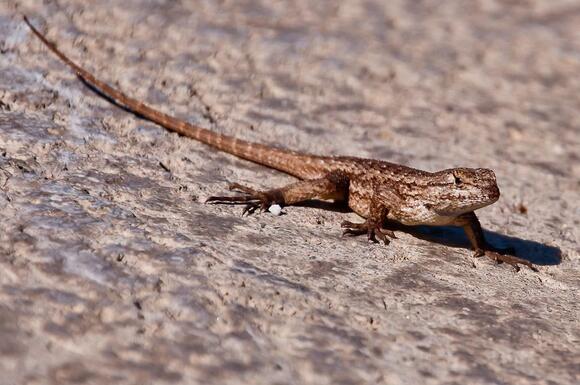
If you’ve ever noticed a lizard sunbathing on a stone, you’ve seen them using the environment to stay warm. But when temperatures drop, they switch to safer, more insulated places.
Burrowing And Hiding
Many reptiles dig into the ground or use existing burrows to escape the cold. Soil acts as a natural insulator, keeping temperatures more stable than the air above. This behavior helps them conserve energy and avoid freezing.
Some snakes and turtles spend winter months underground, entering a state of dormancy. Have you ever wondered how they manage to survive without eating or moving much? Their slowed metabolism is key, triggered by this behavior.
Seasonal Migration
Not all reptiles stay put; some migrate to warmer areas when winter arrives. This movement can be short or long distance, depending on the species and environment. It’s a smart way to avoid cold altogether.
Imagine having to travel miles just to find a comfortable temperature. Reptiles do this instinctively, showing you how behavior can be a powerful survival tool.
Physiological Strategies
Reptiles face a tough challenge when temperatures drop. Unlike mammals, they can’t generate their own heat. Instead, they rely on physiological strategies to survive cold weather, adjusting their bodies in remarkable ways.
Brumation Explained
Brumation is a special state reptiles enter during cold months. It’s similar to hibernation but not exactly the same. Your pet lizard or snake might stop eating and become less active, conserving energy until warmth returns.
During brumation, reptiles find shelter in burrows or under rocks, avoiding freezing temperatures. Their heart rate and breathing slow down significantly. Have you noticed how your outdoor turtle becomes sluggish in winter? That’s brumation at work.
Metabolic Rate Reduction
Reptiles reduce their metabolic rate to lower energy needs. This means their bodies use less oxygen and burn fewer calories. Imagine turning your car engine to idle mode to save fuel—that’s how reptiles control their metabolism.
This slowdown helps them survive long periods without food. It also prevents damage from cold by minimizing internal activity. If you keep reptiles, you might see them bask less and move slower as temperatures drop. This is their metabolism adjusting.
Antifreeze Compounds
Some reptiles produce natural antifreeze compounds to prevent ice inside their cells. These compounds lower the freezing point of their bodily fluids. It’s like adding salt to icy roads to keep them from freezing solid.
For example, certain frogs and turtles generate glucose or glycerol to protect their tissues. This adaptation is not common to all reptiles but is crucial for those in very cold climates. Can your reptile survive a frost? These compounds make it possible for some species.
Credit: www.newsbreak.com
Species-specific Tactics
Reptiles use different tactics to survive cold weather. Each species adapts in unique ways. These tactics help them stay alive until warmth returns. Understanding these strategies shows how reptiles cope with harsh conditions.
Turtles And Tortoises
Turtles and tortoises slow their metabolism to save energy. They burrow into mud or soil to avoid freezing temperatures. Some turtles stay underwater under ice, slowing their heart rate. Their shells provide protection from cold and predators. These reptiles remain mostly inactive during winter months.
Lizards And Geckos
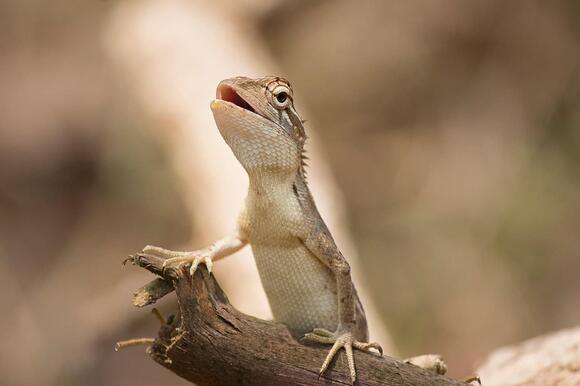
Lizards and geckos find shelter in crevices or under rocks. They enter a state called brumation, similar to hibernation but less deep. Their body functions slow down, reducing the need for food. Some species produce antifreeze-like substances in their blood. This helps prevent ice formation inside their bodies.
Snakes
Snakes gather in groups in dens called hibernacula. Grouping helps maintain warmth and reduces heat loss. They also slow their metabolism and heart rate. Some snakes burrow underground or use abandoned animal holes. This offers insulation and protection from cold winds.
Environmental Influences
Environmental factors play a crucial role in how reptiles survive cold weather. These creatures rely on their surroundings to regulate body temperature and find shelter. Understanding these influences helps explain their survival strategies during chilly months.
Climate And Habitat
Reptiles live in varied climates, from deserts to forests. Their habitats affect their ability to cope with cold. Warm, sunny areas provide heat needed for activity. Dense vegetation or rocky crevices offer shelter from wind and frost. In colder regions, reptiles may burrow underground to escape freezing temperatures. Seasonal changes in temperature trigger hibernation or brumation, a state of low metabolism. These adaptations help reptiles conserve energy and survive until warmer weather returns.
Human Impact
Human activities change reptile habitats and affect survival. Urban development reduces natural shelters and sunny spots. Pollution can alter the environment’s temperature and quality. Roads and buildings create barriers, limiting movement to safe areas. Climate change causes more extreme and unpredictable cold spells. These changes challenge reptiles’ ability to find food and shelter. Protecting natural habitats and reducing pollution support reptiles during cold weather.
Credit: www.newsbreak.com
Research And Discoveries
Understanding how reptiles survive cold weather has fascinated scientists for decades. Recent research sheds new light on their unique adaptations and behaviors that help them endure harsh conditions. These discoveries not only deepen our knowledge but also guide conservation efforts to protect these resilient creatures.
Recent Studies
Scientists have found that some reptiles produce natural antifreeze proteins. These proteins prevent ice crystals from forming in their cells, protecting vital organs during freezing temperatures.
Other studies reveal that certain reptiles can lower their metabolic rate dramatically. This slowdown allows them to use less energy and survive longer periods without food or warmth.
One surprising discovery involved the wood frog’s ability to survive being frozen solid. While not a reptile, this example encourages researchers to look for similar strategies in cold-weather reptiles.
Implications For Conservation
Knowing how reptiles adapt to cold helps you understand the risks they face as climates change. Conservation plans can now focus on preserving habitats that support these survival mechanisms.
This knowledge also emphasizes the importance of protecting hibernation sites. Disruptions to these areas can be deadly for reptiles relying on stable conditions during winter.
Have you considered how your actions might impact these delicate environments? Supporting local conservation efforts can help maintain the natural balance reptiles depend on.
Frequently Asked Questions
How Do Reptiles Stay Warm In Cold Weather?
Reptiles use behavioral adaptations like basking in sunlight to raise body temperature. They seek warm shelters and reduce activity to conserve energy. Some reptiles enter a state called brumation, lowering metabolism to survive cold periods safely.
What Is Brumation In Reptiles?
Brumation is a hibernation-like state reptiles enter during cold weather. Their metabolism slows down significantly, reducing energy needs. They become less active and eat little or no food. This helps reptiles survive extended cold conditions without harm.
Can Reptiles Survive Freezing Temperatures?
Most reptiles cannot survive freezing temperatures directly. They rely on finding insulated shelters or burrowing below frost lines. Some species produce antifreeze-like substances in their blood to avoid ice formation. Survival depends on species and environmental adaptations.
How Do Reptiles Find Shelter In Cold Weather?
Reptiles seek natural shelters like burrows, rock crevices, or leaf litter to avoid cold. These places offer insulation and stable temperatures. Choosing safe, warm spots helps reptiles maintain body heat and survive harsh weather conditions.
Conclusion
Reptiles survive cold weather by slowing their body functions. They find warm places to stay safe. Some bury themselves in soil or hide under rocks. Their metabolism drops, saving energy during cold days. This helps them survive without food for months.
Cold doesn’t stop their lives; it changes how they live. Nature gives reptiles smart ways to cope with winter. Understanding these habits shows how animals adapt to tough conditions. Reptiles’ survival skills remind us how life finds a way.


