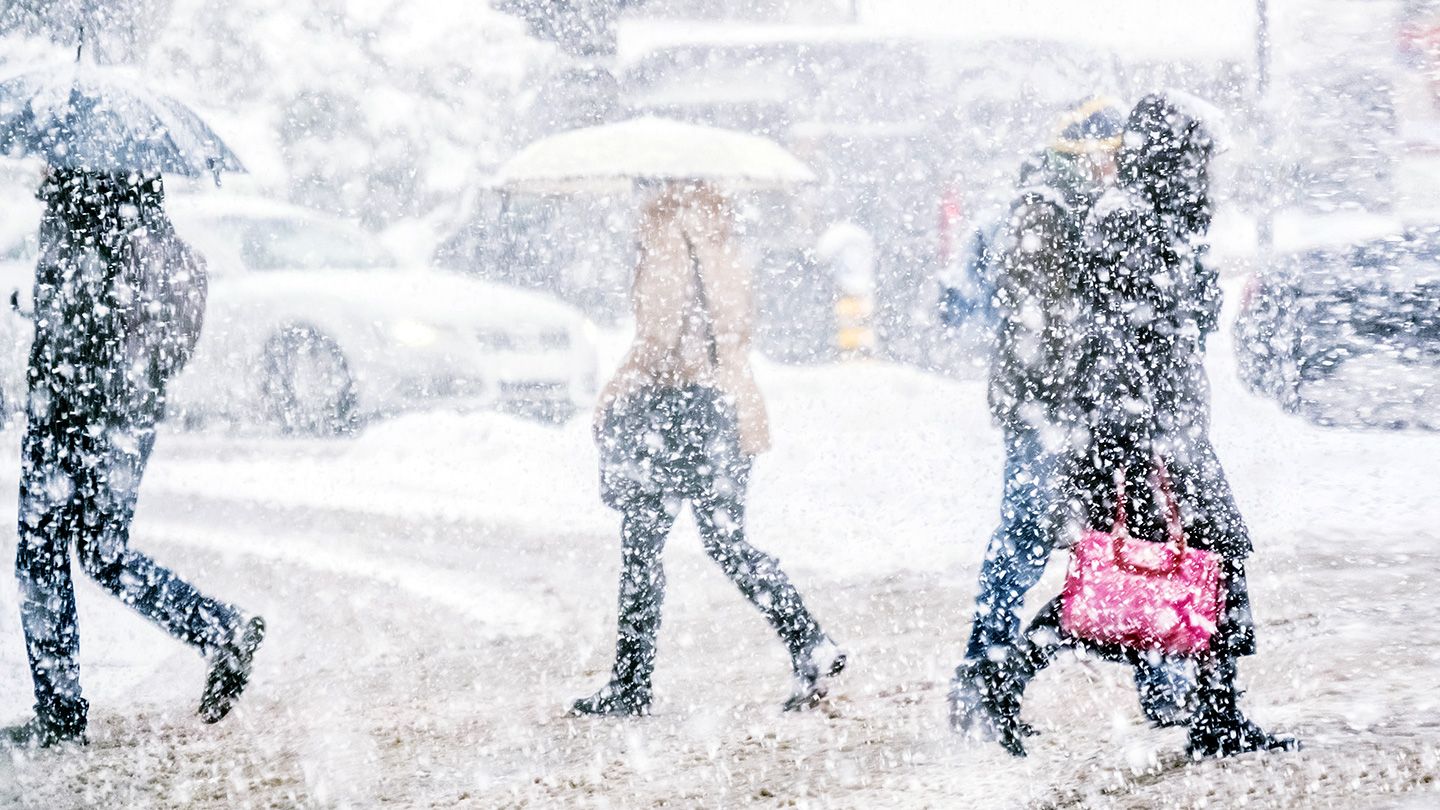
Imagine stepping outside and feeling the sharp sting of freezing air that hits 0 degrees. Your body starts to shiver, and every step feels tougher than the last.
How do you keep warm and stay safe when the temperature drops this low? Knowing the right tips and tricks can make all the difference between discomfort and survival. This guide will show you exactly what you need to do to protect yourself and thrive in freezing weather.
Keep reading, because your safety depends on it.

Credit: www.everydayhealth.com
Preparing For Extreme Cold
Preparing for extreme cold means more than just facing the freezing air outside. It requires careful planning and smart choices to keep yourself safe and comfortable when temperatures plummet to zero degrees or below. You’ll need to think about what you wear, how to keep your home warm, and what emergency supplies you should have on hand.
Clothing Essentials
Clothing is your first line of defense against the cold. Layering is key—start with a moisture-wicking base layer to keep sweat away from your skin.
- Add an insulating layer like fleece or wool to trap heat.
- Finish with a waterproof and windproof outer layer to protect against the elements.
- Don’t forget accessories: hats, gloves, and thermal socks make a huge difference.
Think about the last time you felt cold despite wearing a heavy coat. Was it because your gloves or hat weren’t warm enough? Every exposed area loses heat quickly.
Home Insulation Tips
Your home should be a cozy refuge from the cold. Start by sealing gaps around windows and doors with weather stripping or caulk to stop cold drafts.
- Use heavy curtains to add an extra layer of warmth over windows.
- Cover floors with rugs to reduce heat loss through the ground.
- Consider adding insulation to your attic or walls if you haven’t already.
Do you notice cold spots in your home during winter? Identifying these areas can help you focus your insulation efforts where they matter most.
Emergency Supplies Checklist
Power outages and travel disruptions are common in extreme cold. Preparing an emergency kit can be a lifesaver.
- Stock up on non-perishable food and bottled water to last several days.
- Keep flashlights, batteries, and a battery-powered radio handy.
- Have extra blankets, warm clothing, and a first aid kit ready.
- Don’t forget necessary medications and important documents stored safely.
Ask yourself: if the power went out tonight, would you have everything you need to stay warm and safe for a few days?
Staying Warm Outdoors
Surviving outdoors in zero-degree weather demands careful planning and smart choices. Staying warm is essential to avoid serious health risks like hypothermia. The right clothing and protection keep your body heat sealed in and cold air out. Each part of your body needs attention to stay safe and comfortable.
Layering Techniques
Layering traps heat and controls moisture. Start with a thin, moisture-wicking base layer to keep skin dry. Add an insulating middle layer, like fleece or wool, to hold warmth. Finish with a waterproof and windproof outer layer to block harsh weather. Avoid cotton; it holds moisture and chills the body.
- Base layer: synthetic or wool fabric
- Middle layer: fleece or down jacket
- Outer layer: waterproof shell or parka
Adjust layers to match activity level. Remove layers if sweating to prevent chill.
Protecting Extremities
Fingers, toes, ears, and nose lose heat fastest. Wear insulated gloves or mittens to keep hands warm. Use thick, wool socks and waterproof boots to protect feet. Cover your head with a hat or balaclava. Use a scarf or face mask to shield your nose and cheeks.
- Insulated gloves or mittens
- Wool socks and waterproof boots
- Warm hat or balaclava
- Scarf or face mask
Avoiding Frostbite
Frostbite damages skin and tissue from freezing. Watch for numbness, tingling, or pale skin on extremities. Keep moving to maintain circulation. Avoid tight clothing that restricts blood flow. Take breaks indoors or in warm shelters if possible. Warm frozen skin slowly with warm water, never rub.
Safe Heating Methods
Staying warm in zero-degree weather demands careful use of heating tools. Safe heating methods reduce risks of fire and health problems. Use heating devices properly to keep your home cozy and safe.
Using Space Heaters Safely
Place space heaters on flat, stable surfaces away from flammable objects. Keep a clear area of at least three feet around the heater. Never leave space heaters running when you sleep or leave the room. Choose models with automatic shut-off features for extra safety. Always plug heaters directly into wall outlets, not extension cords.
Fireplace And Wood Stove Tips
Ensure chimneys are clean and free of blockages before use. Use dry, seasoned wood to reduce smoke and creosote buildup. Keep a screen or glass door in front of the fireplace to contain sparks. Never burn trash or treated wood in your stove or fireplace. Maintain proper ventilation to let smoke escape safely.
Preventing Carbon Monoxide Poisoning
Install carbon monoxide detectors on every floor of your home. Test detectors monthly and replace batteries twice a year. Never use gas stoves or ovens to heat rooms. Avoid running generators or heaters indoors without ventilation. Recognize symptoms like headache, dizziness, or nausea and leave the area immediately if they occur.
Traveling In Freezing Weather
Traveling in freezing weather demands extra care and preparation. Cold temperatures and icy roads create real challenges. Staying safe requires understanding the risks and planning ahead. Every journey in 0-degree weather should include safety checks and smart driving habits.
Vehicle Preparation
Check your tires for good tread depth and proper pressure. Use winter or all-season tires designed for ice and snow. Keep your gas tank at least half full to avoid fuel line freeze. Make sure your battery is fully charged and in good condition. Fill your windshield washer fluid with freeze-resistant solution. Clear all snow and ice from windows, mirrors, and lights. Pack an emergency kit with blankets, food, water, and a flashlight.
Driving Tips On Ice
- Drive slowly and smoothly to keep control of your vehicle.
- Increase the distance between your car and others.
- Avoid sudden stops and sharp turns to prevent skidding.
- Use gentle pressure on brakes; pump lightly if no ABS system.
- Look far ahead to spot hazards early and adjust speed.
- Stay calm if your car starts to slide; steer in the slide direction.
What To Do If Stranded
Stay inside your vehicle to keep warm and safe. Run the engine for short periods to heat the car. Open a window slightly to prevent carbon monoxide build-up. Use your emergency kit supplies to stay nourished and hydrated. Signal for help by tying a bright cloth to the antenna or door. Conserve your phone battery by turning it off when not in use. Avoid overexertion by staying seated and resting.
Maintaining Health In Cold Conditions
Surviving in 0-degree weather demands more than just bundling up. Your body faces real challenges in extreme cold, so maintaining your health becomes crucial. Paying attention to how your body reacts and giving it what it needs can make a huge difference.
Recognizing Hypothermia
Hypothermia happens when your body temperature drops below normal. Early signs include shivering, confusion, and sluggish movements. If you notice someone becoming very pale or losing coordination, act quickly—hypothermia can be life-threatening.
Ask yourself: are you or those around you showing these symptoms? Taking breaks in warm areas and checking body temperature often can prevent serious issues. Don’t wait until shivering stops; that means hypothermia is worsening.
Staying Hydrated And Nourished
Cold weather often tricks you into feeling less thirsty, but dehydration still happens. Drinking warm fluids like herbal tea or broth helps keep your core temperature stable. Avoid caffeinated drinks as they can increase fluid loss.
Your body burns more calories to stay warm, so eating regularly is key. Choose high-energy foods like nuts, cheese, and whole grains. Have you packed enough snacks for long exposure? Planning ahead keeps your energy up and your body fueled.
Exercise And Movement
Staying active helps your blood circulate and keeps you warm. Simple movements like stretching or walking in place can raise your body heat. But avoid sweating too much; wet clothes cool you down fast.
Try short bursts of exercise every hour if you’re outside for long periods. Moving also boosts your mood and alertness. How often do you pause to move during cold days? Small efforts can prevent stiffness and keep your body ready to handle the chill.

Credit: www.reddit.com
Emergency Response Strategies
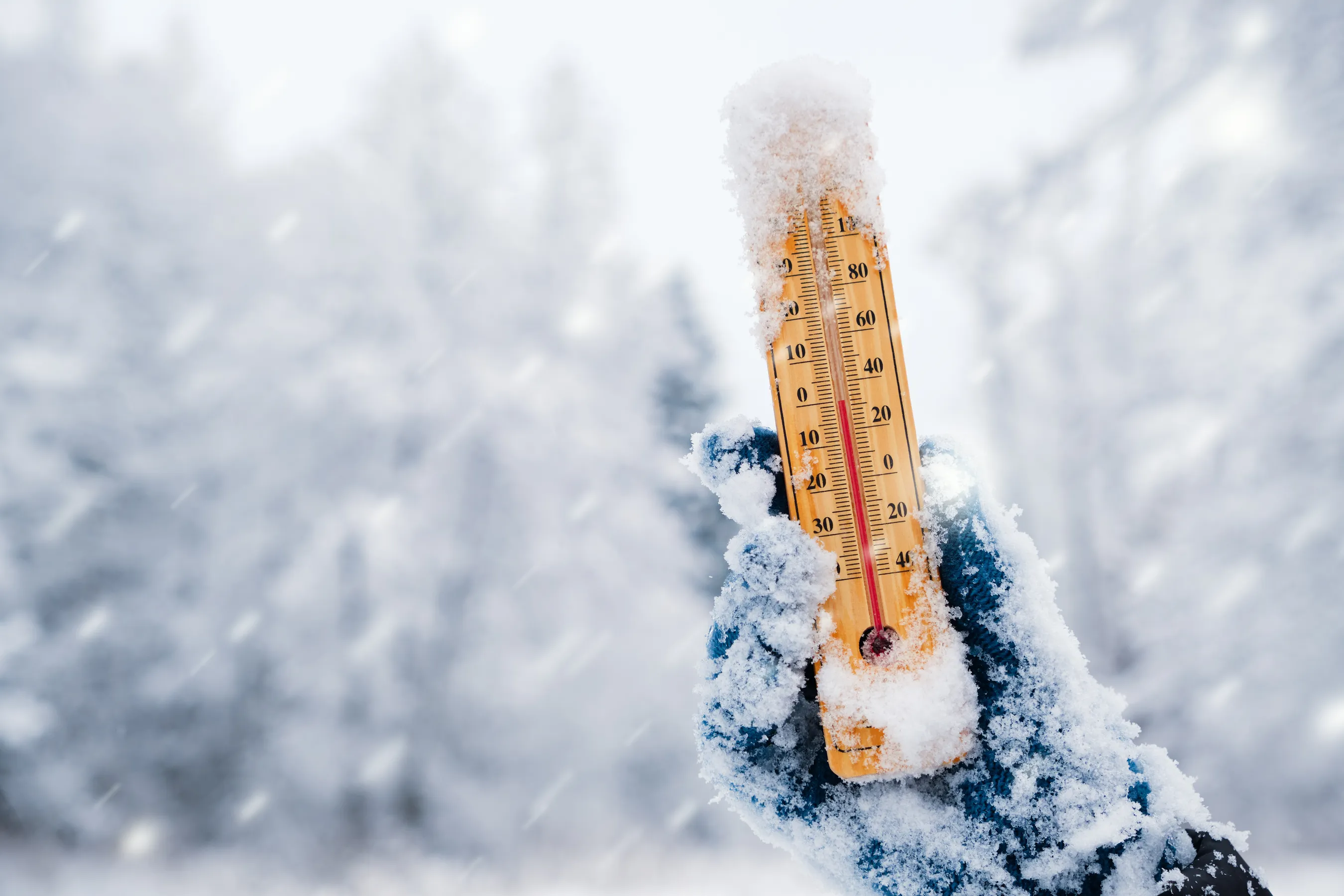
Facing 0-degree weather can be life-threatening if you are unprepared. Emergency response strategies are crucial to keep you and your loved ones safe. These strategies help you act quickly and effectively when the cold becomes dangerous.
Creating A Safety Plan
Start by mapping out a clear safety plan for everyone in your household. Decide on warm shelter locations, emergency supplies, and backup heating options.
Include items like extra blankets, hand warmers, and enough food and water for at least 72 hours. Think about how you will stay warm if the power goes out or if you get stranded outdoors.
Have a checklist ready and review it regularly. This plan isn’t just for you; make sure everyone knows what to do during extreme cold.
Communication And Alerts
Keep your phone charged and have backup power sources like power banks or solar chargers. Sign up for local weather alerts to get updates instantly.
Establish a system to check on family members and neighbors, especially the elderly or those with health issues. Simple texts or calls can save lives in freezing conditions.
Ask yourself: Do you have a trusted contact who knows your safety plan? Communicating early and often can prevent panic and confusion during emergencies.
When To Seek Medical Help
Know the warning signs of hypothermia and frostbite—shivering, numbness, confusion, or pale skin. Acting fast can prevent serious damage.
If you or someone else shows these symptoms, move to a warm place immediately and call emergency services if the condition worsens.
Never ignore persistent shivering or loss of coordination. Your prompt response could be the difference between recovery and severe injury.
Credit: www.livelegendhomes.com
Frequently Asked Questions
How To Dress For 0 Degree Weather?
Dressing in layers is essential for 0-degree weather. Start with thermal undergarments. Add a fleece or wool middle layer. Finish with a waterproof, insulated outer layer. Don’t forget gloves, a hat, and a scarf. Ensure your footwear is waterproof and insulated to keep your feet warm and dry.
What Foods Help You Stay Warm?
Eating high-calorie foods helps your body generate heat. Opt for hearty soups, stews, and oatmeal. Include healthy fats like nuts, avocados, and cheese. Drink warm beverages like tea or hot chocolate. These foods provide energy and warmth, helping you withstand cold temperatures more comfortably.
How To Keep Your Home Warm In Winter?
Seal any drafts around windows and doors to prevent heat loss. Use thick curtains to insulate windows. Add rugs to your floors for extra warmth. Keep your thermostat at a consistent temperature. Using a space heater can also help keep specific areas warm and cozy.
What Are The Best Fabrics For Cold Weather?
Wool, fleece, and down are excellent choices for cold weather. Wool provides insulation and retains heat even when wet. Fleece is lightweight and breathable. Down offers exceptional warmth for its weight. These fabrics help maintain body heat and keep you comfortable in freezing temperatures.
Conclusion
Surviving zero-degree weather takes careful planning and smart choices. Dress in layers to keep warm and avoid frostbite. Stay dry and keep moving to maintain body heat. Drink warm fluids and eat enough food for energy. Always prepare for emergencies by carrying supplies.
Remember, safety comes first in extreme cold. Follow these simple tips to stay safe and comfortable. Cold weather can be tough, but you can handle it. Stay alert, stay warm, and stay safe.


