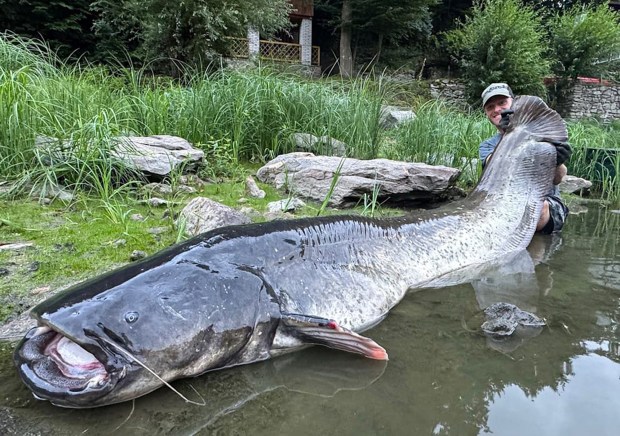
Have you ever wondered how long a catfish can survive out of water? If you’re curious about your pet catfish or just fascinated by nature, understanding this can be surprising.
Knowing how long catfish can stay out of their watery home could help you keep them safe or satisfy your curiosity about their unique abilities. Keep reading, because what you learn might change the way you think about these remarkable fish.
Catfish Adaptations For Survival
Catfish have special features that help them survive outside water for some time. These adaptations protect them from drying out and help them breathe. Understanding these traits explains how catfish endure harsh conditions.
Breathing Mechanisms
Catfish use more than just their gills to breathe. Some species have a modified gut that helps absorb oxygen. Others can gulp air from the surface to get extra oxygen. This ability allows them to survive in low-oxygen water or on land briefly.
Skin And Moisture Retention
The skin of catfish is thick and slimy. This slime layer keeps moisture inside their bodies. It acts like a barrier to prevent water loss. The skin also helps protect against harmful bacteria and parasites during land exposure.
Behavioral Adaptations
Catfish show smart behaviors to stay alive outside water. They often move to damp areas or mud to stay moist. Some hide under rocks or leaves during dry times. These behaviors reduce stress and increase their survival chances.

Credit: fishboxapp.com
Factors Affecting Survival Out Of Water
Several factors influence how long a catfish can survive out of water. These factors affect their ability to breathe and maintain moisture. Understanding them helps explain the variations in survival times among different catfish.
Species Variations
Different catfish species have different abilities to survive without water. Some species have adapted to live in low-oxygen environments. They can breathe through their skin or specialized organs. Others depend solely on gills and need water to survive. Survival time varies greatly between species.
Environmental Conditions
Dry or wet surroundings impact a catfish’s survival. Moist environments slow water loss from the fish’s body. Dry air causes faster dehydration and stress. Shelter or shade can also protect catfish from direct sunlight. These conditions play a big role in how long they live out of water.
Temperature And Humidity
Temperature controls how quickly a catfish loses moisture. Higher temperatures speed up dehydration. Humidity helps keep the fish’s skin moist. Low humidity makes survival difficult. Cooler, humid conditions allow catfish to last longer without water.
Typical Survival Durations
Catfish are known for their hardy nature, but how long they can survive out of water varies widely. Their survival depends on factors like species, environment, and moisture availability. Understanding these typical survival durations can help you handle catfish safely and responsibly.
Short-term Survival
Most catfish can survive out of water for about 30 minutes to an hour under normal conditions. They rely on keeping their skin moist to breathe through it, so dry air quickly becomes dangerous. If you’ve ever held a catfish during fishing, you might notice it starts to struggle quite fast once out of water.
Keeping the fish wet with a damp cloth or spraying water regularly can extend this time slightly. This short window is crucial if you plan to release the catfish back into the water unharmed.
Extended Survival Cases
Some catfish species exhibit remarkable resilience, surviving several hours out of water when conditions are favorable. For instance, walking catfish can live up to 6-8 hours if their skin remains moist and the air is humid. These fish have adapted to move across land to find new water sources, making their survival time longer than you might expect.
Have you ever wondered how far a catfish could travel on land? These extended survival abilities give them a unique advantage in fluctuating environments.
Extreme Conditions
In extreme cases, catfish survival out of water depends heavily on temperature and humidity. Cooler, humid environments slow down their metabolism and reduce water loss, allowing survival up to 12 hours or more. Conversely, hot and dry conditions can reduce survival time to mere minutes.
Handling catfish in such conditions requires extra care. If you find a catfish stranded, quickly restoring moisture and shade can mean the difference between life and death for the fish.
Credit: nationalzoo.si.edu
Scientific Studies And Observations
Scientific studies and observations provide valuable insights into how long catfish can survive out of water. These investigations help us understand the species’ unique adaptations and limits. They also guide those who handle catfish, whether in fishing, aquaculture, or conservation.
Laboratory Experiments
In controlled lab settings, researchers expose catfish to air for set periods to measure survival times. These experiments reveal that catfish can endure several hours without water, depending on the species and conditions.
Scientists often monitor variables like temperature, humidity, and catfish size. For example, some species survive up to 12 hours out of water at cooler temperatures, but this drops significantly when it’s hot. Such findings show how environment strongly influences survival.
One surprising detail is how some catfish slow their metabolism to conserve oxygen. This adaptation allows them to survive longer in dry conditions. Could this ability explain why catfish sometimes travel over land during droughts?
Field Observations
Observations in natural habitats confirm lab results and add real-world context. Fishermen and wildlife experts have noted catfish surviving several hours stranded in mud or wet grass between water bodies.
These field cases often involve catfish using their barbels (whiskers) to sense moisture and navigate toward water. Their skin also plays a role, helping retain moisture longer than most fish.
Have you ever seen a catfish out of water and wondered how it copes? Knowing these survival tactics can change how you handle and care for catfish, especially during fishing or transport.
Tips For Handling Catfish Safely
Handling catfish properly is key to ensuring their survival when they are out of water. Careless handling can cause stress, injury, or even death. Let’s look at ways you can handle catfish safely to keep them healthy and strong.
Minimizing Stress
Stress weakens catfish quickly, so keep handling time short. Hold the fish gently but firmly to avoid squeezing or dropping it. Wet your hands first; dry hands remove their protective slime coat, increasing infection risk.
Keep the environment calm—loud noises and sudden movements can scare catfish. If you notice the fish thrashing, pause and give it a moment to settle. Have all your equipment ready before you catch the fish to reduce handling time.
Proper Transport Methods
Use a container filled with clean, oxygenated water to transport catfish. Avoid overcrowding; too many fish in one container raises stress and lowers oxygen. Insulated coolers work well to maintain stable water temperature during transport.
If you must carry catfish out of water for a short while, wrap them in a damp cloth or towel. This keeps their skin moist and protects their slime layer. Remember, the goal is to mimic their natural habitat as closely as possible.
Ensuring Quick Return To Water
Plan your catch and release carefully. The longer a catfish stays out of water, the higher the risk to its health. Have your camera ready if you want a photo, so you don’t delay its return.
Release the fish gently back into the water, ideally in a calm area. Support the catfish in the water until it swims away on its own. Have you ever rushed a release and noticed the fish struggling afterward? Taking your time can make all the difference.
Common Myths About Catfish Survival
Catfish have sparked many stories about their ability to survive outside water. Some tales claim they can live for days on land or even walk between ponds. It’s easy to be fascinated by these stories, but how much do you really know about their survival skills?
Misconceptions
One popular myth is that catfish can survive for several days out of water by breathing air like amphibians. This idea comes from seeing catfish flapping on riverbanks or mudflats, which leads people to believe they can stay alive for long periods without water.
Another common belief is that catfish can “walk” on land to migrate between bodies of water. While they do wriggle and move, this movement is limited and not as effective as actual walking. Some think catfish have special lungs or can breathe air directly, but that’s not accurate.
Clarifying Facts
Catfish do have a unique adaptation called a labyrinth organ, which allows them to absorb oxygen from air to some extent. However, this doesn’t mean they can live outside water indefinitely. Typically, they can survive for a few hours out of water if kept moist, but not days.
When catfish leave water, they risk drying out and suffocating. Their skin and gills need to stay wet to function. If you’ve ever seen a catfish struggling on land, it’s not a sign of strength but a desperate attempt to return to water.
- Catfish can survive short periods out of water if moist.
- They cannot breathe air like mammals or amphibians.
- Movement on land is limited and for survival, not migration.
Next time you see a catfish flopping on the shore, ask yourself: Is it really thriving, or just fighting to breathe? Understanding these facts helps you appreciate how delicate aquatic life can be when removed from its environment.
Credit: www.theguardian.com
Frequently Asked Questions
How Long Can Catfish Breathe Air?
Catfish can survive out of water for several hours. Their ability to breathe air through their skin and modified gills allows them to survive temporarily. However, they require water to thrive and should not be left out of it for extended periods to ensure their health and well-being.
Do Catfish Need Water To Survive?
Yes, catfish need water to survive. While they can breathe air for a short time, water is essential for their long-term survival. Water supports their respiratory and physiological functions. Prolonged periods out of water can lead to dehydration and stress, which can be fatal to catfish.
What Happens If Catfish Stay Out Of Water?
If catfish stay out of water too long, they risk dehydration and suffocation. They rely on water to maintain their body functions and oxygen levels. Extended periods out of water can lead to fatal outcomes. It is vital to ensure they are returned to water as soon as possible.
Can Catfish Live On Land?
Catfish cannot live on land for extended periods. They are aquatic animals that require water for survival. Although they can breathe air temporarily, land lacks the necessary environment for their physiological needs. Keeping them in water is crucial for their health and longevity.
Conclusion
Catfish can survive out of water for a short time. Their skin helps them breathe a little air. But they need water to live longer. Dry air and heat can harm them fast. Always return catfish to water quickly. This keeps them healthy and alive.
Understanding their limits helps protect these fish. It also supports better fishing practices. Remember, water is their true home. Respect their needs for a safe environment.