Have you ever wondered how long gnats can survive when the temperature drops? If you’ve noticed these tiny pests buzzing around even as the air turns chilly, you’re not alone.
Understanding how cold weather affects gnats can help you protect your home and garden better. You’ll discover surprising facts about their survival skills and learn what you can do to keep them at bay during colder months. Keep reading to find out how gnats behave when the cold sets in—and why this matters to you.
Credit: www.brodybrotherspestcontrol.com
Gnat Life Cycle And Cold Impact
Understanding the gnat life cycle is key to knowing how cold weather impacts their survival. Gnats go through several stages of development, and each stage reacts differently to dropping temperatures. This knowledge can help you predict their presence around your home during colder months and take effective measures to control them.
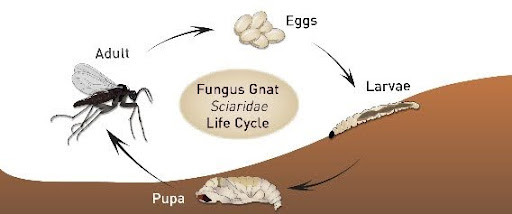
Stages Of Gnat Development
Gnats start life as tiny eggs, usually laid in moist soil or organic material. These eggs hatch into larvae, which live in damp environments and feed on decaying matter. After a period of growth, larvae transform into pupae before finally emerging as adult gnats ready to reproduce.
- Eggs:Tiny and vulnerable, laid in clusters.
- Larvae:Worm-like stage, feeding and growing in wet areas.
- Pupae:Transitional stage, less active but developing into adults.
- Adults:Winged insects, able to fly and reproduce.
How Cold Affects Each Stage
Cold weather slows down the gnat’s metabolism, but the impact varies by stage. Eggs and pupae are somewhat protected because they stay in sheltered, moist spots where temperatures don’t drop as quickly. Larvae, however, are very sensitive to cold and may die if exposed to freezing temperatures.
Adults are the most vulnerable; they often don’t survive extended cold spells. Some gnats find warmth indoors, which is why you might still see them in your home during winter. Have you noticed gnats buzzing around your kitchen even on chilly days? That’s because they’ve found a microclimate that keeps them alive.
Knowing these details helps you focus your gnat control efforts. Targeting larvae in moist areas before cold hits can reduce their population significantly. Also, sealing entry points indoors can prevent surviving adults from invading your space.
Credit: greenpestservices.net
Gnat Adaptations To Cold
Gnats have developed clever ways to handle cold weather. These tiny insects don’t just freeze or disappear; they adjust their behavior and body functions to survive harsh conditions. Understanding their adaptations can help you manage their presence around your home and garden during colder months.
Behavioral Changes
Gnats often change where and how they live to escape the cold. Many seek shelter in warmer places like inside houses, greenhouses, or under leaf litter outdoors. You might notice them clustering near windows or light sources as they look for warmth.
Some gnats slow down their activity, becoming almost dormant. This helps them save energy until temperatures rise again. Have you ever wondered why gnats seem less annoying in winter? Their quiet behavior is a survival tactic.
Physiological Adjustments
Gnats also change their bodies to cope with cold. They produce special antifreeze-like substances that prevent ice crystals from forming inside their cells. This biological trick keeps them alive even when temperatures drop below freezing.
Their metabolism slows down significantly, reducing the need for food and oxygen. This means gnats can survive longer without eating during cold spells. Next time you see gnats in chilly weather, remember they’re working hard just to stay alive.
Survival Duration In Low Temperatures
Understanding how long gnats can survive in cold weather is key to managing their presence around your home. Their survival duration varies widely depending on the intensity and length of cold exposure. Let’s break down how short-term and extended cold periods affect these tiny insects.
Short-term Cold Exposure
Gnats can handle brief drops in temperature, especially if it only lasts a few hours or a couple of days. They often seek shelter in warm, humid spots like soil, leaf litter, or inside buildings. This behavior helps them survive sudden cold snaps without much harm.
If you’ve noticed gnats lingering despite a chilly night, it’s because short-term cold doesn’t kill them immediately. Instead, it slows their metabolism, making them less active but still alive. Have you ever wondered why gnats suddenly disappear for a day and then return once it warms up? That’s their survival strategy in action.
Extended Cold Periods
When temperatures stay low for weeks, gnats struggle to survive unless they find protected environments. Prolonged cold can kill many adult gnats, but their eggs and larvae often endure in soil or plant matter. These stages are more resistant and can hatch once conditions improve.
Extended cold forces gnats into a kind of dormancy, but it’s not foolproof protection. If you want to reduce gnat populations, maintaining a consistently cold environment or removing their breeding grounds can be very effective. What changes can you make around your home to interrupt their life cycle during cold seasons?
Comparing Gnat Species
Gnats are not all the same when it comes to surviving cold weather. Different species have unique ways of coping with low temperatures, and some are better equipped than others. Understanding these differences can help you predict which gnats might stick around through chilly seasons and which ones will disappear quickly.
Cold-resistant Varieties
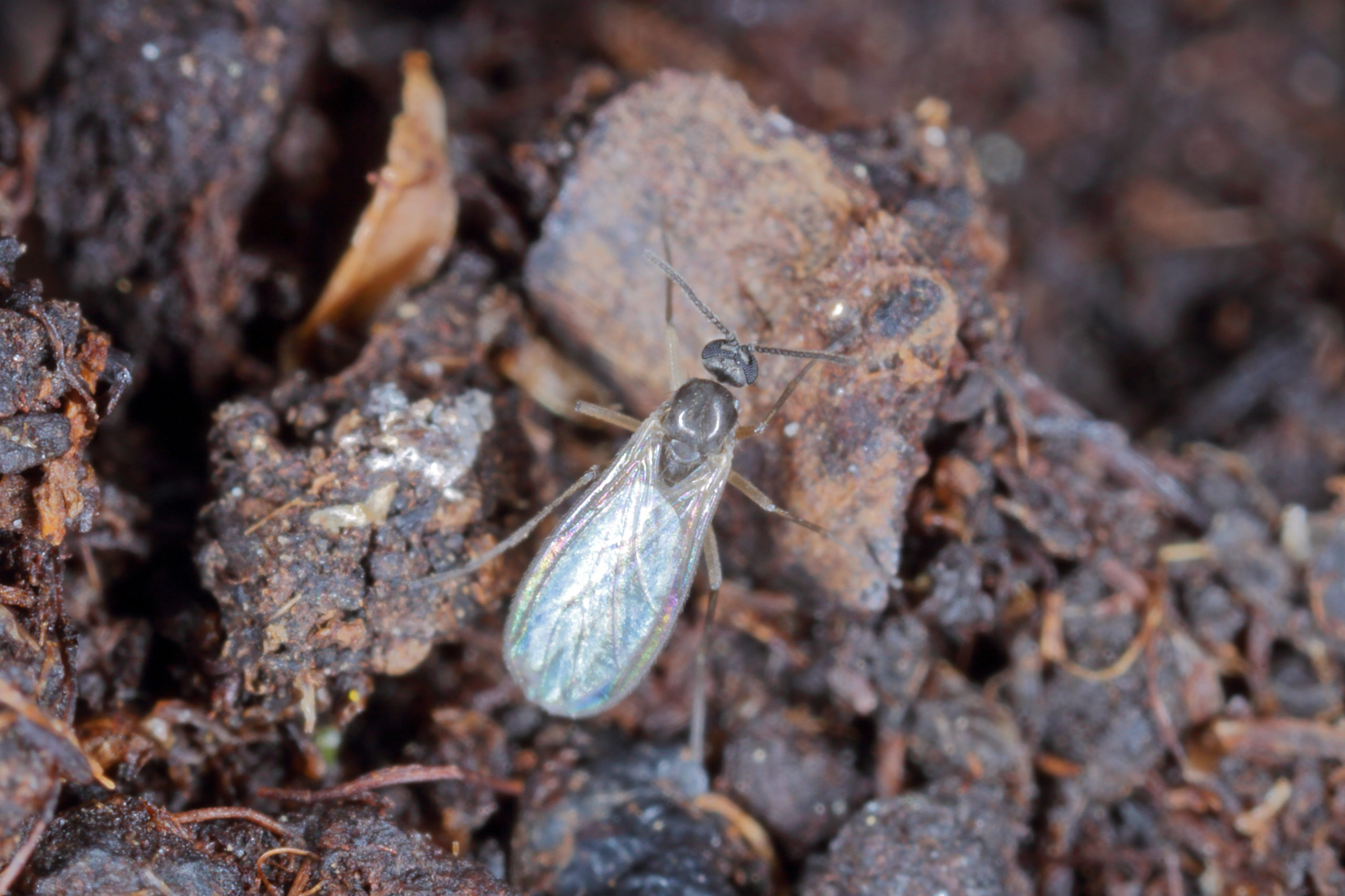
Some gnats can withstand cold weather much better. Fungus gnats, for example, often survive by hiding in soil or decaying organic matter where temperatures stay more stable. These gnats enter a type of dormancy called diapause, which slows their metabolism and helps them survive frost and freezing conditions.
Another cold-resistant type is the gall midge. They create protective cases on plants, which shield them from harsh weather. Because of these adaptations, you might still notice their presence even after the first frost.
Vulnerable Species
On the other hand, many gnats cannot handle cold temperatures well. Fruit flies, often mistaken for gnats, tend to die off quickly when the temperature drops. They rely heavily on warm environments and cannot enter dormancy like cold-resistant species.
Similarly, biting midges usually perish unless they find shelter in protected spots like leaf litter or underground. Their lack of cold survival strategies means you’ll see fewer of them as the weather gets colder.
Have you noticed certain gnats vanish as soon as winter starts, while others linger? This difference often comes down to the species’ ability to resist cold. Knowing which gnats are likely to survive can help you manage them better in your home or garden.
Environmental Factors Influencing Survival
Gnats face many challenges during cold weather. Their survival depends on several environmental factors. These factors affect how long they live and stay active as temperatures drop. Understanding these conditions helps explain why gnats can sometimes survive cold periods.
Humidity And Shelter
Gnats need moisture to survive. High humidity helps keep their bodies from drying out. In dry, cold air, gnats lose water quickly and die faster. Shelter plays a key role too. Gnats hide in warm, damp places like leaf litter or under tree bark. These spots protect them from cold winds and frost. Without shelter, gnats are more exposed and less likely to survive cold weather.
Food Availability
Food supply affects gnat survival during cold months. Gnats feed on plant sap, fungi, and decaying matter. If food is scarce, their energy drops. Low energy means they cannot stay alive long in cold conditions. Some gnats enter a dormant state to save energy when food is limited. Areas with plenty of organic material help gnats find enough food to survive winter.

Credit: extension.colostate.edu
Implications For Pest Control
Understanding how gnats survive cold weather helps improve pest control strategies. Cold weather affects their life cycle and behavior. This knowledge guides when and how to act against infestations. It also reduces reliance on chemicals and supports eco-friendly methods.
Using Cold To Manage Gnats
Cold temperatures can slow down gnat activity. Low temperatures reduce their feeding and breeding rates. Freezing conditions may kill some adult gnats and larvae. Homeowners can use this by:
- Keeping windows and doors sealed during cold spells
- Storing plants indoors when temperatures drop
- Using cold air from air conditioners to deter gnats
These steps can lower gnat numbers naturally. It helps control their population without harsh chemicals.
Limitations Of Cold Treatment
Gnats can survive mild cold or find warm places to hide. Some species enter a dormant state, waiting for warmth. Cold does not kill all life stages, especially eggs. Outdoor cold exposure is uneven and often insufficient. Relying only on cold risks incomplete pest control. Combining cold with other methods gives better results.
Frequently Asked Questions
How Do Gnats Adapt To Cold Weather?
Gnats are not well-adapted to survive in cold weather. They seek warmth in homes or other sheltered areas. Cold weather significantly reduces their activity and lifespan. Gnats may die if temperatures drop below freezing. They typically thrive in warmer, humid conditions.
Can Gnats Survive Winter Indoors?
Yes, gnats can survive winter indoors. They seek refuge in warm, moist areas like kitchens and bathrooms. Indoor environments provide the humidity and warmth they need. Regular cleaning and maintenance can help control their presence. Seal potential entry points to prevent infestations.
What Temperatures Are Lethal For Gnats?
Gnats struggle to survive in freezing temperatures. They typically cannot withstand temperatures below 32°F (0°C). Prolonged exposure to cold can be lethal. Cold weather can drastically reduce their population. They thrive best in warmer conditions with ample moisture.
Do Gnats Hibernate During Winter?
Gnats do not hibernate but seek warm environments during winter. They may enter homes or greenhouses to survive. Indoor plants can provide moisture and warmth. Their activity significantly decreases in cold weather. Regular monitoring can help manage their presence indoors.
Conclusion
Gnats can survive cold weather for a limited time. They slow down and hide to stay alive. Extreme cold usually kills most gnats. Some species can last through mild winters. Knowing this helps control gnat problems better. Watch for signs of gnats as temperatures warm.
Taking action early stops them from spreading. Cold weather alone does not end all gnat issues. Stay prepared and keep your home clean. This keeps gnats away all year long.


