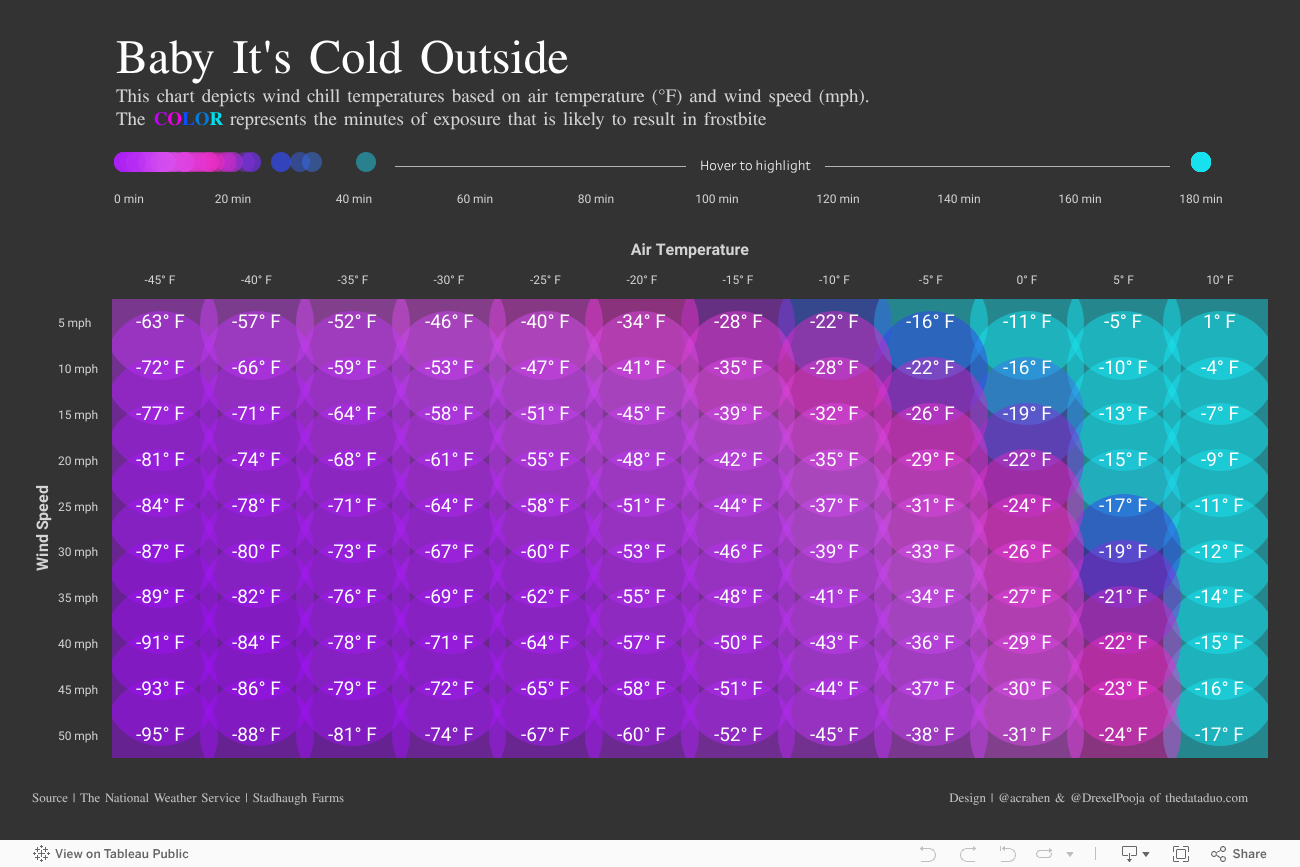
Imagine finding yourself in freezing 35-degree weather with no shelter or warm clothes. How long could you survive before the cold takes over?
Your body struggles to stay warm, and every minute counts. Understanding how your body reacts in these conditions can make the difference between life and death. Keep reading to discover what happens to you in the cold and learn vital tips that could help you survive longer than you think.

Credit: www.coldwatersafety.org
Human Body Temperature Regulation
Your body is a master at keeping its temperature just right. Even when the air feels freezing at 35 degrees Fahrenheit, your internal systems work hard to maintain a stable core temperature near 98.6°F (37°C). Understanding how this regulation works can give you insight into how long you can safely survive in cold weather.
How Your Body Generates Heat
When exposed to cold, your body activates several mechanisms to create heat. Shivering is one of the most noticeable responses, where rapid muscle contractions produce warmth. Additionally, your metabolism speeds up, burning more calories to generate internal heat.
Have you ever noticed your fingers and toes feeling numb in the cold? That’s because your body reduces blood flow to the extremities to conserve heat for vital organs like your heart and brain.
Heat Loss And Its Impact
Your body loses heat through several ways: radiation, conduction, convection, and evaporation. In 35-degree weather, heat loss happens quickly, especially if you’re wet or in the wind. Even a slight breeze can increase heat loss dramatically.
Think about times when you felt colder outside than indoors despite wearing a jacket. That’s wind chill at work—your body loses heat faster, challenging its ability to stay warm.
Signs Your Body Is Struggling To Regulate Temperature
Recognizing when your body is losing the battle against cold is critical. Early signs include uncontrollable shivering, numbness, and confusion. These symptoms mean your core temperature is dropping.
If you ignore these signs, hypothermia can set in, which is a dangerous drop in body temperature. It’s essential to act fast—find shelter, add layers, or get moving to help your body warm up.
Impact Of 35 Degree Weather
Exposure to 35 degree weather can have serious impacts on the human body and mind. This temperature is cold enough to cause harm if proper precautions are not taken. Understanding these effects helps in preparing for and surviving harsh cold conditions.
Physical Effects On The Body
The body loses heat quickly in 35 degree weather. Skin can become cold and numb. Blood vessels narrow, reducing blood flow to extremities.
Fingers and toes are at risk of frostbite. Muscles may stiffen, making movement difficult. The body uses more energy to stay warm, causing fatigue.
Shivering starts as the body tries to generate heat. Prolonged exposure may lead to hypothermia, a dangerous drop in body temperature. Signs include confusion, slow breathing, and loss of coordination.
Psychological Reactions
Cold weather affects the mind as well. Feeling cold can cause irritability and anxiety. Concentration and decision-making skills often decline.
The body’s stress response activates, increasing alertness initially. Over time, mental fatigue sets in. People may feel hopeless or confused if cold persists.
Isolation in cold weather can increase feelings of loneliness. Staying calm and focused improves chances of survival. Mental strength plays a key role in enduring cold conditions.
Factors Affecting Survival
Surviving in 35-degree weather depends on many important factors. The body reacts differently based on conditions around and within it. Understanding these factors helps prepare for cold weather challenges.
Hydration, clothing, shelter, and how the body adapts all play key roles. Each affects how long someone can stay safe and warm in cold temperatures.
Hydration Levels
Water is vital for body heat and energy. Even in cold weather, dehydration can happen fast. Cold air dries out the body, and people may not feel thirsty.
Proper hydration helps maintain blood flow and body temperature. Lack of water weakens muscles and slows reaction time. Staying hydrated improves chances of surviving longer.
Clothing And Shelter
Warm clothes protect the body from heat loss. Layers trap heat and block cold wind. Wet or thin clothing increases risk of hypothermia.
Shelter offers refuge from wind, rain, and snow. It keeps body heat inside and prevents exposure. Without shelter, survival time drops quickly.
Acclimatization And Conditioning
People used to cold weather handle it better. Their bodies adjust to lower temperatures over time. This builds tolerance and reduces shock from cold.
Physical fitness also matters. Strong muscles create heat and keep blood flowing. Weak or sick individuals lose heat faster and tire sooner.
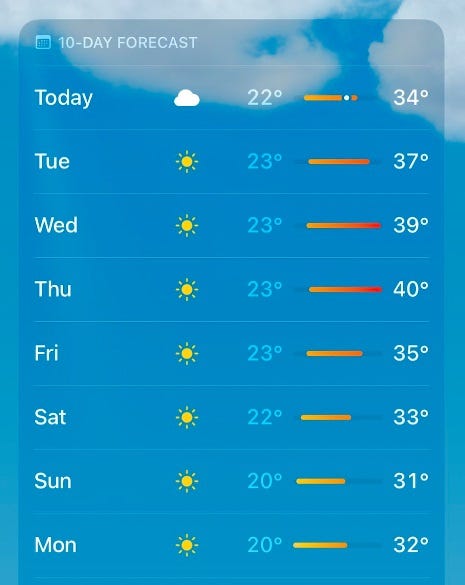
Credit: medium.com
Risks Of Prolonged Exposure
Prolonged exposure to 35-degree weather can cause serious health problems. The body struggles to cool down in high temperatures. This can lead to dangerous conditions. Understanding the risks helps in taking quick action.
Heat Exhaustion
Heat exhaustion happens when the body loses too much water and salt. Symptoms include heavy sweating, weakness, and dizziness. Skin may feel cool and moist. Nausea and headaches are common signs too. Without rest and hydration, it can get worse fast. It often occurs after hours in the heat.
Heat Stroke
Heat stroke is a life-threatening condition. The body stops regulating its temperature properly. Symptoms include hot, dry skin and confusion. People may faint or lose consciousness. It can happen suddenly after long heat exposure. Immediate medical help is critical to avoid permanent damage or death.
Tips For Staying Safe
Surviving in 35-degree weather requires careful preparation. Staying safe means knowing how to protect your body from the cold. Simple actions can make a big difference. Below are key tips to help you stay safe and healthy in cold conditions.
Proper Hydration Techniques
Cold weather can make you feel less thirsty. Your body still loses water through breath and sweat. Drink water regularly, even if you don’t feel thirsty. Warm drinks can help maintain your body temperature. Avoid alcohol and caffeine; they can cause dehydration.
Appropriate Clothing Choices
Wear layers to trap heat and stay warm. Start with a moisture-wicking base layer to keep skin dry. Add insulating layers like wool or fleece. Top with a windproof and waterproof outer layer. Cover hands, feet, and head well to prevent heat loss.
Recognizing Warning Signs
Know the signs of cold-related illnesses. Shivering, numbness, and clumsiness signal early cold stress. Confusion and slurred speech may mean hypothermia. Watch for pale or hard skin, which can indicate frostbite. Seek shelter and help immediately if these signs appear.
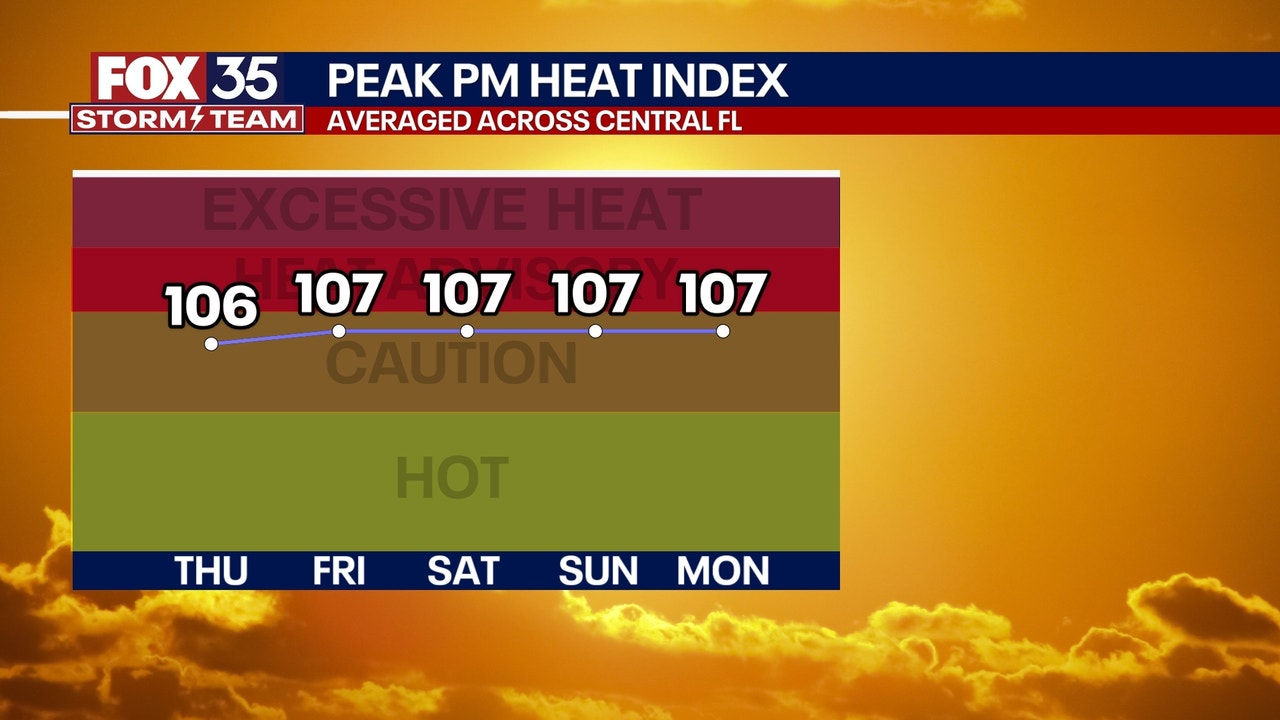
Credit: www.fox35orlando.com
Case Studies And Real-life Scenarios
Understanding survival in 35-degree weather requires real stories and examples. Case studies reveal how different people respond to cold conditions. These examples show what factors influence survival time.
People’s clothing, shelter, and physical condition affect their chances. Some survive for hours, others for days. Learning from real-life events helps prepare better for cold weather risks.
Survival In 35-degree Weather Without Proper Clothing
A hiker caught in 35-degree weather without warm clothes faced serious risks. The person tried to find shelter but had limited resources. Hypothermia symptoms began within a few hours.
This case shows the importance of wearing layers and staying dry. Survival time drops quickly without insulation against the cold.
Emergency Shelter And Its Impact On Survival
In another case, a lost camper used a makeshift shelter from branches. The shelter blocked wind and conserved body heat. This helped extend survival time to over 24 hours.
Protection from wind and rain greatly improves chances in cold weather. Simple shelters can make a big difference.
Role Of Physical Condition And Hydration
A mountain climber in 35-degree weather stayed hydrated and ate high-energy food. This kept energy levels stable and body temperature higher. The climber survived longer than expected despite harsh conditions.
Good physical health and nutrition support survival in cold environments. Weak or dehydrated people are at higher risk.
Cases Of Accidental Exposure And Rescue Times
Several rescue reports show people trapped outdoors in 35-degree weather. Rescue times varied from a few hours to over a day. Those found quicker had fewer health problems.
Quick rescue increases survival chances. Delays can lead to severe hypothermia and frostbite.
Scientific Research And Findings
Scientific studies provide clear insights on human survival in 35-degree Fahrenheit weather. This temperature can be dangerous without proper protection. Research helps understand the risks and survival times under these conditions.
Survival depends on factors like clothing, wind, moisture, and physical condition. Cold exposure can cause hypothermia, a life-threatening drop in body temperature. Science shows how quickly the body loses heat and what happens next.
Body Heat Loss Mechanisms In Cold Weather
The body loses heat mainly through radiation, conduction, convection, and evaporation. At 35°F, heat loss speeds up if the skin is wet or the wind is strong. Wet clothes can increase heat loss up to 25 times.
- Radiation:Heat escapes to colder surroundings.
- Conduction:Direct contact with cold surfaces draws heat.
- Convection:Wind removes heat from the skin.
- Evaporation:Moisture on skin or clothes cools the body.
Hypothermia Onset And Survival Time
Hypothermia starts when core body temperature falls below 95°F (35°C). Research shows mild hypothermia can occur within 30 minutes to 1 hour at 35°F without insulation. Severe hypothermia can develop in 1 to 3 hours, leading to unconsciousness or death.
| Condition | Estimated Survival Time | Symptoms |
|---|---|---|
| Dry clothes, no wind | Several hours | Shivering, confusion |
| Wet clothes, windy | 1-2 hours | Severe shivering, numbness |
| Immobilized, wet, windy | Less than 1 hour | Loss of consciousness |
Factors Influencing Survival Outcomes
Individual factors greatly affect survival. Body fat acts as insulation. Physical activity generates heat. Staying dry reduces heat loss. Wind chill can drop effective temperature by 10°F or more.
- Age and health status
- Clothing quality and layering
- Access to shelter and warmth
- Hydration and nutrition
Frequently Asked Questions
How Long Can A Person Survive In 35-degree Weather?
Survival time in 35-degree weather depends on clothing and shelter. With proper gear, survival can last several hours to days. Without protection, hypothermia can set in within an hour or less. Staying dry and insulated is crucial for longer survival.
What Factors Affect Survival In 35-degree Temperatures?
Key factors include clothing quality, physical condition, wind chill, and wetness. Wet clothes increase heat loss drastically. Wind speeds lower effective temperature, increasing risk. Adequate insulation and shelter significantly extend survival time in 35-degree conditions.
Can Dehydration Occur In 35-degree Weather?
Yes, dehydration is possible even in cold weather. Cold air can dry out the body, and physical exertion increases fluid loss. Drinking water regularly is essential to maintain hydration and support body heat regulation in 35-degree temperatures.
What Are The Signs Of Hypothermia At 35 Degrees?
Early signs include shivering, numbness, and confusion. As hypothermia worsens, slurred speech, slow breathing, and loss of coordination appear. Immediate warming and shelter are critical to prevent severe complications or death in 35-degree weather.
Conclusion
Surviving in 35-degree weather depends on many factors. Your clothing, shelter, and health all matter a lot. Staying dry and warm helps your body fight the cold. Without proper gear, hypothermia can start quickly. Knowing how to protect yourself saves lives.
Always prepare well before facing cold weather. Your safety depends on smart choices and good planning. Cold weather is serious. Respect it. Stay safe and stay warm.


