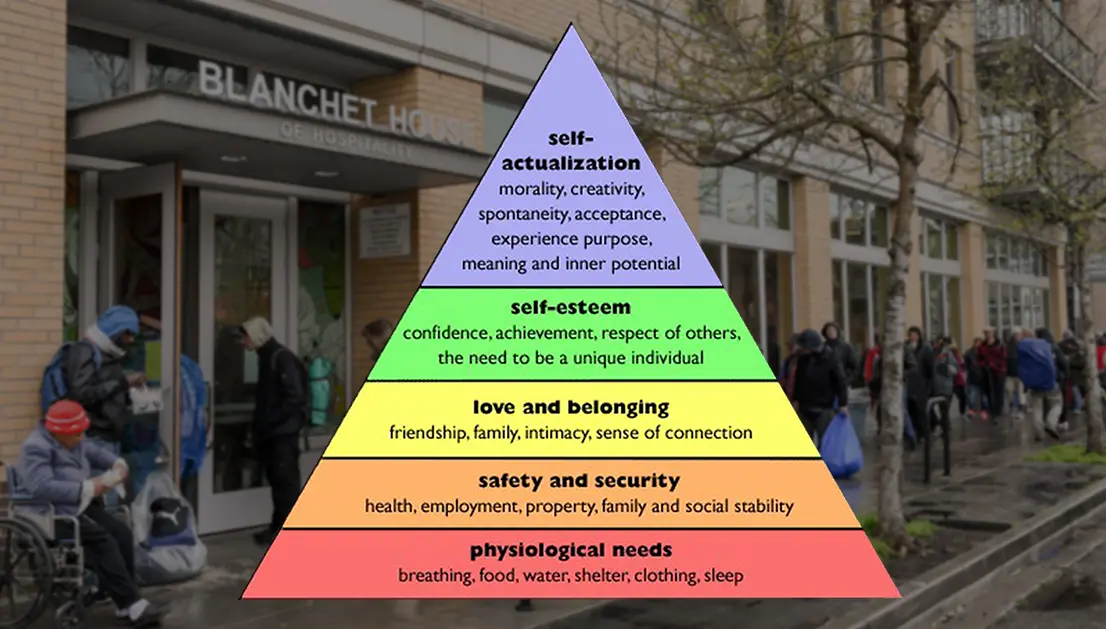
Have you ever wondered what it’s like to live without a shelter? Imagine facing the cold, rain, or scorching sun with nowhere safe to go.
It’s hard to picture, yet many people survive this reality every day. Understanding how they manage can change the way you see the world—and maybe even inspire you. You’ll discover the surprising ways people protect themselves, find safety, and keep hope alive without a roof over their heads.
Keep reading, because what you learn might stay with you longer than you expect.
Life On The Streets
Life on the streets demands constant adaptation and resilience. Every day brings new hurdles that test both physical endurance and mental strength. Understanding these challenges reveals the reality many face without shelter and how they manage to survive despite them.
Daily Challenges Faced
Living without a home means dealing with insecurity around every corner. Personal safety is a major concern, as vulnerable individuals often face harassment or violence.
Access to hygiene facilities is limited, which affects health and self-esteem. You might think about how you would maintain cleanliness without regular access to water or bathrooms.
Storing belongings safely is another struggle. Imagine carrying everything you own on your back or hiding it from theft each day.
Finding Food And Water
Securing enough food and clean water is a daily quest. Many rely on soup kitchens, food banks, or local charities, but these resources aren’t always available or sufficient.
Some people gather discarded but edible food from markets or restaurants. This risky practice highlights the constant search for nourishment.
Water sources can be unpredictable—public fountains or restrooms might be the only options. Staying hydrated requires creativity and careful planning.
Dealing With Weather Extremes
Harsh weather conditions pose serious threats. During cold months, hypothermia becomes a real danger, forcing people to find warm clothing and sheltered spots.
In summer, heat exhaustion can be deadly without shade or water. Rain and wind make it difficult to keep dry and protect belongings.
Many build makeshift shelters using tarps, cardboard, or plastic sheets. These crude solutions show how resourcefulness is key to surviving the elements.

Credit: m.youtube.com
Mental Strength And Adaptation
Surviving without shelter demands more than just physical endurance. It challenges your mental strength and your ability to adapt to constantly changing, often harsh environments. Your mind becomes a critical tool for navigating uncertainty and maintaining hope.
Building Emotional Resilience
Emotional resilience helps you withstand setbacks and stay focused on survival. It’s about managing stress without letting it overwhelm you. People often build this resilience by setting small, achievable goals each day, which gives a sense of control.
Consider someone who loses their home unexpectedly. Instead of falling into despair, they might break down the day into tasks like finding food, securing safe rest spots, or reaching out for community support. These steps strengthen their emotional muscles and prevent hopelessness from taking over.
Coping Mechanisms
Developing practical coping strategies is essential. Many find comfort in simple routines—like waking up at the same time or keeping a small journal—to create stability amid chaos. Others rely on mindfulness or breathing exercises to reduce anxiety.
- Connecting with others for support
- Using humor to lighten difficult moments
- Focusing on what they can control, not what they can’t
Have you ever noticed how a brief chat with a stranger or sharing your story can lift your spirits? These small actions can become lifelines.
Stories Of Hope And Determination
Many who survive without shelter show incredible grit. One woman shared how she used her art to keep her mind active and express her feelings. Her drawings became a reminder of her inner strength and her dreams beyond the streets.
Such stories prove that mental strength isn’t just about enduring hardship—it’s about finding purpose despite it. What passions or skills could you tap into to fuel your own resilience during tough times?
Community And Support Networks
Strong community ties help people without shelter find safety and share resources. Support networks offer emotional help and practical aid for daily survival. Together, they create a sense of belonging and hope amid hardship.
Surviving without shelter is a daunting challenge. Yet, amidst the struggle, the power of community and support networks shines brightly. People facing homelessness often rely heavily on these networks for emotional and practical support. These connections can mean the difference between hope and despair, offering a sense of belonging and shared strength.Informal Support Systems
Informal support systems play a crucial role in survival. These are the networks you build with those around you, whether they’re friends, acquaintances, or even strangers who are in a similar situation. A shared meal or a warm jacket can make a world of difference, creating bonds that are often stronger than steel. People often form groups to look out for each other. They share resources, watch over belongings, and offer companionship. Have you ever considered how much a simple act of kindness can change someone’s day? These small gestures are often the foundation of informal support systems.Role Of Charities And Ngos
Charities and NGOs are lifelines for many without shelter. They provide essential services like food, clothing, and medical care. More than that, they offer a human connection, reminding people that they are not forgotten. These organizations often serve as the bridge to more permanent solutions. They can help you find temporary housing or assist with job searches. The impact of their work is profound, but have you ever thought about how much more they could do with increased support?Peer Support Among The Homeless
Peer support is another powerful aspect of surviving without shelter. People who have experienced homelessness understand the challenges better than anyone else. They share tips, resources, and emotional support, creating a network of resilience. This kind of support can be empowering. It fosters a sense of community, where everyone looks out for each other. Have you ever witnessed the strength that comes from shared experiences? It’s a testament to the human spirit and its capacity to endure and thrive. Understanding these support networks can inspire action and empathy. They remind us all of the importance of community and the power of coming together, even in the toughest times. How might you contribute to these networks and make a difference?
Credit: www.amazon.com
Survival Skills On The Streets
Surviving on the streets demands a unique set of skills that go beyond just finding food and shelter. It requires constant awareness, quick decision-making, and adapting to ever-changing environments. Understanding how to navigate the urban landscape can be the difference between safety and danger.
Finding Safe Places To Rest
Rest is crucial, but finding a safe spot to sleep is challenging. Many choose places that offer some privacy and protection from the elements, like sheltered alcoves, abandoned buildings, or even under bridges.
Think about how noise, visibility, and foot traffic affect your safety. A quiet spot might attract less attention but could be isolated and risky if help is needed. Some people prefer busy areas where others can act as a deterrent to harm.
Securing Basic Necessities
Access to food, water, and hygiene can feel impossible without a fixed home. People often rely on public resources like soup kitchens, fountains, and public restrooms.
Creative approaches matter here. Carrying a reusable water bottle, knowing the schedules of local food distribution, and keeping hygiene kits handy can make a big difference. What simple items could you carry that would improve your daily survival?
Protecting Personal Belongings
Your belongings are often your lifeline. Keeping them safe means choosing bags that are hard to open without your knowledge and staying aware of your surroundings.
Some use backpacks worn on the front or bags that can be secured to their bodies. Others find ways to hide valuables in plain sight. How would you keep your essentials secure if you had to move quickly at any moment?
Turning Points And Recovery
Turning points mark crucial moments in the journey from homelessness to stability. They often involve finding support, gaining resources, or experiencing a change in mindset. Recovery is a process of rebuilding life step by step, with hope and effort guiding the way.
Accessing Social Services
Social services provide vital help for those without shelter. These services offer food, medical care, and temporary housing. They connect people with job training and counseling too. Finding these services can change a person’s path quickly. Many find new strength through this support network.
Stories Of Transformation
Stories of transformation inspire and teach important lessons. People share how they moved from the streets to safe homes. They tell of small wins that led to bigger changes. These stories show resilience and courage in hard times. They remind us that change is possible for everyone.
Keys To Rebuilding Life
- Stable housing provides a safe place to grow.
- Regular income through jobs builds financial security.
- Strong relationships offer emotional support and connection.
- Access to health care ensures physical and mental wellness.
- Education and skills open doors to new opportunities.
Each key helps create a new foundation for life. Recovery is about taking one step at a time. Persistence and support make the difference in lasting change.
)
Credit: www.business-standard.com
Frequently Asked Questions
How Do People Find Food Without Shelter?
People often rely on food banks, soup kitchens, and community programs. They may also collect discarded food or forage in safe areas to survive.
What Are Common Sleeping Places Without Shelter?
People without shelter usually sleep in parks, under bridges, or in abandoned buildings. They choose spots that offer some protection and safety.
How Do Homeless Individuals Stay Safe Outdoors?
Staying in groups, avoiding dangerous areas, and keeping personal items close help maintain safety. Many use public spaces with surveillance or security presence.
What Resources Support People Living Without Shelter?
Nonprofits, government programs, and local charities provide food, clothing, and medical aid. Shelters also offer temporary housing and connection to services.
Conclusion
Surviving without shelter takes strength and courage every day. People find ways to stay warm and safe using simple tools. Community support often plays a big role in survival. Life on the streets is hard but shows human willpower. Understanding their struggles helps us offer better help and care.
Everyone deserves a safe place to call home. Let’s remember their stories and work toward change. Survival is not just about shelter; it’s about hope.


